VS

Mercedes EQB vs BYD Tang comparison

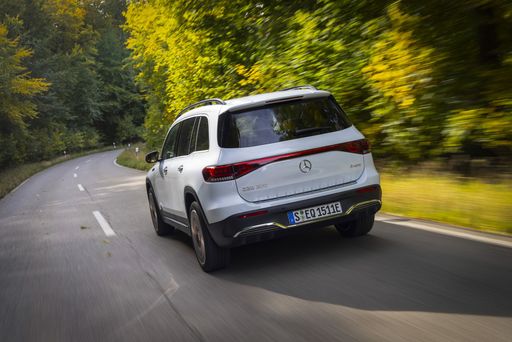
Compare performance (292 HP vs 517 HP), boot space and price (45,900 £ vs 64,300 £ ) at a glance. Find out which car is the better choice for you – Mercedes EQB or BYD Tang?

Mercedes EQB vs BYD Tang: Key differences

Mercedes EQB

4.3 (3 Reviews)
rate
  • clearly cheaper
  • significantly more efficient
  • barely more electric range
  • noticeably lighter
  • considerably more trunk space
details

BYD Tang

  • significantly more power
  • clearly quicker 0–100 km/h
details

All details on performance, efficiency, range and trunk space can be found in the technical comparison below – including user reviews for both models.

By Achim Sedelmaier

EQB

Electric SUV Showdown: BYD Tang vs. Mercedes EQB

As the automotive industry accelerates towards electrification, the competition in the electric SUV segment continues to intensify. Two contenders vying for attention in this arena are the BYD Tang and the Mercedes EQB. Both models, luxurious and innovative in their own rights, bring unique offerings to the table. In this comparative analysis, we will explore their technical specifications, performance, and key innovations that set them apart.
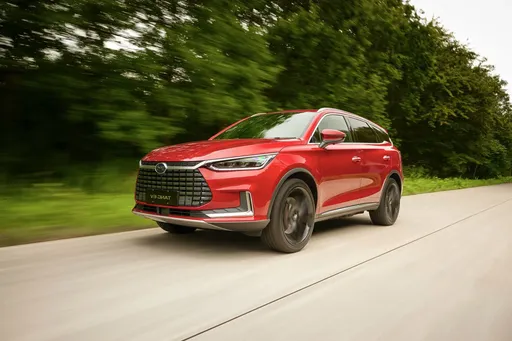
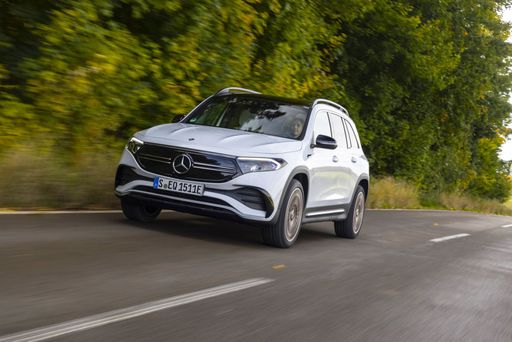
Tang

Performance Capabilities

The 2024 BYD Tang packs a punch with its impressive 517 horsepower delivered through an all-wheel-drive system. It distinguishes itself with rapid acceleration, achieving 0 to 100 km/h in just 4.9 seconds. Such performance is a testament to its 380 kW electric motor and 680 Nm of torque. This electric SUV doesn't merely promise speed; it’s a powerful machine designed for the discerning driver seeking thrill and practicality.

Contrastingly, the 2024 Mercedes EQB offers a range of powertrain options, with horsepower varying from 190 to 292 HP, depending on the variant. These configurations translate to varying acceleration times, with the quickest model hitting 0 to 100 km/h in 6.2 seconds. The EQB's performance is less about raw speed and more about delivering a balanced, smooth driving experience. With front-wheel and all-wheel-drive options, it caters to both urban commutes and occasional adventurous detours.

EQB

Range and Efficiency

The BYD Tang boasts a substantial electric range of 530 km, offering extended travel without frequent charging stops. Its consumption stands at 24 kWh per 100 km, prioritizing power while maintaining a respectable efficiency for its size and performance.

In comparison, the Mercedes EQB offers an electric range varying from 445 to 533 km across its different versions, with consumption figures between 15.2 and 17.3 kWh per 100 km. This range reflects Mercedes' focus on optimizing energy efficiency along with tailored battery capacities of up to 70.5 kWh for different needs.

Tang

Design and Comfort

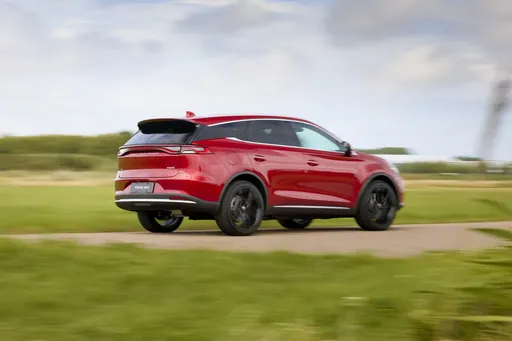
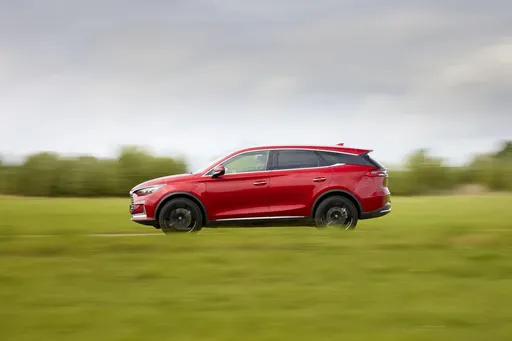
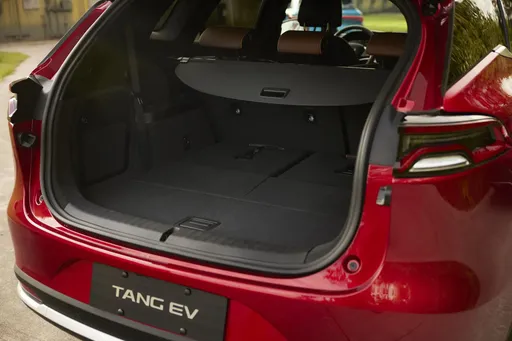
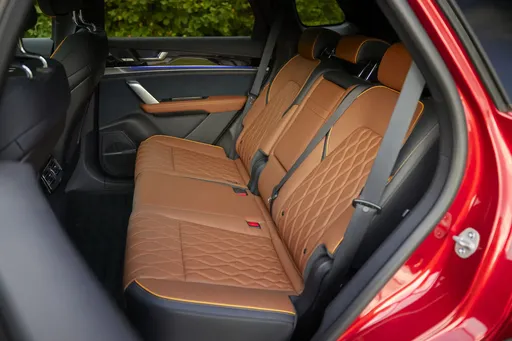
The BYD Tang strikes with its robust and spacious design, accommodating up to seven passengers across three rows of seats. While its trunk capacity is relatively modest at 235 liters, it significantly benefits family-oriented buyers who prioritize passenger capacity over luggage space.

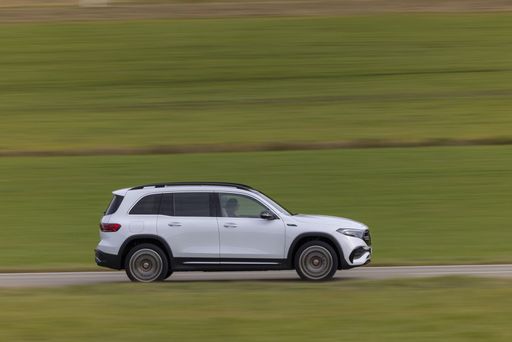
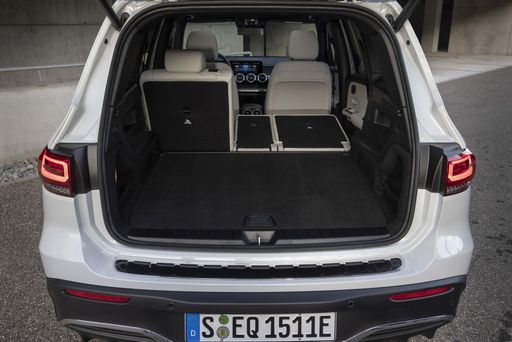
Conversely, the Mercedes EQB offers seating for five, but compensates with a larger trunk capacity of 495 liters, presenting an ideal choice for individuals or smaller families who require extra cargo space for travels. With dimensions supportive of urban maneuverability and comfort in the cityscape, the EQB appeals to customers focused on a more compact SUV experience without sacrificing luxury.

EQB

Safety and Technological Integration

Both SUVs are on par when it comes to safety, with zero CO2 emissions and securing top ratings within the CO2 Efficiency Class A. Advanced driving assistance systems and infotainment features ensure these models are packed with technology designed to offer safety, convenience, and connectivity.

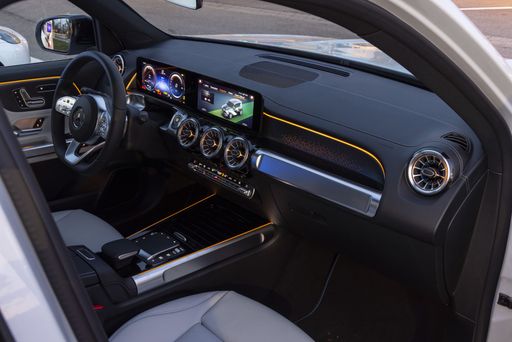
Incorporating state-of-the-art software and user interfaces, each vehicle echoes its brand’s dedication to technological innovation, delivering a seamless blend of performance and user-centric features.

Tang

Conclusion

Choosing between the BYD Tang and the Mercedes EQB ultimately hinges on buyer priorities. The Tang is a powerhouse SUV for those who crave performance and family accommodation. Meanwhile, the EQB provides a delicate balance between efficiency, luxury, and functionality for urban dwellers seeking a refined electric driving experience. Regardless of the choice, both SUVs signify the future of electric mobility, promising an enhanced driving experience with minimal environmental impact.

Here’s where it gets real: The technical differences in detail

EQB

Costs and Efficiency:

Price and efficiency are often the first things buyers look at. Here it becomes clear which model has the long-term edge – whether at the pump, the plug, or in purchase price.

Mercedes EQB is clearly cheaper – starting at 45,900 £ , while the BYD Tang costs 64,300 £ . That’s a price difference of around 18,416 £.

In terms of energy consumption, the Mercedes EQB is significantly more efficient: consuming 15.2 kWh/100km compared to 24 kWh/100km for the BYD Tang. That’s a difference of about 8.8 kWh/100km.

As for electric range, the Mercedes EQB offers barely more range – reaching up to 535 km, about 5 km more than the BYD Tang.

Tang

Engine and Performance:

Under the bonnet, it becomes clear which model is tuned for sportiness and which one takes the lead when you hit the accelerator.

When it comes to engine power, the BYD Tang offers significantly more power – delivering 517 HP compared to 292 HP. That’s roughly 225 HP more horsepower.

When accelerating from 0 to 100 km/h, the BYD Tang is clearly quicker – completing the sprint in 4.9 s, while the Mercedes EQB takes 6.2 s. That’s about 1.3 s quicker.

There’s also a difference in torque: the BYD Tang delivers visibly more torque with 680 Nm compared to 520 Nm. That’s about 160 Nm more.

EQB

Space and Everyday Use:

Whether family car or daily driver – which one offers more room, flexibility and comfort?

Seats: BYD Tang offers more seats – 7 vs 5.

In terms of curb weight, Mercedes EQB is noticeably lighter – 2,105 kg compared to 2,630 kg. The difference is around 525 kg.

Looking at boot space, the Mercedes EQB offers considerably more boot space – 495 L compared to 235 L. That’s a difference of about 260 L.

When it comes to payload, the BYD Tang carries clearly more – 575 kg compared to 435 kg. That’s a difference of about 140 kg.

Who wins the race in the data check?

The BYD Tang holds a slight edge in the objective data comparison.
This result only shows which model scores more points on paper – not which of the two cars feels right for you.

£64,285
Tang

BYD Tang

  • Engine Type : Electric
  • Transmission : Automatic
  • Drive Type : All-Wheel Drive
  • Power HP : 517 HP
  • Consumption kWh/100km : 24 kWh/100km
  • Electric Range : 530 km
Mercedes EQB
BYD Tang

Costs and Consumption

View detailed analysis

Engine and Performance

View detailed analysis

Dimensions and Body

View detailed analysis

Mercedes EQB

The Mercedes EQB is an electric compact SUV that dresses Mercedes' premium feel in practical clothing, with flexible seating and a serene, composed ride that turns everyday errands into a small luxury. It won't thrill the enthusiast, but for buyers who want a smart, spacious and well-made EV with tasteful tech and real-world usability, the EQB is a sensible, slightly buttoned-up choice that impresses without shouting.

details

BYD Tang

The BYD Tang is a bold, tech-loaded SUV that blends striking design with roomy practicality, making it equally at home on the school run and the open road. Packed with clever tech and a powertrain that mixes efficiency with eager performance, it’s a smart, value-focused pick for buyers who want electric-age comfort without the premium-brand fuss.

details
Mercedes EQB
BYD Tang

Costs and Consumption

Price
45,900 - 58,900 £
Price
64,300 £
Consumption L/100km
-
Consumption L/100km
-
Consumption kWh/100km
15.2 - 17.2 kWh/100km
Consumption kWh/100km
24 kWh/100km
Electric Range
468 - 535 km
Electric Range
530 km
Battery Capacity
70.5 kWh
Battery Capacity
-
co2
0 g/km
co2
0 g/km
Fuel tank capacity
-
Fuel tank capacity
-

Dimensions and Body

Body Type
SUV
Body Type
SUV
Seats
5
Seats
7
Doors
5
Doors
-
Curb weight
2,105 - 2,170 kg
Curb weight
2,630 kg
Trunk capacity
495 L
Trunk capacity
235 L
Length
4,684 mm
Length
-
Width
1,834 mm
Width
1,955 mm
Height
1,654 - 1,689 mm
Height
-
Max trunk capacity
1,710 L
Max trunk capacity
-
Payload
435 kg
Payload
575 kg

Engine and Performance

Engine Type
Electric
Engine Type
Electric
Transmission
Automatic
Transmission
Automatic
Transmission Detail
Reduction Gearbox
Transmission Detail
Reduction Gearbox
Drive Type
Front-Wheel Drive, All-Wheel Drive
Drive Type
All-Wheel Drive
Power HP
190 - 292 HP
Power HP
517 HP
Acceleration 0-100km/h
6.2 - 8.9 s
Acceleration 0-100km/h
4.9 s
Max Speed
160 km/h
Max Speed
-
Torque
385 - 520 Nm
Torque
680 Nm
Number of Cylinders
-
Number of Cylinders
-
Power kW
140 - 215 kW
Power kW
380 kW
Engine capacity
-
Engine capacity
-

General

Model Year
2,024 - 2,025
Model Year
2024
CO2 Efficiency Class
A
CO2 Efficiency Class
A
Brand
Mercedes-Benz
Brand
BYD
DriveDuel uses data analysis and artificial intelligence to evaluate vehicle data and create content. Content is regularly reviewed and improved. The displayed prices are estimates based on German list prices, adjusted to the respective country’s VAT. Country-specific registration taxes are not included. This information is not legally binding.