
 Deutschland
 France
 Nederland
 Great Britain
 Sverige
 Danmark
 Suomi
Suomi Italia
 Polska
 Česko
Česko España
VS
Mercedes EQS SUV vs smart #1 comparison
Compare performance (658 HP vs 368 HP), boot space and price (95,000 £ vs 40,700 £ ) at a glance. Find out which car is the better choice for you – Mercedes EQS SUV or smart #1?
Mercedes EQS SUV vs smart #1: Key differences
EQS SUV
Costs and Efficiency:
When it comes to price and running costs, the biggest differences usually appear. This is often where you see which car fits your budget better in the long run.
smart #1 is clearly cheaper – starting at 40,700 £ , while the Mercedes EQS SUV costs 95,000 £ . That’s a price difference of around 54,267 £.
In terms of energy consumption, the smart #1 is barely more efficient: consuming 18.2 kWh/100km compared to 19.6 kWh/100km for the Mercedes EQS SUV. That’s a difference of about 1.4 kWh/100km.
As for electric range, the Mercedes EQS SUV offers substantially more range – reaching up to 695 km, about 295 km more than the smart #1.
#1
Engine and Performance:
Power, torque and acceleration say a lot about how a car feels on the road. This is where you see which model delivers more driving dynamics.
When it comes to engine power, the Mercedes EQS SUV offers significantly more power – delivering 658 HP compared to 368 HP. That’s roughly 290 HP more horsepower.
When accelerating from 0 to 100 km/h, the Mercedes EQS SUV is moderately quicker – completing the sprint in 4.4 s, while the smart #1 takes 4.9 s. That’s about 0.5 s quicker.
There’s also a difference in torque: the Mercedes EQS SUV delivers substantially more torque with 950 Nm compared to 470 Nm. That’s about 480 Nm more.
EQS SUV
Space and Everyday Use:
Cabin size, boot volume and payload all play a role in everyday practicality. Here, comfort and flexibility make the difference.
Both vehicles offer seating for 5 people.
In terms of curb weight, smart #1 is considerably lighter – 1,900 kg compared to 2,695 kg. The difference is around 795 kg.
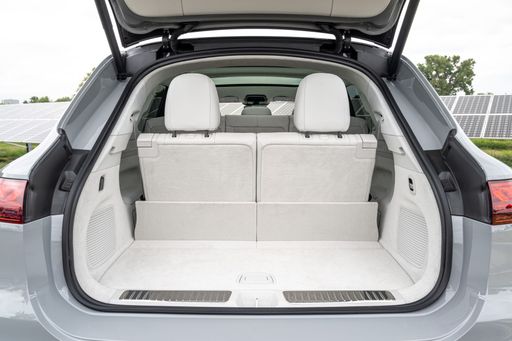
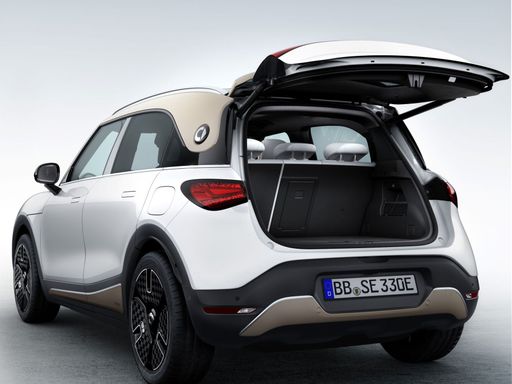
Looking at boot space, the Mercedes EQS SUV offers significantly more boot space – 645 L compared to 313 L. That’s a difference of about 332 L.
When it comes to payload, the Mercedes EQS SUV carries clearly more – 570 kg compared to 425 kg. That’s a difference of about 145 kg.
Who wins the race in the data check?
The Mercedes EQS SUV holds a decisive overall lead in the objective data comparison.
This result only shows which model scores more points on paper – not which of the two cars feels right for you.
from £95,000
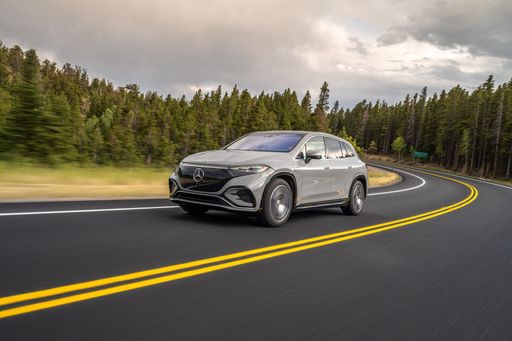
Mercedes EQS SUV
Mercedes EQS SUV
smart #1
Costs and Consumption
View detailed analysis
View detailed analysis
Engine and Performance
View detailed analysis
View detailed analysis
Dimensions and Body
View detailed analysis
View detailed analysis
Mercedes EQS SUV
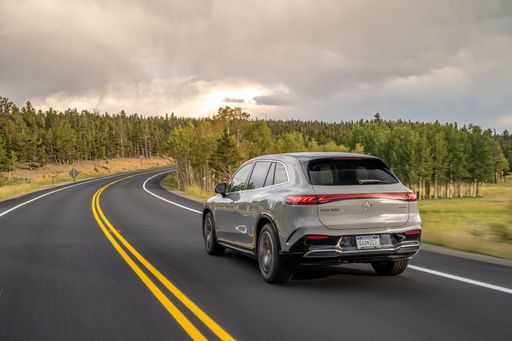
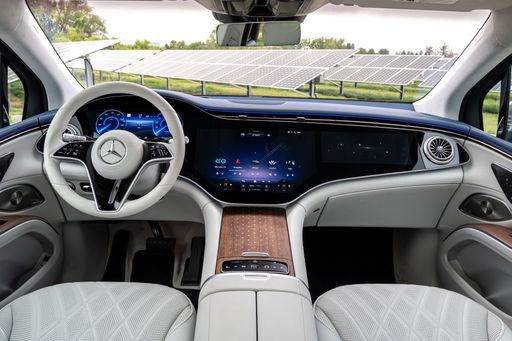
The Mercedes EQS SUV blends limousine-level quiet and luxury with the commanding presence of an SUV, wrapping passengers in sumptuous materials and a futuristic, screen-dominated cabin. It drives with serene confidence and delivers the kind of effortless refinement that makes city commutes and long trips feel like first-class experiences — just be prepared for attention wherever you park it.
details
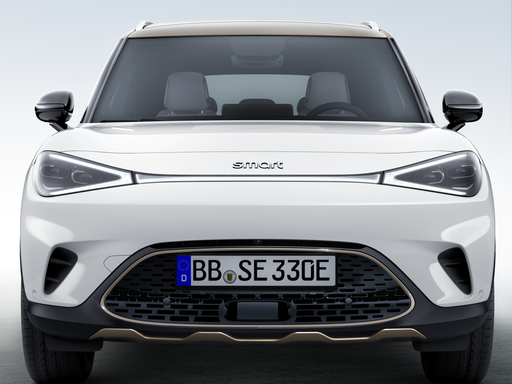
smart #1
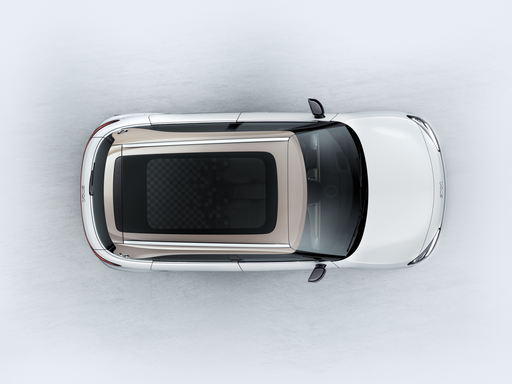
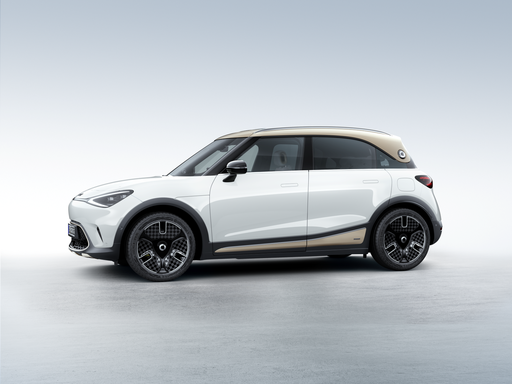
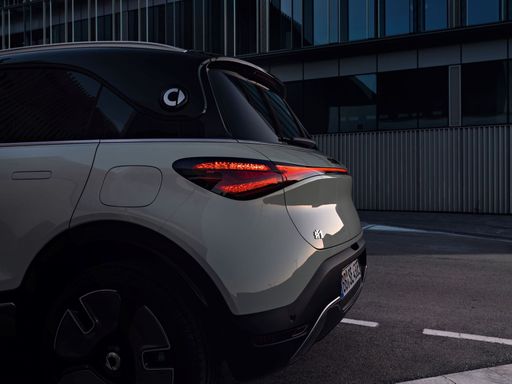
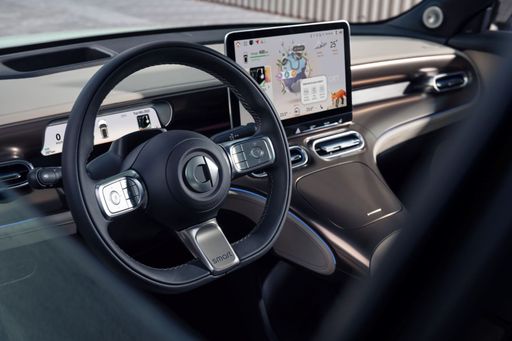
The Smart #1 feels like a breath of fresh air in the compact EV world, pairing playful styling with usable space and a cabin that punches above its size. It skips the fuss and delivers an easygoing, city-friendly driving experience with clever features that make it a sensible, slightly cheeky choice for everyday motoring.
details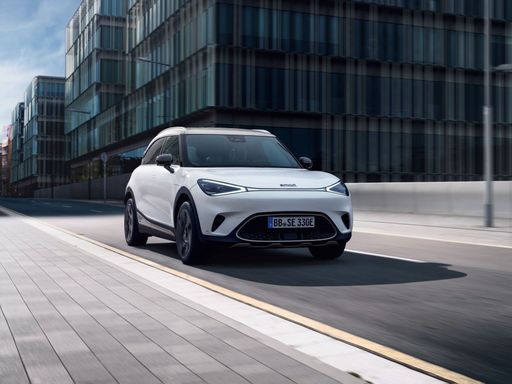
Mercedes EQS SUV
smart #1
Costs and Consumption |
|
|---|---|
|
Price
95,000 - 212,100 £
|
Price
40,700 £
|
|
Consumption L/100km
-
|
Consumption L/100km
-
|
|
Consumption kWh/100km
19.6 - 21.9 kWh/100km
|
Consumption kWh/100km
18.2 kWh/100km
|
|
Electric Range
615 - 695 km
|
Electric Range
400 km
|
|
Battery Capacity
108.4 - 118 kWh
|
Battery Capacity
-
|
|
co2
0 g/km
|
co2
0 g/km
|
|
Fuel tank capacity
-
|
Fuel tank capacity
-
|
Dimensions and Body |
|
|---|---|
|
Body Type
SUV
|
Body Type
SUV
|
|
Seats
4 - 5
|
Seats
5
|
|
Doors
5
|
Doors
-
|
|
Curb weight
2,695 - 3,075 kg
|
Curb weight
1,900 kg
|
|
Trunk capacity
440 - 645 L
|
Trunk capacity
313 L
|
|
Length
5,125 mm
|
Length
-
|
|
Width
1,959 - 2,034 mm
|
Width
1,822 mm
|
|
Height
1,718 - 1,721 mm
|
Height
-
|
|
Max trunk capacity
2,100 L
|
Max trunk capacity
-
|
|
Payload
425 - 570 kg
|
Payload
425 kg
|
Engine and Performance |
|
|---|---|
|
Engine Type
Electric
|
Engine Type
Electric
|
|
Transmission
Automatic
|
Transmission
Automatic
|
|
Transmission Detail
Reduction Gearbox
|
Transmission Detail
Reduction Gearbox
|
|
Drive Type
All-Wheel Drive, Rear-Wheel Drive
|
Drive Type
All-Wheel Drive
|
|
Power HP
360 - 658 HP
|
Power HP
368 HP
|
|
Acceleration 0-100km/h
4.4 - 6.8 s
|
Acceleration 0-100km/h
4.9 s
|
|
Max Speed
210 km/h
|
Max Speed
-
|
|
Torque
568 - 950 Nm
|
Torque
470 Nm
|
|
Number of Cylinders
-
|
Number of Cylinders
-
|
|
Power kW
265 - 484 kW
|
Power kW
271 kW
|
|
Engine capacity
-
|
Engine capacity
-
|
General |
|
|---|---|
|
Model Year
2024
|
Model Year
2024
|
|
CO2 Efficiency Class
A
|
CO2 Efficiency Class
A
|
|
Brand
Mercedes-Benz
|
Brand
smart
|
DriveDuel uses data analysis and artificial intelligence to evaluate vehicle data and create content. Content is regularly reviewed and improved.
The displayed prices are estimates based on German list prices, adjusted to the respective country’s VAT. Country-specific registration taxes are not included. This information is not legally binding.