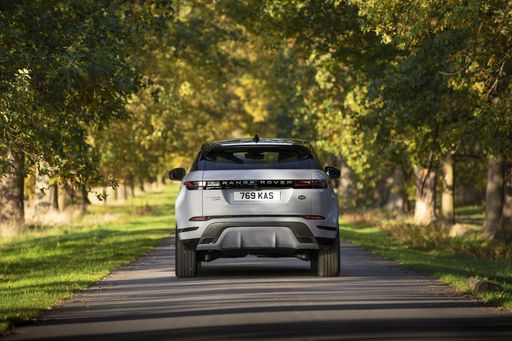
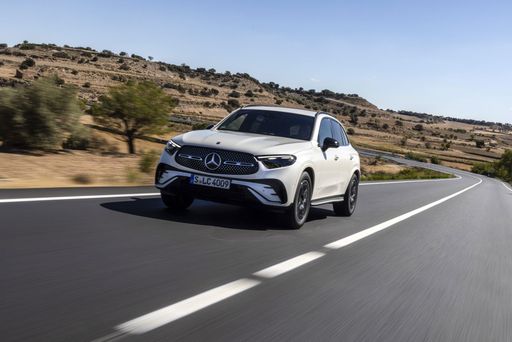
VS

Mercedes GLC vs Land Rover Range Rover Evoque comparison

Compare performance (472 HP vs 269 HP), boot space and price (50,300 £ vs 43,300 £ ) at a glance. Find out which car is the better choice for you – Mercedes GLC or Land Rover Range Rover Evoque?

Mercedes GLC vs Land Rover Range Rover Evoque: Key differences

Mercedes GLC

4.4 (13 Reviews)
rate
  • clearly more power
  • significantly more efficient
  • significantly more electric range
  • significantly quicker 0–100 km/h
  • noticeably more trunk space
details

Land Rover Range Rover Evoque

1.4 (2 Reviews)
rate
  • moderately cheaper
  • moderately lighter
details

All details on performance, efficiency, range and trunk space can be found in the technical comparison below – including user reviews for both models.

By Achim Sedelmaier

GLC

Mercedes GLC VS Land Rover Range Rover Evoque: which compact premium SUV suits you?

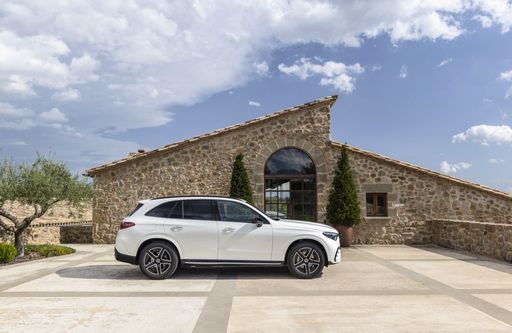
Mercedes GLC VS Land Rover Range Rover Evoque frames a very contemporary choice between two premium compact SUVs that look similar on paper but feel different every day. The Mercedes GLC presents itself as a serene, high‑technology cruiser that favors long stretches of motorway and a roomy ICE boot when you need to haul luggage. The Range Rover Evoque leans into Range‑Rover styling and material quality, offering a boutique, cocoon‑like experience that flatters its occupants and reads as more fashion‑forward in the city. The decision comes down less to headline specs and more to whether you prioritise serene long‑distance usability and cargo space (GLC) or urban elegance, perceived luxury and a compact footprint (Evoque).
Range Rover Evoque

Driving character and real‑world behavior

The Mercedes GLC feels designed to hush and smooth: it soaks up motorway miles with minimal fuss and rewards motorway runs with a composed, planted demeanor, especially if you opt for the adaptive suspension package. The Range Rover Evoque trades some of that ultra‑sedate Mercedes calm for a slightly firmer but still compliant ride that emphasizes premium cushioning and a distinctive Range‑Rover poise, plus genuine off‑road aids if you plan to stray from tarmac. Both cars avoid sporty thrills — neither is the pick for an enthusiast seeking razor‑sharp steering — but the GLC leans toward composed, understated confidence while the Evoque sells a cossetting, luxurious feel and a touch more capability off the beaten track. Choose the GLC for silent, motorway cruising; pick the Evoque if you want a more characterful, design‑driven ride with occasional rough‑road insurance.

GLC

Comfort, long‑distance usability and practicality

If your days are filled with long journeys and luggage, the Mercedes GLC edges ahead thanks to a more utilitarian boot in conventional petrol/diesel models and optional air suspension that eases long‑haul comfort and loading. The Range Rover Evoque pampers occupants with squashy front seats and an interior that feels more premium to the touch, but its rear headroom and cargo practicality are noticeably tighter, which matters on family trips and when you’re loading bulky items. Both brands offer electrified versions that change the cargo equation — you should expect compromises to luggage height and underfloor storage when choosing a plug‑in variant, though the impact is felt differently between the two. In short: families and frequent travellers will appreciate the GLC’s practicality, while buyers who value front‑row comfort and cabin luxury may forgive the Evoque’s smaller footprint.

Range Rover Evoque

City friendliness, visibility and everyday usability

In tight urban environments the Range Rover Evoque wins on sheer maneuverability and presence: compact dimensions, helpful cameras and a lofty driving position make parking and short hops easier and more confident. The Mercedes GLC can feel broader and more “car‑like” around town unless you add options such as rear‑axle steering, which noticeably reduces the turning circle and eases parking. Visibility to the rear is imperfect in both models because of steep rooflines and thick pillars, so built‑in camera systems are practically mandatory; the Evoque’s ClearSight and camera packages feel tailored to city buyers who will rely on tech for everyday visibility. If your life is mostly urban, the Evoque suits that rhythm better; if you juggle suburban garages and motorway commutes, the GLC’s optional steering aids and stable road manners will repay you.

GLC

Cabin feel, infotainment and perceived quality

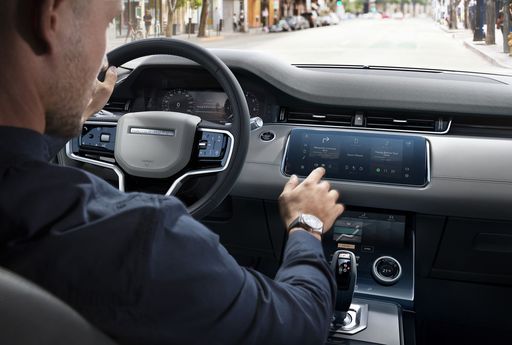
The Range Rover Evoque trades compact practicality for a cabin that delivers a stronger “luxury” first impression: materials, trim and the tidy design language convey Range‑Rover character in a way the Evoque’s rivals envy. The Mercedes GLC answers with a high‑tech interior centred on a mature voice assistant and slick displays that feel cutting‑edge, but the increasing shift of core controls into touchscreens can be fiddly in both cars. Haptically, the Evoque often feels a touch more crafted, while the GLC markets a high‑grade ambience mixed with Mercedes’ digital focus — so you get high‑end looks from Evoque and high‑tech convenience from GLC. Buyers who value tactile luxury will prefer the Evoque’s surfaces; those who want intuitive digital assistants and an advanced tech suite will find the GLC more compelling.

Range Rover Evoque

Buyer fit and how to decide before the technical deep‑dive

If your priorities are motorway silence, straightforward luggage capacity in non‑electrified versions and a tech‑forward cabin for long distances, the Mercedes GLC is the more natural choice for everyday practicality. If you prize stylish identity, a premium tactile interior, easier urban handling and the prestige of a Range‑Rover badge — and can live with tighter rear seats and a smaller boot — the Range Rover Evoque will fit your life better. Both cars offer electrified options that change running costs and trunk usability, so your access to charging and the way you use the car should shape the decision. The technical comparison that follows will unpack differences in power delivery, efficiency, electric range and cargo details so you can match those mechanical realities to the buyer profiles above.

Here’s where it gets real: The technical differences in detail

GLC

Costs and Efficiency:

Price and efficiency are often the first things buyers look at. Here it becomes clear which model has the long-term edge – whether at the pump, the plug, or in purchase price.

Land Rover Range Rover Evoque is moderately cheaper – starting at 43,300 £ , while the Mercedes GLC costs 50,300 £ . That’s a price difference of around 7,042 £.

Fuel consumption also shows a difference: the Mercedes GLC uses 1.6 L/100km and is significantly more efficient than the Land Rover Range Rover Evoque with 3.7 L/100km. The difference is about 2.1 L/100km.

As for electric range, the Mercedes GLC offers significantly more range – reaching up to 128 km, about 61 km more than the Land Rover Range Rover Evoque.

Range Rover Evoque

Engine and Performance:

Power, torque and acceleration are the classic benchmarks for car enthusiasts – and here, some clear differences start to show.

When it comes to engine power, the Mercedes GLC offers clearly more power – delivering 472 HP compared to 269 HP. That’s roughly 203 HP more horsepower.

When accelerating from 0 to 100 km/h, the Mercedes GLC is significantly quicker – completing the sprint in 4.2 s, while the Land Rover Range Rover Evoque takes 7.2 s. That’s about 3 s quicker.

There’s also a difference in torque: the Mercedes GLC delivers visibly more torque with 750 Nm compared to 540 Nm. That’s about 210 Nm more.

GLC

Space and Everyday Use:

Beyond pure performance, interior space and usability matter most in daily life. This is where you see which car is more practical and versatile.

Both vehicles offer seating for 5 people.

In terms of curb weight, Land Rover Range Rover Evoque is moderately lighter – 1,792 kg compared to 1,985 kg. The difference is around 193 kg.

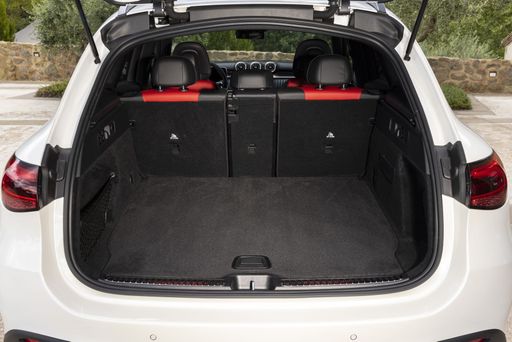
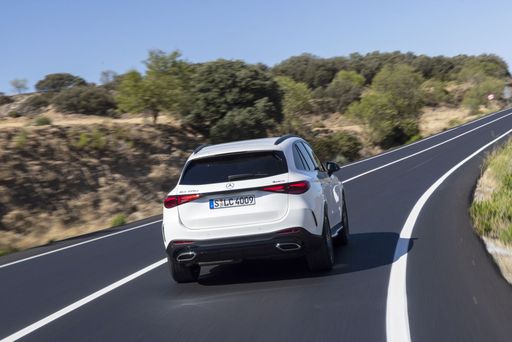
Looking at boot space, the Mercedes GLC offers noticeably more boot space – 620 L compared to 472 L. That’s a difference of about 148 L.

When it comes to payload, the Land Rover Range Rover Evoque carries barely more – 600 kg compared to 575 kg. That’s a difference of about 25 kg.

Who wins the race in the data check?

The Mercedes GLC is clearly superior overall in the objective data comparison.
This result only shows which model scores more points on paper – not which of the two cars feels right for you.

from £50,300
GLC

Mercedes GLC

  • Engine Type Diesel MHEV, Plugin Hybrid, Petrol MHEV
  • Transmission Automatic
  • Drive Type All-Wheel Drive
  • Power HP 186 - 472 HP
  • Consumption L/100km 1.6 - 9.4 L/100km
  • Electric Range 122 - 128 km
Mercedes GLC
Land Rover Range Rover Evoque

Costs and Consumption

View detailed analysis

Engine and Performance

View detailed analysis

Dimensions and Body

View detailed analysis

Mercedes GLC

The Mercedes GLC blends quiet refinement with premium materials to create a comfortable, modern cabin that feels more upscale than its size might suggest. It delivers composed handling and confident on-road manners while offering practical versatility and a strong suite of driver assistance and infotainment features.

details

Land Rover Range Rover Evoque

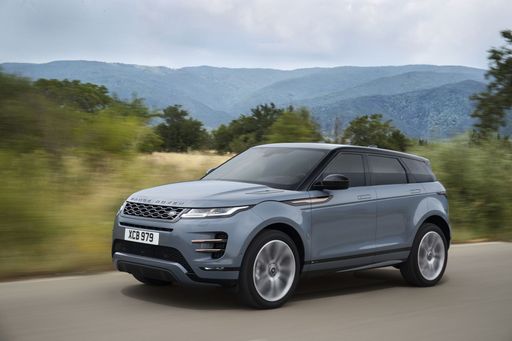
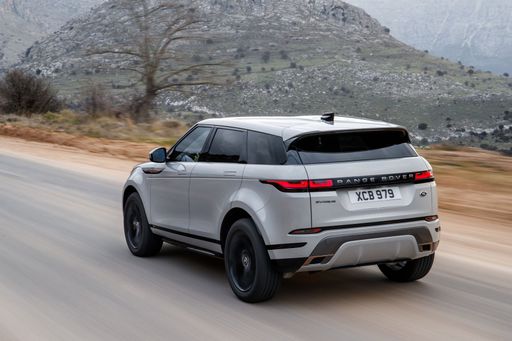
The Range Rover Evoque turns heads with a compact, sculpted silhouette and an interior that feels more boutique hotel than utility vehicle. It delivers composed, playful handling around town while keeping enough ruggedness for weekend escapes — perfect for buyers who want luxury without the ostentation.

details
Mercedes GLC
Land Rover Range Rover Evoque

Costs and Consumption

Price
50,300 - 82,100 £
Price
43,300 - 64,800 £
Consumption L/100km
1.6 - 9.4 L/100km
Consumption L/100km
3.7 - 7.8 L/100km
Consumption kWh/100km
-
Consumption kWh/100km
-
Electric Range
122 - 128 km
Electric Range
67 km
Battery Capacity
-
Battery Capacity
-
co2
41 - 214 g/km
co2
85 - 177 g/km
Fuel tank capacity
-
Fuel tank capacity
-

Dimensions and Body

Body Type
SUV
Body Type
SUV
Seats
5
Seats
5
Doors
-
Doors
-
Curb weight
1,985 - 2,400 kg
Curb weight
1,792 - 2,157 kg
Trunk capacity
390 - 620 L
Trunk capacity
472 L
Length
-
Length
-
Width
1,890 - 1,920 mm
Width
1,900 mm
Height
-
Height
-
Max trunk capacity
-
Max trunk capacity
-
Payload
475 - 575 kg
Payload
503 - 600 kg

Engine and Performance

Engine Type
Diesel MHEV, Plugin Hybrid, Petrol MHEV
Engine Type
Petrol MHEV, Diesel MHEV, Plugin Hybrid
Transmission
Automatic
Transmission
Automatic
Transmission Detail
Automatic Gearbox
Transmission Detail
Automatic Gearbox
Drive Type
All-Wheel Drive
Drive Type
Front-Wheel Drive, All-Wheel Drive
Power HP
186 - 472 HP
Power HP
160 - 269 HP
Acceleration 0-100km/h
4.2 - 9 s
Acceleration 0-100km/h
7.2 - 10.3 s
Max Speed
-
Max Speed
-
Torque
380 - 750 Nm
Torque
260 - 540 Nm
Number of Cylinders
4 - 6
Number of Cylinders
3 - 4
Power kW
137 - 347 kW
Power kW
118 - 198 kW
Engine capacity
1,993 - 2,999 cm3
Engine capacity
1,498 - 1,998 cm3

General

Model Year
2,025 - 2,026
Model Year
2,025 - 2,026
CO2 Efficiency Class
D, B, E, F, G
CO2 Efficiency Class
G, F, B
Brand
Mercedes-Benz
Brand
Land Rover
DriveDuel uses data analysis and artificial intelligence to evaluate vehicle data and create content. Content is regularly reviewed and improved. The displayed prices are estimates based on German list prices, adjusted to the respective country’s VAT. Country-specific registration taxes are not included. This information is not legally binding.