
 Deutschland
 France
 Nederland
 Great Britain
 Sverige
 Danmark
 Suomi
Suomi Italia
 Polska
 España
VS
Mitsubishi Eclipse Cross vs Land Rover Range Rover Evoque - Differences and prices compared
Compare performance (218 HP vs 269 HP), boot space and price (41100 £ vs 43300 £ ) at a glance. Find out which car is the better choice for you – Mitsubishi Eclipse Cross or Land Rover Range Rover Evoque?
Eclipse Cross
Costs and Efficiency:
When it comes to price and running costs, the biggest differences usually appear. This is often where you see which car fits your budget better in the long run.
Mitsubishi Eclipse Cross has a slight advantage in terms of price – it starts at 41100 £ , while the Land Rover Range Rover Evoque costs 43300 £ . That’s a price difference of around 2151 £.
As for electric range, the Mitsubishi Eclipse Cross performs decisively better – achieving up to 635 km, about 575 km more than the Land Rover Range Rover Evoque.
Range Rover Evoque
Engine and Performance:
Power, torque and acceleration are the classic benchmarks for car enthusiasts – and here, some clear differences start to show.
When it comes to engine power, the Land Rover Range Rover Evoque has a a bit edge – offering 269 HP compared to 218 HP. That’s roughly 51 HP more horsepower.
In acceleration from 0 to 100 km/h, the Land Rover Range Rover Evoque is barely noticeable quicker – completing the sprint in 7.20 s, while the Mitsubishi Eclipse Cross takes 7.90 s. That’s about 0.70 s faster.
In terms of top speed, the Land Rover Range Rover Evoque performs distinct better – reaching 213 km/h, while the Mitsubishi Eclipse Cross tops out at 170 km/h. The difference is around 43 km/h.
There’s also a difference in torque: Land Rover Range Rover Evoque pulls convincingly stronger with 540 Nm compared to 300 Nm. That’s about 240 Nm difference.
Eclipse Cross
Space and Everyday Use:
Cabin size, boot volume and payload all play a role in everyday practicality. Here, comfort and flexibility make the difference.
Both vehicles offer seating for 5 people.
In terms of boot space, the Mitsubishi Eclipse Cross offers hardly perceptible more room – 487 L compared to 472 L. That’s a difference of about 15 L.
In maximum load capacity, the Mitsubishi Eclipse Cross performs evident better – up to 1670 L, which is about 514 L more than the Land Rover Range Rover Evoque.
Who wins the race in the data check?
The Mitsubishi Eclipse Cross is clearly superior overall in the objective data comparison.
This result only shows which model scores more points on paper – not which of the two cars feels right for you.
Mitsubishi Eclipse Cross
Land Rover Range Rover Evoque
Costs and Consumption
View detailed analysis
View detailed analysis
Engine and Performance
View detailed analysis
View detailed analysis
Dimensions and Body
View detailed analysis
View detailed analysis
from about £41,100
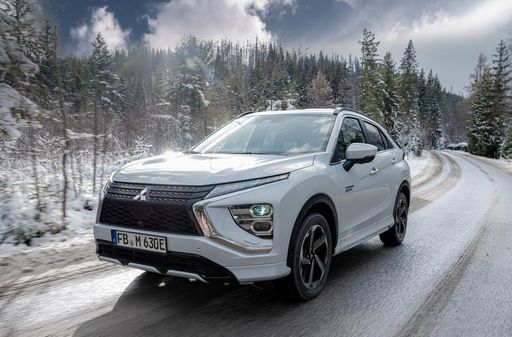
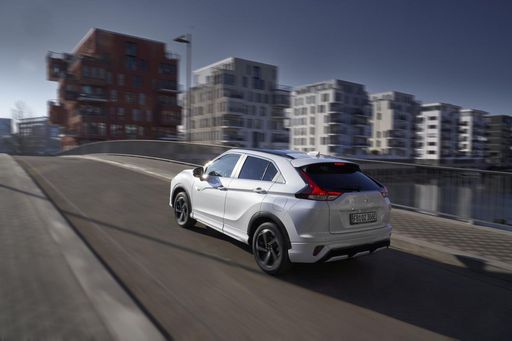
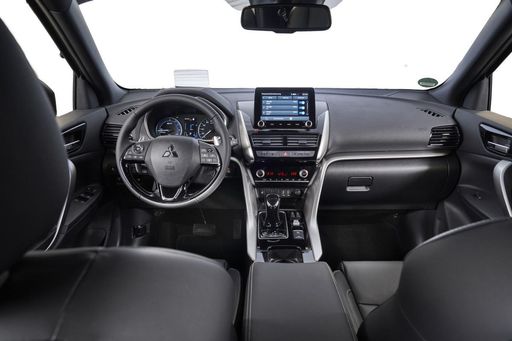
Mitsubishi Eclipse Cross
Mitsubishi Eclipse Cross
4.9 (1 Reviews)
Mitsubishi Eclipse Cross combines coupe-like looks with crossover practicality, so you get style without the showroom attitude. It’s an affable daily driver that hides a few quirks behind a confident grin, making it an easy pick for buyers who want personality without fuss.
details
Land Rover Range Rover Evoque
1 (1 Reviews)
The Range Rover Evoque turns heads with a compact, sculpted silhouette and an interior that feels more boutique hotel than utility vehicle. It delivers composed, playful handling around town while keeping enough ruggedness for weekend escapes — perfect for buyers who want luxury without the ostentation.
details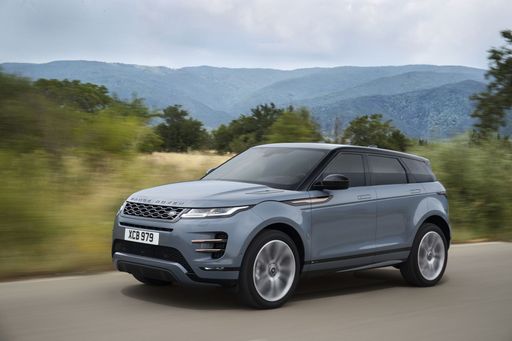
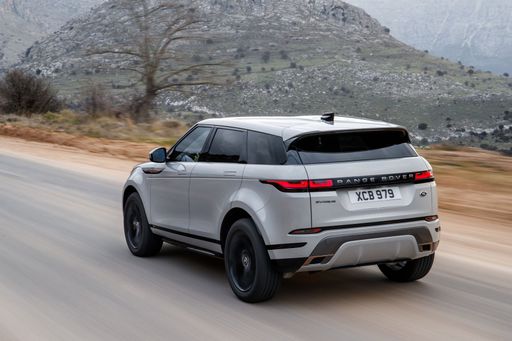
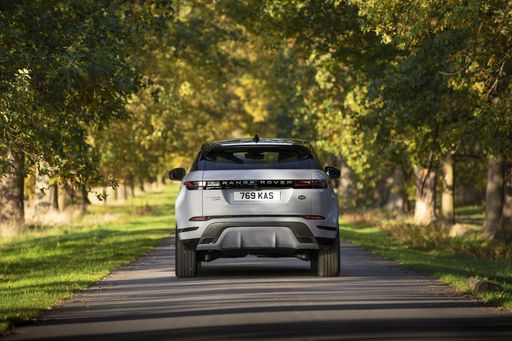
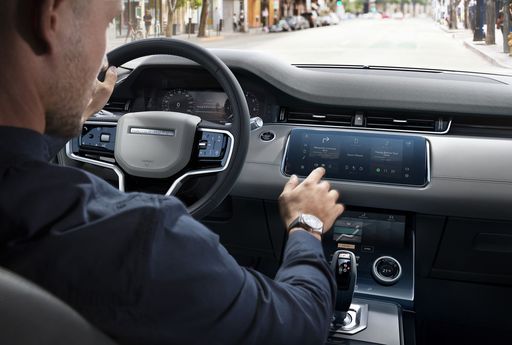
Mitsubishi Eclipse Cross
Land Rover Range Rover Evoque
Costs and Consumption |
|
|---|---|
|
Price
41100 - 48200 £
|
Price
43300 - 64800 £
|
|
Consumption L/100km
-
|
Consumption L/100km
3.7 - 7.8 L
|
|
Consumption kWh/100km
16.7 - 16.9 kWh
|
Consumption kWh/100km
-
|
|
Electric Range
635 km
|
Electric Range
60 km
|
|
Battery Capacity
-
|
Battery Capacity
11.50 kWh
|
|
co2
0 g/km
|
co2
85 - 177 g/km
|
|
Fuel tank capacity
-
|
Fuel tank capacity
57 - 67 L
|
Dimensions and Body |
|
|---|---|
|
Body Type
SUV
|
Body Type
SUV
|
|
Seats
5
|
Seats
5
|
|
Doors
5
|
Doors
5
|
|
Curb weight
-
|
Curb weight
1792 - 2157 kg
|
|
Trunk capacity
487 L
|
Trunk capacity
472 L
|
|
Length
4489 mm
|
Length
4371 mm
|
|
Width
1908 mm
|
Width
1900 mm
|
|
Height
1571 mm
|
Height
1649 mm
|
|
Max trunk capacity
1670 L
|
Max trunk capacity
1156 L
|
|
Payload
-
|
Payload
503 - 600 kg
|
Engine and Performance |
|
|---|---|
|
Engine Type
Electric
|
Engine Type
Petrol MHEV, Diesel MHEV, Plugin Hybrid
|
|
Transmission
Automatic
|
Transmission
Manuel, Automatic
|
|
Transmission Detail
Reduction Gearbox
|
Transmission Detail
Manual Gearbox, Automatic Gearbox
|
|
Drive Type
Front-Wheel Drive
|
Drive Type
Front-Wheel Drive, All-Wheel Drive
|
|
Power HP
218 HP
|
Power HP
160 - 269 HP
|
|
Acceleration 0-100km/h
7.90 s
|
Acceleration 0-100km/h
7.2 - 10.3 s
|
|
Max Speed
170 km/h
|
Max Speed
190 - 213 km/h
|
|
Torque
300 Nm
|
Torque
260 - 540 Nm
|
|
Number of Cylinders
-
|
Number of Cylinders
3 - 4
|
|
Power kW
160 kW
|
Power kW
118 - 198 kW
|
|
Engine capacity
-
|
Engine capacity
1498 - 1998 cm3
|
General |
|
|---|---|
|
Model Year
2025
|
Model Year
2025
|
|
CO2 Efficiency Class
A
|
CO2 Efficiency Class
G, F, B
|
|
Brand
Mitsubishi
|
Brand
Land Rover
|
What drive types are available for the Mitsubishi Eclipse Cross?
Available configurations include Front-Wheel Drive.
The prices shown are estimates based on German list prices, adjusted for local VAT. Local registration taxes (e.g. NoVA, BPM or CO2 malus) are not included. This information is not legally binding.