VS

Volvo XC60 vs Land Rover Range Rover Evoque comparison

Compare performance (406 HP vs 269 HP), boot space and price (58,300 £ vs 43,300 £ ) at a glance. Find out which car is the better choice for you – Volvo XC60 or Land Rover Range Rover Evoque?

Volvo XC60 vs Land Rover Range Rover Evoque: Key differences

Volvo XC60

4.7 (7 Reviews)
rate
  • noticeably more power
  • considerably more efficient
  • slightly more electric range
  • clearly quicker 0–100 km/h
details

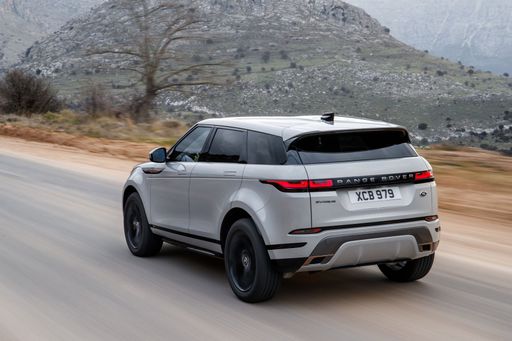
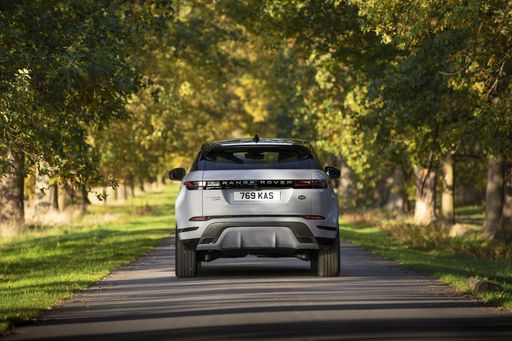
Land Rover Range Rover Evoque

1.4 (2 Reviews)
rate
  • visibly cheaper
  • slightly lighter
details

By Achim Sedelmaier

XC60

The Battle of the Compact Luxury SUVs: Volvo XC60 vs. Range Rover Evoque

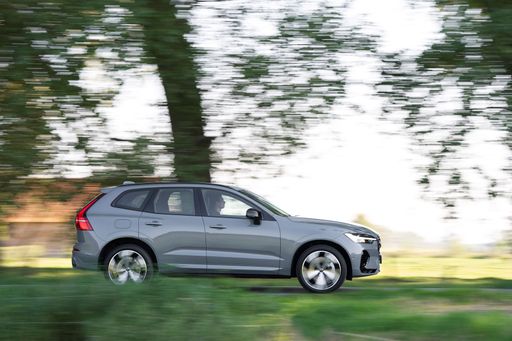
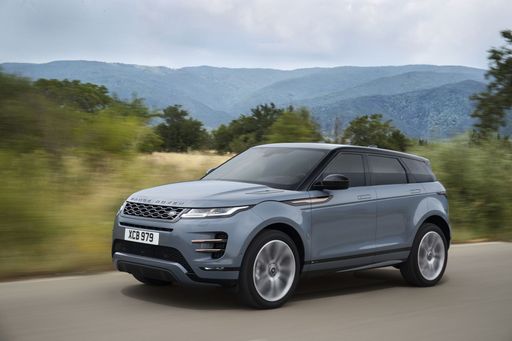
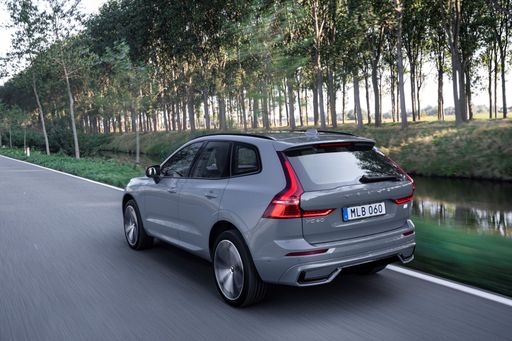
The luxury SUV market has seen an explosion of models vying for attention with a blend of style, performance, and technology. Today, we dive into two quintessential models representing the segment: the newly refreshed Volvo XC60 and the ever-stylish Land Rover Range Rover Evoque. Both vehicles offer a compelling mix of cutting-edge innovations and robust driving dynamics, but how do they stack up against each other?
Range Rover Evoque

Power and Performance: Vigor Meets Versatility

The Volvo XC60 comes in a selection of engine configurations, including Petrol MHEV and Plug-in Hybrid, providing a powerful thrust of up to 455 HP and torque reaching an impressive 709 Nm. The XC60 offers a sporty three-variant acceleration from 0 to 100 km/h ranging from 6.9 seconds to a scintillating 4.9 seconds. The all-wheel drive coupled with an automatic gearbox ensures that drivers experience silky-smooth transitions and steadfast traction in all conditions.

On the other hand, the Range Rover Evoque offers an equally eclectic mix of Diesel and Petrol MHEV alongside a Plug-in Hybrid option, boasting power outputs that peak at 269 HP with 540 Nm torque. Though somewhat varied, the Evoque's acceleration from 0 to 100 km/h falls between 10.3 seconds for the more subdued models and 7.2 seconds for the more aggressive setups. The Evoque provides both all-wheel drive and front-wheel drive options, catering to varied driving needs.

XC60

Efficiency and Range: Driving Farther with Less Fuel

Volvo's emphasis on eco-friendliness shines through with their Plug-in Hybrid offering, achieving a remarkable 0.9 L/100km in fuel consumption with an electric range of up to 80 km. A sizable 14.7 kWh battery supports this extended electric range, underscoring Volvo's commitment to sustainable luxury.

Meanwhile, the Evoque doesn't lag far behind, with its plug-in hybrid version consuming just 1.4 L/100km. Its electric range may not be as extensive as the XC60's, reaching 68 km with an 11.5 kWh battery, yet it remains a valiant contender in the quest for lower emissions and higher fuel efficiency.

Range Rover Evoque

Dimensions and Practicality: Space Meets Style

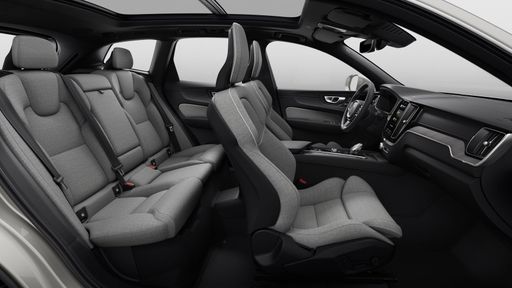
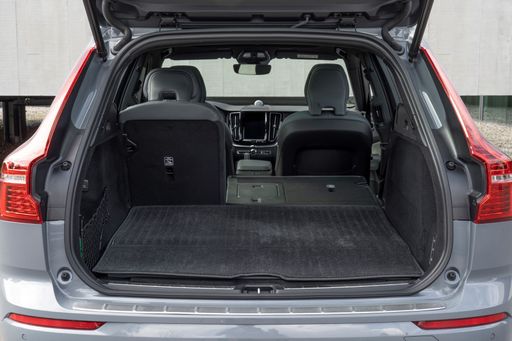
The Volvo XC60 stands at 4688 mm in length, offering an abundance of trunk space with a capacity of up to 483 liters, subtly boasting practicality alongside its sleek design. Its interior space embraces passengers with luxurious and ergonomic seating, ensuring comfort on long drives.

The Range Rover Evoque, slightly shorter at 4371 mm, fiercely competes with its Volvo counterpart, possessing a trunk capacity of 472 liters. Although slightly less spacious, it assures potential buyers with its promise of high-quality materials and a sophisticated, tech-laden cabin.

XC60

Technical Innovations: A Showcase of Modern Engineering

Volvo's XC60 is stuffed to the brim with cutting-edge tech, including advanced autonomous driving aids and an intuitive infotainment system that seamlessly integrates with drivers’ smartphones. Volvo's focus on safety and driver support is seen in its advanced sensor suite, providing peace of mind for passengers and drivers alike.

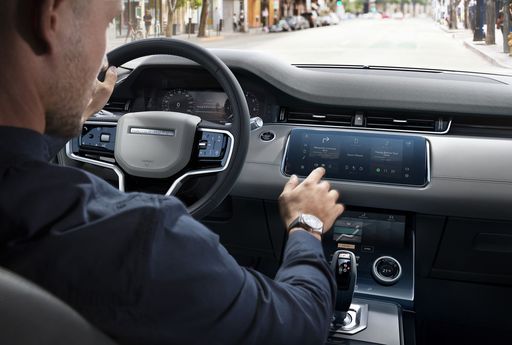
The Range Rover Evoque dazzles with its own suite of technological marvels, from premium connectivity solutions to innovative all-terrain driving systems that safely tackle various geographies. Known for its capability, the Evoque ensures that technology serves both function and luxury.

Range Rover Evoque

Conclusion: Choosing Your Champion

Choosing between the Volvo XC60 and Range Rover Evoque ultimately depends on what you value most. The XC60, with its bold emphasis on efficiency and a sleek modern interior, appeals particularly to those who prioritize eco-conscious performance and cutting-edge tech. The Evoque, with its head-turning design and unmatched off-road capabilities, may find favor with those who value versatility and style.

Both SUVs represent the pinnacle of luxury and performance in their own right, leaving discerning buyers spoilt for choice.

Here’s where it gets real: The technical differences in detail

XC60

Costs and Efficiency:

Looking at overall running costs, both models reveal some interesting differences in everyday economy.

Land Rover Range Rover Evoque is visibly cheaper – starting at 43,300 £ , while the Volvo XC60 costs 58,300 £ . That’s a price difference of around 14,992 £.

Fuel consumption also shows a difference: the Volvo XC60 uses 1.6 L/100km and is considerably more efficient than the Land Rover Range Rover Evoque with 3.7 L/100km. The difference is about 2.1 L/100km.

As for electric range, the Volvo XC60 offers slightly more range – reaching up to 79 km, about 12 km more than the Land Rover Range Rover Evoque.

Range Rover Evoque

Engine and Performance:

Under the bonnet, it becomes clear which model is tuned for sportiness and which one takes the lead when you hit the accelerator.

When it comes to engine power, the Volvo XC60 offers noticeably more power – delivering 406 HP compared to 269 HP. That’s roughly 137 HP more horsepower.

When accelerating from 0 to 100 km/h, the Volvo XC60 is clearly quicker – completing the sprint in 4.9 s, while the Land Rover Range Rover Evoque takes 7.2 s. That’s about 2.3 s quicker.

There’s also a difference in torque: the Volvo XC60 delivers moderately more torque with 669 Nm compared to 540 Nm. That’s about 129 Nm more.

XC60

Space and Everyday Use:

Beyond pure performance, interior space and usability matter most in daily life. This is where you see which car is more practical and versatile.

Both vehicles offer seating for 5 people.

In terms of curb weight, Land Rover Range Rover Evoque is slightly lighter – 1,792 kg compared to 2,150 kg. The difference is around 358 kg.

When it comes to payload, the Land Rover Range Rover Evoque carries slightly more – 600 kg compared to 510 kg. That’s a difference of about 90 kg.

Who wins the race in the data check?

The Volvo XC60 stands well ahead of its rival in the objective data comparison.
This result only shows which model scores more points on paper – not which of the two cars feels right for you.

from £58,300
XC60

Volvo XC60

  • Engine Type : Plugin Hybrid
  • Transmission : Automatic
  • Drive Type : All-Wheel Drive
  • Power HP : 335 - 406 HP
  • Consumption L/100km : 1.6 L/100km
  • Electric Range : 79 km
Volvo XC60
Land Rover Range Rover Evoque

Costs and Consumption

View detailed analysis

Engine and Performance

View detailed analysis

Dimensions and Body

View detailed analysis

Volvo XC60

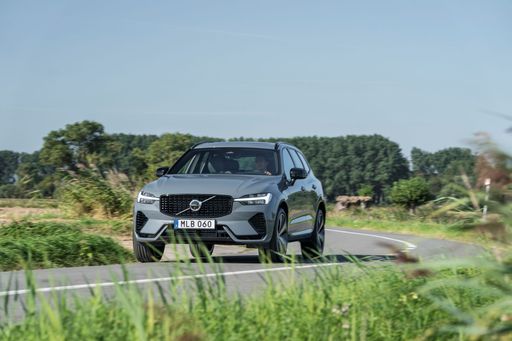
The Volvo XC60 blends Scandinavian calm with confident presence, offering a cabin that feels plush without shouting for attention. It’s a smart pick for buyers after a composed ride, clever practicality and thoughtful safety touches — it even makes running the family shuttle feel almost serene, which is a small miracle.

details

Land Rover Range Rover Evoque

The Range Rover Evoque turns heads with a compact, sculpted silhouette and an interior that feels more boutique hotel than utility vehicle. It delivers composed, playful handling around town while keeping enough ruggedness for weekend escapes — perfect for buyers who want luxury without the ostentation.

details
Volvo XC60
Land Rover Range Rover Evoque

Costs and Consumption

Price
58,300 - 71,400 £
Price
43,300 - 64,800 £
Consumption L/100km
1.6 L/100km
Consumption L/100km
3.7 - 7.8 L/100km
Consumption kWh/100km
-
Consumption kWh/100km
-
Electric Range
79 km
Electric Range
60 - 67 km
Battery Capacity
-
Battery Capacity
-
co2
59 g/km
co2
85 - 177 g/km
Fuel tank capacity
-
Fuel tank capacity
-

Dimensions and Body

Body Type
SUV
Body Type
SUV
Seats
5
Seats
5
Doors
-
Doors
-
Curb weight
2,150 kg
Curb weight
1,792 - 2,157 kg
Trunk capacity
-
Trunk capacity
472 L
Length
-
Length
-
Width
1,902 mm
Width
1,900 mm
Height
-
Height
-
Max trunk capacity
-
Max trunk capacity
-
Payload
510 kg
Payload
503 - 600 kg

Engine and Performance

Engine Type
Plugin Hybrid
Engine Type
Petrol MHEV, Diesel MHEV, Plugin Hybrid
Transmission
Automatic
Transmission
Manuel, Automatic
Transmission Detail
Automatic Gearbox
Transmission Detail
Manual Gearbox, Automatic Gearbox
Drive Type
All-Wheel Drive
Drive Type
Front-Wheel Drive, All-Wheel Drive
Power HP
335 - 406 HP
Power HP
160 - 269 HP
Acceleration 0-100km/h
4.9 - 5.7 s
Acceleration 0-100km/h
7.2 - 10.3 s
Max Speed
-
Max Speed
-
Torque
589 - 669 Nm
Torque
260 - 540 Nm
Number of Cylinders
4
Number of Cylinders
3 - 4
Power kW
247 - 299 kW
Power kW
118 - 198 kW
Engine capacity
1,969 cm3
Engine capacity
1,498 - 1,998 cm3

General

Model Year
2026
Model Year
2,025 - 2,026
CO2 Efficiency Class
B
CO2 Efficiency Class
G, F, B
Brand
Volvo
Brand
Land Rover
DriveDuel uses data analysis and artificial intelligence to evaluate vehicle data and create content. Content is regularly reviewed and improved. The displayed prices are estimates based on German list prices, adjusted to the respective country’s VAT. Country-specific registration taxes are not included. This information is not legally binding.