VS

Mitsubishi Outlander vs Subaru Forester comparison

Compare performance (306 HP vs 136 HP), boot space and price (42,800 £ vs 34,700 £ ) at a glance. Find out which car is the better choice for you – Mitsubishi Outlander or Subaru Forester?

Mitsubishi Outlander vs Subaru Forester: Key differences

Mitsubishi Outlander

4.8 (4 Reviews)
rate
  • significantly more power
  • significantly more efficient
  • substantially quicker 0–100 km/h
details

Subaru Forester

3.8 (3 Reviews)
rate
  • noticeably cheaper
  • clearly lighter
details

All details on performance, efficiency, range and trunk space can be found in the technical comparison below – including user reviews for both models.

By Achim Sedelmaier

Outlander

A Comprehensive Comparison: Subaru Forester vs. Mitsubishi Outlander

The market for compact SUVs continues to flourish, with automakers striving to offer vehicles that balance performance, efficiency, and versatility. Among the contenders in this segment, the Subaru Forester and the Mitsubishi Outlander stand out with their unique blend of features. In this article, we delve into the technical aspects and innovations of these two popular models to help you decide which fits your needs better.
Forester

Performance and Power

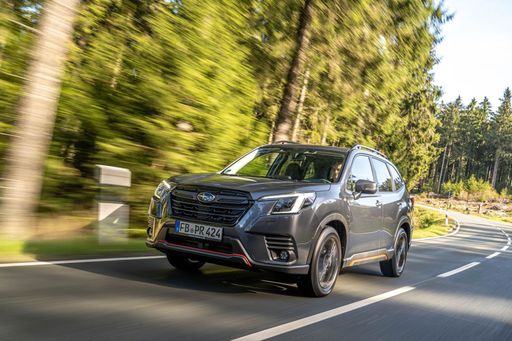
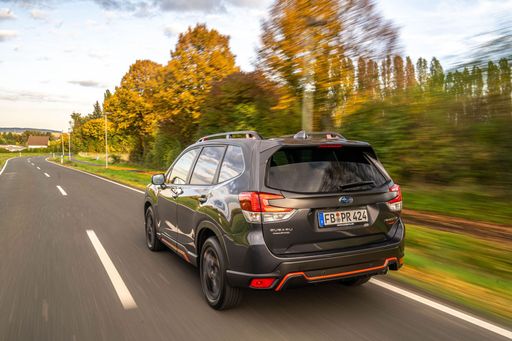
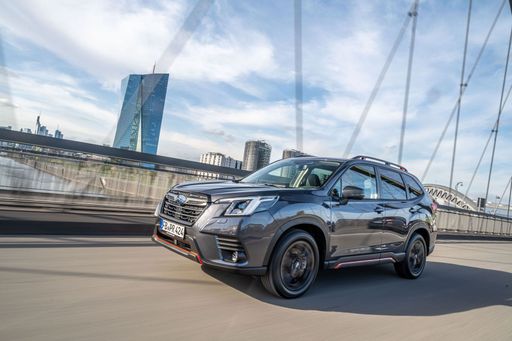
The Subaru Forester, equipped with a petrol mild hybrid engine, boasts a power output ranging from 136 to 150 horsepower (100 to 110 kW). This engine pairs with a Continuous Variable Transmission (CVT) to drive all four wheels, offering a robust all-wheel-drive experience. Despite its power, the Forester manages a moderate fuel consumption of 8.1 L/100km, making it a reliable choice for many.

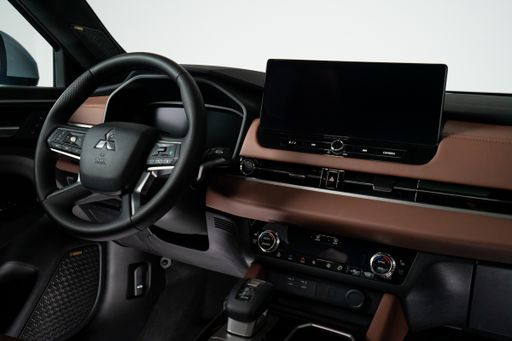
On the other hand, the Mitsubishi Outlander impresses with a powerful 306 horsepower (225 kW) plugin hybrid system. This model is a game-changer with an electric range of 84 to 86 km, positioning itself as a more eco-friendly option with a fuel consumption of just 0.8 L/100km. The Outlander's efficient design ensures you get more mileage while reducing environmental impact.

Outlander

Space and Comfort

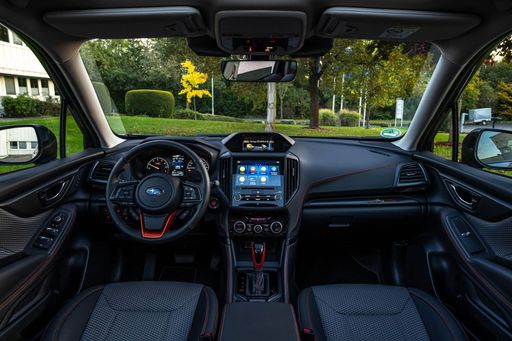
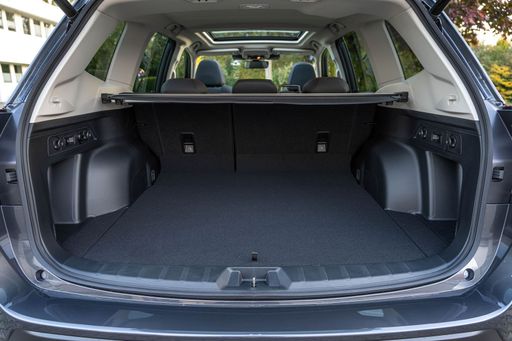
Space and comfort are crucial for any family-oriented SUV. The Subaru Forester offers ample room with a trunk capacity between 508 and 509 liters. It comfortably seats five passengers and has a payload capacity ranging from 446 to 527 kg, catering well to families and adventurers alike.

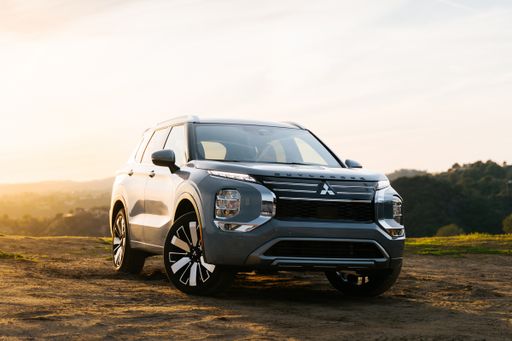
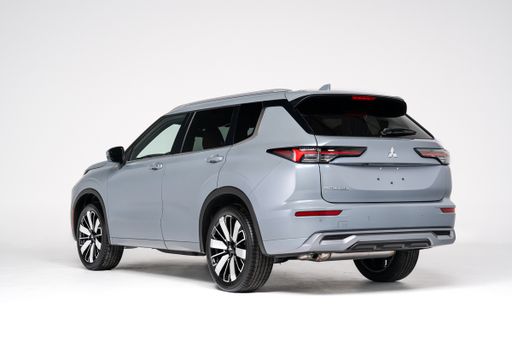
The Mitsubishi Outlander nearly matches its counterpart with a trunk capacity of 495 liters, providing plenty of space for luggage or gear. With a slightly larger overall dimension of 4719 mm in length, the Outlander also seats five comfortably, offering a generous payload capacity of 595 kg, which is beneficial for those requiring more cargo flexibility.

Forester

Acceleration and Speed

Acceleration plays a significant role in the overall driving experience. The Subaru Forester accelerates from 0 to 100 km/h in 11.8 to 12.2 seconds, offering a maximum speed of 188 km/h. This performance is commendable for a compact SUV intended for both urban and occasional off-road adventures.

The Mitsubishi Outlander outpaces the Forester with an impressive acceleration of 7.9 seconds from 0 to 100 km/h, although its top speed is slightly lower at 170 km/h. This rapid acceleration is a testament to the efficiency of its plugin hybrid system, making it an attractive option for those who prioritize speed and efficiency.

Outlander

Environmental Considerations

In today's environmentally conscious market, CO2 emissions are a significant consideration. The Subaru Forester has CO2 emissions ranging from 183 to 185 g/km, earning it a CO2 efficiency class of G. This places it on the higher side of emissions, which may be a concern for eco-conscious drivers.

The Mitsubishi Outlander, with its advanced plugin hybrid technology, records substantially lower CO2 emissions at 18 g/km, garnering a B rating in CO2 efficiency. This makes the Outlander an excellent choice for the environmentally aware driver, offering a greener alternative without sacrificing performance.

Forester

Conclusion

The choice between the Subaru Forester and the Mitsubishi Outlander boils down to personal preferences and priorities. The Forester is an excellent all-rounder with solid performance and practicality, ideal for those who value reliability and adventure versatility. In contrast, the Outlander, with its superior eco-friendly features, remarkable acceleration, and advanced hybrid technology, appeals to those who prioritize environmental impact and modern innovation.

Both SUVs reflect their brands' commitment to quality and efficiency, leaving the decision in the hands of the discerning driver who must choose between traditional reliability and cutting-edge eco-consciousness.

Here’s where it gets real: The technical differences in detail

Outlander

Costs and Efficiency:

Looking at overall running costs, both models reveal some interesting differences in everyday economy.

Subaru Forester is noticeably cheaper – starting at 34,700 £ , while the Mitsubishi Outlander costs 42,800 £ . That’s a price difference of around 8,143 £.

Fuel consumption also shows a difference: the Mitsubishi Outlander uses 2.6 L/100km and is significantly more efficient than the Subaru Forester with 8.1 L/100km. The difference is about 5.5 L/100km.

Forester

Engine and Performance:

Power, torque and acceleration are the classic benchmarks for car enthusiasts – and here, some clear differences start to show.

When it comes to engine power, the Mitsubishi Outlander offers significantly more power – delivering 306 HP compared to 136 HP. That’s roughly 170 HP more horsepower.

When accelerating from 0 to 100 km/h, the Mitsubishi Outlander is substantially quicker – completing the sprint in 7.9 s, while the Subaru Forester takes 12.2 s. That’s about 4.3 s quicker.

Outlander

Space and Everyday Use:

Cabin size, boot volume and payload all play a role in everyday practicality. Here, comfort and flexibility make the difference.

Both vehicles offer seating for 5 people.

In terms of curb weight, Subaru Forester is clearly lighter – 1,693 kg compared to 2,070 kg. The difference is around 377 kg.

When it comes to payload, the Mitsubishi Outlander carries slightly more – 595 kg compared to 492 kg. That’s a difference of about 103 kg.

Who wins the race in the data check?

The Mitsubishi Outlander holds a decisive overall lead in the objective data comparison.
This result only shows which model scores more points on paper – not which of the two cars feels right for you.

from £42,800
Outlander

Mitsubishi Outlander

  • Engine Type : Plugin Hybrid
  • Drive Type : All-Wheel Drive
  • Power HP : 306 HP
  • Consumption L/100km : 2.6 - 2.7 L/100km
  • Electric Range : 83 - 85 km
Mitsubishi Outlander
Subaru Forester

Costs and Consumption

View detailed analysis

Engine and Performance

View detailed analysis

Dimensions and Body

View detailed analysis

Mitsubishi Outlander

The Mitsubishi Outlander is a sensible family SUV that blends roomy practicality with a calm, assured ride—ideal for school runs and weekend getaways. It won’t set pulses racing, but its tidy interior, straightforward equipment and low-stress ownership make it a smart, unfussy pick for buyers who prefer reliability over flash.

details

Subaru Forester

The Subaru Forester is a practical all-rounder that quietly does everything right, with roomy comfort, excellent visibility and a real fondness for weekend adventures off the beaten path. It won't set your pulse racing like a sports car, but for buyers who prize reliability, safety and sensible charm, it's a brilliantly steady companion with a cheeky streak.

details
Mitsubishi Outlander
Subaru Forester

Costs and Consumption

Price
42,800 - 53,000 £
Price
34,700 - 42,200 £
Consumption L/100km
2.6 - 2.7 L/100km
Consumption L/100km
8.1 L/100km
Consumption kWh/100km
-
Consumption kWh/100km
-
Electric Range
83 - 85 km
Electric Range
-
Battery Capacity
-
Battery Capacity
-
co2
60 g/km
co2
183 g/km
Fuel tank capacity
-
Fuel tank capacity
-

Dimensions and Body

Body Type
SUV
Body Type
SUV
Seats
5
Seats
5
Doors
-
Doors
-
Curb weight
2,070 - 2,120 kg
Curb weight
1,693 - 1,739 kg
Trunk capacity
-
Trunk capacity
508 L
Length
-
Length
-
Width
1,862 mm
Width
1,830 mm
Height
-
Height
-
Max trunk capacity
-
Max trunk capacity
-
Payload
545 - 595 kg
Payload
446 - 492 kg

Engine and Performance

Engine Type
Plugin Hybrid
Engine Type
Petrol MHEV
Transmission
-
Transmission
Automatic
Transmission Detail
-
Transmission Detail
CVT
Drive Type
All-Wheel Drive
Drive Type
All-Wheel Drive
Power HP
306 HP
Power HP
136 HP
Acceleration 0-100km/h
7.9 s
Acceleration 0-100km/h
12.2 s
Max Speed
-
Max Speed
-
Torque
-
Torque
182 Nm
Number of Cylinders
4
Number of Cylinders
4
Power kW
225 kW
Power kW
100 kW
Engine capacity
2,360 cm3
Engine capacity
1,995 cm3

General

Model Year
2025
Model Year
2025
CO2 Efficiency Class
B
CO2 Efficiency Class
G
Brand
Mitsubishi
Brand
Subaru
DriveDuel uses data analysis and artificial intelligence to evaluate vehicle data and create content. Content is regularly reviewed and improved. The displayed prices are estimates based on German list prices, adjusted to the respective country’s VAT. Country-specific registration taxes are not included. This information is not legally binding.