VS

Nissan Ariya vs Toyota bZ4X comparison

Compare performance (435 HP vs 380 HP), boot space and price (54,800 £ vs 36,800 £ ) at a glance. Find out which car is the better choice for you – Nissan Ariya or Toyota bZ4X?

Nissan Ariya vs Toyota bZ4X: Key differences

Nissan Ariya

5 (1 Reviews)
rate
  • moderately more power
details

Toyota bZ4X

4.6 (9 Reviews)
rate
  • significantly cheaper
  • significantly more efficient
  • visibly more electric range
  • moderately quicker 0–100 km/h
  • a bit lighter
  • only slightly more trunk space
details

All details on performance, efficiency, range and trunk space can be found in the technical comparison below – including user reviews for both models.

By Achim Sedelmaier

Ariya

Introduction

The electric SUV market is rapidly evolving, with notable contenders emerging to attract eco-conscious drivers. The Nissan Ariya and the Toyota bZ4X are two of the latest entries that promise to redefine the driving experience in the electric vehicle (EV) segment. As automakers ramp up their ambitions to produce efficient, stylish, and feature-rich EVs, consumers are left wondering which model will best serve their needs. In this comparison, we will delve into the technical specifications and innovative features of both vehicles to help you decide which SUV reigns supreme.
bZ4X

Design and Dimensions

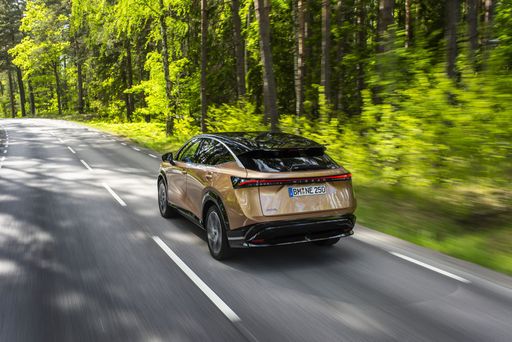
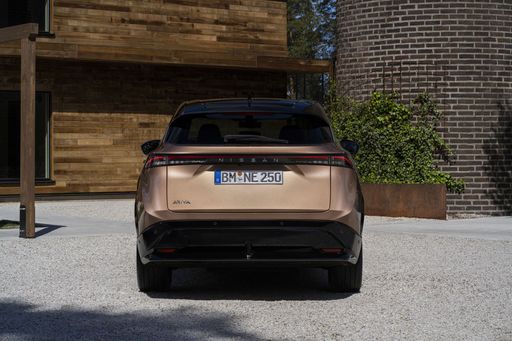
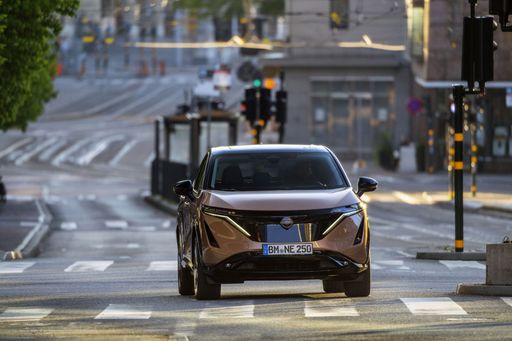
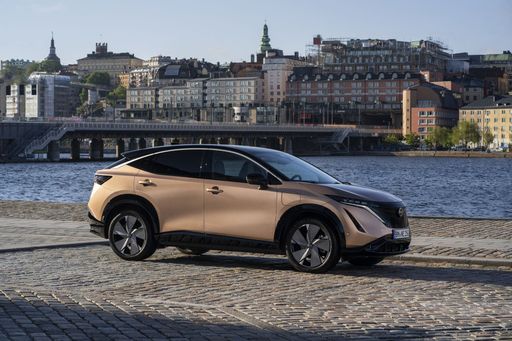
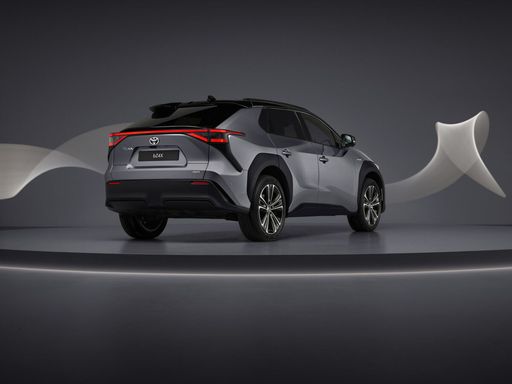
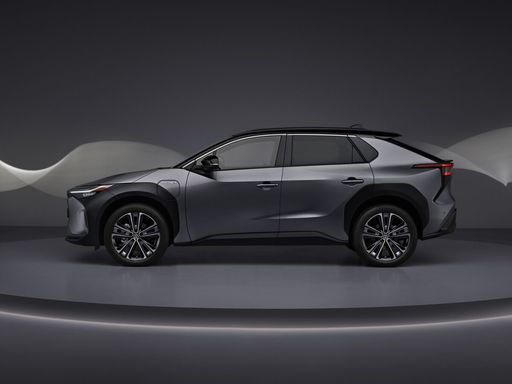
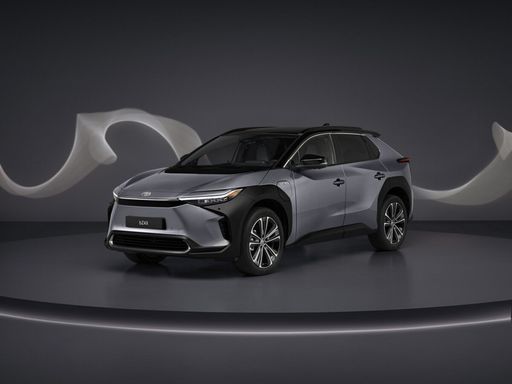
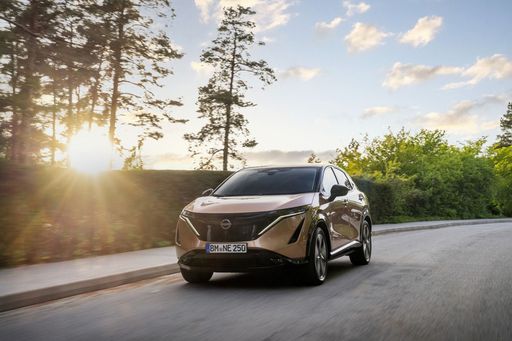
The Nissan Ariya showcases a striking design with a sleek, aerodynamic profile that emphasizes its futuristic appeal. Measuring 4,595 mm in length, 1,850 mm in width, and 1,650 mm in height, the Ariya provides a spacious and comfortable environment for its five passengers. The bZ4X, on the other hand, stretches slightly longer at 4,690 mm with a width of 1,860 mm and a height of 1,600 mm. While both vehicles maintain a contemporary SUV aesthetic, the Ariya's sharper lines and distinctive LED lighting give it a more aggressive look compared to the bZ4X’s softer silhouette.

Ariya

Powertrain Options

When it comes to performance, both the Ariya and the bZ4X offer electric powertrains that appeal to a wide range of drivers. The Ariya is available in various configurations, with power outputs ranging from 218 HP to an impressive 435 HP in its range-topping variant. Its acceleration capabilities are equally impressive, with the top model achieving 0-100 km/h in just 5 seconds.

In comparison, the Toyota bZ4X offers a slight edge in efficiency with a peak power of 218 HP and a best acceleration time of 6.9 seconds. Additionally, the bZ4X has an impressive energy consumption rate of just 14.4 kWh/100km, which positions it as a highly efficient contender in this segment.

bZ4X

Battery and Range

Battery technology is crucial for maximizing an electric vehicle's range and usability. The Ariya comes equipped with two battery options, 63 kWh and 87 kWh, providing electric ranges of 402 km and 531 km, respectively. In contrast, the bZ4X also offers a solid range, with its 65 kWh battery supporting an impressive range of 513 km.

Both manufacturers have effectively embraced the importance of range anxiety for electric vehicles, ensuring that their offerings surpass the needs of the typical commuter while being sufficient for longer journeys.

Ariya

Interior Comfort and Cargo Space

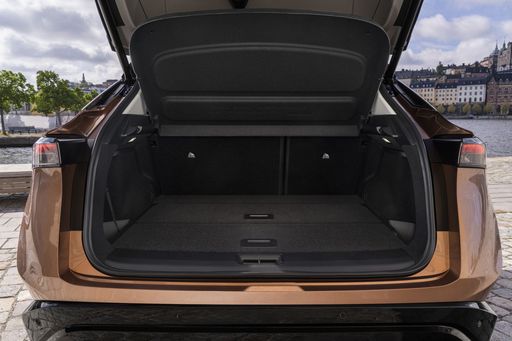
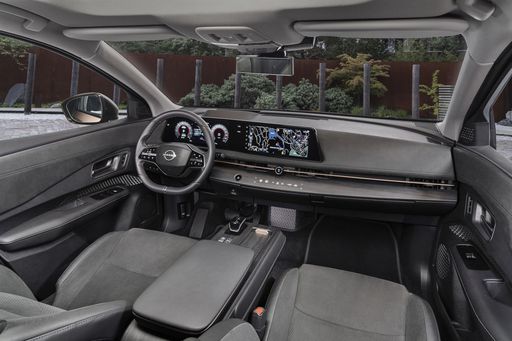
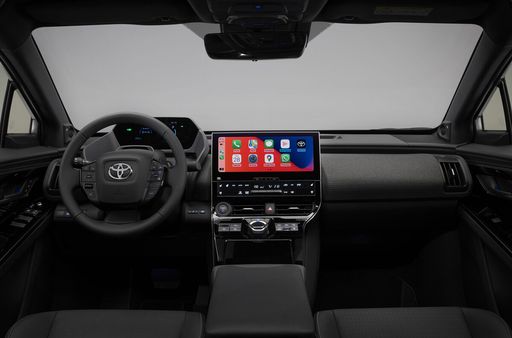
Inside, the Nissan Ariya revels in its premium feel, featuring a spacious cabin adorned with quality materials and advanced technology. With a trunk capacity of 468 L, it offers ample storage space for everyday needs. The Ariya also emphasizes driver-assist features, enhancing the overall driving experience.

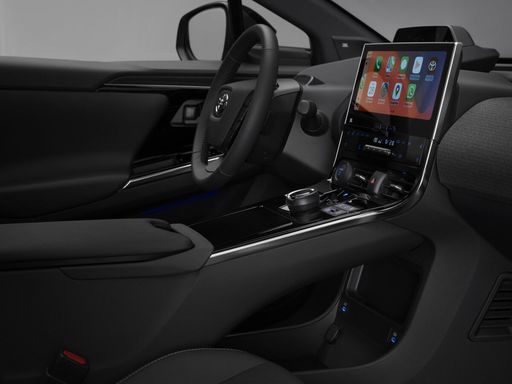
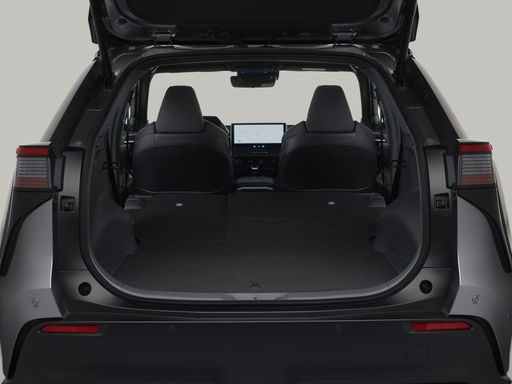
The bZ4X mirrors this sentiment with a modern interior laced with intuitive technology. With a trunk capacity of 452 L, it emphasizes practicality, ensuring users can transport their belongings with ease. Both vehicles accommodate five passengers, making them ideal for families or group outings.

bZ4X

Safety and Technology Innovations

Safety is paramount in the automotive industry, and both Nissan and Toyota have equipped their offerings with cutting-edge technology. The Ariya is fitted with Nissan's ProPILOT Assist, a suite of autonomous driving features that make highway driving a less strenuous task. The bZ4X features Toyota’s TSS-P (Toyota Safety Sense), encompassing a comprehensive set of safety technologies aimed at reducing accidents and enhancing passenger safety.

In addition to these systems, both vehicles come with user-friendly infotainment systems, connectivity options, and advanced driver-assist features, positioning them at the forefront of automotive innovation.

Ariya

Conclusion

Choosing between the Nissan Ariya and the Toyota bZ4X ultimately comes down to personal preference, brand loyalty, and specific needs. The Ariya impresses with its powerful options and upscale design, while the bZ4X stands out for its efficiency and approachable styling. Regardless of the choice, both vehicles reflect a promising shift towards a sustainable automotive future, demonstrating that eco-friendly doesn’t have to compromise on performance or style.

Here’s where it gets real: The technical differences in detail

Ariya

Costs and Efficiency:

Price and efficiency are key factors when choosing a car – and this is often where the real differences emerge.

Toyota bZ4X is significantly cheaper – starting at 36,800 £ , while the Nissan Ariya costs 54,800 £ . That’s a price difference of around 18,000 £.

In terms of energy consumption, the Toyota bZ4X is significantly more efficient: consuming 13.5 kWh/100km compared to 24.5 kWh/100km for the Nissan Ariya. That’s a difference of about 11 kWh/100km.

As for electric range, the Toyota bZ4X offers visibly more range – reaching up to 591 km, about 174 km more than the Nissan Ariya.

bZ4X

Engine and Performance:

Power, torque and acceleration say a lot about how a car feels on the road. This is where you see which model delivers more driving dynamics.

When it comes to engine power, the Nissan Ariya offers moderately more power – delivering 435 HP compared to 380 HP. That’s roughly 55 HP more horsepower.

When accelerating from 0 to 100 km/h, the Toyota bZ4X is moderately quicker – completing the sprint in 4.4 s, while the Nissan Ariya takes 5 s. That’s about 0.6 s quicker.

There’s also a difference in torque: the Nissan Ariya delivers considerably more torque with 600 Nm compared to 338 Nm. That’s about 262 Nm more.

Ariya

Space and Everyday Use:

Whether family car or daily driver – which one offers more room, flexibility and comfort?

Both vehicles offer seating for 5 people.

In terms of curb weight, Toyota bZ4X is a bit lighter – 1,900 kg compared to 2,277 kg. The difference is around 377 kg.

Looking at boot space, the Toyota bZ4X offers only slightly more boot space – 452 L compared to 415 L. That’s a difference of about 37 L.

When it comes to payload, the Toyota bZ4X carries markedly more – 565 kg compared to 363 kg. That’s a difference of about 202 kg.

Who wins the race in the data check?

The Toyota bZ4X stands well ahead of its rival in the objective data comparison.
This result only shows which model scores more points on paper – not which of the two cars feels right for you.

from £36,800
bZ4X

Toyota bZ4X

  • Engine Type : Electric
  • Transmission : Automatic
  • Drive Type : Front-Wheel Drive, All-Wheel Drive
  • Power HP : 167 - 380 HP
  • Consumption kWh/100km : 13.5 - 16.6 kWh/100km
  • Electric Range : 444 - 591 km
Nissan Ariya
Toyota bZ4X

Costs and Consumption

View detailed analysis

Engine and Performance

View detailed analysis

Dimensions and Body

View detailed analysis

Nissan Ariya

The Nissan Ariya wraps futuristic, sculpted styling around a calm, high-tech cabin, making the switch to electric feel surprisingly easy and grown-up. It’s a comfortable, sensible EV that favors everyday usability and clever packaging over headline-grabbing theatrics — ideal for buyers who want an elegant, low-fuss electric car without the ego.

details

Toyota bZ4X

The Toyota bZ4X is a fresh, roomy electric crossover that pairs Toyota’s trademark reliability with bold, angular styling and a cabin designed for everyday comfort. It may not chase headlines like some flashier rivals, but for buyers who want sensible electric motoring with practical packaging and a relaxed, confident ride, it’s an easy, pleasant choice.

details
Nissan Ariya
Toyota bZ4X

Costs and Consumption

Price
54,800 £
Price
36,800 - 51,000 £
Consumption L/100km
-
Consumption L/100km
-
Consumption kWh/100km
24.5 kWh/100km
Consumption kWh/100km
13.5 - 16.6 kWh/100km
Electric Range
417 km
Electric Range
444 - 591 km
Battery Capacity
87 kWh
Battery Capacity
-
co2
0 g/km
co2
0 g/km
Fuel tank capacity
-
Fuel tank capacity
-

Dimensions and Body

Body Type
SUV
Body Type
SUV
Seats
5
Seats
5
Doors
5
Doors
-
Curb weight
2,277 kg
Curb weight
1,900 - 2,180 kg
Trunk capacity
415 L
Trunk capacity
452 L
Length
4,595 mm
Length
-
Width
1,850 mm
Width
1,860 mm
Height
1,650 mm
Height
-
Max trunk capacity
1,280 L
Max trunk capacity
-
Payload
363 kg
Payload
375 - 565 kg

Engine and Performance

Engine Type
Electric
Engine Type
Electric
Transmission
Automatic
Transmission
Automatic
Transmission Detail
Reduction Gearbox
Transmission Detail
Reduction Gearbox
Drive Type
All-Wheel Drive
Drive Type
Front-Wheel Drive, All-Wheel Drive
Power HP
435 HP
Power HP
167 - 380 HP
Acceleration 0-100km/h
5 s
Acceleration 0-100km/h
4.4 - 8.6 s
Max Speed
200 km/h
Max Speed
-
Torque
600 Nm
Torque
268 - 338 Nm
Number of Cylinders
-
Number of Cylinders
-
Power kW
320 kW
Power kW
123 - 280 kW
Engine capacity
-
Engine capacity
-

General

Model Year
2025
Model Year
2,025 - 2,026
CO2 Efficiency Class
A
CO2 Efficiency Class
A
Brand
Nissan
Brand
Toyota
DriveDuel uses data analysis and artificial intelligence to evaluate vehicle data and create content. Content is regularly reviewed and improved. The displayed prices are estimates based on German list prices, adjusted to the respective country’s VAT. Country-specific registration taxes are not included. This information is not legally binding.