VS

Nissan Qashqai vs Honda ZR-V comparison

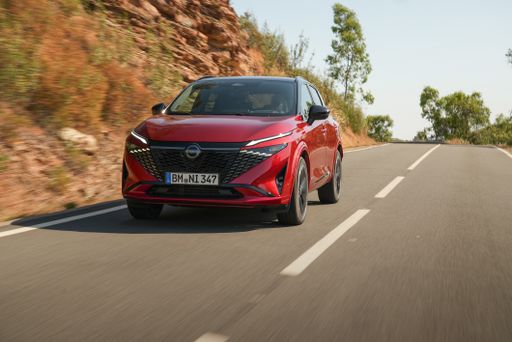
Compare performance (205 HP vs 184 HP), boot space and price (29,600 £ vs 35,100 £ ) at a glance. Find out which car is the better choice for you – Nissan Qashqai or Honda ZR-V?

Nissan Qashqai vs Honda ZR-V: Key differences

Nissan Qashqai

4.9 (4 Reviews)
rate
  • slightly cheaper
  • moderately more power
  • clearly more efficient
  • barely quicker 0–100 km/h
  • somewhat lighter
details

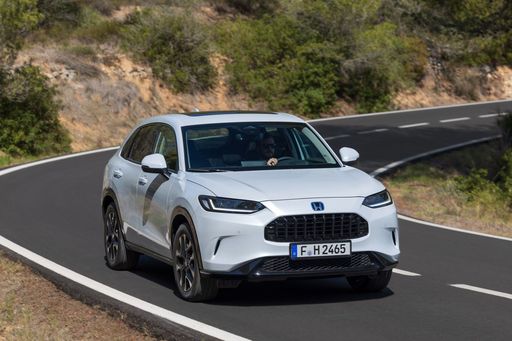
Honda ZR-V

4.8 (7 Reviews)
rate
details

All details on performance, efficiency, range and trunk space can be found in the technical comparison below – including user reviews for both models.

By Achim Sedelmaier

Qashqai

A Clash of Titans: Honda ZR-V vs. Nissan Qashqai

The compact SUV segment is packed with options, but two models that have recently captured attention are the Honda ZR-V and the Nissan Qashqai. Both vehicles boast advanced technologies, impressive powertrains, and stylish designs that cater to urban dwellers and adventure seekers alike. This article takes a closer look at these two dynamic SUVs to help you make an informed decision.

ZR-V

Powertrains and Performance

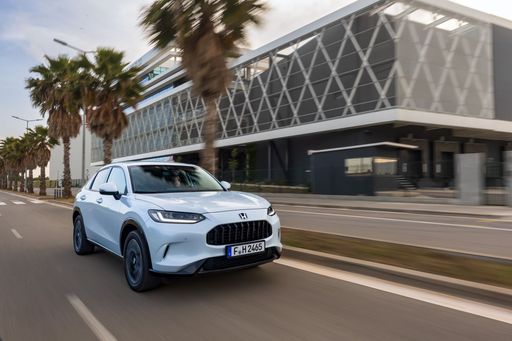
Starting with the Honda ZR-V, it features a full hybrid engine that produces a commendable 184 HP and 315 Nm of torque. The ZR-V’s 2.0-liter, four-cylinder engine achieves 0-100 km/h in 8 seconds and has a top speed of 173 km/h, making it a strong performer on both city streets and open highways. Notably, its fuel consumption is impressive, ranging from 5.7 to 5.8 L/100km, while keeping CO2 emissions at a minimum.

On the other hand, the Nissan Qashqai offers a wider range of powertrains, including petrol mild hybrid and full hybrid options. The Qashqai’s horsepower ranges from 140 HP to a robust 190 HP, with torque figures peaking at 330 Nm for the most powerful variant. The quickest versions can accelerate from 0-100 km/h in just 7.9 seconds, achieving a top speed of up to 206 km/h, putting it slightly ahead of the ZR-V in power and performance metrics. However, the Qashqai's fuel consumption varies significantly across different variants, with figures as low as 5.1 L/100km.


Qashqai

Innovative Technologies

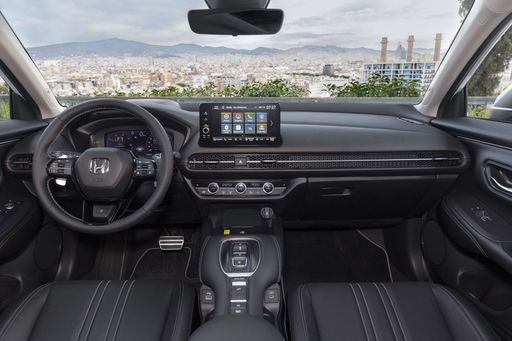
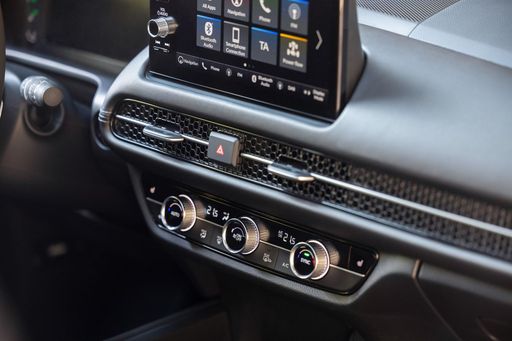
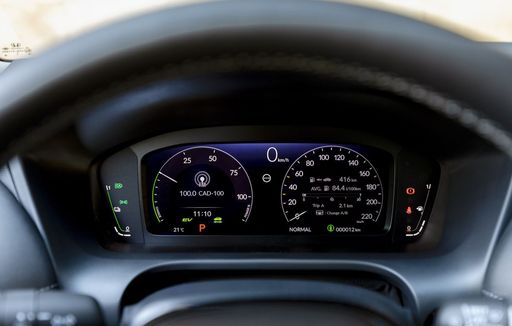
Both vehicles are equipped with cutting-edge technologies designed to enhance the driving experience. The Honda ZR-V comes with advanced safety features, including Honda Sensing Suite, which includes adaptive cruise control, lane-keeping assist, and collision mitigation braking. Additionally, it offers a seamless integration of infotainment options with a contemporary touchscreen interface to keep tech enthusiasts satisfied.

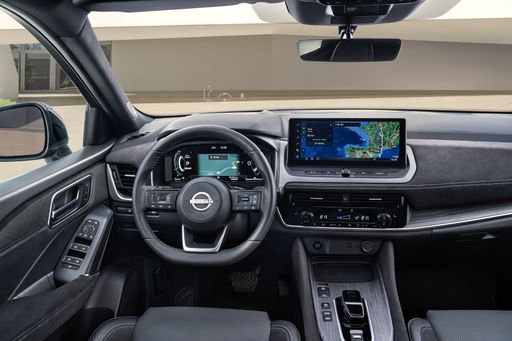
The Nissan Qashqai, however, takes technology a step further with features like the ProPILOT Assist, which offers a simplified semi-autonomous driving experience, blending steering, acceleration, and braking in certain conditions. It also boasts an innovative 12.3-inch digital dashboard alongside a generous infotainment system with wireless Apple CarPlay and Android Auto capabilities.

ZR-V

Interior Comfort and Practicality

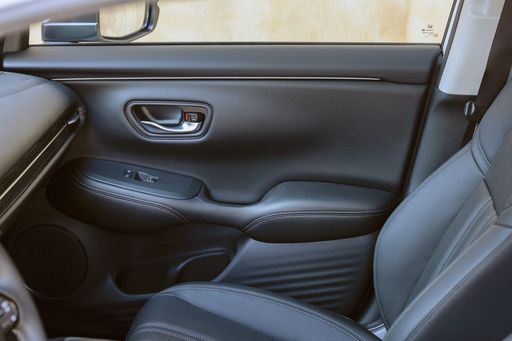
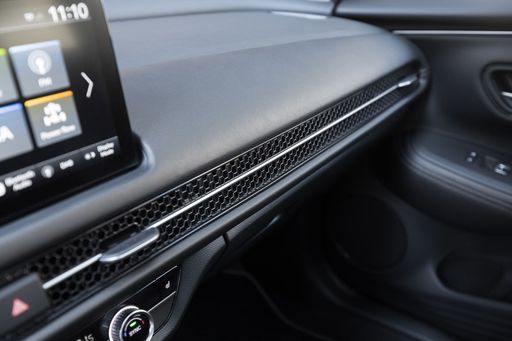
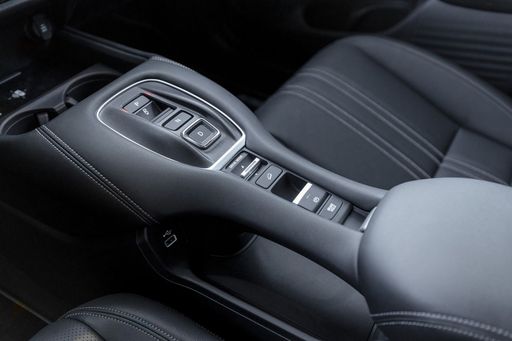
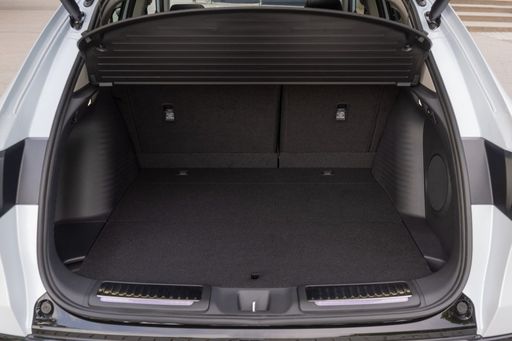
Inside, the Honda ZR-V provides a spacious environment suitable for five passengers, with trunk capacity ranging from 370 to 380 liters, depending on the variant. High-quality materials and ergonomically designed seating enhance comfort during long journeys, making it an excellent choice for families and adventurers alike.

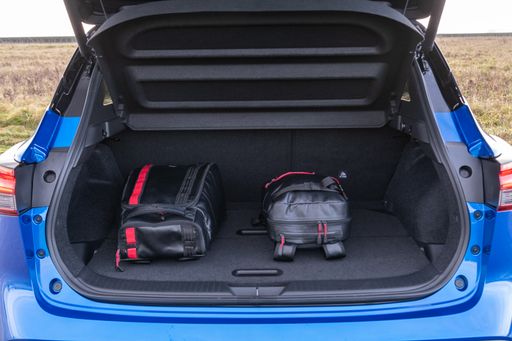
The Nissan Qashqai rivals the ZR-V with a more substantial trunk space of 479-504 liters, depending on the trim level. It also features a modern interior layout, focusing on both aesthetics and user convenience. The rear seats provide ample legroom, and thoughtful storage solutions enhance the vehicle's practicality, catering to a variety of lifestyles.

Qashqai

Dimensions and Design

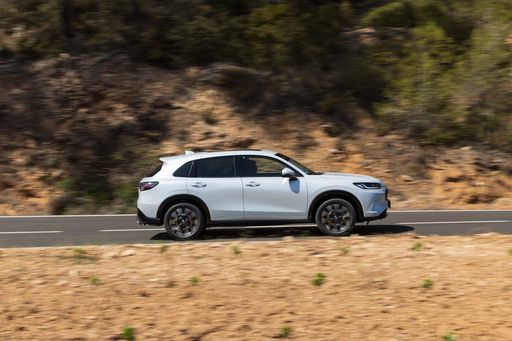
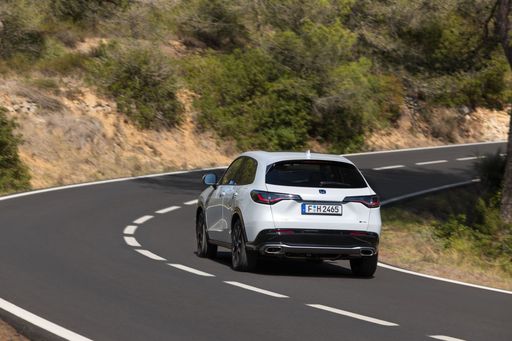
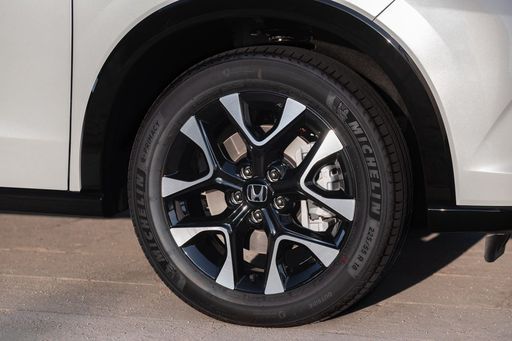
In terms of dimensions, the Honda ZR-V measures 4568 mm in length, 1840 mm in width, and 1613 mm in height. Its robust design and bold stance contribute to its strong presence on the road.

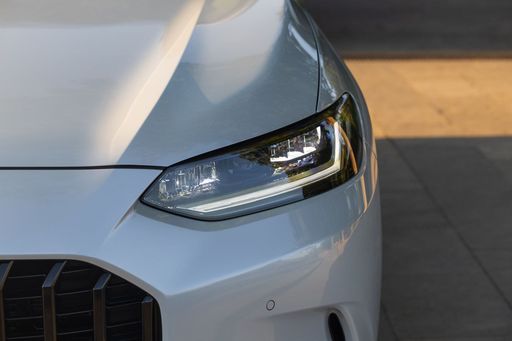
The Nissan Qashqai, a bit more compact at 4425 mm in length and 1835 mm in width, stands at 1625 mm high. Its sleek design language and sharp lines are designed to appeal to a modern audience, blending style with functionality.

ZR-V

Conclusion: Which SUV Reigns Supreme?

Ultimately, the choice between the Honda ZR-V and Nissan Qashqai boils down to individual preferences and priorities. If you value hybrid performance and extensive safety features, the ZR-V might be your ideal match. However, if you seek cutting-edge technology and additional powertrain options, the Qashqai provides flexibility without compromising on performance. Both SUVs offer their unique advantages, making this comparison an excellent exploration for consumers looking to enter the thriving SUV market.

Here’s where it gets real: The technical differences in detail

Qashqai

Costs and Efficiency:

Price and efficiency are key factors when choosing a car – and this is often where the real differences emerge.

Nissan Qashqai is slightly cheaper – starting at 29,600 £ , while the Honda ZR-V costs 35,100 £ . That’s a price difference of around 5,452 £.

Fuel consumption also shows a difference: the Nissan Qashqai uses 4.3 L/100km and is clearly more efficient than the Honda ZR-V with 5.7 L/100km. The difference is about 1.4 L/100km.

ZR-V

Engine and Performance:

Under the bonnet, it becomes clear which model is tuned for sportiness and which one takes the lead when you hit the accelerator.

When it comes to engine power, the Nissan Qashqai offers moderately more power – delivering 205 HP compared to 184 HP. That’s roughly 21 HP more horsepower.

When accelerating from 0 to 100 km/h, the Nissan Qashqai is barely quicker – completing the sprint in 7.6 s, while the Honda ZR-V takes 7.8 s. That’s about 0.2 s quicker.

There’s also a difference in torque: the Nissan Qashqai delivers barely more torque with 330 Nm compared to 315 Nm. That’s about 15 Nm more.

Qashqai

Space and Everyday Use:

Whether family car or daily driver – which one offers more room, flexibility and comfort?

Both vehicles offer seating for 5 people.

In terms of curb weight, Nissan Qashqai is somewhat lighter – 1,420 kg compared to 1,660 kg. The difference is around 240 kg.

When it comes to payload, the Nissan Qashqai carries somewhat more – 516 kg compared to 455 kg. That’s a difference of about 61 kg.

Who wins the race in the data check?

The Nissan Qashqai is far ahead overall in the objective data comparison.
This result only shows which model scores more points on paper – not which of the two cars feels right for you.

from £29,600
Qashqai

Nissan Qashqai

  • Engine Type Petrol MHEV, Full Hybrid
  • Transmission Manuel, Automatic
  • Drive Type Front-Wheel Drive, All-Wheel Drive
  • Power HP 158 - 205 HP
  • Consumption L/100km 4.3 - 6.8 L/100km
Nissan Qashqai
Honda ZR-V

Costs and Consumption

View detailed analysis

Engine and Performance

View detailed analysis

Dimensions and Body

View detailed analysis

Nissan Qashqai

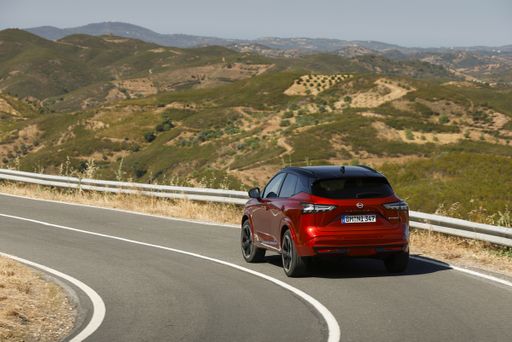
The Nissan Qashqai is a compact crossover that blends everyday practicality with a comfortable, composed driving experience and a smart, well finished interior. It feels sensible and versatile for city life and longer trips, appealing to buyers who want a reliable, low fuss family car.

details

Honda ZR-V

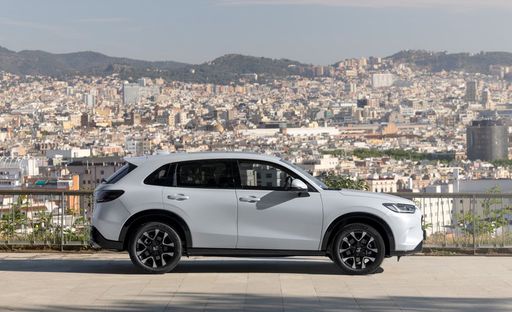
The Honda ZR-V blends smart practicality with sharper styling than you might expect, giving buyers a calm, competent companion for daily life. Inside it's comfortable and cleverly laid out, easy to live with and never trying too hard to be exciting.

details
Nissan Qashqai
Honda ZR-V

Costs and Consumption

Price
29,600 - 39,900 £
Price
35,100 - 38,700 £
Consumption L/100km
4.3 - 6.8 L/100km
Consumption L/100km
5.7 - 5.8 L/100km
Consumption kWh/100km
-
Consumption kWh/100km
-
Electric Range
-
Electric Range
-
Battery Capacity
-
Battery Capacity
-
co2
98 - 152 g/km
co2
130 - 132 g/km
Fuel tank capacity
-
Fuel tank capacity
-

Dimensions and Body

Body Type
SUV
Body Type
SUV
Seats
5
Seats
5
Doors
-
Doors
-
Curb weight
1,420 - 1,624 kg
Curb weight
1,660 - 1,710 kg
Trunk capacity
479 - 504 L
Trunk capacity
-
Length
-
Length
-
Width
1,835 mm
Width
1,840 mm
Height
-
Height
-
Max trunk capacity
-
Max trunk capacity
-
Payload
446 - 516 kg
Payload
440 - 455 kg

Engine and Performance

Engine Type
Petrol MHEV, Full Hybrid
Engine Type
Full Hybrid
Transmission
Manuel, Automatic
Transmission
Automatic
Transmission Detail
Manual Gearbox, CVT, Reduction Gearbox
Transmission Detail
CVT
Drive Type
Front-Wheel Drive, All-Wheel Drive
Drive Type
Front-Wheel Drive
Power HP
158 - 205 HP
Power HP
184 HP
Acceleration 0-100km/h
7.6 - 9.9 s
Acceleration 0-100km/h
7.8 - 8 s
Max Speed
-
Max Speed
-
Torque
260 - 330 Nm
Torque
315 Nm
Number of Cylinders
3 - 4
Number of Cylinders
4
Power kW
116 - 151 kW
Power kW
135 kW
Engine capacity
1,332 - 1,498 cm3
Engine capacity
1,993 cm3

General

Model Year
2,025 - 2,026
Model Year
2025
CO2 Efficiency Class
E, C
CO2 Efficiency Class
D
Brand
Nissan
Brand
Honda
DriveDuel uses data analysis and artificial intelligence to evaluate vehicle data and create content. Content is regularly reviewed and improved. The displayed prices are estimates based on German list prices, adjusted to the respective country’s VAT. Country-specific registration taxes are not included. This information is not legally binding.