VS

Omoda 9 vs BYD Seal U comparison

Compare performance (537 HP vs 324 HP), boot space and price (45,300 £ vs 34,300 £ ) at a glance. Find out which car is the better choice for you – Omoda 9 or BYD Seal U?

Omoda 9 vs BYD Seal U: Key differences

Omoda 9

5 (1 Reviews)
rate
  • noticeably more power
  • noticeably quicker 0–100 km/h
details

BYD Seal U

4.3 (11 Reviews)
rate
  • markedly cheaper
  • significantly more electric range
  • moderately lighter
  • moderately more trunk space
details

All details on performance, efficiency, range and trunk space can be found in the technical comparison below – including user reviews for both models.

By Achim Sedelmaier

9

BYD Seal U VS Omoda 9 — quick take

BYD Seal U VS Omoda 9 pits two comfort‑oriented SUVs with very different ideas about how to deliver value. The BYD Seal U leans hard on quietness, generous standard kit and a calm, family‑friendly character that makes long highway miles feel effortless. The Omoda 9 trades some of that hushed serenity for a more muscular PHEV package, with a genuinely useful electric driving range and faster on‑trip charging that changes how you plan journeys. In short, BYD sells serenity and kit for the money; Omoda sells usable EV range and rear‑seat space as its headline strengths.
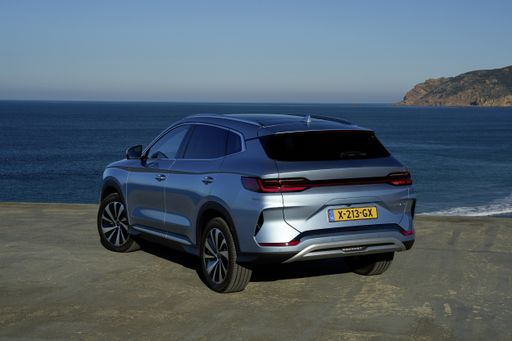
Seal U

Driving character and performance trade-offs

Both cars favour comfort over corner carving, but their personalities diverge once you use the throttle. The BYD Seal U is the quieter, more relaxed companion — built to cruise smoothly and mask road noise, at the expense of crisp steering and sporty feedback. The Omoda 9 feels more purposeful under acceleration and benefits from stronger propulsion, so merging and overtaking are delivered with less effort and more confidence. If you want bedtime‑quiet motorway runs pick the Seal U; if you want sharper shove and shorter charging stops on longer trips, the Omoda 9 will suit you better.

9

Comfort, cabin feel and perceived quality

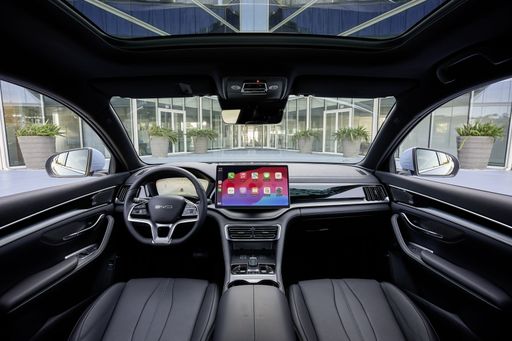
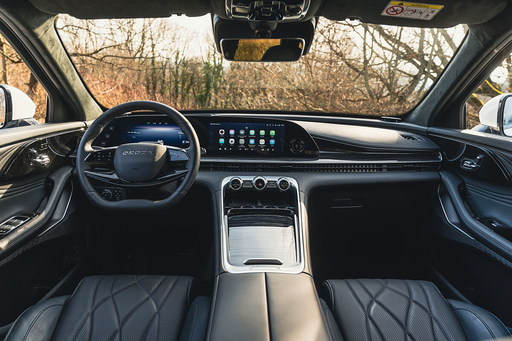
Inside, BYD Seal U presents a tidy, well‑appointed cabin that often feels a touch more premium thanks to quietness and a thoughtful equipment list like a rotating screen and HUD. The Omoda 9 counters with roomy rear seats, ventilated rear comfort features and some useful physical controls that make everyday use easier for occupants. Both show occasional cost‑saving details in plastics and finishes, but the Seal U’s overall calmness makes its materials read as slightly more refined in daily life. For passengers the difference is palpable: BYD feels like a plush retreat, Omoda like a spacious, well‑equipped salon.

Seal U

Practicality and family usability

Families will appreciate both cars but for different practical reasons: the BYD Seal U offers generous legroom, an even floor and a long list of safety kit that soothes decision‑makers. The Omoda 9 brings notably more usable rear space and electrically adjustable rear seats, which matter when you regularly carry tall passengers or a lot of people. Where BYD can disappoint is trunk volume detail and a less flexible load floor; Omoda’s boot is wide but shallower and less cavernous beneath the floor. Choose BYD if safety equipment and a composed cabin matter most, choose Omoda if rear passenger space and adjustability are your priority.

City friendliness versus long‑distance behavior

In town the BYD Seal U’s 360‑degree cameras, lighter steering and compact turning feel more forgiving, while the Omoda 9’s width and heft make it feel larger in tight streets despite excellent visibility aids. On long runs the difference flips: the Seal U’s serene NVH and comfortable damping make sustained cruising effortless, but the Omoda 9’s strong electric range (in its PHEV form) and quicker opportunity to top up on the road reduce stop time and fuel anxiety. If your life mixes narrow city lanes with regular long journeys, think about which pain point you prefer to solve — easier urban parking (Seal U) or fewer/delayed charging stops on trips (Omoda 9).

Who each car actually fits — practical buyer guidance

Pick the BYD Seal U if you want the calmest cabin, the most kit per pound and a family SUV that soothes rather than excites; it’s ideal for buyers who value safety, low running fuss and a relaxed highway demeanour. Opt for the Omoda 9 if rear‑seat space, a strong plug‑in electric range and brisk on‑route charging matter more to your routine — it suits families and commuters who prioritise usable EV miles and a more assertive feel. Both are sensible mainstream choices with different trade‑offs; read the technical comparison next to see how their batteries, charging and performance specs translate into day‑to‑day costs and trip planning.

Here’s where it gets real: The technical differences in detail

9

Costs and Efficiency:

When it comes to price and running costs, the biggest differences usually appear. This is often where you see which car fits your budget better in the long run.

BYD Seal U is markedly cheaper – starting at 34,300 £ , while the Omoda 9 costs 45,300 £ . That’s a price difference of around 11,065 £.

As for electric range, the BYD Seal U offers significantly more range – reaching up to 500 km, about 355 km more than the Omoda 9.

Seal U

Engine and Performance:

Under the bonnet, it becomes clear which model is tuned for sportiness and which one takes the lead when you hit the accelerator.

When it comes to engine power, the Omoda 9 offers noticeably more power – delivering 537 HP compared to 324 HP. That’s roughly 213 HP more horsepower.

When accelerating from 0 to 100 km/h, the Omoda 9 is noticeably quicker – completing the sprint in 4.9 s, while the BYD Seal U takes 5.9 s. That’s about 1 s quicker.

There’s also a difference in torque: the Omoda 9 delivers moderately more torque with 650 Nm compared to 550 Nm. That’s about 100 Nm more.

9

Space and Everyday Use:

Beyond pure performance, interior space and usability matter most in daily life. This is where you see which car is more practical and versatile.

Both vehicles offer seating for 5 people.

In terms of curb weight, BYD Seal U is moderately lighter – 1,940 kg compared to 2,270 kg. The difference is around 330 kg.

Looking at boot space, the BYD Seal U offers moderately more boot space – 552 L compared to 471 L. That’s a difference of about 81 L.

When it comes to payload, the Omoda 9 carries barely more – 447 kg compared to 410 kg. That’s a difference of about 37 kg.

Who wins the race in the data check?

The BYD Seal U is far ahead overall in the objective data comparison.
This result only shows which model scores more points on paper – not which of the two cars feels right for you.

from £34,300
Seal U

BYD Seal U

  • Engine Type Electric, Plugin Hybrid
  • Transmission Automatic
  • Drive Type Front-Wheel Drive, All-Wheel Drive
  • Power HP 218 - 324 HP
  • Consumption kWh/100km 12.1 - 20.5 kWh/100km
  • Electric Range 70 - 500 km
Omoda 9
BYD Seal U

Costs and Consumption

View detailed analysis

Engine and Performance

View detailed analysis

Dimensions and Body

View detailed analysis

Omoda 9

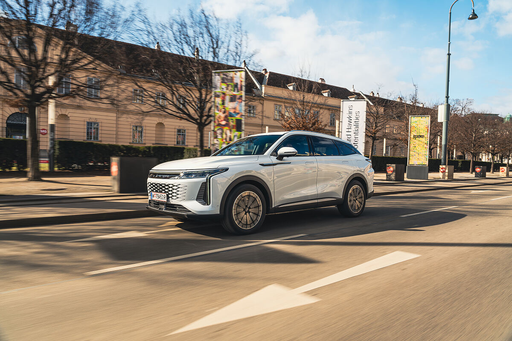
The Omoda 9 blends bold, contemporary styling with a surprisingly spacious and well-appointed interior that punches above its class. It offers a composed, comfortable ride and modern infotainment and safety features that make it a strong choice for buyers wanting a practical yet stylish family crossover.

details

BYD Seal U

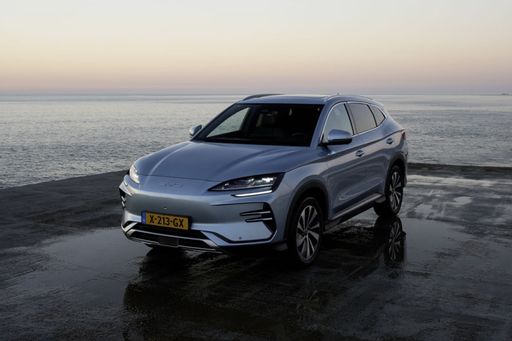
The BYD Seal U is a sleek electric fastback that blends sporty styling with a roomy, tech-focused interior, making it an appealing choice for buyers who want electric performance without sacrificing comfort. It delivers a smooth, composed ride and intuitive features, positioning it as a practical yet modern option in the EV market.

details
Omoda 9
BYD Seal U

Costs and Consumption

Price
45,300 £
Price
34,300 - 39,800 £
Consumption L/100km
1.6 L/100km
Consumption L/100km
-
Consumption kWh/100km
-
Consumption kWh/100km
12.1 - 20.5 kWh/100km
Electric Range
145 km
Electric Range
70 - 500 km
Battery Capacity
-
Battery Capacity
-
co2
38 g/km
co2
0 - 71 g/km
Fuel tank capacity
-
Fuel tank capacity
-

Dimensions and Body

Body Type
SUV
Body Type
SUV
Seats
5
Seats
5
Doors
-
Doors
-
Curb weight
2,270 kg
Curb weight
1,940 - 2,147 kg
Trunk capacity
471 L
Trunk capacity
425 - 552 L
Length
-
Length
-
Width
1,920 mm
Width
1,890 mm
Height
-
Height
-
Max trunk capacity
-
Max trunk capacity
-
Payload
447 kg
Payload
410 kg

Engine and Performance

Engine Type
Plugin Hybrid
Engine Type
Electric, Plugin Hybrid
Transmission
Automatic
Transmission
Automatic
Transmission Detail
Automatic Gearbox
Transmission Detail
Reduction Gearbox, Automatic Gearbox
Drive Type
All-Wheel Drive
Drive Type
Front-Wheel Drive, All-Wheel Drive
Power HP
537 HP
Power HP
218 - 324 HP
Acceleration 0-100km/h
4.9 s
Acceleration 0-100km/h
5.9 - 9.6 s
Max Speed
-
Max Speed
-
Torque
650 Nm
Torque
300 - 550 Nm
Number of Cylinders
4
Number of Cylinders
4
Power kW
395 kW
Power kW
160 - 238 kW
Engine capacity
1,499 cm3
Engine capacity
1,497 - 1,498 cm3

General

Model Year
2026
Model Year
2,024 - 2,026
CO2 Efficiency Class
B
CO2 Efficiency Class
A, B
Brand
Omoda
Brand
BYD
DriveDuel uses data analysis and artificial intelligence to evaluate vehicle data and create content. Content is regularly reviewed and improved. The displayed prices are estimates based on German list prices, adjusted to the respective country’s VAT. Country-specific registration taxes are not included. This information is not legally binding.