VS

Vauxhall Astra vs Vauxhall Corsa comparison

Compare performance (196 HP vs 156 HP), boot space and price (28,300 £ vs 19,600 £ ) at a glance. Find out which car is the better choice for you – Vauxhall Astra or Vauxhall Corsa?

Vauxhall Astra vs Vauxhall Corsa: Key differences

Vauxhall Astra

4.7 (1 Reviews)
rate
  • visibly more power
  • clearly more efficient
  • very slightly more electric range
  • barely quicker 0–100 km/h
  • visibly more trunk space

Vauxhall Corsa

  • substantially cheaper
  • only slightly more efficient
  • clearly lighter
Astra

Opel Astra vs Opel Corsa: The Hatchback Showdown

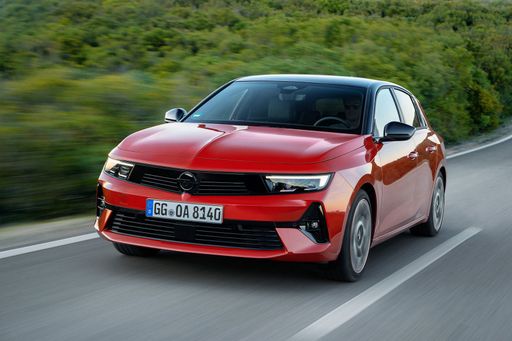
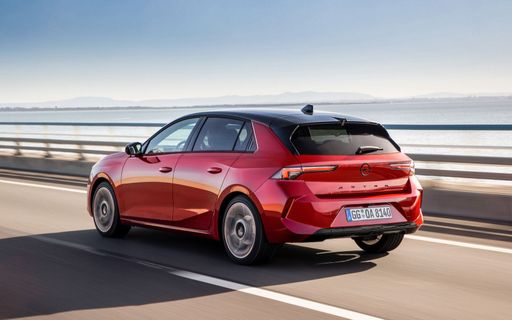
The automotive world is rich with options, but few rivalries are as storied and noteworthy as that between the Opel Astra and the Opel Corsa. Both vehicles exemplify Opel’s commitment to innovation, practicality, and performance, making them popular choices in the hatchback segment. In this article, we dissect these two models across various technical aspects and innovations, helping you decide which one suits your preferences best.
Corsa

Engine Options and Performance

When it comes to performance, the Astra offers a more diverse array of engine choices compared to the Corsa. Buyers can select from multiple options: Petrol MHEV, standard Petrol, Diesel, Plug-in Hybrid, and Electric. The Astra boasts impressive power ratings, with options peaking at 225 HP, while the Corsa provides a solid range with a maximum output of 156 HP. This variance in engine options makes the Astra a versatile choice for different driving styles and needs.

The Astra's fuel consumption ranges from 1.3 L/100km in its electric variant to 5.8 L/100km for its petrol engines, showcasing its efficiency. Meanwhile, the Corsa also holds its own, with the electric version rated at 14.2 kWh/100km and petrol options ranging from 4.5 to 5.7 L/100km. Both cars are equipped for front-wheel drive, ensuring a straightforward and engaging driving experience.

Astra

Transmission and Driving Dynamics

Both Opel models come with user-friendly transmission options. The Astra can be equipped with automatic, manual, and even dual-clutch systems, providing flexibility whether you prefer a more engaging driving experience or a hands-free option. Its top speed can reach up to 235 km/h, depending on the engine variant.

The Corsa, while slightly less powerful, still offers a respectable manual and automatic transmission lineup. With top speeds capping at around 210 km/h for its more robust configurations, the Corsa provides stirring driving dynamics for city and highway use alike.

Corsa

Interior and Comfort

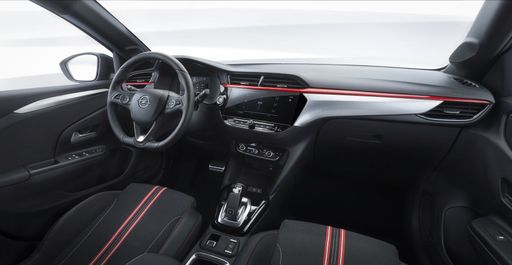
Both the Astra and Corsa comfortably seat five passengers, but differences emerge when it comes to trunk capacity and overall interior space. The Astra outshines with a trunk capacity of 422 liters compared to Corsa's 309 liters, making it the more practical choice for families or those needing ample cargo space.

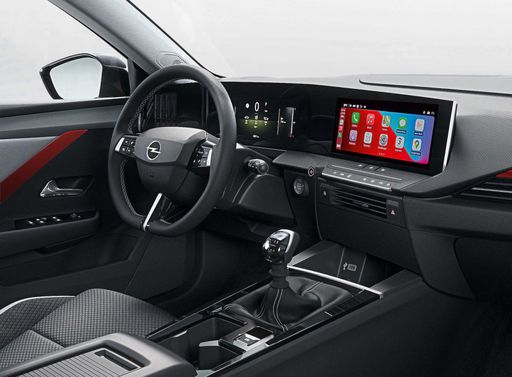
In terms of interior innovations, both models feature modern infotainment systems compatible with Apple CarPlay and Android Auto. However, the Astra's higher-end variants may boast additional luxuries such as premium sound systems and advanced driver-assistance features, further enhancing the driving experience.

Astra

Safety and Efficiency

Safety is paramount in both vehicles. The Astra typically achieves higher safety ratings, thanks to its array of standard and optional safety features such as emergency braking, lane-keeping assistance, and adaptive cruise control. The Corsa is also equipped with solid safety measures, but the Astra's larger size allows for enhanced structural integrity in certain scenarios.

In terms of CO2 emissions, the Astra has options classified in the efficiency ranges of A to C, while the Corsa fares similarly but peaks at C. Both vehicles demonstrate Opel's commitment to reducing their environmental impact, especially with electric and hybrid variants leading the charge.

Corsa

Conclusion: Which One is Right for You?

Choosing between the Opel Astra and Opel Corsa largely comes down to individual needs. If you prioritize performance, space, and versatility in engine options, the Astra is a compelling choice. For those looking for a nimble, efficient hatchback that's perfect for city driving, the Corsa offers fantastic value and practicality.

Ultimately, both the Astra and Corsa embody the essence of modern hatchbacks, blending performance, style, and efficiency. Your choice will depend on your specific needs—whether they lean towards sporty driving dynamics or everyday practicality. Whichever you choose, both models promise to deliver an exemplary driving experience.

Here’s where it gets real: The technical differences in detail

Astra

Costs and Efficiency:

Price and efficiency are often the first things buyers look at. Here it becomes clear which model has the long-term edge – whether at the pump, the plug, or in purchase price.

Vauxhall Corsa is substantially cheaper – starting at 19,600 £ , while the Vauxhall Astra costs 28,300 £ . That’s a price difference of around 8,657 £.

Fuel consumption also shows a difference: the Vauxhall Astra uses 2.2 L/100km and is clearly more efficient than the Vauxhall Corsa with 4.6 L/100km. The difference is about 2.4 L/100km.

In terms of energy consumption, the Vauxhall Corsa is only slightly more efficient: consuming 14.4 kWh/100km compared to 15.3 kWh/100km for the Vauxhall Astra. That’s a difference of about 0.9 kWh/100km.

As for electric range, the Vauxhall Astra offers very slightly more range – reaching up to 454 km, about 30 km more than the Vauxhall Corsa.

Corsa

Engine and Performance:

Under the bonnet, it becomes clear which model is tuned for sportiness and which one takes the lead when you hit the accelerator.

When it comes to engine power, the Vauxhall Astra offers visibly more power – delivering 196 HP compared to 156 HP. That’s roughly 40 HP more horsepower.

When accelerating from 0 to 100 km/h, the Vauxhall Astra is barely quicker – completing the sprint in 7.6 s, while the Vauxhall Corsa takes 7.9 s. That’s about 0.3 s quicker.

There’s also a difference in torque: the Vauxhall Astra delivers noticeably more torque with 360 Nm compared to 260 Nm. That’s about 100 Nm more.

Astra

Space and Everyday Use:

Beyond pure performance, interior space and usability matter most in daily life. This is where you see which car is more practical and versatile.

Both vehicles offer seating for 5 people.

In terms of curb weight, Vauxhall Corsa is clearly lighter – 1,175 kg compared to 1,438 kg. The difference is around 263 kg.

Looking at boot space, the Vauxhall Astra offers visibly more boot space – 422 L compared to 309 L. That’s a difference of about 113 L.

When it comes to payload, the Vauxhall Astra carries a bit more – 502 kg compared to 445 kg. That’s a difference of about 57 kg.

Who wins the race in the data check?

The Vauxhall Astra is decisively ahead in the objective data comparison.
This result only shows which model scores more points on paper – not which of the two cars feels right for you.

from £28,300
Astra

Vauxhall Astra

  • Engine Type : Petrol MHEV, Plugin Hybrid, Diesel, Electric
  • Transmission : Automatic
  • Drive Type : Front-Wheel Drive
  • Power HP : 130 - 196 HP
  • Consumption L/100km : 2.2 - 4.9 L/100km
  • Consumption kWh/100km : 15.3 kWh/100km
  • Electric Range : 83 - 454 km
Vauxhall Astra
Vauxhall Corsa

Costs and Consumption

View detailed analysis

Engine and Performance

View detailed analysis

Dimensions and Body

View detailed analysis

Vauxhall Astra

The Opel Astra strikes a neat balance between everyday practicality and engaging handling, so the daily grind suddenly feels a bit less dull. Inside it's intelligently packaged with modern kit and comfortable seating, making it a very sensible pick for buyers who want a dependable hatchback that doesn't take itself too seriously.

details

Vauxhall Corsa

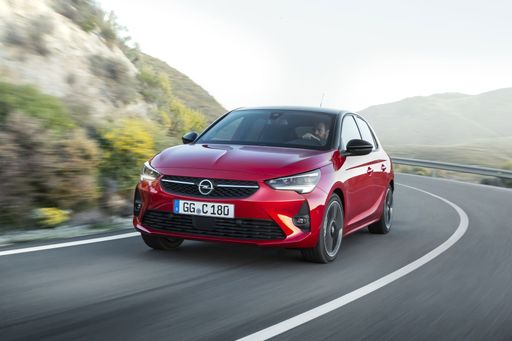
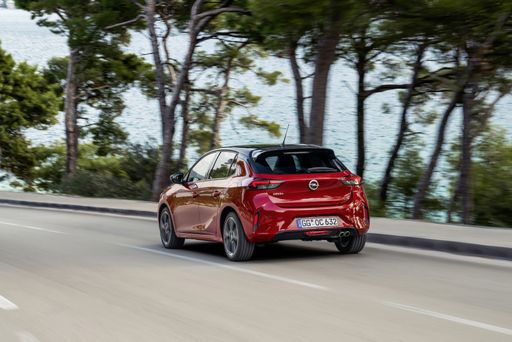
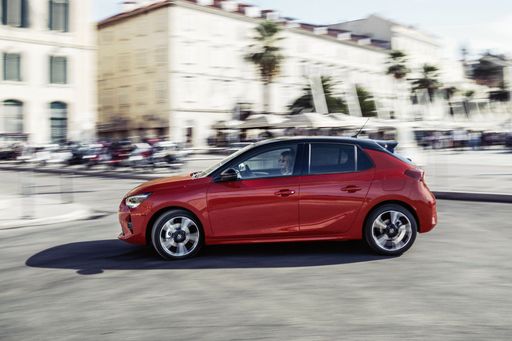
The Opel Corsa is a tidy little package that blends cheeky styling with sensible practicality, perfect for city streets and weekend escapes alike. It’s easy to live with, economical to run and just lively enough to make daily driving a bit more fun.

details
Vauxhall Astra
Vauxhall Corsa

Costs and Consumption

Price
28,300 - 37,900 £
Price
19,600 - 30,600 £
Consumption L/100km
2.2 - 4.9 L/100km
Consumption L/100km
4.6 - 5.2 L/100km
Consumption kWh/100km
15.3 kWh/100km
Consumption kWh/100km
14.4 - 16.2 kWh/100km
Electric Range
83 - 454 km
Electric Range
347 - 424 km
Battery Capacity
-
Battery Capacity
46 - 51 kWh
co2
0 - 130 g/km
co2
0 - 116 g/km
Fuel tank capacity
-
Fuel tank capacity
44 L

Dimensions and Body

Body Type
Hatchback
Body Type
Hatchback
Seats
5
Seats
5
Doors
-
Doors
5
Curb weight
1,438 - 1,733 kg
Curb weight
1,175 - 1,544 kg
Trunk capacity
310 - 422 L
Trunk capacity
267 - 309 L
Length
-
Length
4,061 mm
Width
1,859 mm
Width
1,765 mm
Height
-
Height
1,435 mm
Max trunk capacity
-
Max trunk capacity
1,004 - 1,042 L
Payload
438 - 502 kg
Payload
376 - 445 kg

Engine and Performance

Engine Type
Petrol MHEV, Plugin Hybrid, Diesel, Electric
Engine Type
Electric, Petrol MHEV, Petrol
Transmission
Automatic
Transmission
Automatic, Manuel
Transmission Detail
Dual-Clutch Automatic, Automatic Gearbox, Reduction Gearbox
Transmission Detail
Reduction Gearbox, Dual-Clutch Automatic, Manual Gearbox
Drive Type
Front-Wheel Drive
Drive Type
Front-Wheel Drive
Power HP
130 - 196 HP
Power HP
100 - 156 HP
Acceleration 0-100km/h
7.6 - 10.6 s
Acceleration 0-100km/h
7.9 - 9.9 s
Max Speed
-
Max Speed
150 - 210 km/h
Torque
230 - 360 Nm
Torque
205 - 260 Nm
Number of Cylinders
3 - 4
Number of Cylinders
3
Power kW
96 - 144 kW
Power kW
74 - 115 kW
Engine capacity
1,199 - 1,598 cm3
Engine capacity
1,199 cm3

General

Model Year
2,026
Model Year
2,024 - 2,025
CO2 Efficiency Class
C, B, D, A
CO2 Efficiency Class
A, C, D
Brand
Vauxhall
Brand
Vauxhall
DriveDuel uses data analysis and artificial intelligence to evaluate vehicle data and create content. Content is regularly reviewed and improved. The displayed prices are estimates based on German list prices, adjusted to the respective country’s VAT. Country-specific registration taxes are not included. This information is not legally binding.