VS

Peugeot 208 vs CUPRA Raval comparison

Compare performance (156 HP vs 226 HP), boot space and price (21,000 £ vs 22,200 £ ) at a glance. Find out which car is the better choice for you – Peugeot 208 or CUPRA Raval?

Peugeot 208 vs CUPRA Raval: Key differences

Peugeot 208

4 (2 Reviews)
rate
  • only slightly cheaper
  • clearly lighter
details

CUPRA Raval

4.6 (2 Reviews)
rate
  • noticeably more power
  • barely more efficient
  • only slightly more electric range
  • visibly quicker 0–100 km/h
  • noticeably more trunk space
details

All details on performance, efficiency, range and trunk space can be found in the technical comparison below – including user reviews for both models.

By Achim Sedelmaier

208

Peugeot 208 VS CUPRA Raval — quick take

Peugeot 208 VS CUPRA Raval pitches French chic and everyday poise against a compact, performance‑leaning newcomer that prioritises space and traction. The Peugeot 208 leans into perceived quality, a composed highway demeanor and urban agility, while the CUPRA Raval focuses on stronger acceleration, a very large boot and more overt sportiness. Choosing between them is more about priorities than outright superiority: one sells refinement and small‑car charm, the other sells usable cabin volume and brash on‑demand pace. Read on to see which traits matter most for your daily life and what each car trades away to deliver them.
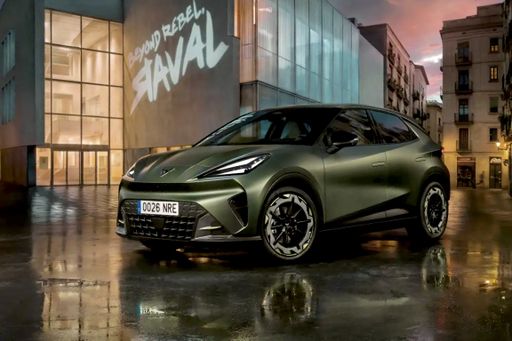
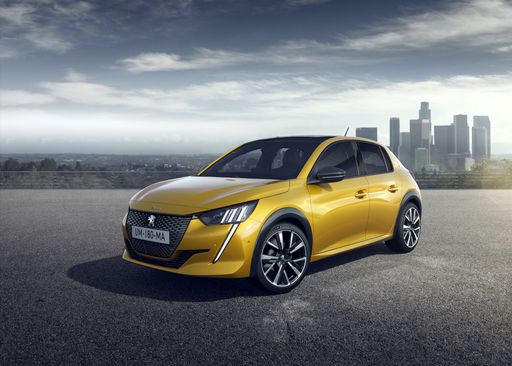
Raval

Character and driving dynamics

The Peugeot 208 feels like a tidy, composed city car with an emphasis on refinement; its steering and short turning circle make it feel light and easy in town, and it rewards relaxed inputs on longer runs. The CUPRA Raval telegraphs a different intent: more shove on demand, sharper traction from its front‑end setup and an adaptive chassis that lets it tighten up into a proper hot‑hatch temperament. That extra shove in the Raval translates into brisker overtakes and a more eager on‑ramp presence, whereas the 208’s temperament is steadier and less showy. If you crave playful responsiveness and confidence out of corners, the CUPRA leans closer to that; if you prefer an assured, civilised daily drive, the Peugeot will feel more at home.

208

Comfort and long‑distance behavior

On motorways and long stretches the Peugeot 208 underlines its strengths: it isolates engine and road noise well for the class and soothes fatigue with comfortable front seats and a calm ride in standard setups. The CUPRA Raval counters with adaptable suspension that can be tuned softer for long trips or firmer for spirited driving, and its general NVH control is surprisingly mature given the sportier focus. That said, sport seats or performance trims in the Raval can become firm sooner, while the 208’s soft‑edge setup can feel slightly unsettled over very rough surfaces if you choose larger wheels. For long, relaxed miles pick the Peugeot 208; for a car you can switch between comfortable cruiser and lively driver’s car, the CUPRA Raval offers more flexibility.

Raval

City friendliness and everyday usability

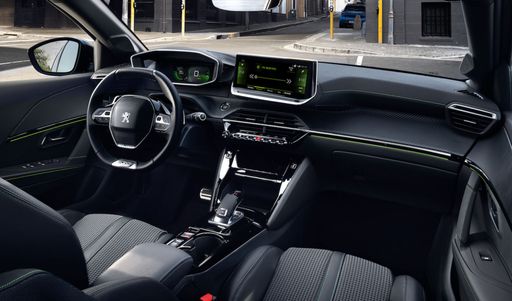
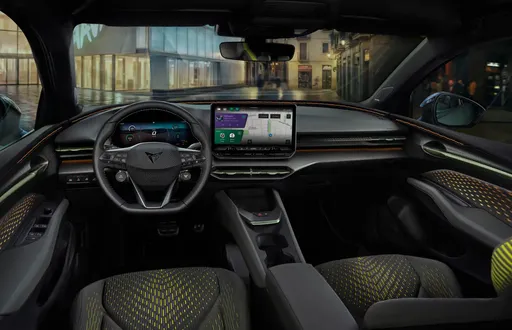
Both cars are compact, but they approach urban life differently: the Peugeot 208’s small steering wheel and light turn-in make daily manoeuvres feel effortless, though its i‑Cockpit ergonomics and thicker pillars can complicate sightlines for some drivers. The CUPRA Raval is just as city-capable in practice thanks to one‑pedal driving, good park aids and a composed ride in comfort mode, and its stronger traction helps in slippery conditions. Infotainment and control logic feel more modern and snappier in the Raval, which reduces fuss on the move, while the 208’s interior controls are cleaner and more tactile up front but sometimes less responsive. If tight parking and nimbleness are the top priority, the 208 nudges ahead; if you want tech that aids daily chores and a more spacious feel, the Raval eases the workload.

208

Practicality, cabin feel and perceived quality

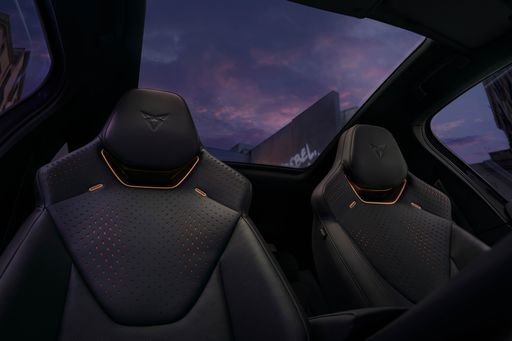
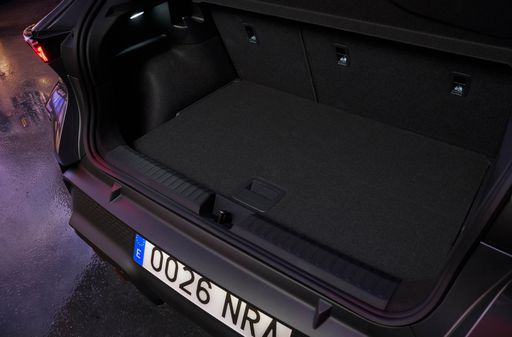
The CUPRA Raval wins the practicality battle hands down with a noticeably larger, deeper boot and a rear bench that’s genuinely more usable for adults or bulky family kit, making it the pragmatic choice for shoppers who prioritise cargo and rear comfort. The Peugeot 208 fights back with an interior that often reads as more premium at first glance — softer surfaces, thoughtful details and a cabin that feels “one class higher” in finish. That means buyers who value a classy cabin for two will appreciate the Peugeot 208, whereas families or anyone hauling stuff daily will prefer the CUPRA Raval’s superior space and smarter storage solutions. Both cabins have smart touches, but the trade‑off is clear: the 208 trades cargo room for perceived quality, the Raval trades some finesse for real‑world usefulness.

Raval

Buyer fit and the trade‑offs that matter

If your priority is style, quiet cruising and a compact, easy daily companion, the Peugeot 208 suits singles or couples who place cabin feel and economical running at the top of the list. If you need roomy luggage capacity, usable rear seats, sharper on‑demand performance and a modern infotainment experience, the CUPRA Raval fits better for young families and drivers who want a sporty edge without sacrificing practicality. Price positioning and trim timing also matter: the 208 typically sits lower on entry price and rewards spec choices, while the Raval’s early trims skew upmarket until more affordable versions arrive. With those real‑world trade‑offs clear, the technical comparison that follows will help you decide whether you prioritise efficiency and refinement or space and dynamic muscle.

Here’s where it gets real: The technical differences in detail

208

Costs and Efficiency:

Looking at overall running costs, both models reveal some interesting differences in everyday economy.

Peugeot 208 is only slightly cheaper – starting at 21,000 £ , while the CUPRA Raval costs 22,200 £ . That’s a price difference of around 1,260 £.

In terms of energy consumption, the CUPRA Raval is barely more efficient: consuming 13.6 kWh/100km compared to 14.1 kWh/100km for the Peugeot 208. That’s a difference of about 0.5 kWh/100km.

As for electric range, the CUPRA Raval offers only slightly more range – reaching up to 445 km, about 13 km more than the Peugeot 208.

Raval

Engine and Performance:

Power, torque and acceleration say a lot about how a car feels on the road. This is where you see which model delivers more driving dynamics.

When it comes to engine power, the CUPRA Raval offers noticeably more power – delivering 226 HP compared to 156 HP. That’s roughly 70 HP more horsepower.

When accelerating from 0 to 100 km/h, the CUPRA Raval is visibly quicker – completing the sprint in 6.8 s, while the Peugeot 208 takes 8.3 s. That’s about 1.5 s quicker.

There’s also a difference in torque: the CUPRA Raval delivers barely more torque with 290 Nm compared to 270 Nm. That’s about 20 Nm more.

208

Space and Everyday Use:

Beyond pure performance, interior space and usability matter most in daily life. This is where you see which car is more practical and versatile.

Both vehicles offer seating for 5 people.

In terms of curb weight, Peugeot 208 is clearly lighter – 1,165 kg compared to 1,610 kg. The difference is around 445 kg.

Looking at boot space, the CUPRA Raval offers noticeably more boot space – 441 L compared to 352 L. That’s a difference of about 89 L.

When it comes to payload, the CUPRA Raval carries only slightly more – 475 kg compared to 430 kg. That’s a difference of about 45 kg.

Who wins the race in the data check?

The CUPRA Raval is clearly superior overall in the objective data comparison.
This result only shows which model scores more points on paper – not which of the two cars feels right for you.

from £22,200
Raval

CUPRA Raval

  • Engine Type Electric
  • Transmission Automatic
  • Drive Type Front-Wheel Drive
  • Power HP 116 - 226 HP
  • Consumption kWh/100km 13.6 - 16.1 kWh/100km
  • Electric Range 300 - 445 km
Peugeot 208
CUPRA Raval

Costs and Consumption

View detailed analysis

Engine and Performance

View detailed analysis

Dimensions and Body

View detailed analysis

Peugeot 208

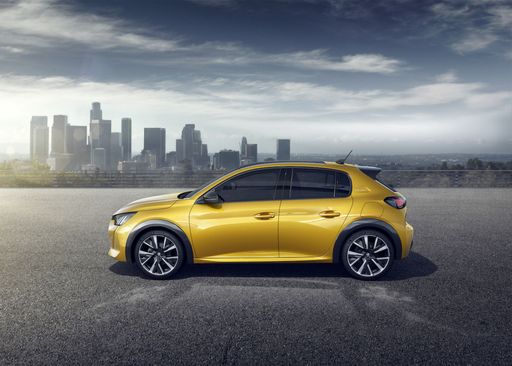
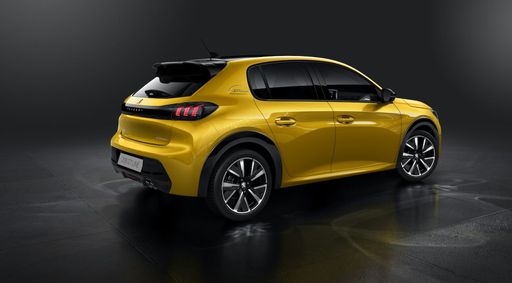
The Peugeot 208 feels like a city-savvy fox: compact, stylish and surprisingly grown-up, with a cabin that punches above its weight and enough personality to make daily commutes a little less boring. It’s a smart pick for buyers who want chic practicality without the showroom bluster — easy to park, thrifty to run and oddly fun when the road tightens up.

details

CUPRA Raval

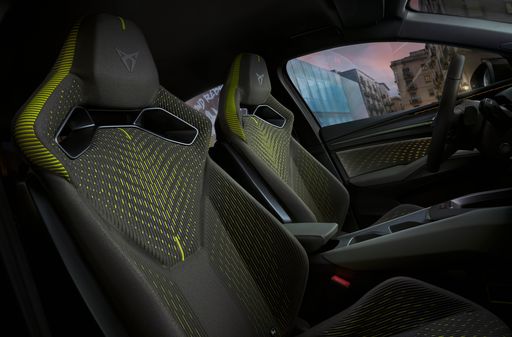
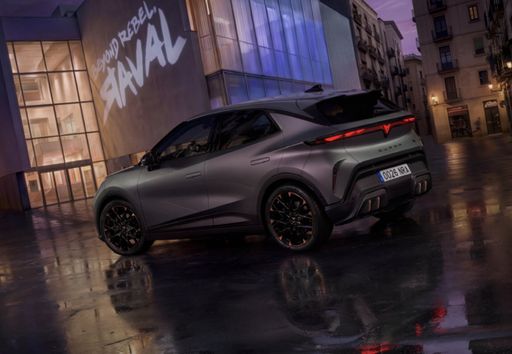
The CUPRA Raval is a compact electric hatch that mixes hot‑hatch intent with genuine everyday practicality, pairing an unusually roomy, flexible boot with a modern Android‑based infotainment that feels responsive. It drives in a composed, traction‑rich way that suits city and family life, though the steering leans toward assuredness rather than playfulness and some climate controls rely on touch sliders that can be fiddly on the move.

details
Peugeot 208
CUPRA Raval

Costs and Consumption

Price
21,000 - 33,200 £
Price
22,200 - 39,900 £
Consumption L/100km
4.5 - 5.1 L/100km
Consumption L/100km
-
Consumption kWh/100km
14.1 - 15.4 kWh/100km
Consumption kWh/100km
13.6 - 16.1 kWh/100km
Electric Range
363 - 432 km
Electric Range
300 - 445 km
Battery Capacity
-
Battery Capacity
-
co2
0 - 116 g/km
co2
0 g/km
Fuel tank capacity
-
Fuel tank capacity
-

Dimensions and Body

Body Type
Hatchback
Body Type
Hatchback
Seats
5
Seats
5
Doors
-
Doors
-
Curb weight
1,165 - 1,530 kg
Curb weight
1,610 - 1,615 kg
Trunk capacity
309 - 352 L
Trunk capacity
441 L
Length
-
Length
-
Width
1,745 mm
Width
1,784 mm
Height
-
Height
-
Max trunk capacity
-
Max trunk capacity
-
Payload
380 - 430 kg
Payload
470 - 475 kg

Engine and Performance

Engine Type
Petrol MHEV, Electric, Petrol
Engine Type
Electric
Transmission
Automatic, Manuel
Transmission
Automatic
Transmission Detail
Dual-Clutch Automatic, Reduction Gearbox, Manual Gearbox
Transmission Detail
Reduction Gearbox
Drive Type
Front-Wheel Drive
Drive Type
Front-Wheel Drive
Power HP
101 - 156 HP
Power HP
116 - 226 HP
Acceleration 0-100km/h
8.3 - 10.9 s
Acceleration 0-100km/h
6.8 - 7.1 s
Max Speed
-
Max Speed
-
Torque
205 - 270 Nm
Torque
290 Nm
Number of Cylinders
3
Number of Cylinders
-
Power kW
74 - 115 kW
Power kW
85 - 166 kW
Engine capacity
1,199 cm3
Engine capacity
-

General

Model Year
2,025 - 2,026
Model Year
2026
CO2 Efficiency Class
C, A, D
CO2 Efficiency Class
A
Brand
Peugeot
Brand
CUPRA
DriveDuel uses data analysis and artificial intelligence to evaluate vehicle data and create content. Content is regularly reviewed and improved. The displayed prices are estimates based on German list prices, adjusted to the respective country’s VAT. Country-specific registration taxes are not included. This information is not legally binding.