VS

Polestar 2 vs Hyundai IONIQ 5 comparison

Compare performance (476 HP vs 650 HP), boot space and price (42,000 £ vs 38,500 £ ) at a glance. Find out which car is the better choice for you – Polestar 2 or Hyundai IONIQ 5?

Polestar 2 vs Hyundai IONIQ 5: Key differences

Polestar 2

5 (1 Reviews)
rate
  • barely more efficient
  • somewhat more electric range

Hyundai IONIQ 5

5 (2 Reviews)
rate
  • marginally cheaper
  • visibly more power
  • markedly quicker 0–100 km/h
  • barely lighter
  • markedly more trunk space

All details on performance, efficiency, range and trunk space can be found in the technical comparison below – including user reviews for both models.

2

Innovative Electric Motoring: Hyundai IONIQ 5 vs. Polestar 2

In the ever-evolving world of electric vehicles, the Hyundai IONIQ 5 and the Polestar 2 both aim to redefine the driving experience with cutting-edge technology, striking design, and impressive performance. Let's delve into the specifications and innovations of these two models to see how they stack up against each other.
IONIQ 5

Power and Performance

The Hyundai IONIQ 5 offers a range of power outputs, from 170 HP up to a staggering 609 HP for those seeking more thrill. This versatile SUV provides both rear-wheel and all-wheel drive options, catering to a diverse audience. Its impressive acceleration of 0-100 km/h in as little as 3.5 seconds showcases its dynamic capability.

On the other hand, the Polestar 2 sticks with all-wheel and rear-wheel drive configurations, offering power outputs from 272 HP to 476 HP, with a nimble acceleration of 4.2 seconds from 0-100 km/h at its fastest. The Polestar 2 is not only quick but also sports a respectable top speed of 205 km/h, compared to the IONIQ 5's cap of 260 km/h.

2

Range and Efficiency

When it comes to range, the Polestar 2 edges ahead slightly, offering up to 659 km on a single charge, while the IONIQ 5 follows with a commendable maximum range of 570 km. In terms of energy consumption, the IONIQ 5 ranges from 15.6 to 21.2 kWh/100km, whereas the Polestar 2 is slightly more efficient with a consumption range from 14.7 to 16.8 kWh/100km.

IONIQ 5

Design and Dimensions

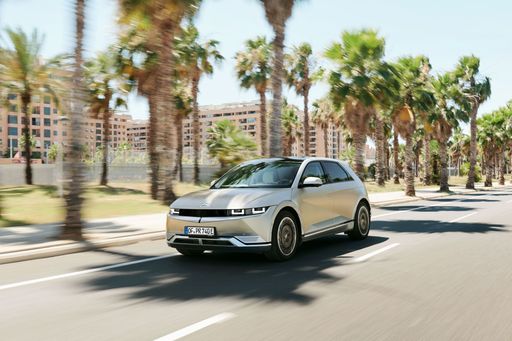
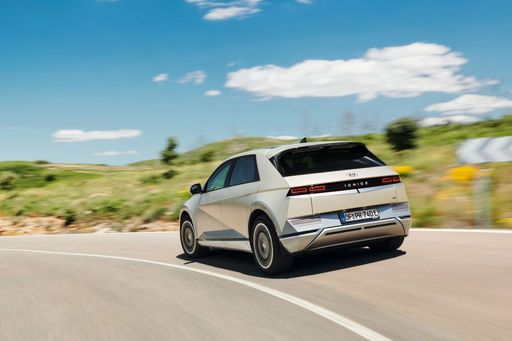
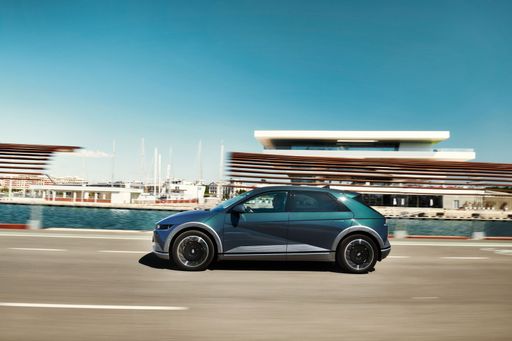
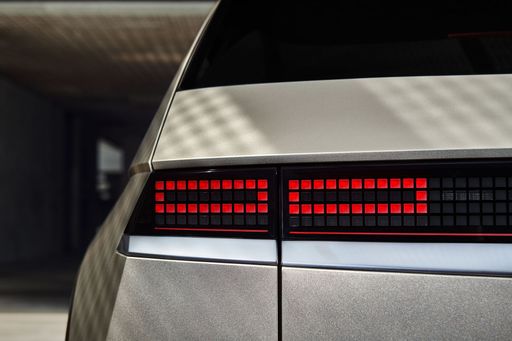
The IONIQ 5 boasts a futuristic, boxy design that gives it an SUV feel, measuring up to 4715 mm in length, 1940 mm in width, and 1585 mm in height. This space-saving design supports a generous trunk capacity of up to 520 liters.

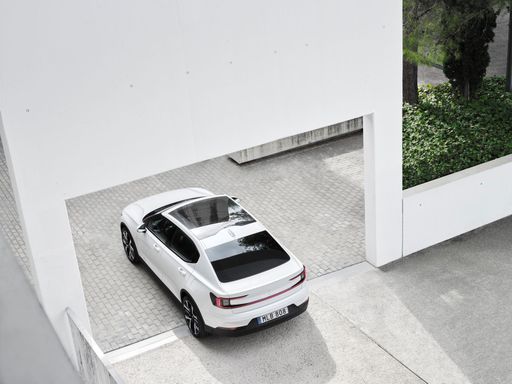
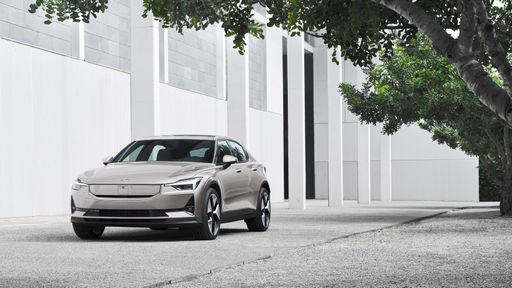
Conversely, the Polestar 2 adopts a sleek and contemporary hatchback design, slightly smaller in stature at 4606 mm in length, 1859 mm in width, and up to 1479 mm in height. Though more compact, it still offers a functional trunk space of 405 liters.

2

Technology and Features

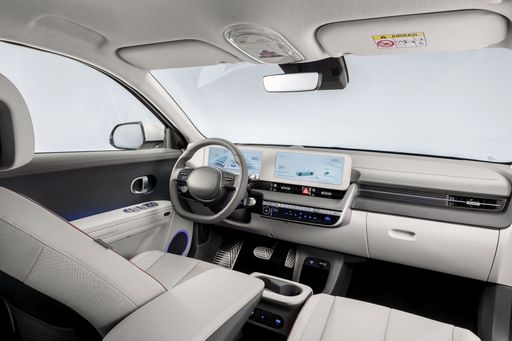
Both vehicles showcase cutting-edge technology, embodying the future of intelligent automotive design. The IONIQ 5 comes equipped with Hyundai's latest infotainment systems and safety features, ensuring a smart and safe driving experience.

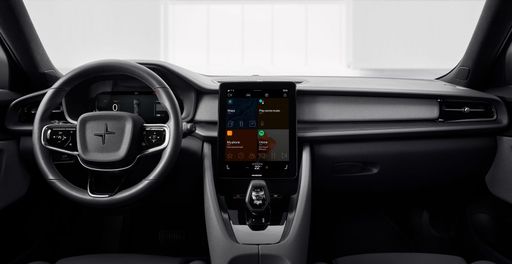
The Polestar 2 is equally tech-driven, offering advanced driver assistance systems and Google-based infotainment for a seamlessly integrated drive. Its clean Scandinavian design emphasizes sustainability without compromising luxury.

IONIQ 5

The Verdict

Choosing between the Hyundai IONIQ 5 and the Polestar 2 ultimately comes down to personal preference and priorities. The IONIQ 5 is ideal for those seeking a versatile and powerful electric SUV with a futuristic design, while the Polestar 2 offers an efficient and stylish alternative for hatchback enthusiasts.

Both cars excel in their own right, pushing the boundaries of what electric vehicles can achieve in terms of performance, range, and technological innovation.

Here’s where it gets real: The technical differences in detail

2

Costs and Efficiency:

Price and efficiency are key factors when choosing a car – and this is often where the real differences emerge.

Hyundai IONIQ 5 is marginally cheaper – starting at 38,500 £ , while the Polestar 2 costs 42,000 £ . That’s a price difference of around 3,506 £.

In terms of energy consumption, the Polestar 2 is barely more efficient: consuming 14.8 kWh/100km compared to 15.6 kWh/100km for the Hyundai IONIQ 5. That’s a difference of about 0.8 kWh/100km.

As for electric range, the Polestar 2 offers somewhat more range – reaching up to 659 km, about 89 km more than the Hyundai IONIQ 5.

IONIQ 5

Engine and Performance:

Power, torque and acceleration say a lot about how a car feels on the road. This is where you see which model delivers more driving dynamics.

When it comes to engine power, the Hyundai IONIQ 5 offers visibly more power – delivering 650 HP compared to 476 HP. That’s roughly 174 HP more horsepower.

When accelerating from 0 to 100 km/h, the Hyundai IONIQ 5 is markedly quicker – completing the sprint in 3.5 s, while the Polestar 2 takes 4.2 s. That’s about 0.7 s quicker.

Looking at top speed, the Hyundai IONIQ 5 is markedly faster – reaching 260 km/h, while the Polestar 2 tops out at 205 km/h. The difference is around 55 km/h.

There’s also a difference in torque: the Hyundai IONIQ 5 delivers very slightly more torque with 770 Nm compared to 740 Nm. That’s about 30 Nm more.

2

Space and Everyday Use:

Cabin size, boot volume and payload all play a role in everyday practicality. Here, comfort and flexibility make the difference.

Both vehicles offer seating for 5 people.

In terms of curb weight, Hyundai IONIQ 5 is barely lighter – 1,955 kg compared to 2,015 kg. The difference is around 60 kg.

Looking at boot space, the Hyundai IONIQ 5 offers markedly more boot space – 520 L compared to 405 L. That’s a difference of about 115 L.

For maximum load capacity, the Hyundai IONIQ 5 offers clearly more capacity – up to 1,580 L, about 485 L more than the Polestar 2.

When it comes to payload, the Hyundai IONIQ 5 carries visibly more – 530 kg compared to 421 kg. That’s a difference of about 109 kg.

Who wins the race in the data check?

The Hyundai IONIQ 5 stands well ahead of its rival in the objective data comparison.
This result only shows which model scores more points on paper – not which of the two cars feels right for you.

from £38,500
IONIQ 5

Hyundai IONIQ 5

  • Engine Type : Electric
  • Transmission : Automatic
  • Drive Type : Rear-Wheel Drive, All-Wheel Drive
  • Power HP : 170 - 650 HP
  • Consumption kWh/100km : 15.6 - 21.2 kWh/100km
  • Electric Range : 440 - 570 km
Polestar 2
Hyundai IONIQ 5

Costs and Consumption

View detailed analysis

Engine and Performance

View detailed analysis

Dimensions and Body

View detailed analysis

Polestar 2

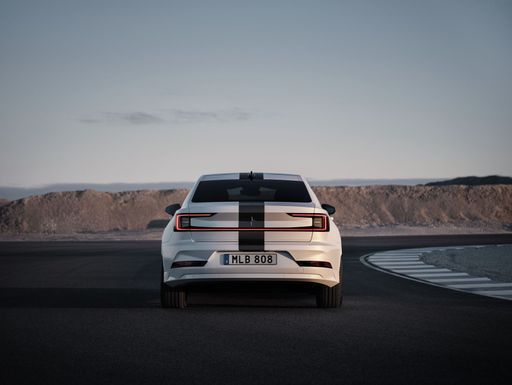
The Polestar 2 is a crisp, Scandinavian-styled electric liftback that pairs minimalist luxury with a focused, driver's attitude. It feels agile and composed whether you’re commuting or heading out for the weekend, with a tech-forward cabin and enough personality to make everyday driving a bit more fun.

details

Hyundai IONIQ 5

The Hyundai IONIQ 5 looks like a spaceship that moved into suburbia, pairing bold retro‑futuristic styling with a roomy, cleverly laid-out cabin that makes long trips surprisingly comfortable. Its electric character delivers instant, silky acceleration and low running costs, making it a smart, slightly cheeky pick for buyers who want tech, practicality and personality without the drama.

details
Polestar 2
Hyundai IONIQ 5

Costs and Consumption

Price
42,000 - 57,400 £
Price
38,500 - 64,200 £
Consumption L/100km
-
Consumption L/100km
-
Consumption kWh/100km
14.8 - 16.8 kWh/100km
Consumption kWh/100km
15.6 - 21.2 kWh/100km
Electric Range
554 - 659 km
Electric Range
440 - 570 km
Battery Capacity
78 kWh
Battery Capacity
63 - 84 kWh
co2
0 g/km
co2
0 g/km
Fuel tank capacity
-
Fuel tank capacity
-

Dimensions and Body

Body Type
Sedan
Body Type
SUV
Seats
5
Seats
5
Doors
5
Doors
5
Curb weight
2,015 - 2,188 kg
Curb weight
1,955 - 2,275 kg
Trunk capacity
405 L
Trunk capacity
480 - 520 L
Length
4,606 mm
Length
4,655 - 4,715 mm
Width
1,859 mm
Width
1,890 - 1,940 mm
Height
1,473 - 1,479 mm
Height
1,585 - 1,605 mm
Max trunk capacity
1,095 L
Max trunk capacity
1,540 - 1,580 L
Payload
375 - 421 kg
Payload
385 - 530 kg

Engine and Performance

Engine Type
Electric
Engine Type
Electric
Transmission
Automatic
Transmission
Automatic
Transmission Detail
Reduction Gearbox
Transmission Detail
Reduction Gearbox
Drive Type
All-Wheel Drive, Rear-Wheel Drive
Drive Type
Rear-Wheel Drive, All-Wheel Drive
Power HP
272 - 476 HP
Power HP
170 - 650 HP
Acceleration 0-100km/h
4.2 - 6.4 s
Acceleration 0-100km/h
3.5 - 8.5 s
Max Speed
205 km/h
Max Speed
185 - 260 km/h
Torque
490 - 740 Nm
Torque
350 - 770 Nm
Number of Cylinders
-
Number of Cylinders
-
Power kW
200 - 350 kW
Power kW
125 - 478 kW
Engine capacity
-
Engine capacity
-

General

Model Year
2,024
Model Year
2,024 - 2,025
CO2 Efficiency Class
A
CO2 Efficiency Class
A
Brand
Polestar
Brand
Hyundai
DriveDuel uses data analysis and artificial intelligence to evaluate vehicle data and create content. Content is regularly reviewed and improved. The displayed prices are estimates based on German list prices, adjusted to the respective country’s VAT. Country-specific registration taxes are not included. This information is not legally binding.