
 Deutschland
 France
 Nederland
 Great Britain
 Sverige
 Danmark
 Suomi
Suomi Italia
 Polska
 Česko
Česko España
VS
Porsche Cayenne vs BMW 4 Series Gran Coupe comparison
Compare performance (1,156 HP vs 392 HP), boot space and price (90,200 £ vs 46,200 £ ) at a glance. Find out which car is the better choice for you – Porsche Cayenne or BMW 4 Series Gran Coupe?
Porsche Cayenne vs BMW 4 Series Gran Coupe: Key differences
Cayenne
Costs and Efficiency:
Looking at overall running costs, both models reveal some interesting differences in everyday economy.
BMW 4 Series Gran Coupe is significantly cheaper – starting at 46,200 £ , while the Porsche Cayenne costs 90,200 £ . That’s a price difference of around 43,971 £.
Fuel consumption also shows a difference: the Porsche Cayenne uses 4 L/100km and is noticeably more efficient than the BMW 4 Series Gran Coupe with 5 L/100km. The difference is about 1 L/100km.
4 Series Gran Coupe
Engine and Performance:
Power, torque and acceleration are the classic benchmarks for car enthusiasts – and here, some clear differences start to show.
When it comes to engine power, the Porsche Cayenne offers considerably more power – delivering 1,156 HP compared to 392 HP. That’s roughly 764 HP more horsepower.
When accelerating from 0 to 100 km/h, the Porsche Cayenne is significantly quicker – completing the sprint in 2.5 s, while the BMW 4 Series Gran Coupe takes 4.6 s. That’s about 2.1 s quicker.
There’s also a difference in torque: the Porsche Cayenne delivers substantially more torque with 1,500 Nm compared to 650 Nm. That’s about 850 Nm more.
Cayenne
Space and Everyday Use:
Beyond pure performance, interior space and usability matter most in daily life. This is where you see which car is more practical and versatile.
Both vehicles offer seating for 5 people.
In terms of curb weight, BMW 4 Series Gran Coupe is visibly lighter – 1,695 kg compared to 2,130 kg. The difference is around 435 kg.
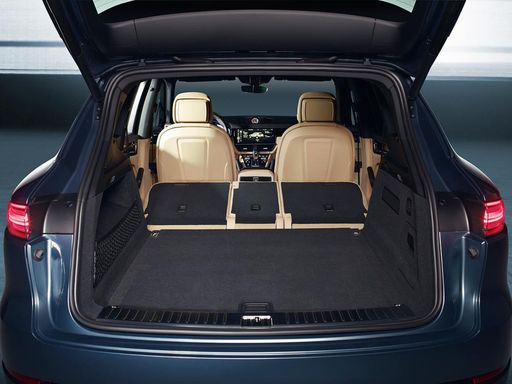
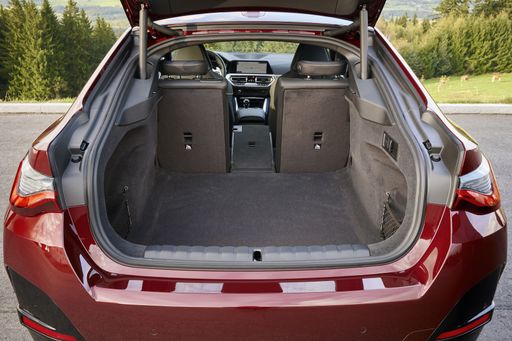
Looking at boot space, the Porsche Cayenne offers visibly more boot space – 781 L compared to 470 L. That’s a difference of about 311 L.
When it comes to payload, the Porsche Cayenne carries markedly more – 705 kg compared to 480 kg. That’s a difference of about 225 kg.
Who wins the race in the data check?
The Porsche Cayenne holds a decisive overall lead in the objective data comparison.
This result only shows which model scores more points on paper – not which of the two cars feels right for you.
from £90,200
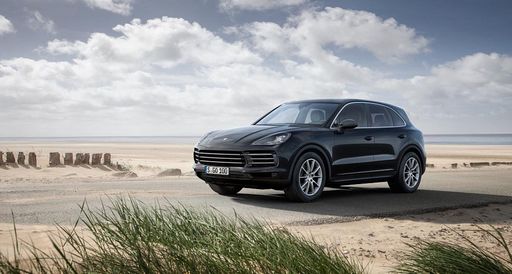
Porsche Cayenne
Porsche Cayenne
BMW 4 Series Gran Coupe
Costs and Consumption
View detailed analysis
View detailed analysis
Engine and Performance
View detailed analysis
View detailed analysis
Dimensions and Body
View detailed analysis
View detailed analysis
Porsche Cayenne
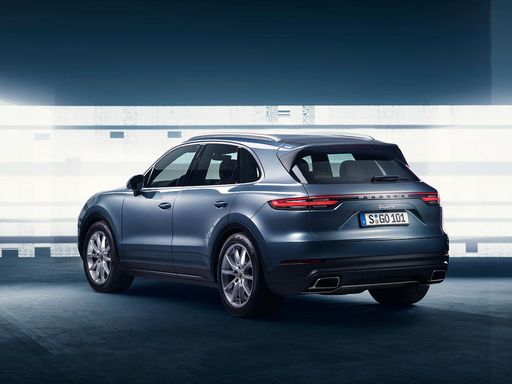
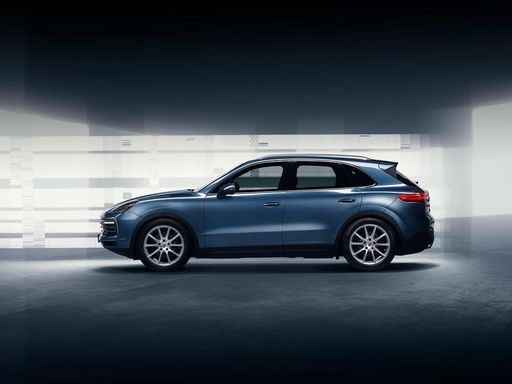
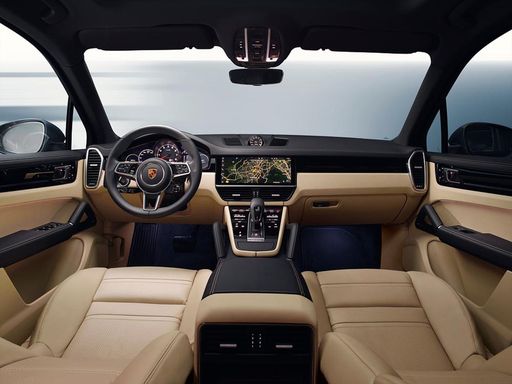
Few SUVs blend athletic poise and Teutonic precision like the Porsche Cayenne, putting genuine sports‑car feeling into a roomy, everyday package. If you want a practical family hauler that still makes you grin every time you merge, the Cayenne delivers — turning errands into an excuse for a spirited drive.
details
BMW 4 Series Gran Coupe
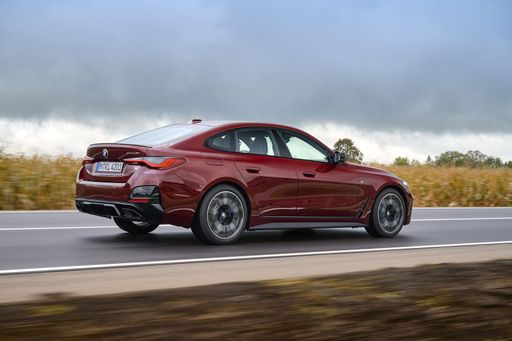
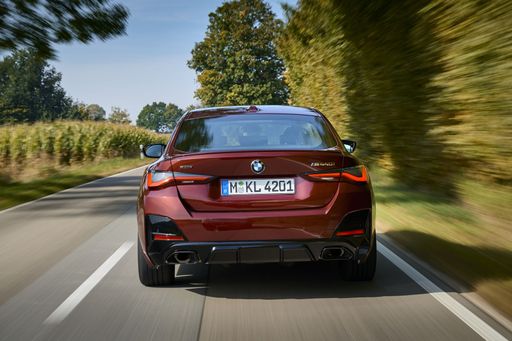
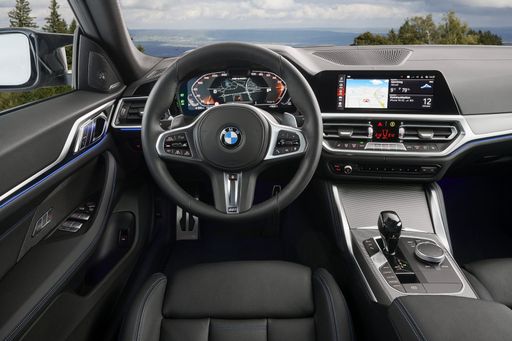
The BMW 4 Series Gran Coupe marries coupe-like drama with hatchback practicality, offering a sloping roofline that still lets you load bags without a wrestling match. It steers with familiar BMW poise, so buyers after sporty looks and everyday usability get the best of both worlds—and a car that makes the commute feel a bit more glamorous.
details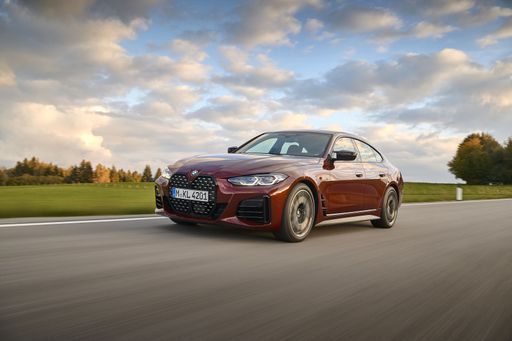
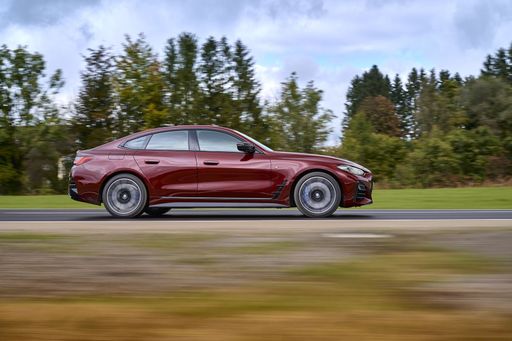
Porsche Cayenne
BMW 4 Series Gran Coupe
Costs and Consumption |
|
|---|---|
|
Price
90,200 - 144,400 £
|
Price
46,200 - 68,800 £
|
|
Consumption L/100km
4 - 11 L/100km
|
Consumption L/100km
5 - 7.8 L/100km
|
|
Consumption kWh/100km
18.9 - 20.6 kWh/100km
|
Consumption kWh/100km
-
|
|
Electric Range
74 - 668 km
|
Electric Range
-
|
|
Battery Capacity
-
|
Battery Capacity
-
|
|
co2
0 - 249 g/km
|
co2
131 - 179 g/km
|
|
Fuel tank capacity
-
|
Fuel tank capacity
-
|
Dimensions and Body |
|
|---|---|
|
Body Type
SUV
|
Body Type
Hatchback
|
|
Seats
4 - 5
|
Seats
5
|
|
Doors
-
|
Doors
-
|
|
Curb weight
2,130 - 2,725 kg
|
Curb weight
1,695 - 1,935 kg
|
|
Trunk capacity
434 - 781 L
|
Trunk capacity
470 L
|
|
Length
-
|
Length
-
|
|
Width
1,980 - 1,983 mm
|
Width
1,852 mm
|
|
Height
-
|
Height
-
|
|
Max trunk capacity
-
|
Max trunk capacity
-
|
|
Payload
525 - 705 kg
|
Payload
480 kg
|
Engine and Performance |
|
|---|---|
|
Engine Type
Petrol, Plugin Hybrid, Electric
|
Engine Type
Diesel MHEV, Petrol, Petrol MHEV
|
|
Transmission
Automatic
|
Transmission
Automatic
|
|
Transmission Detail
Automatic Gearbox, Reduction Gearbox
|
Transmission Detail
Automatic Gearbox
|
|
Drive Type
All-Wheel Drive
|
Drive Type
All-Wheel Drive, Rear-Wheel Drive
|
|
Power HP
353 - 1,156 HP
|
Power HP
184 - 392 HP
|
|
Acceleration 0-100km/h
2.5 - 6 s
|
Acceleration 0-100km/h
4.6 - 7.9 s
|
|
Max Speed
-
|
Max Speed
-
|
|
Torque
500 - 1,500 Nm
|
Torque
300 - 650 Nm
|
|
Number of Cylinders
6
|
Number of Cylinders
4 - 6
|
|
Power kW
260 - 850 kW
|
Power kW
135 - 288 kW
|
|
Engine capacity
2,995 cm3
|
Engine capacity
1,995 - 2,998 cm3
|
General |
|
|---|---|
|
Model Year
2,025 - 2,026
|
Model Year
2,024 - 2,025
|
|
CO2 Efficiency Class
G, B, A
|
CO2 Efficiency Class
E, D, F, G
|
|
Brand
Porsche
|
Brand
BMW
|
DriveDuel uses data analysis and artificial intelligence to evaluate vehicle data and create content. Content is regularly reviewed and improved.
The displayed prices are estimates based on German list prices, adjusted to the respective country’s VAT. Country-specific registration taxes are not included. This information is not legally binding.