
 Deutschland
 France
 Nederland
 Great Britain
 Sverige
 Danmark
 Suomi
Suomi Italia
 Polska
 Česko
Česko España
VS
Porsche Cayman vs Peugeot Rifter comparison
Compare performance (500 HP vs 130 HP), boot space and price (136,000 £ vs 22,900 £ ) at a glance. Find out which car is the better choice for you – Porsche Cayman or Peugeot Rifter?
Porsche Cayman vs Peugeot Rifter: Key differences
All details on performance, efficiency, range and trunk space can be found in the technical comparison below – including user reviews for both models.
Cayman
Costs and Efficiency:
Price and efficiency are key factors when choosing a car – and this is often where the real differences emerge.
Peugeot Rifter is considerably cheaper – starting at 22,900 £ , while the Porsche Cayman costs 136,000 £ . That’s a price difference of around 113,168 £.
Fuel consumption also shows a difference: the Peugeot Rifter uses 5.4 L/100km and is substantially more efficient than the Porsche Cayman with 13 L/100km. The difference is about 7.6 L/100km.
Rifter
Engine and Performance:
Under the bonnet, it becomes clear which model is tuned for sportiness and which one takes the lead when you hit the accelerator.
When it comes to engine power, the Porsche Cayman offers significantly more power – delivering 500 HP compared to 130 HP. That’s roughly 370 HP more horsepower.
When accelerating from 0 to 100 km/h, the Porsche Cayman is substantially quicker – completing the sprint in 3.4 s, while the Peugeot Rifter takes 11.3 s. That’s about 7.9 s quicker.
There’s also a difference in torque: the Porsche Cayman delivers noticeably more torque with 450 Nm compared to 300 Nm. That’s about 150 Nm more.
Space and Everyday Use:
Cabin size, boot volume and payload all play a role in everyday practicality. Here, comfort and flexibility make the difference.
Seats: Peugeot Rifter offers more seats – 7 vs 2.
In terms of curb weight, Porsche Cayman is marginally lighter – 1,490 kg compared to 1,498 kg. The difference is around 8 kg.
Looking at boot space, the Peugeot Rifter offers substantially more boot space – 1,050 L compared to 184 L. That’s a difference of about 866 L.
When it comes to payload, the Peugeot Rifter carries considerably more – 814 kg compared to 281 kg. That’s a difference of about 533 kg.
Who wins the race in the data check?
The Peugeot Rifter holds a decisive overall lead in the objective data comparison.
This result only shows which model scores more points on paper – not which of the two cars feels right for you.
from £22,900
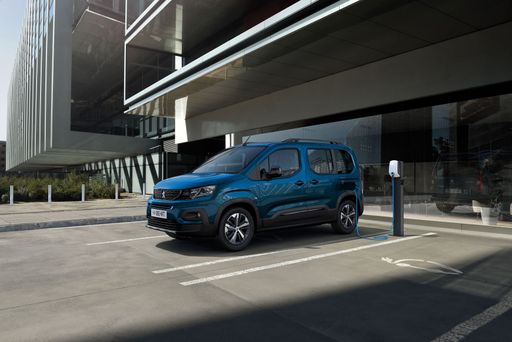
Peugeot Rifter
Porsche Cayman
Peugeot Rifter
Costs and Consumption
View detailed analysis
View detailed analysis
Engine and Performance
View detailed analysis
View detailed analysis
Dimensions and Body
View detailed analysis
View detailed analysis
Porsche Cayman
The Porsche Cayman stands out as a quintessential sports car, blending sleek design with dynamic handling. Its mid-engine layout provides an excellent balance and sharp agility that driving enthusiasts crave. Inside, the Cayman offers a refined and driver-focused interior, ensuring that every journey is an exhilarating experience.
details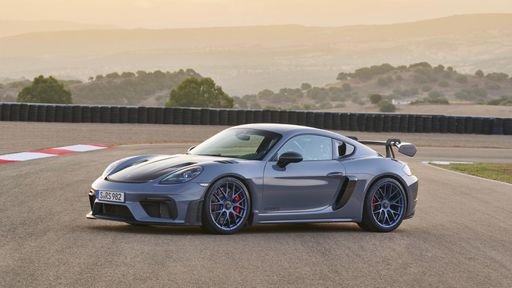
Peugeot Rifter
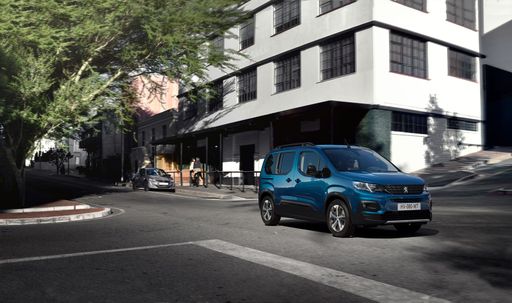
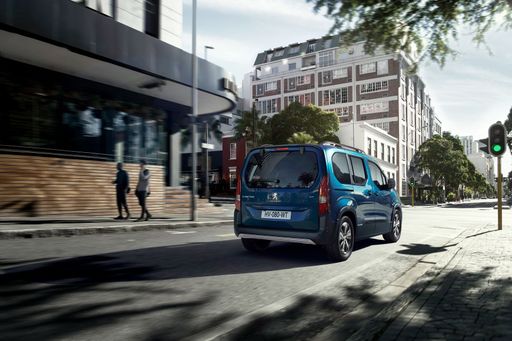
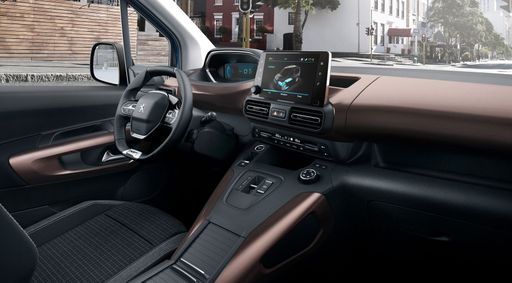
The Peugeot Rifter is a practical, family-friendly people carrier that makes everyday errands and weekend escapes feel effortless thanks to its airy cabin and clever, flexible interior. With chunky, purposeful styling and storage solutions everywhere, the Rifter manages to be both unashamedly useful and unexpectedly likeable.
details
Porsche Cayman
Peugeot Rifter
Costs and Consumption |
|
|---|---|
|
Price
136,000 £
|
Price
22,900 - 30,100 £
|
|
Consumption L/100km
13 L/100km
|
Consumption L/100km
5.4 - 6.5 L/100km
|
|
Consumption kWh/100km
-
|
Consumption kWh/100km
-
|
|
Electric Range
-
|
Electric Range
-
|
|
Battery Capacity
-
|
Battery Capacity
-
|
|
co2
295 g/km
|
co2
142 - 157 g/km
|
|
Fuel tank capacity
54 L
|
Fuel tank capacity
-
|
Dimensions and Body |
|
|---|---|
|
Body Type
Coupe
|
Body Type
High Roof Estate
|
|
Seats
2
|
Seats
5 - 7
|
|
Doors
2
|
Doors
-
|
|
Curb weight
1,490 kg
|
Curb weight
1,498 - 1,694 kg
|
|
Trunk capacity
184 L
|
Trunk capacity
322 - 1,050 L
|
|
Length
4,456 mm
|
Length
-
|
|
Width
1,822 mm
|
Width
1,848 mm
|
|
Height
1,267 mm
|
Height
-
|
|
Max trunk capacity
272 L
|
Max trunk capacity
-
|
|
Payload
281 kg
|
Payload
518 - 814 kg
|
Engine and Performance |
|
|---|---|
|
Engine Type
Petrol
|
Engine Type
Petrol, Diesel
|
|
Transmission
Automatic
|
Transmission
Manuel, Automatic
|
|
Transmission Detail
Dual-Clutch Automatic
|
Transmission Detail
Manual Gearbox, Automatic Gearbox
|
|
Drive Type
Rear-Wheel Drive
|
Drive Type
Front-Wheel Drive
|
|
Power HP
500 HP
|
Power HP
102 - 130 HP
|
|
Acceleration 0-100km/h
3.4 s
|
Acceleration 0-100km/h
11.3 - 13.5 s
|
|
Max Speed
315 km/h
|
Max Speed
-
|
|
Torque
450 Nm
|
Torque
205 - 300 Nm
|
|
Number of Cylinders
6
|
Number of Cylinders
3 - 4
|
|
Power kW
368 kW
|
Power kW
75 - 96 kW
|
|
Engine capacity
3,996 cm3
|
Engine capacity
1,199 - 1,499 cm3
|
General |
|
|---|---|
|
Model Year
2021
|
Model Year
2026
|
|
CO2 Efficiency Class
G
|
CO2 Efficiency Class
E, F
|
|
Brand
Porsche
|
Brand
Peugeot
|
DriveDuel uses data analysis and artificial intelligence to evaluate vehicle data and create content. Content is regularly reviewed and improved.
The displayed prices are estimates based on German list prices, adjusted to the respective country’s VAT. Country-specific registration taxes are not included. This information is not legally binding.