VS

Renault R5 vs VW Polo comparison

Compare performance (150 HP vs 207 HP), boot space and price (24,000 £ vs 17,300 £ ) at a glance. Find out which car is the better choice for you – Renault R5 or VW Polo?

Renault R5 vs VW Polo: Key differences

Renault R5

5 (1 Reviews)
rate
details

VW Polo

4.1 (3 Reviews)
rate
  • clearly cheaper
  • visibly more power
  • clearly quicker 0–100 km/h
  • clearly lighter
  • marginally more trunk space
details

All details on performance, efficiency, range and trunk space can be found in the technical comparison below – including user reviews for both models.

By Achim Sedelmaier

R5

Renault R5 VS VW Polo: quick match-up

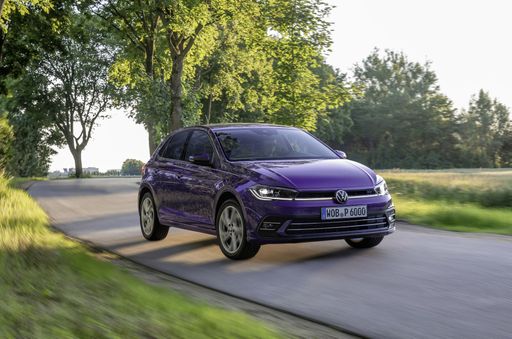
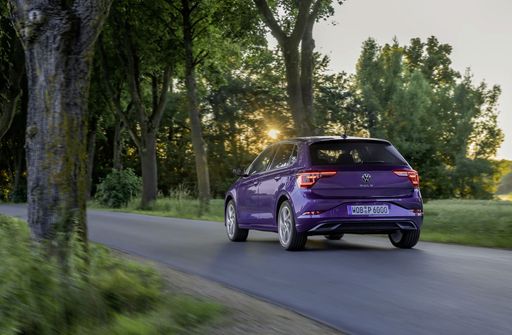
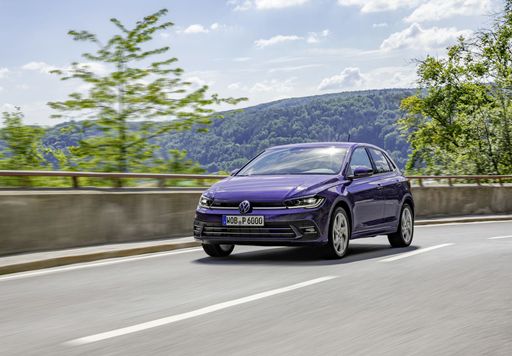
Renault R5 VS VW Polo frames a classic choice between characterful new‑era electrification and tried‑and‑tested small‑car composure. The Renault R5 arrives as a cheeky, retro‑styled electric that prioritises city agility, clever tech and strong value, while the VW Polo leans on quiet composure, rear‑seat comfort and a more conventional small‑car refinement. In everyday life that translates to the R5 being immediately likeable and easy to live with up close, and the Polo feeling calmer and more grown‑up when the road stretches out. Both appeal to buyers who want a sensible hatch, but they make very different bets on what "sensible" should feel like. Read on to see which trade-offs matter for your driving and ownership needs.
Polo

Character and driving feel

The Renault R5 drives with a light, playful personality that rewards quick city direction changes and makes parking a non‑event, while the VW Polo prefers to soothe and steady – it’s more about predictability than punch. If you enjoy an eager steering response and a car that feels alive around town, the R5 will charm you; if you want linear reactions and minimal fuss at highway speeds, the Polo will feel like the safer choice. The Polo’s setup deliberately mutes sharp inputs and prioritises stability, so it never surprises but also never thrills. Those differences make the R5 better for drivers who want engagement on short trips and the Polo better for people who want a tranquil commute and confidence on long runs.

R5

Comfort and cabin feel

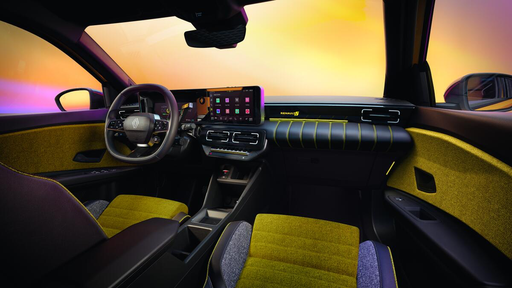
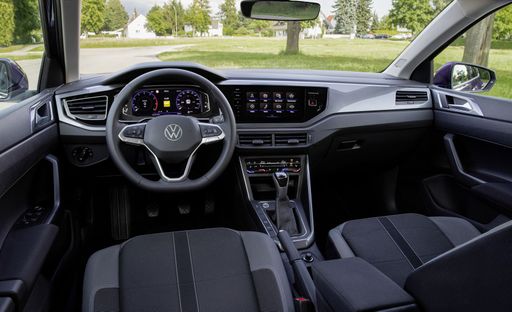
The VW Polo courts buyers with higher perceived quality: softer surfaces where it counts, tidy fit‑and‑finish and a rear bench that genuinely works for adults, which makes longer journeys more relaxed. The Renault R5 punches above its class with a bright, modern interior and intuitive Google‑centric infotainment, and the front seats are comfortable, but the back seats feel noticeably tighter and less forgiving. In practical terms the Polo’s cabin reads as more "adult" and comfortable for passengers while the R5 feels like a cleverly packaged small EV with a strong personality up front. If you value tactile materials and back‑seat usability, the Polo has the edge; if you prioritise tech, charm and a fun driving position, the R5 wins hearts.

Polo

Usability and practicality

Both cars are designed for everyday life, but they solve problems differently: the Renault R5 offers inventive EV‑specific touches and a deep underfloor for cables and tricks like bidirectional charging, while the VW Polo leans on a straightforward, roomy boot and easier access to rear seats. The R5’s load lip and rear seat geometry can complicate heavy or awkward cargo and taller passengers, whereas the Polo’s greater rear legroom and conventional boot shape make family duties simpler. In short errands around town the R5’s compact footprint and nimbleness trump everything, but for folding strollers, longer luggage runs or regular adult passengers the Polo is the more pragmatic choice. Each car’s approach to everyday usability reflects whether you accept clever compromises for tech and design (R5) or prefer conventional space and accessibility (Polo).

R5

Long‑distance behaviour vs city friendliness

City life is the Renault R5’s natural habitat: tight turns, short hops and frequent charging at home make it efficient and entertaining in urban conditions. On motorways the VW Polo shows its strengths: quieter cabin, steadier high‑speed composure and more predictable endurance between stops, which reduces fatigue on long commutes. The R5 will be the preferred companion when most journeys are local, when home charging is available and when you value instant driveability; the Polo suits buyers who routinely cover longer distances or who carry rear passengers in comfort. Choosing between them is essentially choosing whether your daily geography favours electric city life or conventional long‑haul practicality.

Polo

Buyer fit and the trade‑offs to weigh before the tech sheet

If you prioritise personality, modern EV conveniences and a car that excels in town, the Renault R5 is tailored to that life—especially for design‑minded urban commuters who can recharge at home. If your priority is rear‑seat space, muted long‑distance comfort and an interior that reads upscale in daily use, the VW Polo is the better fit for small families and motorway commuters. Expect to trade either the R5’s rear‑seat tightness and motorway range limits for its character and smart features, or the Polo’s higher option cost for a more conventional, roomy and serene experience. The technical comparison that follows will spell out how those real‑world differences arise from powertrain, weight and dimensions so you can match spec to everyday needs.

Here’s where it gets real: The technical differences in detail

R5

Costs and Efficiency:

Price and efficiency are key factors when choosing a car – and this is often where the real differences emerge.

VW Polo is clearly cheaper – starting at 17,300 £ , while the Renault R5 costs 24,000 £ . That’s a price difference of around 6,742 £.

Polo

Engine and Performance:

Under the bonnet, it becomes clear which model is tuned for sportiness and which one takes the lead when you hit the accelerator.

When it comes to engine power, the VW Polo offers visibly more power – delivering 207 HP compared to 150 HP. That’s roughly 57 HP more horsepower.

When accelerating from 0 to 100 km/h, the VW Polo is clearly quicker – completing the sprint in 6.5 s, while the Renault R5 takes 8 s. That’s about 1.5 s quicker.

There’s also a difference in torque: the VW Polo delivers markedly more torque with 320 Nm compared to 245 Nm. That’s about 75 Nm more.

R5

Space and Everyday Use:

Beyond pure performance, interior space and usability matter most in daily life. This is where you see which car is more practical and versatile.

Both vehicles offer seating for 5 people.

In terms of curb weight, VW Polo is clearly lighter – 1,143 kg compared to 1,447 kg. The difference is around 304 kg.

Looking at boot space, the VW Polo offers marginally more boot space – 351 L compared to 326 L. That’s a difference of about 25 L.

When it comes to payload, the VW Polo carries only slightly more – 457 kg compared to 418 kg. That’s a difference of about 39 kg.

Who wins the race in the data check?

The VW Polo stands well ahead of its rival in the objective data comparison.
This result only shows which model scores more points on paper – not which of the two cars feels right for you.

from £17,300
Polo

VW Polo

  • Engine Type : Petrol
  • Transmission : Manuel, Automatic
  • Drive Type : Front-Wheel Drive
  • Power HP : 80 - 207 HP
  • Consumption L/100km : 5.1 - 6.5 L/100km
Renault R5
VW Polo

Costs and Consumption

View detailed analysis

Engine and Performance

View detailed analysis

Dimensions and Body

View detailed analysis

Renault R5

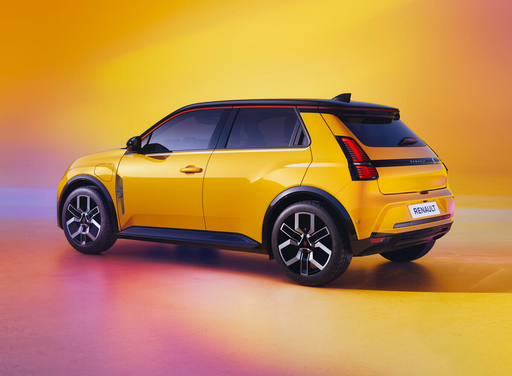
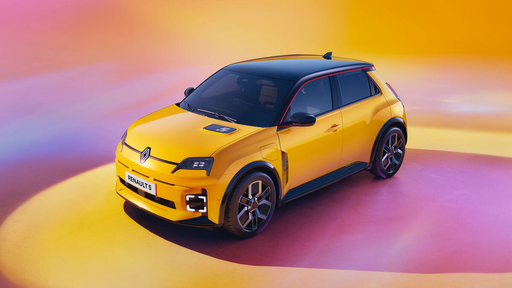
The Renault 5 blends classic styling cues with contemporary design, giving it a playful and characterful presence on the road. It’s a city-focused hatchback that feels nimble and cleverly packaged, ideal for drivers who want personality and practicality.

details

VW Polo

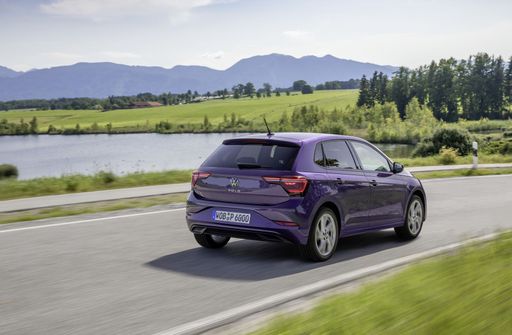
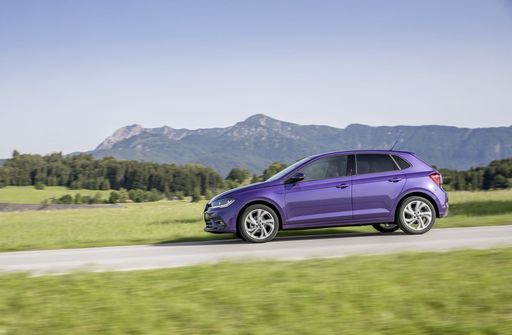
The Polo is a well-built, comfortable hatchback that blends a refined cabin and composed manners into a compact package. It's easy to live with day to day, offering sensible space, tidy controls and reassuring quality that make it a practical choice for city or longer trips.

details
Renault R5
VW Polo

Costs and Consumption

Price
24,000 - 26,900 £
Price
17,300 - 30,800 £
Consumption L/100km
-
Consumption L/100km
5.1 - 6.5 L/100km
Consumption kWh/100km
14.8 - 15.2 kWh/100km
Consumption kWh/100km
-
Electric Range
307 - 405 km
Electric Range
-
Battery Capacity
-
Battery Capacity
-
co2
0 g/km
co2
116 - 148 g/km
Fuel tank capacity
-
Fuel tank capacity
-

Dimensions and Body

Body Type
Hatchback
Body Type
Hatchback
Seats
5
Seats
5
Doors
-
Doors
-
Curb weight
1,447 - 1,524 kg
Curb weight
1,143 - 1,378 kg
Trunk capacity
326 L
Trunk capacity
351 L
Length
-
Length
-
Width
1,744 mm
Width
1,751 mm
Height
-
Height
-
Max trunk capacity
-
Max trunk capacity
-
Payload
396 - 418 kg
Payload
432 - 457 kg

Engine and Performance

Engine Type
Electric
Engine Type
Petrol
Transmission
Automatic
Transmission
Manuel, Automatic
Transmission Detail
Reduction Gearbox
Transmission Detail
Manual Gearbox, Dual-Clutch Automatic
Drive Type
Front-Wheel Drive
Drive Type
Front-Wheel Drive
Power HP
122 - 150 HP
Power HP
80 - 207 HP
Acceleration 0-100km/h
8 - 9 s
Acceleration 0-100km/h
6.5 - 15.6 s
Max Speed
-
Max Speed
-
Torque
225 - 245 Nm
Torque
93 - 320 Nm
Number of Cylinders
-
Number of Cylinders
3 - 4
Power kW
90 - 110 kW
Power kW
59 - 152 kW
Engine capacity
-
Engine capacity
999 - 1,984 cm3

General

Model Year
2025
Model Year
2,024 - 2,025
CO2 Efficiency Class
A
CO2 Efficiency Class
D, E
Brand
Renault
Brand
VW
DriveDuel uses data analysis and artificial intelligence to evaluate vehicle data and create content. Content is regularly reviewed and improved. The displayed prices are estimates based on German list prices, adjusted to the respective country’s VAT. Country-specific registration taxes are not included. This information is not legally binding.