VS

Renault Rafale vs Hyundai Tucson comparison

Compare performance (300 HP vs 288 HP), boot space and price (37,700 £ vs 20,900 £ ) at a glance. Find out which car is the better choice for you – Renault Rafale or Hyundai Tucson?

Renault Rafale vs Hyundai Tucson: Key differences

Renault Rafale

4.9 (7 Reviews)
rate
  • marginally more power
  • markedly more efficient
  • markedly more electric range
  • somewhat quicker 0–100 km/h
  • very slightly more trunk space

Hyundai Tucson

4.6 (4 Reviews)
rate
  • significantly cheaper
  • a bit lighter

All details on performance, efficiency, range and trunk space can be found in the technical comparison below – including user reviews for both models.

Rafale

Hyundai Tucson vs Renault Rafale: A Detailed Comparison

The automotive landscape is constantly evolving, with manufacturers striving to deliver vehicles that combine performance, efficiency, and advanced technology. Two notable contenders in the SUV segment for 2024 are the Hyundai Tucson and the Renault Rafale. This article dives deep into their specifications, innovations, and how they stack up against each other in key areas.
Tucson

Engine and Performance

The Hyundai Tucson offers a diverse range of engine options, including Diesel MHEV, Petrol MHEV, Full Hybrid, and Plugin Hybrid variants. Power outputs range from a modest 136 HP to a robust 252 HP, allowing buyers to choose according to their performance needs. The Tucson accelerates from 0-100 km/h in as little as 7.9 seconds, showcasing its dynamic performance capabilities.

On the other hand, the Renault Rafale boasts a full hybrid and plugin hybrid lineup, delivering between 200 HP and 300 HP. It excels in acceleration as well, achieving 0-100 km/h in a mere 6.4 seconds, positioning it as a quicker alternative to the Tucson. Both vehicles come with automatic transmissions, but the Tucson also offers a manual option, appealing to driving purists.

Rafale

Fuel Efficiency

Fuel efficiency is a critical consideration for modern drivers, and both the Tucson and Rafale have made strides in this area. The Tucson's fuel consumption ranges from 5.1 L/100 km to a low 1 L/100 km for its hybrid variants. With electric ranges up to 70 km, it presents a compelling option for urban commuting.

Conversely, the Rafale shines with a remarkable consumption figure of 4.7 L/100 km, with its plugin hybrid version achieving an astonishing 0.6 L/100 km. With an electric range of up to 97 km, the Rafale is designed for higher eco-efficiency, making it appealing to environmentally conscious buyers.

Tucson

Interior Space and Comfort

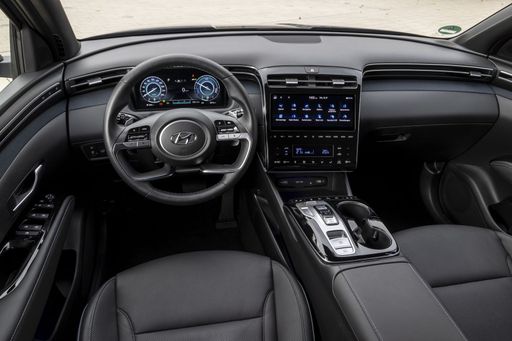
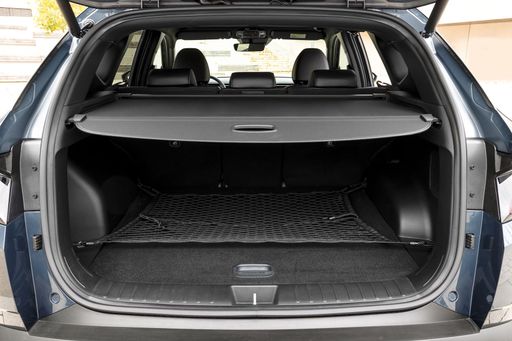
Both SUVs are designed to provide comfort and flexibility. The Hyundai Tucson features a trunk capacity ranging from 546 L to an impressive 620 L, accommodating a variety of storage needs for family outings or trips. Its dimensions provide ample passenger space for five individuals, making it an excellent choice for families.

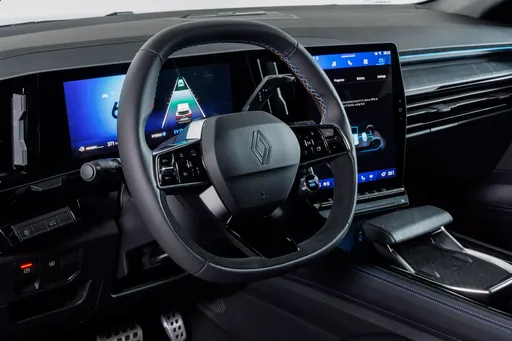
The Renault Rafale offers slightly more trunk space with 539 L to 627 L, ensuring practicality for everyday use. Additionally, its interior design emphasizes modernity and convenience, with advanced materials and layouts that enhance comfort during drives.

Rafale

Dimensions and Design

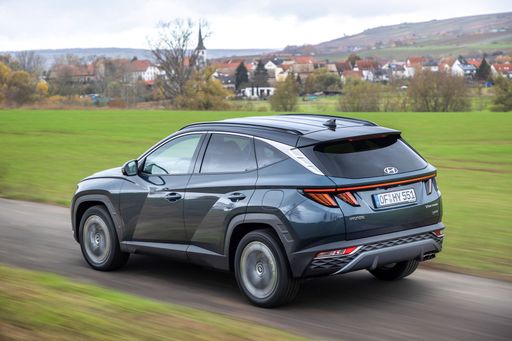
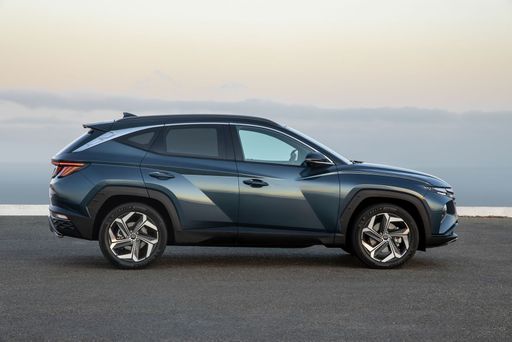
In terms of size, the Tucson measures between 4510 mm and 4520 mm in length, 1865 mm in width, and stands 1650 mm tall. Its robust stance and sleek design contribute to its overall road presence.

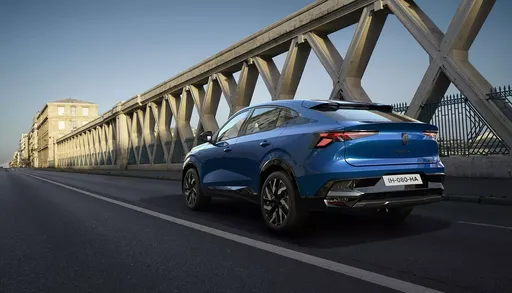
The Rafale is slightly longer at 4710 mm, with a width of 1886 mm and a height of 1613 mm. The dynamic design and modern aesthetics of the Rafale make it visually appealing, attracting a younger demographic keen on style and performance.

Tucson

Innovative Features and Technology

When it comes to technological innovations, both vehicles are equipped with state-of-the-art features. The Hyundai Tucson integrates various safety systems alongside a modern infotainment system, promoting connectivity and convenience. Advanced driver assistance features make driving safer and less stressful.

Meanwhile, the Renault Rafale doesn’t lag in the technology department either, offering a suite of smart technologies that enhance both driving pleasure and safety. The hybrid configurations allow for smooth transitions between electric and combustion power, ensuring a seamless driving experience.

Conclusion: Which SUV Reigns Supreme?

Choosing between the Hyundai Tucson and the Renault Rafale ultimately boils down to individual preferences and priorities. The Tucson excels with its variety of engines, spacious interior, and practicality, while the Rafale offers superior fuel efficiency, quicker acceleration, and a more contemporary design.

Both SUVs are impressive in their own right, embracing innovation and comfort while delivering remarkable performance. Potential buyers should consider their personal needs, whether it be better power or eco-friendly performance, to make an informed decision.

Here’s where it gets real: The technical differences in detail

Rafale

Costs and Efficiency:

Price and efficiency are often the first things buyers look at. Here it becomes clear which model has the long-term edge – whether at the pump, the plug, or in purchase price.

Hyundai Tucson is significantly cheaper – starting at 20,900 £ , while the Renault Rafale costs 37,700 £ . That’s a price difference of around 16,817 £.

Fuel consumption also shows a difference: the Renault Rafale uses 2 L/100km and is markedly more efficient than the Hyundai Tucson with 2.7 L/100km. The difference is about 0.7 L/100km.

As for electric range, the Renault Rafale offers markedly more range – reaching up to 97 km, about 27 km more than the Hyundai Tucson.

Tucson

Engine and Performance:

Power, torque and acceleration say a lot about how a car feels on the road. This is where you see which model delivers more driving dynamics.

When it comes to engine power, the Renault Rafale offers marginally more power – delivering 300 HP compared to 288 HP. That’s roughly 12 HP more horsepower.

When accelerating from 0 to 100 km/h, the Renault Rafale is somewhat quicker – completing the sprint in 6.4 s, while the Hyundai Tucson takes 7.5 s. That’s about 1.1 s quicker.

Rafale

Space and Everyday Use:

Cabin size, boot volume and payload all play a role in everyday practicality. Here, comfort and flexibility make the difference.

Both vehicles offer seating for 5 people.

In terms of curb weight, Hyundai Tucson is a bit lighter – 1,542 kg compared to 1,734 kg. The difference is around 192 kg.

Looking at boot space, the Renault Rafale offers very slightly more boot space – 627 L compared to 620 L. That’s a difference of about 7 L.

When it comes to payload, the Hyundai Tucson carries somewhat more – 545 kg compared to 444 kg. That’s a difference of about 101 kg.

Who wins the race in the data check?

The Hyundai Tucson comes out modestly ahead in the objective data comparison.
This result only shows which model scores more points on paper – not which of the two cars feels right for you.

from £20,900
Tucson

Hyundai Tucson

  • Engine Type : Petrol, Full Hybrid, Plugin Hybrid, Diesel MHEV
  • Transmission : Manuel, Automatic
  • Drive Type : Front-Wheel Drive, All-Wheel Drive
  • Power HP : 136 - 288 HP
  • Consumption L/100km : 2.7 - 7.6 L/100km
  • Electric Range : 63 - 70 km
Renault Rafale
Hyundai Tucson

Costs and Consumption

View detailed analysis

Engine and Performance

View detailed analysis

Dimensions and Body

View detailed analysis

Renault Rafale

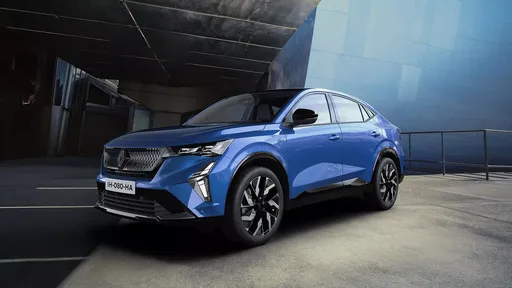
The Renault Rafale dresses bold coupé-inspired lines around a practical crossover body, turning heads without trying too hard. Inside it serves up a comfortable, well-equipped cabin and engaging driving manners, making it a clever choice for buyers who want a bit of panache with their daily commute.

details

Hyundai Tucson

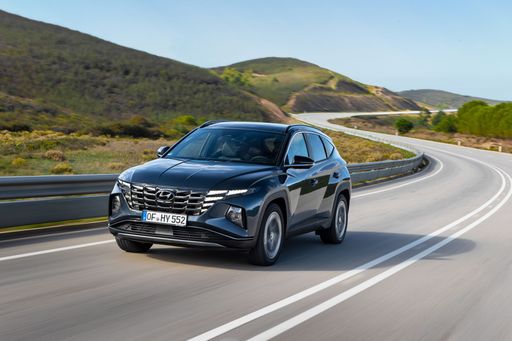
Hyundai Tucson marries bold, sculpted looks with a clever, roomy cabin that feels smarter than its price tag suggests. It's composed on the road, easy to live with day-to-day, and a sensible choice for buyers who want SUV style without the showroom theatrics.

details
Renault Rafale
Hyundai Tucson

Costs and Consumption

Price
37,700 - 49,700 £
Price
20,900 - 47,900 £
Consumption L/100km
2 - 5 L/100km
Consumption L/100km
2.7 - 7.6 L/100km
Consumption kWh/100km
-
Consumption kWh/100km
-
Electric Range
97 km
Electric Range
63 - 70 km
Battery Capacity
-
Battery Capacity
-
co2
43 - 109 g/km
co2
62 - 172 g/km
Fuel tank capacity
-
Fuel tank capacity
52 - 54 L

Dimensions and Body

Body Type
SUV
Body Type
SUV
Seats
5
Seats
5
Doors
-
Doors
5
Curb weight
1,734 - 2,025 kg
Curb weight
1,542 - 1,893 kg
Trunk capacity
539 - 627 L
Trunk capacity
546 - 620 L
Length
-
Length
4,525 - 4,535 mm
Width
1,886 mm
Width
1,865 mm
Height
-
Height
1,650 mm
Max trunk capacity
-
Max trunk capacity
1,795 - 1,799 L
Payload
415 - 444 kg
Payload
518 - 545 kg

Engine and Performance

Engine Type
Full Hybrid, Plugin Hybrid
Engine Type
Petrol, Full Hybrid, Plugin Hybrid, Diesel MHEV
Transmission
Automatic
Transmission
Manuel, Automatic
Transmission Detail
Automatic Gearbox
Transmission Detail
Manual Gearbox, Dual-Clutch Automatic, Automatic Gearbox
Drive Type
Front-Wheel Drive, All-Wheel Drive
Drive Type
Front-Wheel Drive, All-Wheel Drive
Power HP
200 - 300 HP
Power HP
136 - 288 HP
Acceleration 0-100km/h
6.4 - 8.9 s
Acceleration 0-100km/h
7.5 - 11.6 s
Max Speed
-
Max Speed
196 - 204 km/h
Torque
-
Torque
250 - 379 Nm
Number of Cylinders
3
Number of Cylinders
4
Power kW
147 - 221 kW
Power kW
100 - 212 kW
Engine capacity
1,199 cm3
Engine capacity
1,598 cm3

General

Model Year
2,025
Model Year
2,025
CO2 Efficiency Class
C, B
CO2 Efficiency Class
F, D, E, B
Brand
Renault
Brand
Hyundai
DriveDuel uses data analysis and artificial intelligence to evaluate vehicle data and create content. Content is regularly reviewed and improved. The displayed prices are estimates based on German list prices, adjusted to the respective country’s VAT. Country-specific registration taxes are not included. This information is not legally binding.