VS

Skoda Octavia Combi vs BMW 5 Series Touring comparison

Compare performance (204 HP vs 727 HP), boot space and price (25,600 £ vs 53,100 £ ) at a glance. Find out which car is the better choice for you – Skoda Octavia Combi or BMW 5 Series Touring?

Skoda Octavia Combi vs BMW 5 Series Touring: Key differences

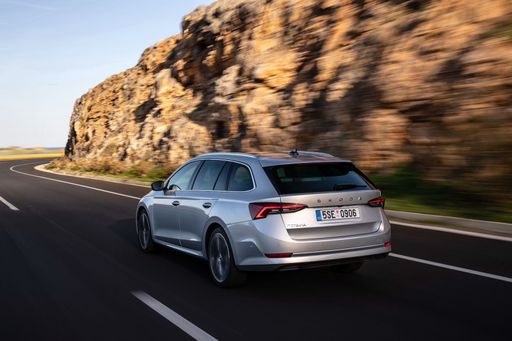
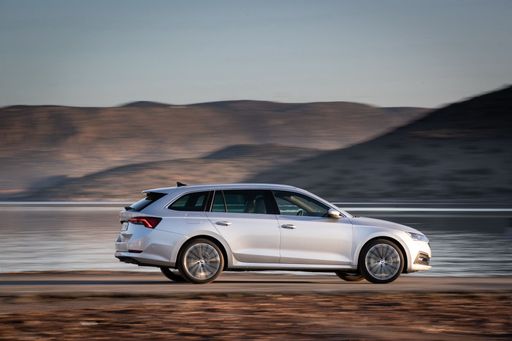
Skoda Octavia Combi

4.6 (3 Reviews)
rate
  • considerably cheaper
  • clearly lighter
  • slightly more trunk space
details

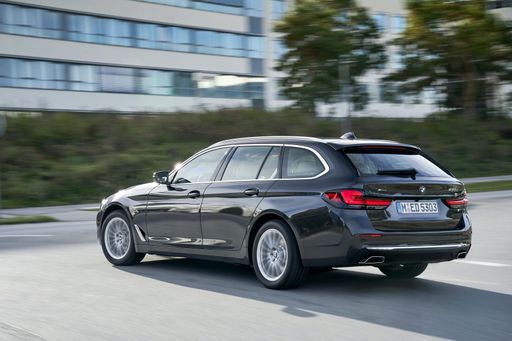
BMW 5 Series Touring

  • considerably more power
  • substantially more efficient
  • considerably quicker 0–100 km/h
details

All details on performance, efficiency, range and trunk space can be found in the technical comparison below – including user reviews for both models.

By Achim Sedelmaier

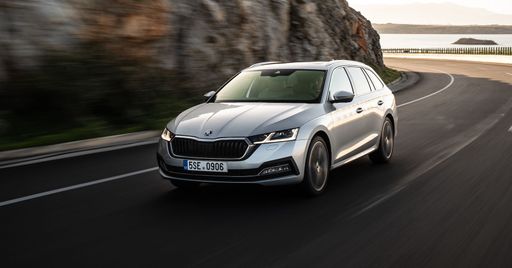
Octavia Combi

Battle of the Wagons: BMW 5er Touring vs. Skoda Octavia Combi

In the arena of wagons, two names stand out for their distinctive blends of utility and performance: the BMW 5er Touring and the Skoda Octavia Combi. As family-friendly chariots that also cater to driving enthusiasts, these two iconic models offer much more than just a spacious trunk. In this article, we dive into the technical intricacies and innovative features that define both vehicles.
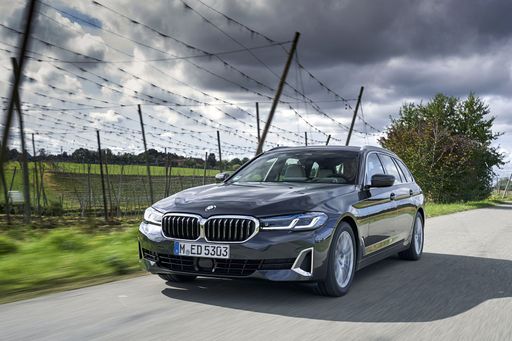
5 Series Touring

Performance: Power Meets Efficiency

The BMW 5er Touring offers a broad range of engine options, from plugin hybrids to powerful petrol and diesel variants. At the pinnacle, the 5er delivers a staggering 727 HP, rocketing from 0-100 km/h in just 3.6 seconds. If you're seeking eco-friendly credentials without sacrificing power, the plugin hybrid version provides up to 93 km of electric range with a CO2 efficiency class of B.

In contrast, the Skoda Octavia Combi leans more towards practicality and efficiency. Offering a maximum power output of 265 HP, it accelerates from 0-100 km/h in 6.5 seconds. With various petrol and diesel options, its fuel consumption remains commendably low, starting at just 4.4 L/100 km, making it an excellent choice for those conscious of their carbon footprint.

Octavia Combi

Dimensions and Comfort

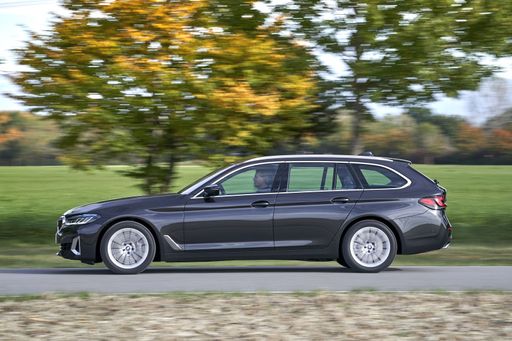
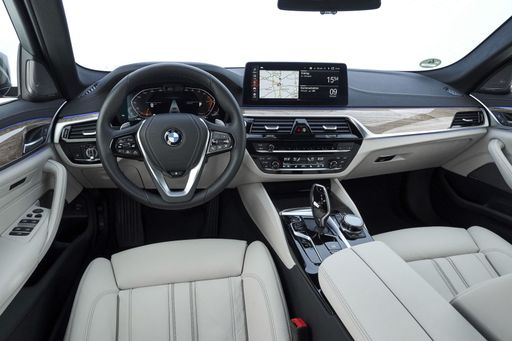
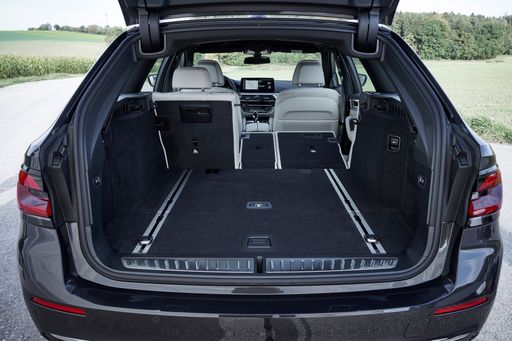
The 5er Touring extends 5096 mm in length and features a trunk capacity of 570 liters, paired with high-end luxury features common to the BMW brand. It comfortably seats five passengers and comes equipped with plush interiors and state-of-the-art technology to elevate the driving experience.

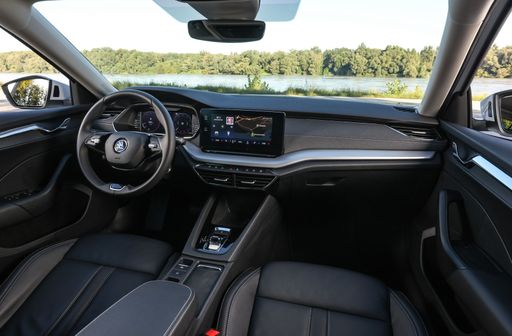
Meanwhile, the Skoda Octavia Combi measures slightly shorter at 4709 mm, with an impressive trunk capacity of 640 liters, better catering to those in need of extra storage space. Its interior design emphasizes user-friendliness and passenger comfort, embodying the signature practicality that Skoda is known for.

5 Series Touring

Innovation and Technology

Both wagons push the envelope with their technological advancements. BMW equips the 5er Touring with cutting-edge features such as advanced driver assistance systems and a modern infotainment setup that seamlessly integrates with the digital lifestyle. If innovation fuels your passion, BMW’s plugin hybrid variants prove technological prowess by marrying electric efficiency with traditional combustion power.

The Skoda Octavia Combi doesn't slack in the tech department either. It offers an intuitive infotainment system and smart connectivity features that enhance in-car convenience and entertainment. Skoda’s focus on safety ensures features like a robust suite of safety technologies at your fingertips, providing peace of mind on the road.

Octavia Combi

Final Verdict: Which Wagon Wins?

Choosing between the BMW 5er Touring and the Skoda Octavia Combi boils down to prioritizing performance, luxury, or practicality. The BMW 5er Touring emerges as the likely choice for those in search of high performance wrapped in a luxury package. On the other hand, the Skoda Octavia Combi proves indispensable for those who favor efficiency, functionality, and more storage space without compromising on modern features.

Ultimately, both models set benchmarks in their category, providing excellent options for wagon enthusiasts who demand reliability, performance, and innovation.

Here’s where it gets real: The technical differences in detail

Octavia Combi

Costs and Efficiency:

When it comes to price and running costs, the biggest differences usually appear. This is often where you see which car fits your budget better in the long run.

Skoda Octavia Combi is considerably cheaper – starting at 25,600 £ , while the BMW 5 Series Touring costs 53,100 £ . That’s a price difference of around 27,565 £.

Fuel consumption also shows a difference: the BMW 5 Series Touring uses 2.3 L/100km and is substantially more efficient than the Skoda Octavia Combi with 4.4 L/100km. The difference is about 2.1 L/100km.

5 Series Touring

Engine and Performance:

Power, torque and acceleration say a lot about how a car feels on the road. This is where you see which model delivers more driving dynamics.

When it comes to engine power, the BMW 5 Series Touring offers considerably more power – delivering 727 HP compared to 204 HP. That’s roughly 523 HP more horsepower.

When accelerating from 0 to 100 km/h, the BMW 5 Series Touring is considerably quicker – completing the sprint in 3.6 s, while the Skoda Octavia Combi takes 6.7 s. That’s about 3.1 s quicker.

There’s also a difference in torque: the BMW 5 Series Touring delivers clearly more torque with 1,000 Nm compared to 360 Nm. That’s about 640 Nm more.

Octavia Combi

Space and Everyday Use:

Cabin size, boot volume and payload all play a role in everyday practicality. Here, comfort and flexibility make the difference.

Both vehicles offer seating for 5 people.

In terms of curb weight, Skoda Octavia Combi is clearly lighter – 1,366 kg compared to 1,850 kg. The difference is around 484 kg.

Looking at boot space, the Skoda Octavia Combi offers slightly more boot space – 640 L compared to 570 L. That’s a difference of about 70 L.

When it comes to payload, the BMW 5 Series Touring carries somewhat more – 620 kg compared to 534 kg. That’s a difference of about 86 kg.

Who wins the race in the data check?

The BMW 5 Series Touring is far ahead overall in the objective data comparison.
This result only shows which model scores more points on paper – not which of the two cars feels right for you.

from £53,100
5 Series Touring

BMW 5 Series Touring

  • Engine Type Diesel MHEV, Petrol MHEV, Plugin Hybrid
  • Transmission Automatic
  • Drive Type Rear-Wheel Drive, All-Wheel Drive
  • Power HP 197 - 727 HP
  • Consumption L/100km 2.3 - 6.1 L/100km
  • Electric Range 65 - 98 km
Skoda Octavia Combi
BMW 5 Series Touring

Costs and Consumption

View detailed analysis

Engine and Performance

View detailed analysis

Dimensions and Body

View detailed analysis

Skoda Octavia Combi

The Skoda Octavia Combi is a practical, well‑packaged estate that delivers generous and flexible interior space ideal for families or active owners. Its sensible cabin layout, comfortable ride and solid reputation for reliability make it a pragmatic choice for buyers who value utility over flash.

details

BMW 5 Series Touring

The BMW 5 Series Touring takes executive elegance and stretches it into a practical estate, marrying refined interior comfort with everyday usability. It drives with reassuring poise, offers plenty of space for luggage or a small life's worth of gear, and somehow manages to look sharper than most saloons in the car park — a compelling choice if you want luxury without surrendering practicality.

details
Skoda Octavia Combi
BMW 5 Series Touring

Costs and Consumption

Price
25,600 - 39,600 £
Price
53,100 - 126,200 £
Consumption L/100km
4.4 - 6.9 L/100km
Consumption L/100km
2.3 - 6.1 L/100km
Consumption kWh/100km
-
Consumption kWh/100km
-
Electric Range
-
Electric Range
65 - 98 km
Battery Capacity
-
Battery Capacity
-
co2
113 - 157 g/km
co2
53 - 157 g/km
Fuel tank capacity
-
Fuel tank capacity
-

Dimensions and Body

Body Type
Estate
Body Type
Estate
Seats
5
Seats
5
Doors
-
Doors
-
Curb weight
1,366 - 1,553 kg
Curb weight
1,850 - 2,550 kg
Trunk capacity
640 L
Trunk capacity
500 - 570 L
Length
-
Length
-
Width
1,829 mm
Width
1,900 - 1,970 mm
Height
-
Height
-
Max trunk capacity
-
Max trunk capacity
-
Payload
502 - 534 kg
Payload
500 - 620 kg

Engine and Performance

Engine Type
Petrol, Petrol MHEV, Diesel
Engine Type
Diesel MHEV, Petrol MHEV, Plugin Hybrid
Transmission
Automatic, Manuel
Transmission
Automatic
Transmission Detail
Dual-Clutch Automatic, Manual Gearbox
Transmission Detail
Automatic Gearbox
Drive Type
All-Wheel Drive, Front-Wheel Drive
Drive Type
Rear-Wheel Drive, All-Wheel Drive
Power HP
116 - 204 HP
Power HP
197 - 727 HP
Acceleration 0-100km/h
6.7 - 10.7 s
Acceleration 0-100km/h
3.6 - 7.5 s
Max Speed
-
Max Speed
-
Torque
220 - 360 Nm
Torque
330 - 1,000 Nm
Number of Cylinders
4
Number of Cylinders
4 - 8
Power kW
85 - 150 kW
Power kW
145 - 535 kW
Engine capacity
1,498 - 1,984 cm3
Engine capacity
1,995 - 4,395 cm3

General

Model Year
2025
Model Year
2,024 - 2,026
CO2 Efficiency Class
E, F, D, C
CO2 Efficiency Class
E, F, B, C
Brand
Skoda
Brand
BMW
DriveDuel uses data analysis and artificial intelligence to evaluate vehicle data and create content. Content is regularly reviewed and improved. The displayed prices are estimates based on German list prices, adjusted to the respective country’s VAT. Country-specific registration taxes are not included. This information is not legally binding.