VS

Subaru Forester vs BMW X1 comparison

Compare performance (136 HP vs 326 HP), boot space and price (34,700 £ vs 38,200 £ ) at a glance. Find out which car is the better choice for you – Subaru Forester or BMW X1?

Subaru Forester vs BMW X1: Key differences

Subaru Forester

4 (1 Reviews)
rate
  • somewhat cheaper

BMW X1

4.2 (6 Reviews)
rate
  • clearly more power
  • significantly more efficient
  • clearly quicker 0–100 km/h
  • marginally lighter
  • barely more trunk space

All details on performance, efficiency, range and trunk space can be found in the technical comparison below – including user reviews for both models.

Forester

The Battle of the SUVs: BMW X1 vs. Subaru Forester

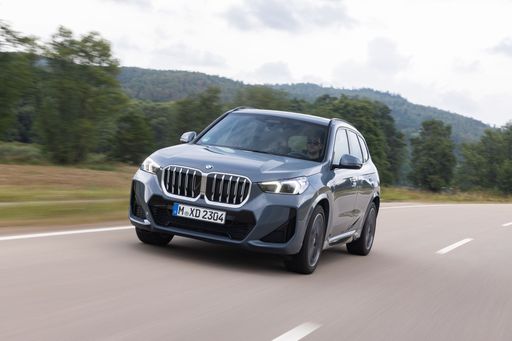
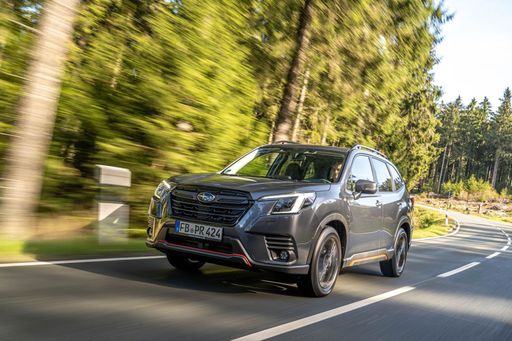
In the highly competitive world of SUVs, the BMW X1 and Subaru Forester stand out as compelling options for buyers seeking a blend of performance, comfort, and practicality. Both vehicles embody their brands' identities but cater to slightly different segments of the SUV market. Here's how they compare, focusing on technical specs and innovations.
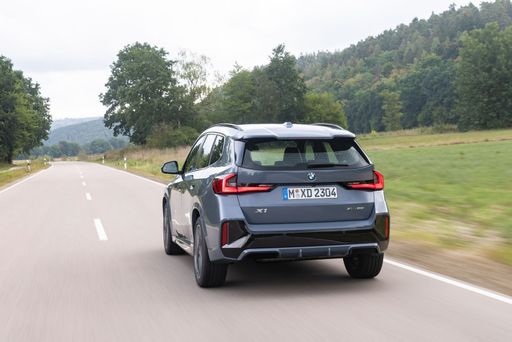
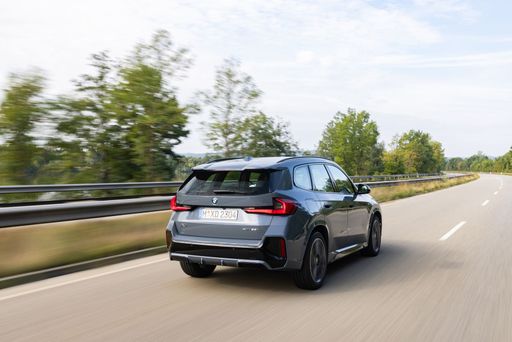
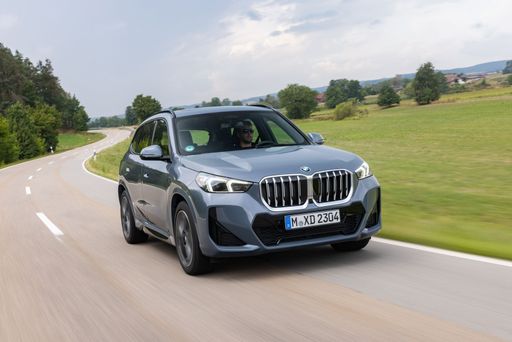
X1

Engine Options and Performance

The BMW X1 offers a wide range of engine choices, including diesel, petrol, mild hybrid electric vehicle (MHEV), and plug-in hybrid variants. With power output ranging from 136 HP to a robust 326 HP, the X1 can cater to diverse driver preferences. The higher-end models can accelerate from 0 to 100 km/h in as little as 5.4 seconds, making them significantly faster than many competitors in this class.

In contrast, the Subaru Forester relies on a more straightforward lineup with a petrol MHEV engine that produces up to 150 HP. While it may not offer the same level of choice as the BMW X1, the Forester prides itself on its reliable all-wheel-drive system, perfect for tackling various road conditions. Its acceleration from 0 to 100 km/h takes around 11.8 to 12.2 seconds.

Forester

Fuel Efficiency and Environmental Impact

In terms of efficiency, the BMW X1’s plug-in hybrid variant stands out with a consumption of just 0.8 L/100 km and an electric range of 83 km, appealing to environmentally conscious drivers. Its CO2 emissions can be as low as 17 g/km. Other models have more conventional emissions figures, ranging up to 175 g/km, depending on the powertrain.

The Subaru Forester, with its petrol MHEV system, achieves a consumption rate of 8.1 L/100 km and CO2 emissions of 183 g/km. With these figures, the Forester is geared more towards dependable utility rather than leading-edge green technology.

X1

Dimensions and Practicality

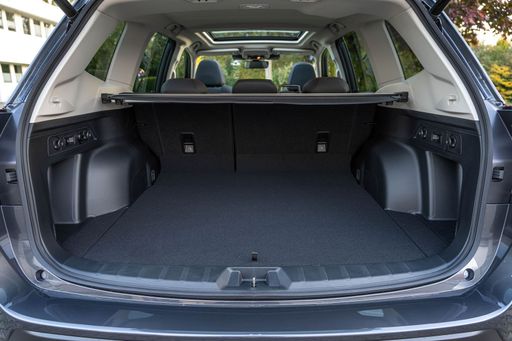
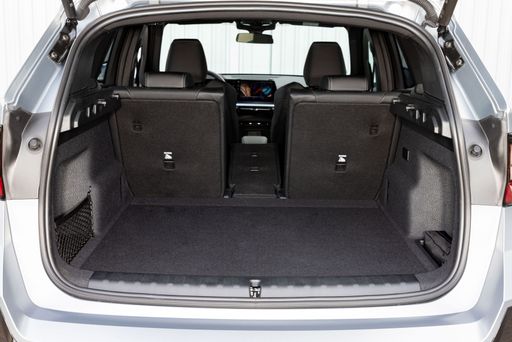
At 4,500 to 4,505 mm in length, the BMW X1 is slightly more compact than the Subaru Forester, which measures between 4,640 and 4,670 mm. The X1 offers a trunk capacity ranging from 490 to 540 liters, providing plenty of space for luggage. Like the BMW, the Forester's trunk capacity is competitive, offering up to 509 liters.

Both vehicles provide seating for five, ensuring that families can travel comfortably. Despite the relatively similar use of space, the Forester’s slightly larger dimensions translate into a more spacious interior, a point of consideration for those prioritizing passenger comfort.

Forester

Technical Innovations

In terms of technology, the BMW X1 shines with its advanced dual-clutch automatic transmission enhancing driving smoothness and efficiency. The all-wheel-drive capability, coupled with a range of driver assistance systems, places it among the finest in its class.

The Subaru Forester, meanwhile, integrates a CVT transmission and Subaru’s renowned symmetrical all-wheel-drive system, offering solid traction and stability. Safety technologies like EyeSight Driver Assist enhance the Forester's reputation as a reliable, family-friendly SUV.

X1

Conclusion

The BMW X1 and Subaru Forester both have their unique merits, catering to different types of SUV enthusiasts. The X1 appeals to those seeking a dynamic and efficient driving experience with a variety of powertrain options, including high-performance hybrids. On the other hand, the Forester is ideal for those looking for an enduring, practical vehicle equipped with excellent all-wheel-drive capabilities.

Ultimately, choosing between the BMW X1 and Subaru Forester depends on what you value most in an SUV—be it performance and innovation or reliability and versatility.

Here’s where it gets real: The technical differences in detail

Forester

Costs and Efficiency:

Price and efficiency are often the first things buyers look at. Here it becomes clear which model has the long-term edge – whether at the pump, the plug, or in purchase price.

Subaru Forester is somewhat cheaper – starting at 34,700 £ , while the BMW X1 costs 38,200 £ . That’s a price difference of around 3,523 £.

Fuel consumption also shows a difference: the BMW X1 uses 2.5 L/100km and is significantly more efficient than the Subaru Forester with 8.1 L/100km. The difference is about 5.6 L/100km.

X1

Engine and Performance:

Under the bonnet, it becomes clear which model is tuned for sportiness and which one takes the lead when you hit the accelerator.

When it comes to engine power, the BMW X1 offers clearly more power – delivering 326 HP compared to 136 HP. That’s roughly 190 HP more horsepower.

When accelerating from 0 to 100 km/h, the BMW X1 is clearly quicker – completing the sprint in 5.4 s, while the Subaru Forester takes 12.2 s. That’s about 6.8 s quicker.

There’s also a difference in torque: the BMW X1 delivers significantly more torque with 477 Nm compared to 182 Nm. That’s about 295 Nm more.

Forester

Space and Everyday Use:

Whether family car or daily driver – which one offers more room, flexibility and comfort?

Both vehicles offer seating for 5 people.

In terms of curb weight, BMW X1 is marginally lighter – 1,575 kg compared to 1,693 kg. The difference is around 118 kg.

Looking at boot space, the BMW X1 offers barely more boot space – 540 L compared to 508 L. That’s a difference of about 32 L.

When it comes to payload, the BMW X1 carries barely more – 500 kg compared to 492 kg. That’s a difference of about 8 kg.

Who wins the race in the data check?

The BMW X1 is far ahead overall in the objective data comparison.
This result only shows which model scores more points on paper – not which of the two cars feels right for you.

from £38,200
X1

BMW X1

  • Engine Type : Diesel MHEV, Petrol MHEV, Petrol, Diesel, Plugin Hybrid
  • Transmission : Automatic
  • Drive Type : Front-Wheel Drive, All-Wheel Drive
  • Power HP : 136 - 326 HP
  • Consumption L/100km : 2.5 - 7.7 L/100km
  • Electric Range : 81 km
Subaru Forester
BMW X1

Costs and Consumption

View detailed analysis

Engine and Performance

View detailed analysis

Dimensions and Body

View detailed analysis

Subaru Forester

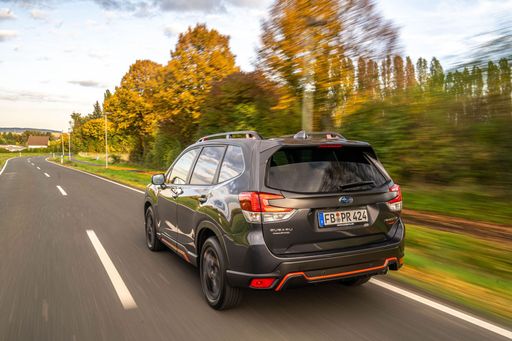
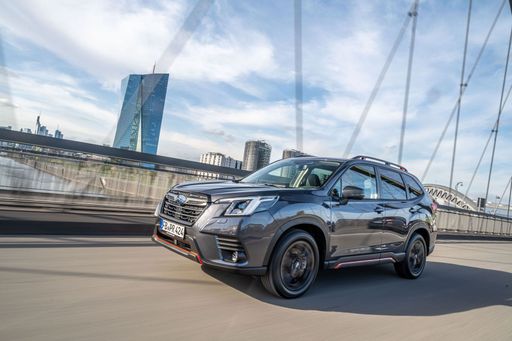
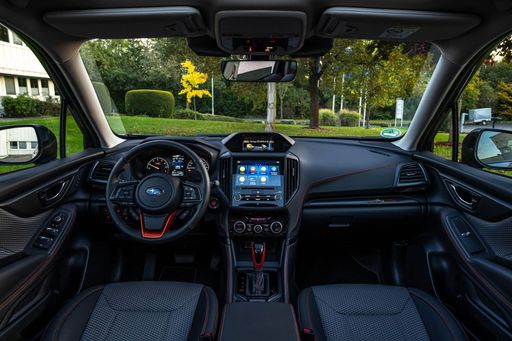
The Subaru Forester is a practical all-rounder that quietly does everything right, with roomy comfort, excellent visibility and a real fondness for weekend adventures off the beaten path. It won't set your pulse racing like a sports car, but for buyers who prize reliability, safety and sensible charm, it's a brilliantly steady companion with a cheeky streak.

details

BMW X1

The BMW X1 brings a premium feel to compact crossover life, wrapping practical space and agile handling into a tidy, upscale package. It’s ideal for buyers who want BMW driving dynamics without the bulk, offering everyday comfort and a few clever tricks to keep the commute interesting.

details
Subaru Forester
BMW X1

Costs and Consumption

Price
34,700 - 42,200 £
Price
38,200 - 55,500 £
Consumption L/100km
8.1 L/100km
Consumption L/100km
2.5 - 7.7 L/100km
Consumption kWh/100km
-
Consumption kWh/100km
-
Electric Range
-
Electric Range
81 km
Battery Capacity
-
Battery Capacity
14.2 kWh
co2
183 g/km
co2
57 - 175 g/km
Fuel tank capacity
-
Fuel tank capacity
47 - 54 L

Dimensions and Body

Body Type
SUV
Body Type
SUV
Seats
5
Seats
5
Doors
-
Doors
5
Curb weight
1,693 - 1,739 kg
Curb weight
1,575 - 1,935 kg
Trunk capacity
508 L
Trunk capacity
490 - 540 L
Length
-
Length
4,500 mm
Width
1,830 mm
Width
1,845 mm
Height
-
Height
1,630 - 1,642 mm
Max trunk capacity
-
Max trunk capacity
1,495 - 1,545 L
Payload
446 - 492 kg
Payload
490 - 500 kg

Engine and Performance

Engine Type
Petrol MHEV
Engine Type
Diesel MHEV, Petrol MHEV, Petrol, Diesel, Plugin Hybrid
Transmission
Automatic
Transmission
Automatic
Transmission Detail
CVT
Transmission Detail
Dual-Clutch Automatic
Drive Type
All-Wheel Drive
Drive Type
Front-Wheel Drive, All-Wheel Drive
Power HP
136 HP
Power HP
136 - 326 HP
Acceleration 0-100km/h
12.2 s
Acceleration 0-100km/h
5.4 - 9.2 s
Max Speed
-
Max Speed
190 - 233 km/h
Torque
182 Nm
Torque
230 - 477 Nm
Number of Cylinders
4
Number of Cylinders
3 - 4
Power kW
100 kW
Power kW
100 - 240 kW
Engine capacity
1,995 cm3
Engine capacity
1,499 - 1,998 cm3

General

Model Year
2,025
Model Year
2,024 - 2,025
CO2 Efficiency Class
G
CO2 Efficiency Class
D, E, F, B
Brand
Subaru
Brand
BMW
DriveDuel uses data analysis and artificial intelligence to evaluate vehicle data and create content. Content is regularly reviewed and improved. The displayed prices are estimates based on German list prices, adjusted to the respective country’s VAT. Country-specific registration taxes are not included. This information is not legally binding.