VS

Subaru Solterra vs Toyota bZ4X comparison

Compare performance (343 HP vs 380 HP), boot space and price (39,400 £ vs 36,800 £ ) at a glance. Find out which car is the better choice for you – Subaru Solterra or Toyota bZ4X?

Subaru Solterra vs Toyota bZ4X: Key differences

Subaru Solterra

4.9 (1 Reviews)
rate
details

Toyota bZ4X

4.5 (11 Reviews)
rate
  • only slightly cheaper
  • very slightly more power
  • marginally more efficient
  • a bit more electric range
  • moderately quicker 0–100 km/h
  • a bit lighter
  • visibly more trunk space
details

All details on performance, efficiency, range and trunk space can be found in the technical comparison below – including user reviews for both models.

By Achim Sedelmaier

Solterra

Subaru Solterra vs Toyota bZ4X: A Clash of Electric SUVs

The automotive world is buzzing with excitement as electric vehicles continue to gain popularity, and two noteworthy contenders in the electric SUV segment are the Subaru Solterra and the Toyota bZ4X. Both models promise cutting-edge technology and innovative features, appealing to the environmentally conscious consumer. Let's delve into the specifics of each vehicle to determine which electric SUV reigns supreme.
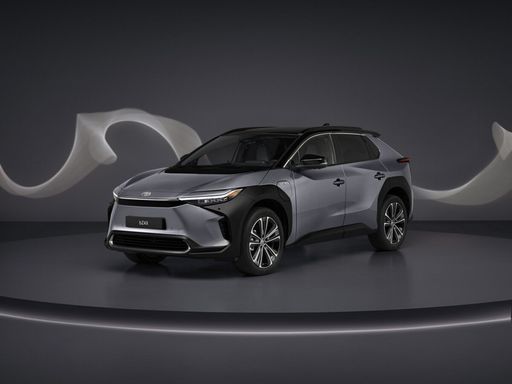
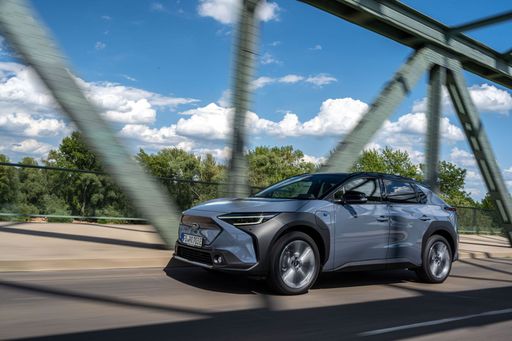
bZ4X

Power and Performance

Under the hood, the Subaru Solterra boasts a robust powertrain, delivering up to 218 horsepower and an impressive torque of 336 Nm. This translates to a swift acceleration from 0 to 100 km/h in just 6.9 seconds. The all-wheel drive system enhances traction and stability on various terrains, making it an ideal choice for adventurous drivers.

On the other hand, the Toyota bZ4X offers a power output of 204 HP in its front-wheel-drive variant, with an option that matches the Solterra's specs at 218 HP for the all-wheel-drive model. The bZ4X reaches the 0-100 km/h mark in approximately 7.5 seconds for its FWD configuration, but aligns with the Solterra when equipped with AWD. Although the bZ4X delivers slightly lower torque at 265 Nm in the FWD version, it matches the Subaru's performance in the AWD variant.

Solterra

Electric Range and Efficiency

One of the most crucial aspects of electric vehicles is their range, and this is where the bZ4X takes a lead. With an electric range of up to 513 km in its most efficient configuration, the Toyota bZ4X surpasses the Solterra, which offers a maximum range of 466 km. Both vehicles feature automatic transmissions with a reduction gearbox, ensuring smooth and responsive performance.

When it comes to energy consumption, the bZ4X also edges ahead with an impressive efficiency rating of 14.4 kWh/100 km, compared to the Solterra's consumption rates ranging from 16 to 17.9 kWh/100 km, depending on the configuration. This efficiency not only translates to longer journeys but also positions the bZ4X as a more economically sensible option for electric vehicle enthusiasts.

bZ4X

Dimensions and Cargo Space

In terms of size, both vehicles share similar dimensions, with a length of 4690 mm, width of 1860 mm, and a height that slightly favors the Solterra at 1650 mm compared to the bZ4X's 1600 mm. Despite the minor height difference, both SUVs offer a comfortable interior space with seating for five.

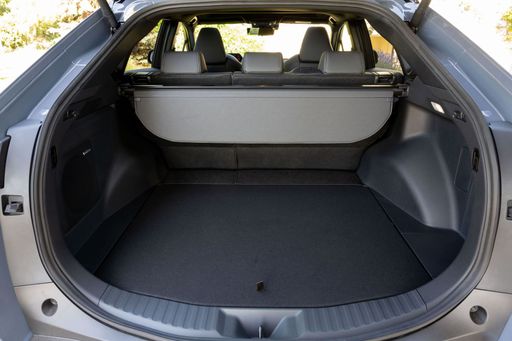
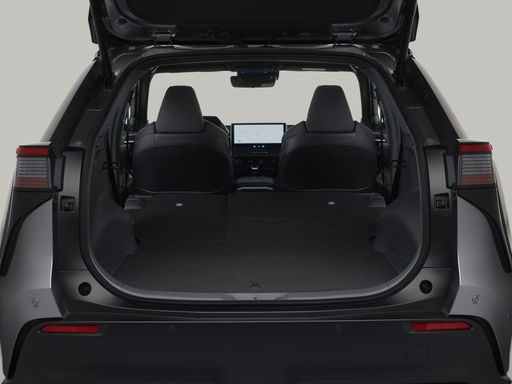
When it comes to cargo capacity, they are nearly identical, with both offering a trunk space of 452 liters. This ample storage makes both models practical choices for families or those needing extra luggage space for road trips.

Solterra

Innovation and Technology

Subaru has equipped the Solterra with a suite of advanced safety and driver-assistance features, ensuring a secure driving experience. Features include adaptive cruise control, lane-keeping assist, and various collision-avoidance technologies, positioning it as a leader in safety ratings.

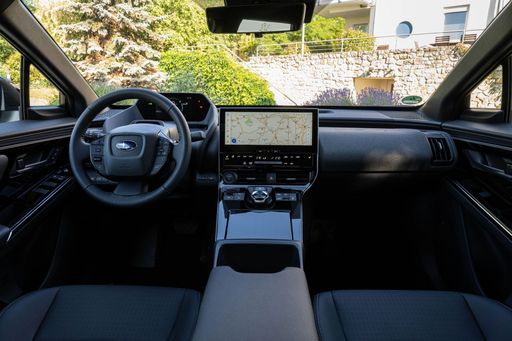
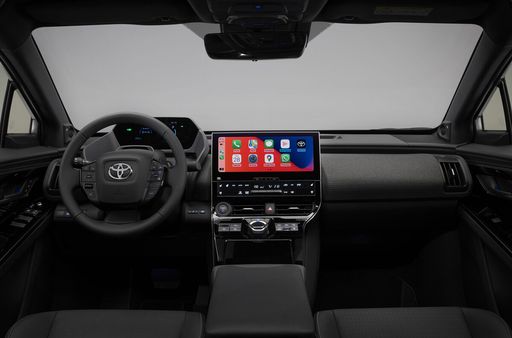
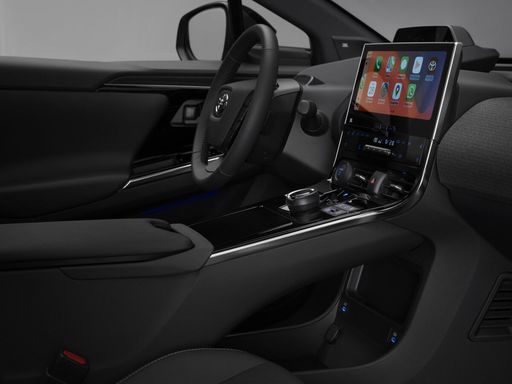
Meanwhile, Toyota's bZ4X shines with its futuristic infotainment system that integrates a large touchscreen interface, compatibility with smart devices, and an available heads-up display for essential driving information. Additionally, the bZ4X incorporates a highly advanced battery management system that optimizes the lifespan and efficiency of its power source.

bZ4X

Conclusion: Which Electric SUV is Right for You?

Choosing between the Subaru Solterra and the Toyota bZ4X ultimately comes down to personal preference and driving needs. The Solterra is a compelling option for those who value off-road capabilities and robustness, while the bZ4X excels in range and efficiency, appealing to the eco-conscious driver looking for longer journeys. Both vehicles are finely engineered and represent the future of sustainable driving, making them excellent choices in the expanding electric SUV market.

Here’s where it gets real: The technical differences in detail

Solterra

Costs and Efficiency:

When it comes to price and running costs, the biggest differences usually appear. This is often where you see which car fits your budget better in the long run.

Toyota bZ4X is only slightly cheaper – starting at 36,800 £ , while the Subaru Solterra costs 39,400 £ . That’s a price difference of around 2,572 £.

In terms of energy consumption, the Toyota bZ4X is marginally more efficient: consuming 13.5 kWh/100km compared to 14.6 kWh/100km for the Subaru Solterra. That’s a difference of about 1.1 kWh/100km.

As for electric range, the Toyota bZ4X offers a bit more range – reaching up to 591 km, about 80 km more than the Subaru Solterra.

bZ4X

Engine and Performance:

Under the bonnet, it becomes clear which model is tuned for sportiness and which one takes the lead when you hit the accelerator.

When it comes to engine power, the Toyota bZ4X offers very slightly more power – delivering 380 HP compared to 343 HP. That’s roughly 37 HP more horsepower.

When accelerating from 0 to 100 km/h, the Toyota bZ4X is moderately quicker – completing the sprint in 4.4 s, while the Subaru Solterra takes 5.1 s. That’s about 0.7 s quicker.

There’s also a difference in torque: the Subaru Solterra delivers visibly more torque with 437 Nm compared to 338 Nm. That’s about 99 Nm more.

Solterra

Space and Everyday Use:

Cabin size, boot volume and payload all play a role in everyday practicality. Here, comfort and flexibility make the difference.

Both vehicles offer seating for 5 people.

In terms of curb weight, Toyota bZ4X is a bit lighter – 1,900 kg compared to 2,117 kg. The difference is around 217 kg.

Looking at boot space, the Toyota bZ4X offers visibly more boot space – 669 L compared to 452 L. That’s a difference of about 217 L.

When it comes to payload, the Toyota bZ4X carries somewhat more – 565 kg compared to 468 kg. That’s a difference of about 97 kg.

Who wins the race in the data check?

The Toyota bZ4X holds a decisive overall lead in the objective data comparison.
This result only shows which model scores more points on paper – not which of the two cars feels right for you.

from £36,800
bZ4X

Toyota bZ4X

  • Engine Type Electric
  • Transmission Automatic
  • Drive Type Front-Wheel Drive, All-Wheel Drive
  • Power HP 167 - 380 HP
  • Consumption kWh/100km 13.5 - 16.6 kWh/100km
  • Electric Range 444 - 591 km
Subaru Solterra
Toyota bZ4X

Costs and Consumption

View detailed analysis

Engine and Performance

View detailed analysis

Dimensions and Body

View detailed analysis

Subaru Solterra

The Subaru Solterra translates Subaru's rugged, go-anywhere character into an electric package, offering sure-footed handling and a thoughtfully practical cabin that feels ready for weekend escapes. It isn't trying to outshine flashier rivals — instead it stakes its claim on reliability and friendly simplicity, making it a sensible, slightly cheeky choice for buyers who want an EV that behaves like a Subaru.

details

Toyota bZ4X

The Toyota bZ4X is an electric crossover that focuses on a calm ride, practical interior and predictable handling for everyday driving. It suits buyers who want an easygoing, reliable EV with Toyota's familiar build quality and a clean, simple design.

details
Subaru Solterra
Toyota bZ4X

Costs and Consumption

Price
39,400 - 45,400 £
Price
36,800 - 51,000 £
Consumption L/100km
-
Consumption L/100km
-
Consumption kWh/100km
14.6 - 15.8 kWh/100km
Consumption kWh/100km
13.5 - 16.6 kWh/100km
Electric Range
471 - 511 km
Electric Range
444 - 591 km
Battery Capacity
-
Battery Capacity
-
co2
0 g/km
co2
0 g/km
Fuel tank capacity
-
Fuel tank capacity
-

Dimensions and Body

Body Type
SUV
Body Type
SUV
Seats
5
Seats
5
Doors
-
Doors
-
Curb weight
2,117 - 2,154 kg
Curb weight
1,900 - 2,180 kg
Trunk capacity
452 L
Trunk capacity
452 - 669 L
Length
-
Length
-
Width
1,860 mm
Width
1,860 mm
Height
-
Height
-
Max trunk capacity
-
Max trunk capacity
-
Payload
431 - 468 kg
Payload
375 - 565 kg

Engine and Performance

Engine Type
Electric
Engine Type
Electric
Transmission
Automatic
Transmission
Automatic
Transmission Detail
Reduction Gearbox
Transmission Detail
Reduction Gearbox
Drive Type
All-Wheel Drive
Drive Type
Front-Wheel Drive, All-Wheel Drive
Power HP
343 HP
Power HP
167 - 380 HP
Acceleration 0-100km/h
5.1 s
Acceleration 0-100km/h
4.4 - 8.6 s
Max Speed
-
Max Speed
-
Torque
437 Nm
Torque
268 - 338 Nm
Number of Cylinders
-
Number of Cylinders
-
Power kW
252 kW
Power kW
123 - 280 kW
Engine capacity
-
Engine capacity
-

General

Model Year
2026
Model Year
2,025 - 2,026
CO2 Efficiency Class
A
CO2 Efficiency Class
A
Brand
Subaru
Brand
Toyota
DriveDuel uses data analysis and artificial intelligence to evaluate vehicle data and create content. Content is regularly reviewed and improved. The displayed prices are estimates based on German list prices, adjusted to the respective country’s VAT. Country-specific registration taxes are not included. This information is not legally binding.