VS

Tesla Model 3 vs Mercedes EQE comparison

Compare performance (460 HP vs 625 HP), boot space and price (31,700 £ vs 57,600 £ ) at a glance. Find out which car is the better choice for you – Tesla Model 3 or Mercedes EQE?

Tesla Model 3 vs Mercedes EQE: Key differences

Tesla Model 3

4.3 (7 Reviews)
rate
  • considerably cheaper
  • visibly more efficient
  • only slightly more electric range
  • slightly quicker 0–100 km/h
  • noticeably lighter
  • noticeably more trunk space
details

Mercedes EQE

4.5 (5 Reviews)
rate
  • markedly more power
details

All details on performance, efficiency, range and trunk space can be found in the technical comparison below – including user reviews for both models.

By Achim Sedelmaier

Model 3

Electric Elegance: Mercedes EQE vs. Tesla Model 3

As the electric vehicle (EV) revolution accelerates, two models are capturing the imagination of the eco-conscious and tech-savvy drivers: the Mercedes EQE and the Tesla Model 3. Both cars represent the pinnacle of electric innovation from established industry leaders. Let's dive into their technical aspects and see how they stack up against each other.
EQE

Design and Body Type

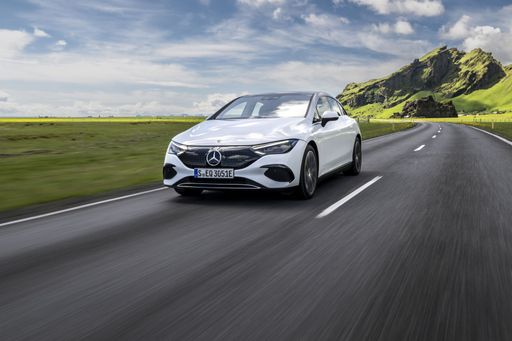
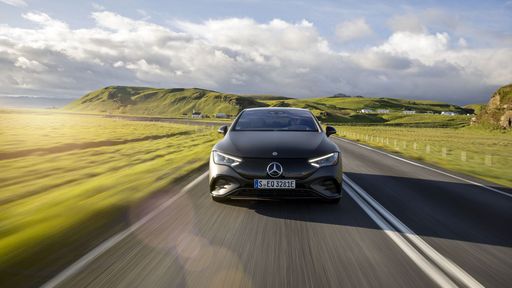
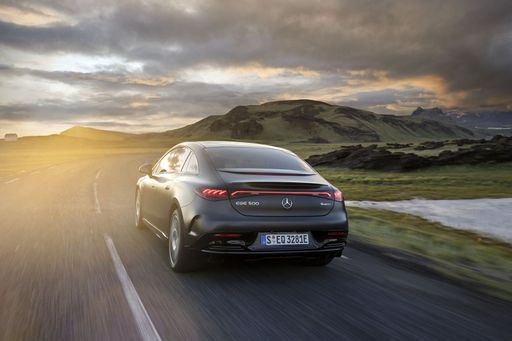
The Mercedes EQE showcases a luxurious sedan design, reflecting Mercedes-Benz's legacy of creating high-end automobiles. Its design exudes elegance with dimensions stretching to a length of 4946 mm and a width of 1961 mm, providing both style and space.

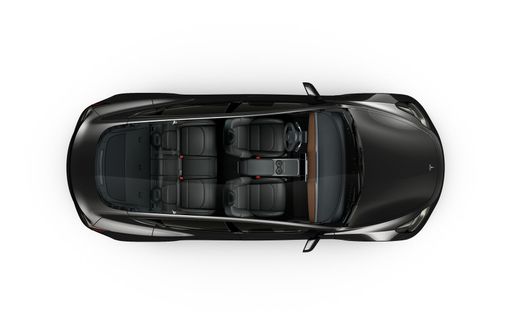
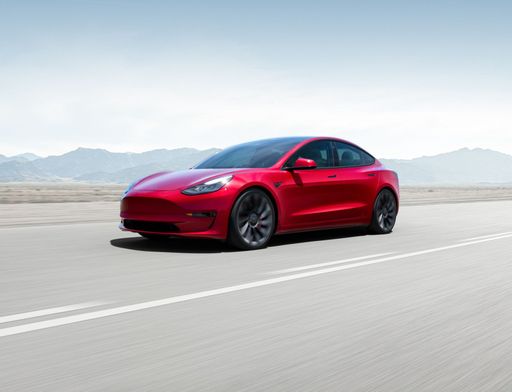
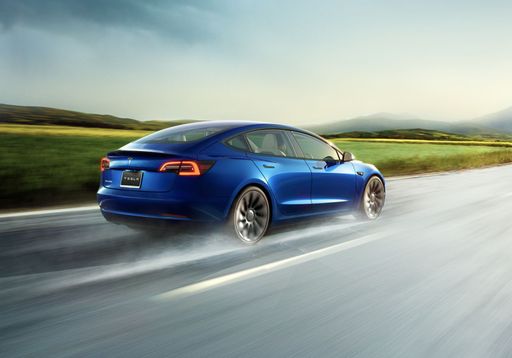
In contrast, the Tesla Model 3 adopts a more compact hatchback design. Despite its smaller footprint, with a length of 4720 mm and a width of 1850 mm, the Model 3 retains a modern and minimalist aesthetic that Tesla fans adore. Moreover, the additional hatchback trunk space enhances its practicality with a capacity of 594 L, compared to EQE's 430 L.

Model 3

Performance and Power

The Mercedes EQE offers multiple power options, ranging from 245 to 625 HP, powered by batteries with capacities between 89 kWh and 96 kWh. It provides exhilarating acceleration, with some variants reaching 0-100 km/h in just 3.5 seconds. Maximum speed peaks at 220 km/h, appealing to those who crave high-performance driving.

Tesla's Model 3 competes fiercely with power outputs between 283 to 460 HP and a lighter battery capacity of up to 79 kWh. It's no slouch on the road, accelerating from 0-100 km/h in a remarkable 3.1 seconds for its performance variant, and hitting a top speed of 262 km/h, making it one of the fastest in its category.

EQE

Range and Efficiency

When it comes to electric range, the Mercedes EQE offers a maximum of 690 km, thanks to its efficient energy consumption ranging from 15.9 to 20.8 kWh/100 km. This impressive range suits long-distance travelers prioritizing reliability and endurance.

Tesla Model 3 is also lauded for its efficiency, boasting a range of up to 702 km with consumption as low as 12.5 kWh/100 km. This ensures fewer stops and more journeys, a key selling point for those focusing on range.

Model 3

Innovation and Technology

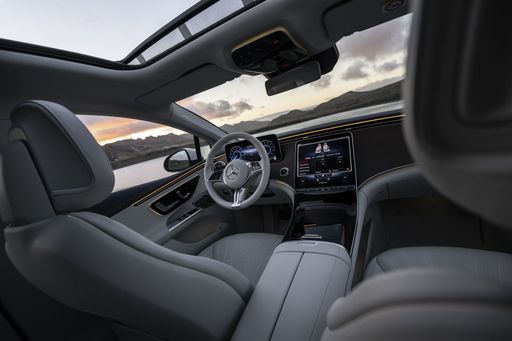
The Mercedes EQE is packed with cutting-edge technology characterized by its advanced drive assistance systems and a seamless digital user interface. Mercedes-Benz's commitment to luxury is evident in every aspect, from its intuitive touchscreen display to its suite of AI-driven safety features.

Tesla, on the other hand, leads the industry in autonomous driving capabilities. The Model 3's Autopilot provides semi-autonomous driving that continues to evolve via over-the-air updates. Tesla's approach to continuous software improvements keeps the Model 3 at the forefront of automotive technology.

EQE

Conclusion: Two Titans of the EV World

Choosing between the Mercedes EQE and the Tesla Model 3 depends largely on personal preferences. The EQE offers unmatched luxury and a serene driving experience, while the Model 3 brings cutting-edge technology and performance to the table. Both are remarkable electric vehicles that redefine what it means to drive green.

Whichever car appeals to you, rest assured that both options represent a future where performance and sustainability go hand in hand.

Here’s where it gets real: The technical differences in detail

Model 3

Costs and Efficiency:

When it comes to price and running costs, the biggest differences usually appear. This is often where you see which car fits your budget better in the long run.

Tesla Model 3 is considerably cheaper – starting at 31,700 £ , while the Mercedes EQE costs 57,600 £ . That’s a price difference of around 25,883 £.

In terms of energy consumption, the Tesla Model 3 is visibly more efficient: consuming 13 kWh/100km compared to 15.8 kWh/100km for the Mercedes EQE. That’s a difference of about 2.8 kWh/100km.

As for electric range, the Tesla Model 3 offers only slightly more range – reaching up to 750 km, about 59 km more than the Mercedes EQE.

EQE

Engine and Performance:

Power, torque and acceleration are the classic benchmarks for car enthusiasts – and here, some clear differences start to show.

When it comes to engine power, the Mercedes EQE offers markedly more power – delivering 625 HP compared to 460 HP. That’s roughly 165 HP more horsepower.

When accelerating from 0 to 100 km/h, the Tesla Model 3 is slightly quicker – completing the sprint in 3.1 s, while the Mercedes EQE takes 3.5 s. That’s about 0.4 s quicker.

There’s also a difference in torque: the Mercedes EQE delivers clearly more torque with 950 Nm compared to 660 Nm. That’s about 290 Nm more.

Model 3

Space and Everyday Use:

Cabin size, boot volume and payload all play a role in everyday practicality. Here, comfort and flexibility make the difference.

Both vehicles offer seating for 5 people.

In terms of curb weight, Tesla Model 3 is noticeably lighter – 1,822 kg compared to 2,375 kg. The difference is around 553 kg.

Looking at boot space, the Tesla Model 3 offers noticeably more boot space – 594 L compared to 430 L. That’s a difference of about 164 L.

When it comes to payload, the Mercedes EQE carries substantially more – 600 kg compared to 333 kg. That’s a difference of about 267 kg.

Who wins the race in the data check?

The Tesla Model 3 holds a solid overall lead in the objective data comparison.
This result only shows which model scores more points on paper – not which of the two cars feels right for you.

from £31,700
Model 3

Tesla Model 3

  • Engine Type Electric
  • Transmission Automatic
  • Drive Type All-Wheel Drive, Rear-Wheel Drive
  • Power HP 283 - 460 HP
  • Consumption kWh/100km 13 - 16.5 kWh/100km
  • Electric Range 534 - 750 km
Tesla Model 3
Mercedes EQE

Costs and Consumption

View detailed analysis

Engine and Performance

View detailed analysis

Dimensions and Body

View detailed analysis

Tesla Model 3

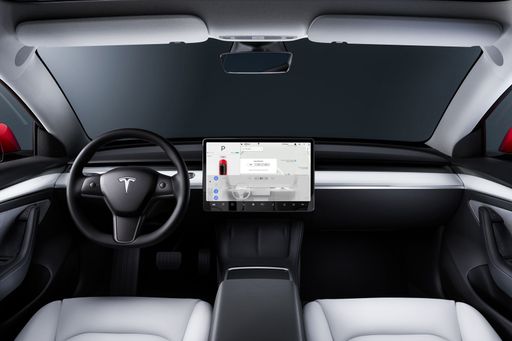
The Tesla Model 3 is a compact electric sedan that pairs brisk, responsive driving with a sleek, minimalist cabin and intuitive, software-led features. It makes a practical, modern choice for daily commutes and long-term ownership while emphasizing simplicity and advanced driver assistance.

details

Mercedes EQE

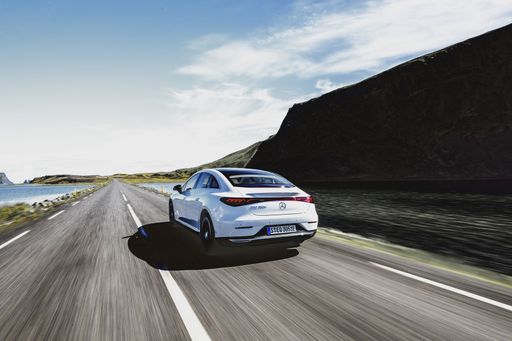
The Mercedes EQE glides like a silk-wrapped saloon from the future, pairing whisper-quiet refinement with a high-tech cabin that feels both modern and indulgent. For buyers who want electric luxury without shouting about it, the EQE is composed, comfortably confident, and just smug enough to feel special.

details
Tesla Model 3
Mercedes EQE

Costs and Consumption

Price
31,700 - 50,100 £
Price
57,600 - 94,900 £
Consumption L/100km
-
Consumption L/100km
-
Consumption kWh/100km
13 - 16.5 kWh/100km
Consumption kWh/100km
15.8 - 20.7 kWh/100km
Electric Range
534 - 750 km
Electric Range
502 - 691 km
Battery Capacity
-
Battery Capacity
90.5 - 96 kWh
co2
0 g/km
co2
0 g/km
Fuel tank capacity
-
Fuel tank capacity
-

Dimensions and Body

Body Type
Sedan
Body Type
Sedan
Seats
5
Seats
5
Doors
-
Doors
4
Curb weight
1,822 - 1,929 kg
Curb weight
2,375 - 2,540 kg
Trunk capacity
594 L
Trunk capacity
430 L
Length
-
Length
4,946 - 4,964 mm
Width
1,850 mm
Width
1,961 mm
Height
-
Height
1,492 - 1,510 mm
Max trunk capacity
-
Max trunk capacity
-
Payload
302 - 333 kg
Payload
545 - 600 kg

Engine and Performance

Engine Type
Electric
Engine Type
Electric
Transmission
Automatic
Transmission
Automatic
Transmission Detail
Reduction Gearbox
Transmission Detail
Reduction Gearbox
Drive Type
All-Wheel Drive, Rear-Wheel Drive
Drive Type
All-Wheel Drive, Rear-Wheel Drive
Power HP
283 - 460 HP
Power HP
265 - 625 HP
Acceleration 0-100km/h
3.1 - 6.2 s
Acceleration 0-100km/h
3.5 - 6.9 s
Max Speed
-
Max Speed
210 - 220 km/h
Torque
420 - 660 Nm
Torque
550 - 950 Nm
Number of Cylinders
-
Number of Cylinders
-
Power kW
208 - 338 kW
Power kW
195 - 460 kW
Engine capacity
-
Engine capacity
-

General

Model Year
2025
Model Year
2,024 - 2,025
CO2 Efficiency Class
A
CO2 Efficiency Class
A
Brand
Tesla
Brand
Mercedes-Benz
DriveDuel uses data analysis and artificial intelligence to evaluate vehicle data and create content. Content is regularly reviewed and improved. The displayed prices are estimates based on German list prices, adjusted to the respective country’s VAT. Country-specific registration taxes are not included. This information is not legally binding.