VS

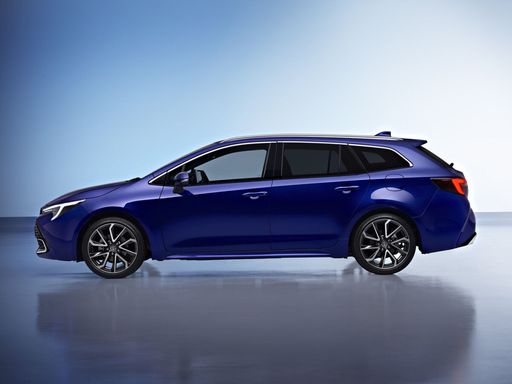
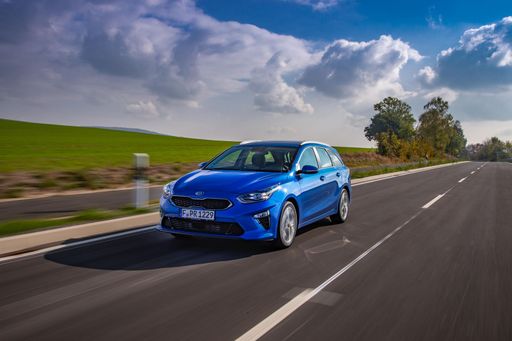
Toyota Corolla Touring Sports vs Kia Ceed Sportswagon comparison

Compare performance (178 HP vs 140 HP), boot space and price (29,600 £ vs 24,300 £ ) at a glance. Find out which car is the better choice for you – Toyota Corolla Touring Sports or Kia Ceed Sportswagon?

Toyota Corolla Touring Sports vs Kia Ceed Sportswagon: Key differences

Toyota Corolla Touring Sports

4.4 (2 Reviews)
rate
  • visibly more power
  • clearly more efficient
  • markedly quicker 0–100 km/h
details

Kia Ceed Sportswagon

  • visibly cheaper
  • a bit lighter
details

By Achim Sedelmaier

Corolla Touring Sports

Overview: Kia Ceed Sportswagon vs Toyota Corolla Touring Sports

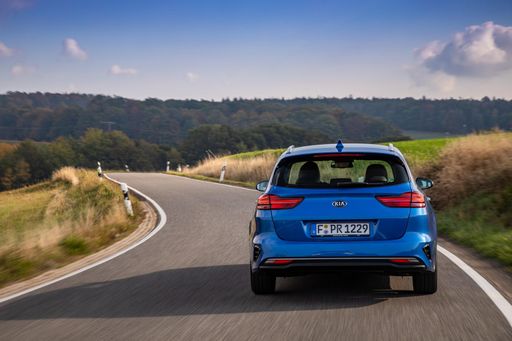
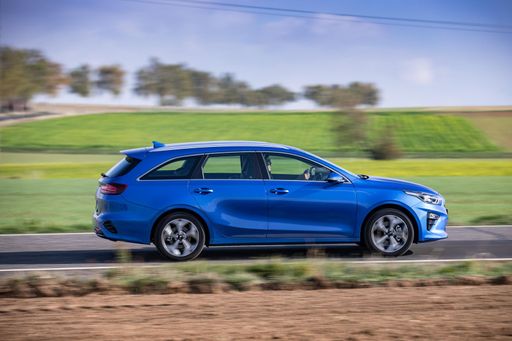
The Kia Ceed Sportswagon and the Toyota Corolla Touring Sports make the same promise — a practical family kombi — but they deliver it in different keys. The Ceed Sportswagon banks on straightforward usability, a massive, cleverly laid-out boot and a strong value proposition that appeals to price‑aware buyers. The Corolla Touring Sports leans on hybrid efficiency, a calmer city ride and a more composed long‑distance demeanor that cuts running costs. Choosing between them is a question of purchase price and everyday running priorities rather than a debate about prestige.
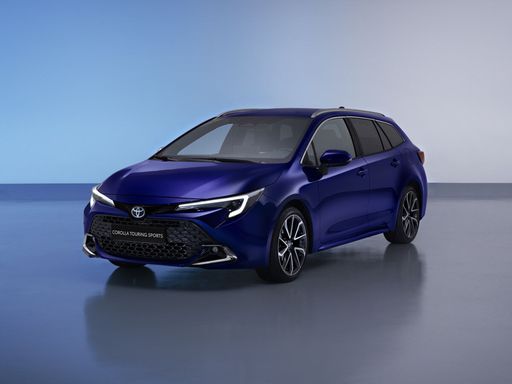
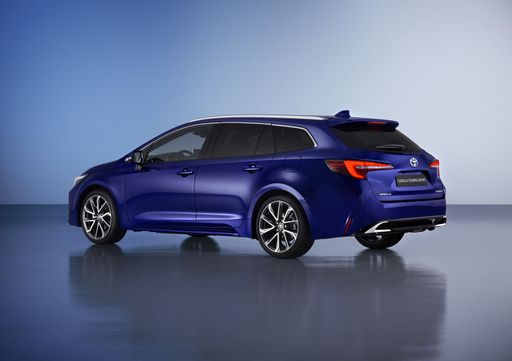
Ceed Sportswagon

Boot and everyday practicality

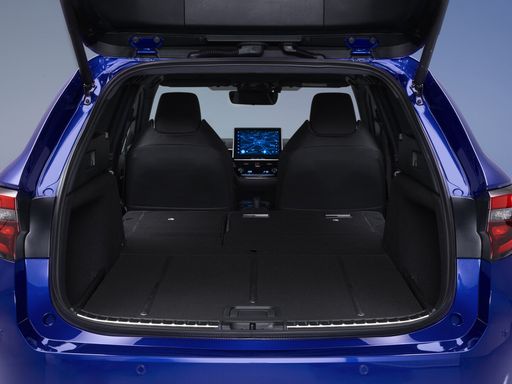
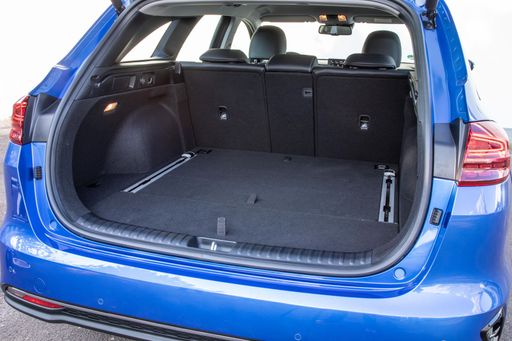
When it comes to loading the car and living with it day to day, the Kia Ceed Sportswagon tilts towards the functional end of the scale with a very low lift‑over, underfloor nooks and simple mechanical solutions that save time when packing kids or kit. The Toyota Corolla Touring Sports offers an equally sensible, square load bay and easy access, but its advantages are felt in tidy use rather than sheer cleverness — it’s orderly and reliable rather than full of workshop tricks. Families who regularly haul prams, bikes or bulky shopping will notice the Ceed’s marginal edge for awkward loads; Corolla drivers will appreciate the predictable, wide opening and long‑term durability. Both work well for family life, but the Ceed makes the trickier jobs feel easier while the Corolla keeps the routine neat and uncomplaining.

Corolla Touring Sports

Comfort and long-distance composure

On long runs the Toyota Corolla Touring Sports generally feels the more relaxed companion: suspension tuning and the hybrid setup create an unflappable, steady cruise that masks miles and saves fuel in stop‑start work. The Kia Ceed Sportswagon is competent and secure, but at motorway speeds it shows a little more tyre and road noise and a firmer, less filtered ride that reminds you it’s pitched toward practicality. If you spend lots of time on the motorway or prefer a sedate, low‑effort cruise the Corolla will wear better over distance; if your trips are mixed or you prioritize a lower purchase price, the Ceed remains an honest, durable choice. Both are safe and predictable, but their highway manners differ enough to affect daily fatigue and passenger comfort.

Ceed Sportswagon

City friendliness and running costs

City driving is where the Corolla Touring Sports earns its keep: the hybrid system lets it glide around town, cutting fuel bills and smoothing stop‑start traffic without plugging in. The Kia Ceed Sportswagon is no slouch in tight urban environments — it’s compact, easy to place and its physical controls make quick adjustments straightforward — but it cannot match the Corolla’s low running costs or frequent electric‑only bursts. Buyers who commute through congestion or care about fuel economy will find the Corolla’s real‑world efficiency compelling; buyers focused on lower upfront cost and simpler tech will prefer the Ceed. The trade‑off is clear: immediate purchase savings versus lower ongoing spend.

Corolla Touring Sports

Cabin feel, perceived quality and tech usability

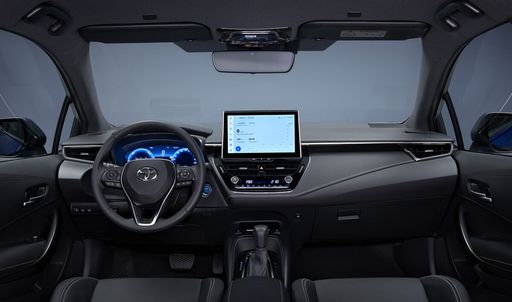
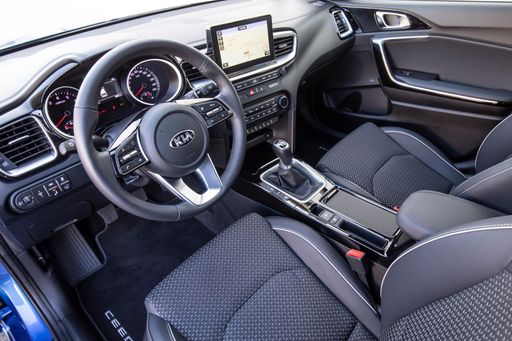
Step inside the Kia Ceed Sportswagon and you meet a pragmatic cabin: plenty of tactile buttons, simple ergonomics and robust surfaces that prioritise day‑to‑day usability over refinement. The Toyota Corolla Touring Sports presents a cleaner dash and a slightly more composed interior vibe, but Toyota’s infotainment and camera setups still show a few usability compromises despite recent improvements. In practice the Ceed’s physical controls give a quicker, less fussy experience for drivers who dislike menu diving, while the Corolla rewards those who value a calmer, more refined ambience and better long‑term ownership economics. Perceived quality leans subtly toward the Corolla, though the Ceed’s workmanship and sensible layout make it feel sensible rather than cheap.

Ceed Sportswagon

Buyer fit: who should test which car first?

If you’re price‑sensitive, need the most usable loadspace and want simple controls, start your search with the Kia Ceed Sportswagon — it’s built around pragmatic family life and a strong value story. If your priority is low running costs, relaxed city driving and an effortless hybrid system, the Toyota Corolla Touring Sports is the natural first test drive and will repay itself in everyday peace of mind. Active drivers who want sharper handling should look elsewhere, but as practical kombis these two occupy distinct niches: Ceed for function and budget, Corolla for efficiency and daily calm. Read on to the technical comparison to see how those real‑world tendencies map onto engines, weights and equipment so you can match the numbers to your priorities.

Here’s where it gets real: The technical differences in detail

Corolla Touring Sports

Costs and Efficiency:

Price and efficiency are often the first things buyers look at. Here it becomes clear which model has the long-term edge – whether at the pump, the plug, or in purchase price.

Kia Ceed Sportswagon is visibly cheaper – starting at 24,300 £ , while the Toyota Corolla Touring Sports costs 29,600 £ . That’s a price difference of around 5,271 £.

Fuel consumption also shows a difference: the Toyota Corolla Touring Sports uses 4.4 L/100km and is clearly more efficient than the Kia Ceed Sportswagon with 6 L/100km. The difference is about 1.6 L/100km.

Ceed Sportswagon

Engine and Performance:

Power, torque and acceleration say a lot about how a car feels on the road. This is where you see which model delivers more driving dynamics.

When it comes to engine power, the Toyota Corolla Touring Sports offers visibly more power – delivering 178 HP compared to 140 HP. That’s roughly 38 HP more horsepower.

When accelerating from 0 to 100 km/h, the Toyota Corolla Touring Sports is markedly quicker – completing the sprint in 7.5 s, while the Kia Ceed Sportswagon takes 9.7 s. That’s about 2.2 s quicker.

Corolla Touring Sports

Space and Everyday Use:

Beyond pure performance, interior space and usability matter most in daily life. This is where you see which car is more practical and versatile.

Both vehicles offer seating for 5 people.

In terms of curb weight, Kia Ceed Sportswagon is a bit lighter – 1,335 kg compared to 1,485 kg. The difference is around 150 kg.

When it comes to payload, the Kia Ceed Sportswagon carries very slightly more – 485 kg compared to 440 kg. That’s a difference of about 45 kg.

Who wins the race in the data check?

The Toyota Corolla Touring Sports is clearly superior overall in the objective data comparison.
This result only shows which model scores more points on paper – not which of the two cars feels right for you.

from £29,600
Corolla Touring Sports

Toyota Corolla Touring Sports

  • Engine Type Full Hybrid
  • Transmission Automatic
  • Drive Type Front-Wheel Drive
  • Power HP 140 - 178 HP
  • Consumption L/100km 4.4 L/100km
Toyota Corolla Touring Sports
Kia Ceed Sportswagon

Costs and Consumption

View detailed analysis

Engine and Performance

View detailed analysis

Dimensions and Body

View detailed analysis

Toyota Corolla Touring Sports

The Toyota Corolla Touring Sports is a sensible yet stylish estate that blends everyday practicality with Toyota's trademark reliability, making it the kind of car that quietly gets on with family life without drama. Inside it's cleverly packaged for luggage and kids' gear and feels calm and comfortable on the road — sensible rather than flashy, but with enough character to make daily drives more enjoyable.

details

Kia Ceed Sportswagon

The Kia Ceed Sportswagon is a sensible and surprisingly stylish family wagon that turns daily chores into a bit less of a grind. Practical, comfortable and packed with thoughtful touches where they matter, it’s a smart choice for buyers who want usefulness without sacrificing personality.

details
Toyota Corolla Touring Sports
Kia Ceed Sportswagon

Costs and Consumption

Price
29,600 - 36,400 £
Price
24,300 - 27,200 £
Consumption L/100km
4.4 L/100km
Consumption L/100km
6 - 6.4 L/100km
Consumption kWh/100km
-
Consumption kWh/100km
-
Electric Range
-
Electric Range
-
Battery Capacity
-
Battery Capacity
-
co2
100 g/km
co2
137 - 146 g/km
Fuel tank capacity
43 L
Fuel tank capacity
-

Dimensions and Body

Body Type
Estate
Body Type
Estate
Seats
5
Seats
5
Doors
5
Doors
-
Curb weight
1,485 - 1,515 kg
Curb weight
1,335 - 1,437 kg
Trunk capacity
581 - 596 L
Trunk capacity
-
Length
4,650 mm
Length
-
Width
1,790 mm
Width
1,800 mm
Height
1,435 mm
Height
-
Max trunk capacity
1,591 - 1,606 L
Max trunk capacity
-
Payload
400 - 440 kg
Payload
463 - 485 kg

Engine and Performance

Engine Type
Full Hybrid
Engine Type
Petrol, Petrol MHEV
Transmission
Automatic
Transmission
Manuel, Automatic
Transmission Detail
CVT
Transmission Detail
Manual Gearbox, Dual-Clutch Automatic
Drive Type
Front-Wheel Drive
Drive Type
Front-Wheel Drive
Power HP
140 - 178 HP
Power HP
100 - 140 HP
Acceleration 0-100km/h
7.5 - 9.2 s
Acceleration 0-100km/h
9.7 - 13.5 s
Max Speed
180 km/h
Max Speed
-
Torque
-
Torque
172 - 253 Nm
Number of Cylinders
4
Number of Cylinders
3 - 4
Power kW
103 - 131 kW
Power kW
74 - 103 kW
Engine capacity
1,798 - 1,987 cm3
Engine capacity
998 - 1,482 cm3

General

Model Year
2025
Model Year
2024
CO2 Efficiency Class
C
CO2 Efficiency Class
E
Brand
Toyota
Brand
Kia
DriveDuel uses data analysis and artificial intelligence to evaluate vehicle data and create content. Content is regularly reviewed and improved. The displayed prices are estimates based on German list prices, adjusted to the respective country’s VAT. Country-specific registration taxes are not included. This information is not legally binding.