VS

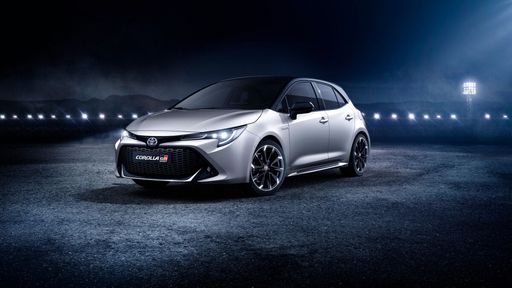
Toyota Corolla vs Skoda Octavia Combi comparison

Compare performance (178 HP vs 204 HP), boot space and price (28,600 £ vs 25,600 £ ) at a glance. Find out which car is the better choice for you – Toyota Corolla or Skoda Octavia Combi?

Toyota Corolla vs Skoda Octavia Combi: Key differences

Toyota Corolla

5 (1 Reviews)
rate
details

Skoda Octavia Combi

4.6 (3 Reviews)
rate
  • moderately cheaper
  • slightly more power
  • somewhat quicker 0–100 km/h
  • very slightly lighter
  • clearly more trunk space
details

All details on performance, efficiency, range and trunk space can be found in the technical comparison below – including user reviews for both models.

By Achim Sedelmaier

Corolla

Skoda Octavia Combi VS Toyota Corolla — the quick orientation

Skoda Octavia Combi and Toyota Corolla sit on the same sensible mission: low running costs and everyday usability, but they reach it from different directions. The Octavia Combi is the pragmatic, no-nonsense station wagon that emphasizes space, loadability and calm high-speed cruising; the Corolla leans into hybrid efficiency, simplicity and a reassuringly well‑sorted city-to-commute package. In this head-to-head you’ll feel the Octavia’s greater shove and cavernous boot the moment you load for a trip, while the Corolla’s hybrid system quietly trims fuel bills in town. This comparison will focus on how those choices affect real owners — comfort on long runs, daily usability, cabin feel and which buyer each car actually suits best.
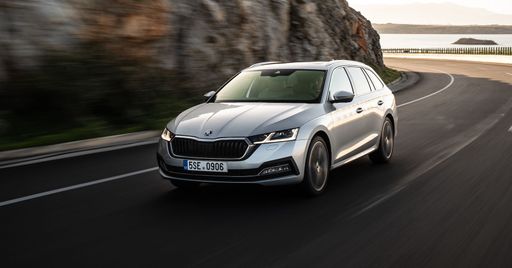
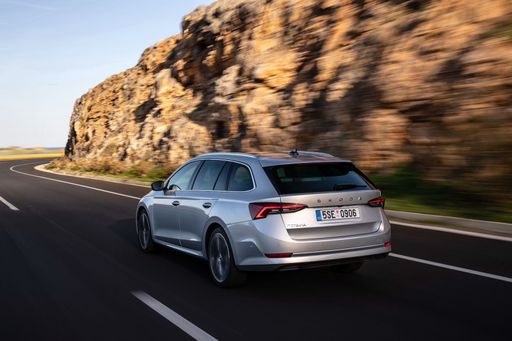
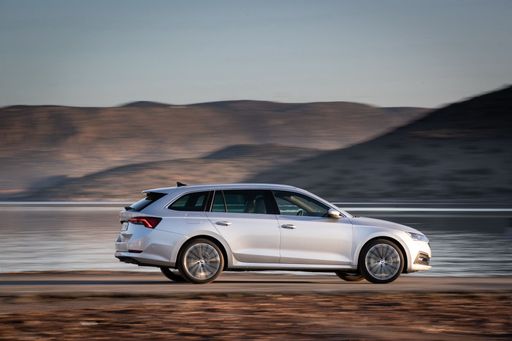
Octavia Combi

Character and driving feel

The Skoda Octavia Combi feels composed and confident on the motorway: it accelerates more willingly and keeps its composure at speed, which makes long highway stints less effortful. The Toyota Corolla answers with a calmer, more relaxed persona — the hybrid powertrain is soothing around town but becomes louder and less charismatic when you ask for brisk overtakes. Where the Octavia rewards with stronger on‑ramps and a steady chassis, the Corolla trades outright punch for predictability, silence and lower city consumption. Drivers wanting brisk responses and a heavier, planted feel will prefer the Octavia; those seeking a laid‑back, efficient cruiser for mixed commuting will find the Corolla more agreeable.

Corolla

Comfort and long‑distance behavior

On long trips the Octavia Combi leans into comfort through space and stability: roomy rear seats and suspension tuned for steady cruising make highway hours less fatiguing. The Corolla is comfortable too, but its strengths show up in urban and mixed driving where the hybrid system and softer ride mask traffic fatigue — the Corolla can feel more effortless in stop‑start conditions. Noise differs in character: the Octavia’s diesel can be more present under load, whereas the Corolla’s CVT will whine when worked hard; both are calm at constant motorway speeds but give different acoustic warnings when pushed. If your miles are mostly long motorway runs with a lot of luggage, the Octavia will feel more natural; if you split time between city and A‑roads and prize quietness at low speeds, the Corolla suits better.

Octavia Combi

Practicality and everyday usability

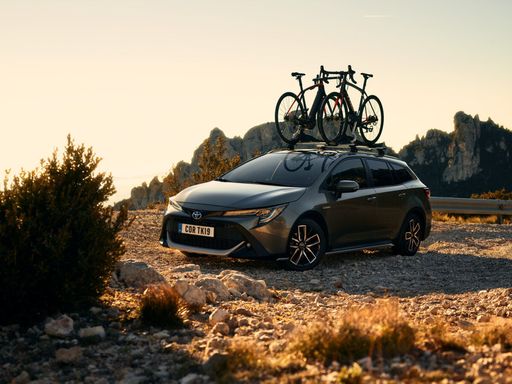
This is where the contrast is stark: the Octavia Combi is a class‑leading practical tool with a very usable, low‑loading boot and flexible load solutions that make family life and DIY runs easy. The Corolla is pragmatic too, especially in its Touring Sports guise, but the hatchback version trims space and makes tall or bulky loads more awkward — the Touring Sports narrows that gap but still doesn’t match the Octavia’s outright cargo feel. For families who regularly travel with strollers, bikes or a lot of luggage the Octavia’s wider, flatter boot and higher payload are decisive; for buyers who prioritize compact exterior proportions and primarily carry lighter daily loads, the Corolla delivers tidy usability without excess. In short: choose the Octavia for maximum hauling and the Corolla where smaller overall size and hybrid savings matter more.

Corolla

Cabin feel, controls and perceived quality

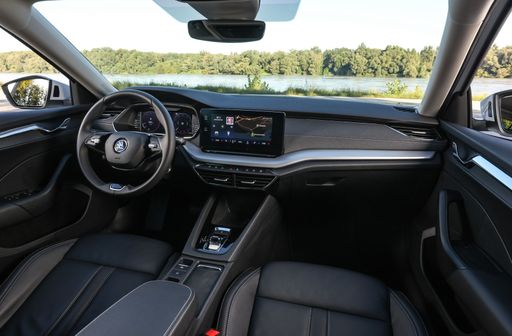
The Octavia cabin is built around functionality: solid surfaces, clever storage and a no‑nonsense layout, but it moves many climate functions into the touchscreen which some users find distracting. The Corolla leans on tactile buttons and a simpler interface that feels more intuitive during everyday driving, and its interior conveys a robust, durable character. Both cars show practical material choices rather than luxury flair — the Octavia tends to feel a little more spacious and businesslike up front, while the Corolla’s switchgear gives a stronger impression of user‑friendly longevity. If you value classic physical controls and a reassuring tactile experience the Corolla will please; if you prefer a roomier, more utility‑first environment the Octavia scores higher.

Octavia Combi

Buyer fit — who should choose which before the technical deep dive

If your priority is family space, frequent long trips with heavy luggage or a work life that demands load capacity and motorway composure, the Skoda Octavia Combi is the more natural fit thanks to its roomy rear seats and superior boot usability. If you spend most of your time in urban or mixed commuting, want the lowest possible running costs without plugging in and prefer fuss‑free, tactile controls, the Toyota Corolla is the smarter, more economical companion. Both cars are sensible and durable choices, but they resolve the same buyer needs differently: Octavia for maximum utility and relaxed high‑speed touring, Corolla for hybrid efficiency and everyday ease — which sets the scene for the technical comparison that follows.

Here’s where it gets real: The technical differences in detail

Corolla

Costs and Efficiency:

Looking at overall running costs, both models reveal some interesting differences in everyday economy.

Skoda Octavia Combi is moderately cheaper – starting at 25,600 £ , while the Toyota Corolla costs 28,600 £ . That’s a price difference of around 3,000 £.

Both cars consume an average of 4.4 L/100km – no difference here.

Octavia Combi

Engine and Performance:

Power, torque and acceleration say a lot about how a car feels on the road. This is where you see which model delivers more driving dynamics.

When it comes to engine power, the Skoda Octavia Combi offers slightly more power – delivering 204 HP compared to 178 HP. That’s roughly 26 HP more horsepower.

When accelerating from 0 to 100 km/h, the Skoda Octavia Combi is somewhat quicker – completing the sprint in 6.7 s, while the Toyota Corolla takes 7.5 s. That’s about 0.8 s quicker.

Corolla

Space and Everyday Use:

Whether family car or daily driver – which one offers more room, flexibility and comfort?

Both vehicles offer seating for 5 people.

In terms of curb weight, Skoda Octavia Combi is very slightly lighter – 1,366 kg compared to 1,420 kg. The difference is around 54 kg.

Looking at boot space, the Skoda Octavia Combi offers clearly more boot space – 640 L compared to 361 L. That’s a difference of about 279 L.

When it comes to payload, the Skoda Octavia Combi carries a bit more – 534 kg compared to 450 kg. That’s a difference of about 84 kg.

Who wins the race in the data check?

The Skoda Octavia Combi is decisively ahead in the objective data comparison.
This result only shows which model scores more points on paper – not which of the two cars feels right for you.

from £25,600
Octavia Combi

Skoda Octavia Combi

  • Engine Type : Petrol, Petrol MHEV, Diesel
  • Transmission : Automatic, Manuel
  • Drive Type : All-Wheel Drive, Front-Wheel Drive
  • Power HP : 116 - 204 HP
  • Consumption L/100km : 4.4 - 6.9 L/100km
Toyota Corolla
Skoda Octavia Combi

Costs and Consumption

View detailed analysis

Engine and Performance

View detailed analysis

Dimensions and Body

View detailed analysis

Toyota Corolla

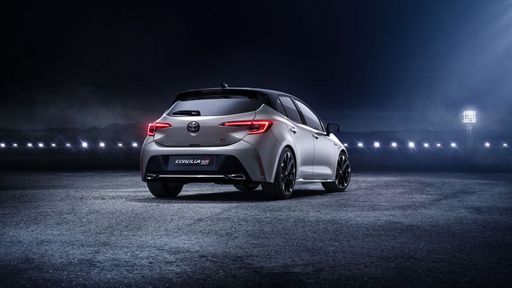
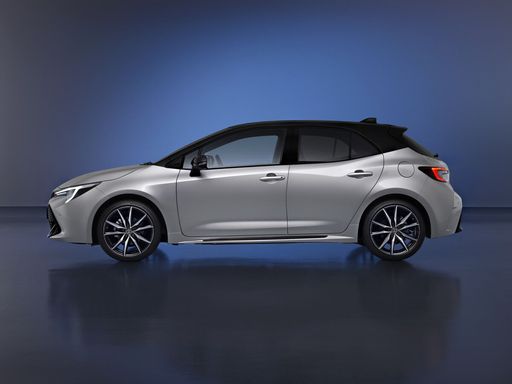
The Corolla is a reliable, no-nonsense compact car known for its practicality and composed ride. It’s economical to run, easy to maintain, and suits daily commuting while holding its value well.

details

Skoda Octavia Combi

The Skoda Octavia Combi is a practical, well‑packaged estate that delivers generous and flexible interior space ideal for families or active owners. Its sensible cabin layout, comfortable ride and solid reputation for reliability make it a pragmatic choice for buyers who value utility over flash.

details
Toyota Corolla
Skoda Octavia Combi

Costs and Consumption

Price
28,600 - 34,900 £
Price
25,600 - 39,600 £
Consumption L/100km
4.4 L/100km
Consumption L/100km
4.4 - 6.9 L/100km
Consumption kWh/100km
-
Consumption kWh/100km
-
Electric Range
-
Electric Range
-
Battery Capacity
-
Battery Capacity
-
co2
100 g/km
co2
113 - 157 g/km
Fuel tank capacity
43 L
Fuel tank capacity
-

Dimensions and Body

Body Type
Hatchback
Body Type
Estate
Seats
5
Seats
5
Doors
5
Doors
-
Curb weight
1,420 - 1,460 kg
Curb weight
1,366 - 1,553 kg
Trunk capacity
313 - 361 L
Trunk capacity
640 L
Length
4,370 mm
Length
-
Width
1,790 mm
Width
1,829 mm
Height
1,435 mm
Height
-
Max trunk capacity
1,004 - 1,052 L
Max trunk capacity
-
Payload
400 - 450 kg
Payload
502 - 534 kg

Engine and Performance

Engine Type
Full Hybrid
Engine Type
Petrol, Petrol MHEV, Diesel
Transmission
Automatic
Transmission
Automatic, Manuel
Transmission Detail
CVT
Transmission Detail
Dual-Clutch Automatic, Manual Gearbox
Drive Type
Front-Wheel Drive
Drive Type
All-Wheel Drive, Front-Wheel Drive
Power HP
140 - 178 HP
Power HP
116 - 204 HP
Acceleration 0-100km/h
7.5 - 9.2 s
Acceleration 0-100km/h
6.7 - 10.7 s
Max Speed
180 km/h
Max Speed
-
Torque
-
Torque
220 - 360 Nm
Number of Cylinders
4
Number of Cylinders
4
Power kW
103 - 131 kW
Power kW
85 - 150 kW
Engine capacity
1,798 - 1,987 cm3
Engine capacity
1,498 - 1,984 cm3

General

Model Year
2025
Model Year
2025
CO2 Efficiency Class
C
CO2 Efficiency Class
E, F, D, C
Brand
Toyota
Brand
Skoda
DriveDuel uses data analysis and artificial intelligence to evaluate vehicle data and create content. Content is regularly reviewed and improved. The displayed prices are estimates based on German list prices, adjusted to the respective country’s VAT. Country-specific registration taxes are not included. This information is not legally binding.