VS

Toyota RAV4 vs Mitsubishi Outlander comparison

Compare performance (309 HP vs 306 HP), boot space and price (37,700 £ vs 42,800 £ ) at a glance. Find out which car is the better choice for you – Toyota RAV4 or Mitsubishi Outlander?

Toyota RAV4 vs Mitsubishi Outlander: Key differences

Toyota RAV4

4.8 (13 Reviews)
rate
  • slightly cheaper
  • barely more power
  • clearly more efficient
  • clearly more electric range
  • clearly quicker 0–100 km/h
  • clearly lighter
  • barely more trunk space
details

Mitsubishi Outlander

4.7 (5 Reviews)
rate
details

All details on performance, efficiency, range and trunk space can be found in the technical comparison below – including user reviews for both models.

RAV4

Toyota RAV4 vs Mitsubishi Outlander: which plug-in SUV fits your life?

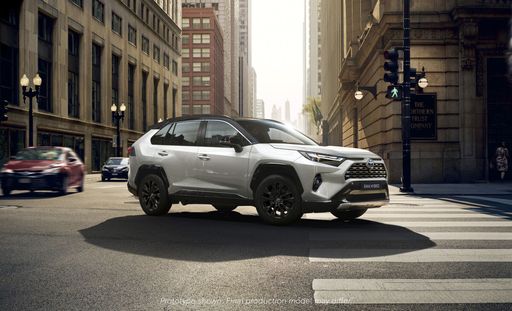
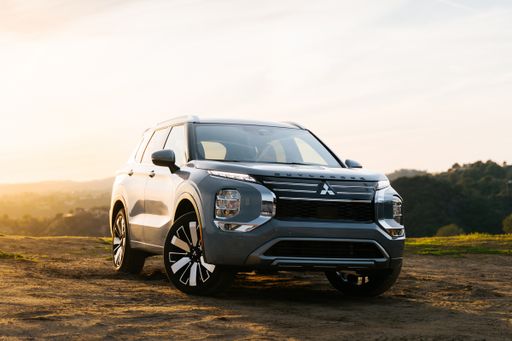
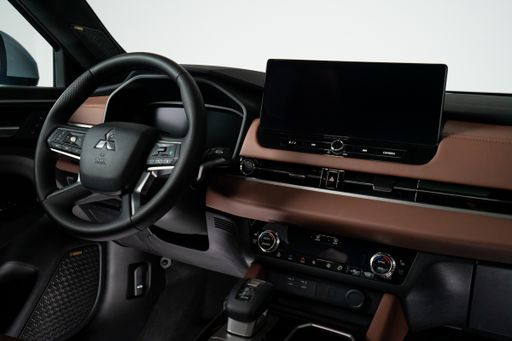
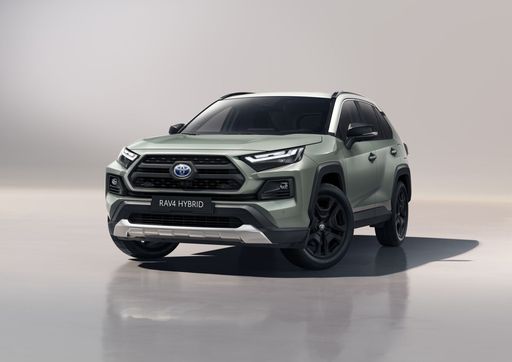
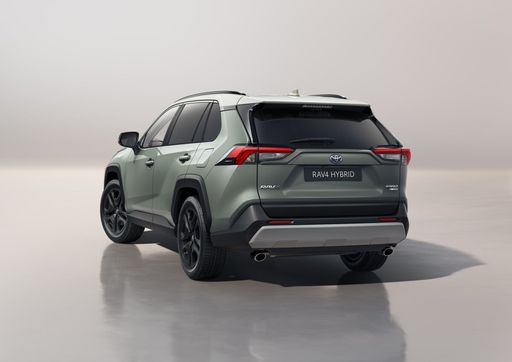
The Toyota RAV4 and Mitsubishi Outlander target the same family-SUV sweet spot, but they go about it very differently. The RAV4 leans on calm efficiency and fuss-free operation, while the Outlander majors on hushed comfort, strong traction and a more upmarket cabin sheen. In like-for-like plug-in form, the Toyota generally asks less at purchase and stretches its electric miles further before the engine wakes. The Mitsubishi answers with a richer interior, more rear-seat flexibility and a serene, softly sprung vibe that feels built for de-stressing. What matters most is how their characters land in your routine: brisk-and-easy Toyota or cocooned-and-composed Mitsubishi.
Outlander

Driving character and everyday ease

The RAV4 feels lighter on its feet, with cleaner responses and a readiness that makes junctions and motorway merges effortless. It’s not a sporty SUV, yet it carries speed with more confidence than the Outlander and masks its hybrid complexity well; only hard throttle stirs some familiar CVT flare. The Outlander trades urgency for smoothness: throttle, motor and engine blend near-seamlessly, giving a plush, almost electric glide in town. Push harder and its chassis prefers to back off rather than play, though its S-AWC traction makes foul-weather getaways feel secure. If you value a sense of effortlessness and a bit more punch on demand, the Toyota RAV4 has the edge; for laid-back progress and grip-first reassurance, the Mitsubishi Outlander suits better.

RAV4

Comfort and long-distance manners

On the motorway, the Toyota RAV4 sits quietly and steadily at a cruise, with suspension that keeps body movements tidy and passengers relaxed. It stays efficient when the battery is low, and only under heavy acceleration does the engine note rise above the background hush. The Mitsubishi Outlander is even quieter around town and at moderate speeds, but it can bobble slightly over long undulations and thump over short, sharp bumps. At sustained fast pace, the Outlander feels tuned for calm rather than outright speed and tends to drink more once its battery is spent. For frequent high-speed hauls, the Toyota feels the more settled partner; for suburban serenity and gentle touring, the Mitsubishi is in its element.

Outlander

Cabin feel, tech and perceived quality

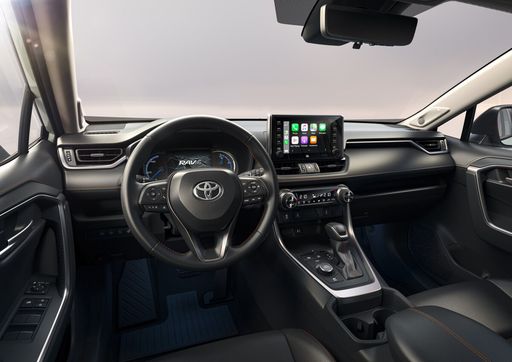
The Outlander’s cabin is the looker: generous soft-touch areas, neat detailing and, in higher trims, features like ventilated seats lend a near-premium vibe. It also sticks with many real buttons, which keeps everyday tasks blissfully simple, though its software and over-eager driver warnings can frustrate. The RAV4’s interior is more robust than ritzy, with a straightforward layout and improved infotainment that’s competent rather than class-leading. Toyota’s driver assists are calmer in the background, and visibility is excellent thanks to upright glass and sensible ergonomics. If you want a richer ambience and tactile controls, the Mitsubishi Outlander feels special; if you prefer durability, clarity and less digital nagging, the Toyota RAV4 is the easy choice.

RAV4

Space, flexibility and family practicality

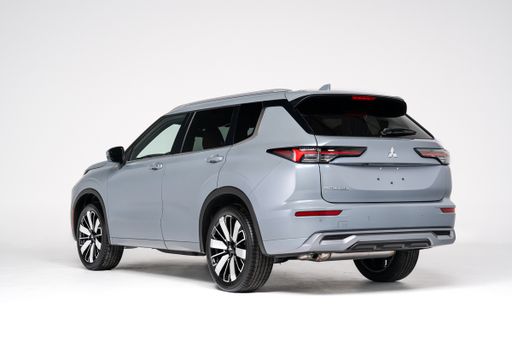
Both are generous for passengers, but they deliver it differently. The Toyota RAV4 offers excellent rear legroom and wide door openings, making child seats and tall teenagers equally easy to accommodate. The Mitsubishi Outlander gives rear passengers a slightly higher seating position and adds a useful 40:20:40 split with reclining backs, which is brilliant for skis, buggies or a dog. In plug-in form, the RAV4’s boot is noticeably smaller than its non-plug-in sibling and less clever in its layout, whereas the Outlander carves out a touch more day-to-day cargo space and even packs a handy 230‑V outlet for camping gear. If outright passenger room and simple loading matter, Toyota RAV4 still feels big-hearted; if you need flexible seat splits and weekend utility, Mitsubishi Outlander pulls ahead.

Outlander

City use, charging realities and who each suits

In town, the RAV4’s lighter feel and excellent visibility make it easy to place, and its longer electric running trims fuel stops and noise. The Outlander is larger and heavier to thread through tight streets, but precise steering and surround cameras take the sting out of parking, and its near-silent glide is soothing. Charging, though, is where they part ways for European buyers: the Toyota is well aligned with common home wallboxes, while the Mitsubishi’s slow AC rates and legacy DC connector make quick top-ups trickier away from home. If your routine includes regular motorway stints, occasional road trips and you want low-running-cost predictability, the Toyota RAV4 plug-in hybrid is the safer bet. If you can charge at home, crave quiet comfort, strong all-weather traction and a richer cabin, the Mitsubishi Outlander will feel worth it as you head into the technical comparison.

Here’s where it gets real: The technical differences in detail

RAV4

Costs and Efficiency:

When it comes to price and running costs, the biggest differences usually appear. This is often where you see which car fits your budget better in the long run.

Toyota RAV4 is slightly cheaper – starting at 37,700 £ , while the Mitsubishi Outlander costs 42,800 £ . That’s a price difference of around 5,143 £.

Fuel consumption also shows a difference: the Toyota RAV4 uses 1.3 L/100km and is clearly more efficient than the Mitsubishi Outlander with 2.6 L/100km. The difference is about 1.3 L/100km.

As for electric range, the Toyota RAV4 offers clearly more range – reaching up to 137 km, about 52 km more than the Mitsubishi Outlander.

Outlander

Engine and Performance:

Power, torque and acceleration say a lot about how a car feels on the road. This is where you see which model delivers more driving dynamics.

When it comes to engine power, the Toyota RAV4 offers barely more power – delivering 309 HP compared to 306 HP. That’s roughly 3 HP more horsepower.

When accelerating from 0 to 100 km/h, the Toyota RAV4 is clearly quicker – completing the sprint in 5.8 s, while the Mitsubishi Outlander takes 7.9 s. That’s about 2.1 s quicker.

RAV4

Space and Everyday Use:

Cabin size, boot volume and payload all play a role in everyday practicality. Here, comfort and flexibility make the difference.

Both vehicles offer seating for 5 people.

In terms of curb weight, Toyota RAV4 is clearly lighter – 1,655 kg compared to 2,156 kg. The difference is around 501 kg.

Looking at boot space, the Toyota RAV4 offers barely more boot space – 514 L compared to 498 L. That’s a difference of about 16 L.

When it comes to payload, the Toyota RAV4 carries a bit more – 610 kg compared to 529 kg. That’s a difference of about 81 kg.

Who wins the race in the data check?

The Toyota RAV4 is clearly superior overall in the objective data comparison.
This result only shows which model scores more points on paper – not which of the two cars feels right for you.

from £37,700
RAV4

Toyota RAV4

  • Engine Type Full Hybrid, Plug-in Hybrid
  • Transmission Automatic
  • Drive Type Front-Wheel Drive, All-Wheel Drive
  • Power HP 185 - 309 HP
  • Consumption L/100km 1.3 - 5.3 L/100km
  • Electric Range 133 - 137 km
Toyota RAV4
Mitsubishi Outlander

Costs and Consumption

View detailed analysis

Engine and Performance

View detailed analysis

Dimensions and Body

View detailed analysis

Toyota RAV4

The Toyota RAV4 is a well-rounded compact SUV that pairs everyday practicality with a comfortable, composed ride and generous cargo space, making it a sensible choice for families and active lifestyles. Its strong reputation for reliability, efficient drivetrains, and straightforward technology gives it wide appeal whether you value economy, comfort, or capability.

details

Mitsubishi Outlander

The Mitsubishi Outlander is a sensible family SUV that blends roomy practicality with a calm, assured ride—ideal for school runs and weekend getaways. It won’t set pulses racing, but its tidy interior, straightforward equipment and low-stress ownership make it a smart, unfussy pick for buyers who prefer reliability over flash.

details
Toyota RAV4
Mitsubishi Outlander

Costs and Consumption

Price
37,700 - 54,200 £
Price
42,800 - 54,600 £
Consumption L/100km
1.3 - 5.3 L/100km
Consumption L/100km
2.6 - 2.7 L/100km
Consumption kWh/100km
-
Consumption kWh/100km
-
Electric Range
133 - 137 km
Electric Range
83 - 85 km
Battery Capacity
-
Battery Capacity
-
co2
30 - 121 g/km
co2
60 g/km
Fuel tank capacity
-
Fuel tank capacity
-

Dimensions and Body

Body Type
SUV
Body Type
SUV
Seats
5
Seats
5
Doors
-
Doors
-
Curb weight
1,655 - 1,960 kg
Curb weight
2,156 - 2,232 kg
Trunk capacity
446 - 514 L
Trunk capacity
498 L
Length
-
Length
-
Width
1,880 mm
Width
1,862 mm
Height
-
Height
-
Max trunk capacity
-
Max trunk capacity
-
Payload
515 - 610 kg
Payload
453 - 529 kg

Engine and Performance

Engine Type
Full Hybrid, Plug-in Hybrid
Engine Type
Plug-in Hybrid
Transmission
Automatic
Transmission
-
Transmission Detail
CVT
Transmission Detail
-
Drive Type
Front-Wheel Drive, All-Wheel Drive
Drive Type
All-Wheel Drive
Power HP
185 - 309 HP
Power HP
306 HP
Acceleration 0-100km/h
5.8 - 8 s
Acceleration 0-100km/h
7.9 s
Max Speed
-
Max Speed
-
Torque
-
Torque
-
Number of Cylinders
4
Number of Cylinders
4
Power kW
136 - 227 kW
Power kW
225 kW
Engine capacity
2,487 cm3
Engine capacity
2,360 cm3

General

Model Year
2026
Model Year
2,025 - 2,026
CO2 Efficiency Class
C, D, B
CO2 Efficiency Class
B
Brand
Toyota
Brand
Mitsubishi
DriveDuel uses data analysis and artificial intelligence to evaluate vehicle data and create content. Content is regularly reviewed and improved. The displayed prices are estimates based on German list prices, adjusted to the respective country’s VAT. Country-specific registration taxes are not included. This information is not legally binding.