VS

Volvo EC40 vs Mercedes EQB comparison

Compare performance (442 HP vs 292 HP), boot space and price (46,500 £ vs 45,900 £ ) at a glance. Find out which car is the better choice for you – Volvo EC40 or Mercedes EQB?

Volvo EC40 vs Mercedes EQB: Key differences

Volvo EC40

4.7 (1 Reviews)
rate
  • clearly more power
  • only slightly more electric range
  • noticeably quicker 0–100 km/h
  • very slightly lighter
details

Mercedes EQB

4.3 (3 Reviews)
rate
  • barely cheaper
  • only slightly more efficient
  • moderately more trunk space
details

All details on performance, efficiency, range and trunk space can be found in the technical comparison below – including user reviews for both models.

By Achim Sedelmaier

EC40

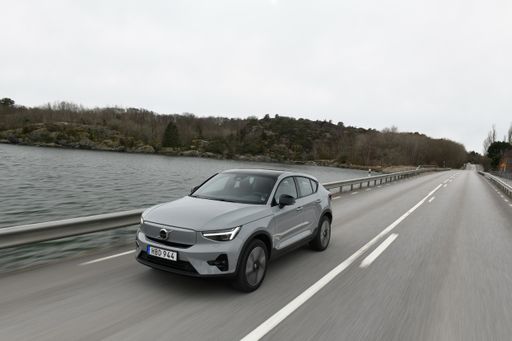
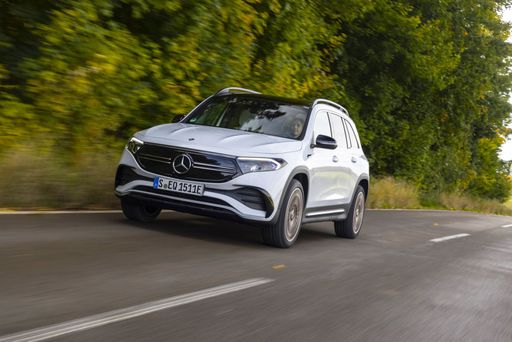
The automotive landscape is rapidly evolving, especially in the electric vehicle (EV) segment. Two noteworthy contenders making waves are the Mercedes EQB and the Volvo EC40. Both vehicles offer distinctive features, advanced technologies, and compelling performance for eco-conscious drivers. This comparison will delve into the technical aspects and innovations that set these two electric SUVs apart.
EQB

Design and Dimensions

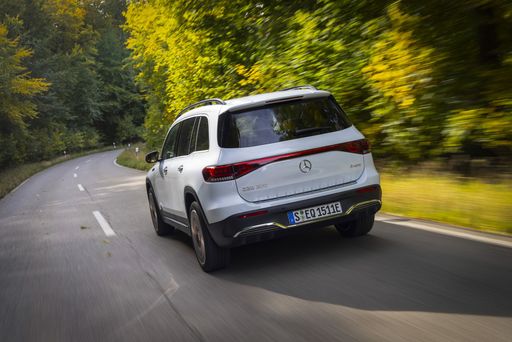
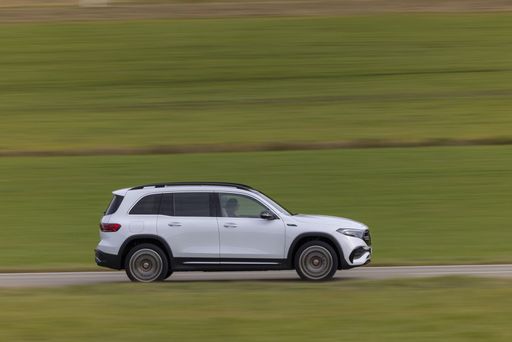
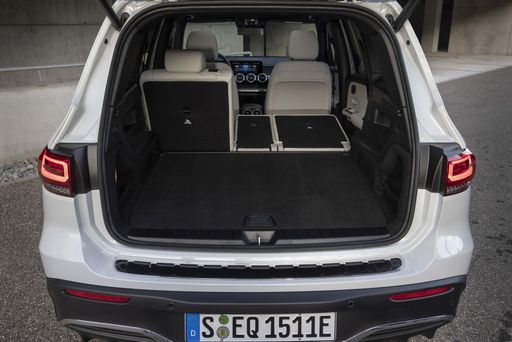
Starting with design, the Mercedes EQB showcases a classic yet futuristic silhouette emblematic of the brand's luxury ethos. With dimensions measuring 4684 mm in length, 1834 mm in width, and a height ranging from 1654 mm to 1689 mm, it offers a robust and spacious interior. The EQB comfortably seats five and boasts a generous trunk capacity of 495 liters.

On the other hand, the Volvo EC40 presents a sleek, sporty appearance with a compact design, measuring 4440 mm in length, 1873 mm in width, and 1591 mm in height. This SUV also accommodates five passengers but has a slightly smaller trunk capacity of 404 liters. The EC40’s design reflects Volvo's commitment to minimalism without sacrificing functionality.

Performance and Powertrain

When it comes to performance, the Mercedes EQB offers several configurations. The power outputs range from 190 HP to 292 HP, with acceleration from 0 to 100 km/h as swift as 6.2 seconds. The EQB comes in both front-wheel and all-wheel-drive variants, catering to different driving preferences. In contrast, the Volvo EC40 steps up with power ratings from 238 HP to an impressive 408 HP, achieving 0 to 100 km/h in a mere 4.6 seconds in its most potent form. Notably, it features both rear-wheel and all-wheel-drive options as well.

Torque figures reveal a compelling narrative as well, with the EQB delivering up to 520 Nm, while the EC40 surpasses that with a maximum torque of 670 Nm in its top configuration, emphasizing the latter’s performance edge in dynamic driving conditions.

Range and Efficiency

Electric range is crucial for any EV, and both models excel in this field. The EQB offers an impressive electric range of up to 533 km with a 70.5 kWh battery. In various configurations, the efficiency remains competitive, consuming between 15.2 and 17.3 kWh per 100 km.

The EC40, while just slightly less in maximum range at 584 km, utilizes its 79 kWh battery efficiently, with consumption figures ranging from 16.2 to 17.3 kWh per 100 km. This slight edge in range, combined with innovative battery technology, reinforces Volvo's reputation in the electric segment.

Technology and Features

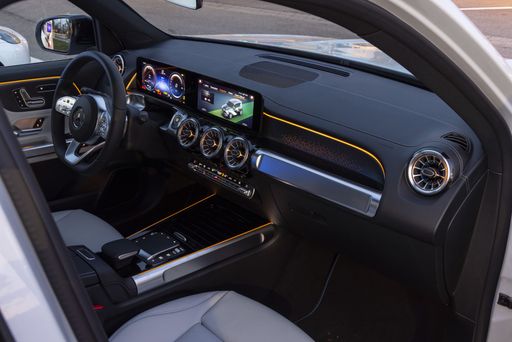
The technological innovations in both vehicles are noteworthy. The Mercedes EQB is equipped with the latest MBUX infotainment system, featuring voice activation, a wide array of connectivity options, and advanced driver assistance systems. The aesthetic interface provides seamless interaction and enhances the overall driving experience.

Conversely, Volvo's EC40 incorporates the Android Automotive OS, delivering a unique user experience with built-in Google services, including Google Assistant, Google Maps, and the Google Play Store. This integration allows for seamless updates and the ability to download apps directly to the vehicle, a first in the automotive industry.

Sustainability and Safety

Both brands place an emphasis on sustainability and safety. The Mercedes EQB is built with recyclable materials and has garnered an A rating in CO2 efficiency, echoing the brand's commitment to environmentally friendly production methods.

Meanwhile, the Volvo EC40 stands firm on its safety credentials, being equipped with state-of-the-art safety features and having a strong focus on protecting both occupants and pedestrians. Volvo is renowned for its safety innovations, making the EC40 a fitting addition to its legacy.

Conclusion

In summary, the choice between the Mercedes EQB and the Volvo EC40 ultimately boils down to personal preference. The EQB offers a larger interior, a luxurious aesthetic, and varied powertrain options, while the EC40 impresses with its sporty design, cutting-edge technology, and robust performance. Both vehicles represent significant progress in the electric SUV market, promising a thrilling ride for those ready to embrace the future of automotive innovation.

Here’s where it gets real: The technical differences in detail

EC40

Costs and Efficiency:

Looking at overall running costs, both models reveal some interesting differences in everyday economy.

Mercedes EQB is barely cheaper – starting at 45,900 £ , while the Volvo EC40 costs 46,500 £ . That’s a price difference of around 665 £.

In terms of energy consumption, the Mercedes EQB is only slightly more efficient: consuming 15.2 kWh/100km compared to 16.2 kWh/100km for the Volvo EC40. That’s a difference of about 1 kWh/100km.

As for electric range, the Volvo EC40 offers only slightly more range – reaching up to 585 km, about 50 km more than the Mercedes EQB.

EQB

Engine and Performance:

Power, torque and acceleration are the classic benchmarks for car enthusiasts – and here, some clear differences start to show.

When it comes to engine power, the Volvo EC40 offers clearly more power – delivering 442 HP compared to 292 HP. That’s roughly 150 HP more horsepower.

When accelerating from 0 to 100 km/h, the Volvo EC40 is noticeably quicker – completing the sprint in 4.6 s, while the Mercedes EQB takes 6.2 s. That’s about 1.6 s quicker.

There’s also a difference in torque: the Volvo EC40 delivers markedly more torque with 670 Nm compared to 520 Nm. That’s about 150 Nm more.

Space and Everyday Use:

Whether family car or daily driver – which one offers more room, flexibility and comfort?

Both vehicles offer seating for 5 people.

In terms of curb weight, Volvo EC40 is very slightly lighter – 2,065 kg compared to 2,105 kg. The difference is around 40 kg.

Looking at boot space, the Mercedes EQB offers moderately more boot space – 495 L compared to 404 L. That’s a difference of about 91 L.

Maximum payload is identical – both can carry up to 435 kg.

Who wins the race in the data check?

The Volvo EC40 is far ahead overall in the objective data comparison.
This result only shows which model scores more points on paper – not which of the two cars feels right for you.

from £46,500
EC40

Volvo EC40

  • Engine Type : Electric
  • Transmission : Automatic
  • Drive Type : Rear-Wheel Drive, All-Wheel Drive
  • Power HP : 238 - 442 HP
  • Consumption kWh/100km : 16.2 - 17.3 kWh/100km
  • Electric Range : 486 - 585 km
Volvo EC40
Mercedes EQB

Costs and Consumption

View detailed analysis

Engine and Performance

View detailed analysis

Dimensions and Body

View detailed analysis

Volvo EC40

The Volvo EC40 feels like a polished slice of Scandinavian calm on wheels, blending minimalist design with a cocoon-like interior that makes everyday driving surprisingly serene. It’s an electric compact that puts safety and comfort front and center, while still injecting enough personality and tech-savvy charm to keep city buyers smiling.

details

Mercedes EQB

The Mercedes EQB is an electric compact SUV that dresses Mercedes' premium feel in practical clothing, with flexible seating and a serene, composed ride that turns everyday errands into a small luxury. It won't thrill the enthusiast, but for buyers who want a smart, spacious and well-made EV with tasteful tech and real-world usability, the EQB is a sensible, slightly buttoned-up choice that impresses without shouting.

details
Volvo EC40
Mercedes EQB

Costs and Consumption

Price
46,500 - 59,000 £
Price
45,900 - 58,900 £
Consumption L/100km
-
Consumption L/100km
-
Consumption kWh/100km
16.2 - 17.3 kWh/100km
Consumption kWh/100km
15.2 - 17.2 kWh/100km
Electric Range
486 - 585 km
Electric Range
468 - 535 km
Battery Capacity
-
Battery Capacity
70.5 kWh
co2
0 g/km
co2
0 g/km
Fuel tank capacity
-
Fuel tank capacity
-

Dimensions and Body

Body Type
SUV
Body Type
SUV
Seats
5
Seats
5
Doors
-
Doors
5
Curb weight
2,065 - 2,185 kg
Curb weight
2,105 - 2,170 kg
Trunk capacity
404 L
Trunk capacity
495 L
Length
-
Length
4,684 mm
Width
1,873 mm
Width
1,834 mm
Height
-
Height
1,654 - 1,689 mm
Max trunk capacity
-
Max trunk capacity
1,710 L
Payload
395 - 435 kg
Payload
435 kg

Engine and Performance

Engine Type
Electric
Engine Type
Electric
Transmission
Automatic
Transmission
Automatic
Transmission Detail
Reduction Gearbox
Transmission Detail
Reduction Gearbox
Drive Type
Rear-Wheel Drive, All-Wheel Drive
Drive Type
Front-Wheel Drive, All-Wheel Drive
Power HP
238 - 442 HP
Power HP
190 - 292 HP
Acceleration 0-100km/h
4.6 - 7.3 s
Acceleration 0-100km/h
6.2 - 8.9 s
Max Speed
-
Max Speed
160 km/h
Torque
420 - 670 Nm
Torque
385 - 520 Nm
Number of Cylinders
-
Number of Cylinders
-
Power kW
175 - 325 kW
Power kW
140 - 215 kW
Engine capacity
-
Engine capacity
-

General

Model Year
2,024 - 2,026
Model Year
2,024 - 2,025
CO2 Efficiency Class
A
CO2 Efficiency Class
A
Brand
Volvo
Brand
Mercedes-Benz
DriveDuel uses data analysis and artificial intelligence to evaluate vehicle data and create content. Content is regularly reviewed and improved. The displayed prices are estimates based on German list prices, adjusted to the respective country’s VAT. Country-specific registration taxes are not included. This information is not legally binding.