
 Deutschland
 France
 Nederland
 Great Britain
 Sverige
 Danmark
 Suomi
Suomi Italia
 Polska
 Česko
Česko España
VS
Mercedes EQB vs Kia EV5 comparison
Compare performance (292 HP vs 306 HP), boot space and price (45,900 £ vs 39,400 £ ) at a glance. Find out which car is the better choice for you – Mercedes EQB or Kia EV5?
Mercedes EQB vs Kia EV5: Key differences
All details on performance, efficiency, range and trunk space can be found in the technical comparison below – including user reviews for both models.
EQB
Costs and Efficiency:
When it comes to price and running costs, the biggest differences usually appear. This is often where you see which car fits your budget better in the long run.
Kia EV5 is slightly cheaper – starting at 39,400 £ , while the Mercedes EQB costs 45,900 £ . That’s a price difference of around 6,449 £.
In terms of energy consumption, the Mercedes EQB is somewhat more efficient: consuming 15.2 kWh/100km compared to 16.9 kWh/100km for the Kia EV5. That’s a difference of about 1.7 kWh/100km.
As for electric range, the Mercedes EQB offers marginally more range – reaching up to 535 km, about 5 km more than the Kia EV5.
EV5
Engine and Performance:
Power, torque and acceleration are the classic benchmarks for car enthusiasts – and here, some clear differences start to show.
When it comes to engine power, the Kia EV5 offers marginally more power – delivering 306 HP compared to 292 HP. That’s roughly 14 HP more horsepower.
Both models accelerate almost equally fast – 6.2 s from 0 to 100 km/h.
There’s also a difference in torque: the Mercedes EQB delivers very slightly more torque with 520 Nm compared to 480 Nm. That’s about 40 Nm more.
EQB
Space and Everyday Use:
Whether family car or daily driver – which one offers more room, flexibility and comfort?
Both vehicles offer seating for 5 people.
In terms of curb weight, Kia EV5 is only slightly lighter – 2,069 kg compared to 2,105 kg. The difference is around 36 kg.
When it comes to payload, the Kia EV5 carries moderately more – 511 kg compared to 435 kg. That’s a difference of about 76 kg.
Who wins the race in the data check?
The Kia EV5 comes out modestly ahead in the objective data comparison.
This result only shows which model scores more points on paper – not which of the two cars feels right for you.
from £39,400
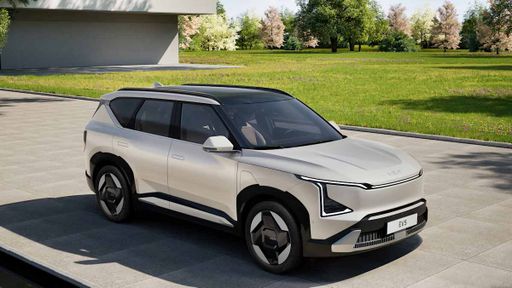
Kia EV5
Mercedes EQB
Kia EV5
Costs and Consumption
View detailed analysis
View detailed analysis
Engine and Performance
View detailed analysis
View detailed analysis
Dimensions and Body
View detailed analysis
View detailed analysis
Mercedes EQB
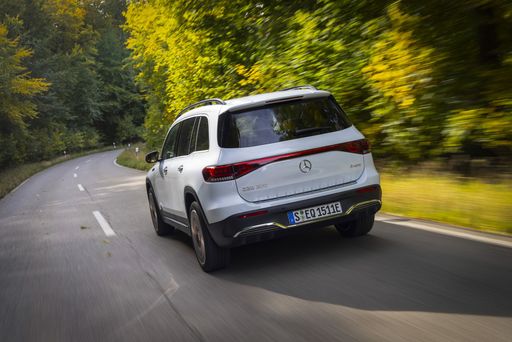
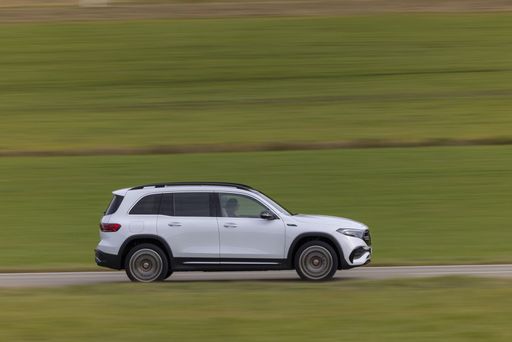
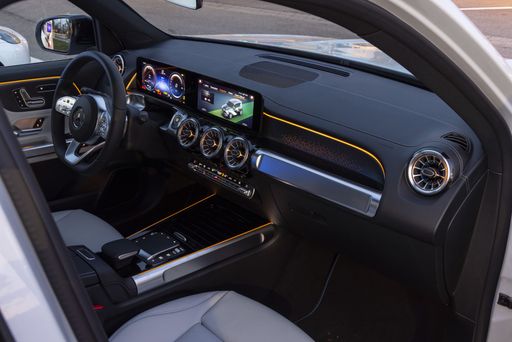
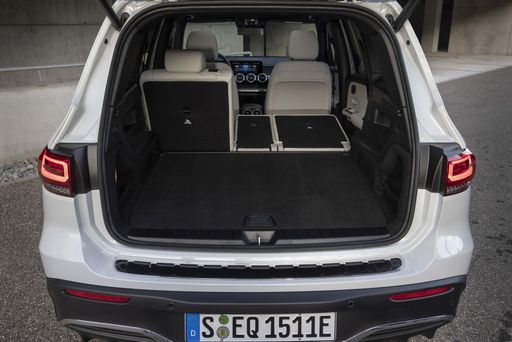
The Mercedes EQB is an electric compact SUV that dresses Mercedes' premium feel in practical clothing, with flexible seating and a serene, composed ride that turns everyday errands into a small luxury. It won't thrill the enthusiast, but for buyers who want a smart, spacious and well-made EV with tasteful tech and real-world usability, the EQB is a sensible, slightly buttoned-up choice that impresses without shouting.
details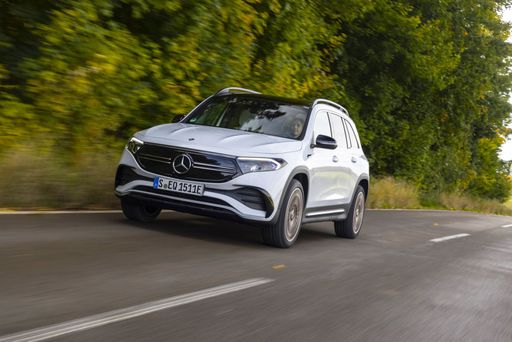
Kia EV5
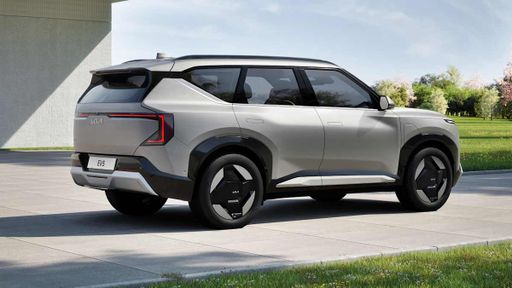
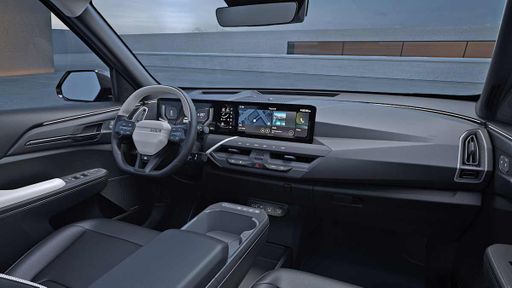
Kia's EV5 is an exciting entry into the electric SUV market, showcasing the brand's commitment to sustainable mobility. With its modern design and advanced technology features, the EV5 promises to deliver a smooth and environmentally friendly driving experience. The interior offers a spacious and comfortable ride, making it an appealing choice for families and eco-conscious drivers alike.
details
Mercedes EQB
Kia EV5
Costs and Consumption |
|
|---|---|
|
Price
45,900 - 58,900 £
|
Price
39,400 - 51,400 £
|
|
Consumption L/100km
-
|
Consumption L/100km
-
|
|
Consumption kWh/100km
15.2 - 17.2 kWh/100km
|
Consumption kWh/100km
16.9 - 18.6 kWh/100km
|
|
Electric Range
468 - 535 km
|
Electric Range
476 - 530 km
|
|
Battery Capacity
70.5 kWh
|
Battery Capacity
-
|
|
co2
0 g/km
|
co2
0 g/km
|
|
Fuel tank capacity
-
|
Fuel tank capacity
-
|
Dimensions and Body |
|
|---|---|
|
Body Type
SUV
|
Body Type
SUV
|
|
Seats
5
|
Seats
5
|
|
Doors
5
|
Doors
-
|
|
Curb weight
2,105 - 2,170 kg
|
Curb weight
2,069 - 2,205 kg
|
|
Trunk capacity
495 L
|
Trunk capacity
-
|
|
Length
4,684 mm
|
Length
-
|
|
Width
1,834 mm
|
Width
1,875 mm
|
|
Height
1,654 - 1,689 mm
|
Height
-
|
|
Max trunk capacity
1,710 L
|
Max trunk capacity
-
|
|
Payload
435 kg
|
Payload
465 - 511 kg
|
Engine and Performance |
|
|---|---|
|
Engine Type
Electric
|
Engine Type
Electric
|
|
Transmission
Automatic
|
Transmission
Automatic
|
|
Transmission Detail
Reduction Gearbox
|
Transmission Detail
Reduction Gearbox
|
|
Drive Type
Front-Wheel Drive, All-Wheel Drive
|
Drive Type
Front-Wheel Drive, All-Wheel Drive
|
|
Power HP
190 - 292 HP
|
Power HP
218 - 306 HP
|
|
Acceleration 0-100km/h
6.2 - 8.9 s
|
Acceleration 0-100km/h
6.2 - 8.4 s
|
|
Max Speed
160 km/h
|
Max Speed
-
|
|
Torque
385 - 520 Nm
|
Torque
295 - 480 Nm
|
|
Number of Cylinders
-
|
Number of Cylinders
-
|
|
Power kW
140 - 215 kW
|
Power kW
160 - 225 kW
|
|
Engine capacity
-
|
Engine capacity
-
|
General |
|
|---|---|
|
Model Year
2,024 - 2,025
|
Model Year
2,025 - 2,026
|
|
CO2 Efficiency Class
A
|
CO2 Efficiency Class
A
|
|
Brand
Mercedes-Benz
|
Brand
Kia
|
DriveDuel uses data analysis and artificial intelligence to evaluate vehicle data and create content. Content is regularly reviewed and improved.
The displayed prices are estimates based on German list prices, adjusted to the respective country’s VAT. Country-specific registration taxes are not included. This information is not legally binding.