
 Deutschland
 France
 Nederland
 Great Britain
 Sverige
 Danmark
 Suomi
Suomi Italia
 Polska
 Česko
Česko España
VS
Volvo EX90 vs Polestar 3 comparison
Compare performance (680 HP vs 680 HP), boot space and price (72,200 £ vs 67,600 £ ) at a glance. Find out which car is the better choice for you – Volvo EX90 or Polestar 3?
EX90
Costs and Efficiency:
Price and efficiency are often the first things buyers look at. Here it becomes clear which model has the long-term edge – whether at the pump, the plug, or in purchase price.
Polestar 3 is very slightly cheaper – starting at 67,600 £ , while the Volvo EX90 costs 72,200 £ . That’s a price difference of around 4,534 £.
In terms of energy consumption, the Polestar 3 is barely more efficient: consuming 17.7 kWh/100km compared to 17.8 kWh/100km for the Volvo EX90. That’s a difference of about 0.1 kWh/100km.
As for electric range, the Polestar 3 offers barely more range – reaching up to 647 km, about 27 km more than the Volvo EX90.
3
Engine and Performance:
Under the bonnet, it becomes clear which model is tuned for sportiness and which one takes the lead when you hit the accelerator.
Both models deliver identical power – 680 HP each.
When accelerating from 0 to 100 km/h, the Polestar 3 is barely quicker – completing the sprint in 3.9 s, while the Volvo EX90 takes 4.2 s. That’s about 0.3 s quicker.
Both models offer the same torque – 870 Nm.
EX90
Space and Everyday Use:
Cabin size, boot volume and payload all play a role in everyday practicality. Here, comfort and flexibility make the difference.
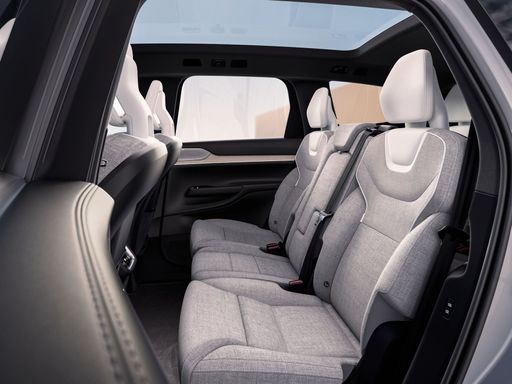
Seats: Volvo EX90 offers more seats – 7 vs 5.
In terms of curb weight, Polestar 3 is a bit lighter – 2,315 kg compared to 2,555 kg. The difference is around 240 kg.
When it comes to payload, the Polestar 3 carries marginally more – 645 kg compared to 605 kg. That’s a difference of about 40 kg.
Who wins the race in the data check?
The Polestar 3 sits just ahead overall in the objective data comparison.
This result only shows which model scores more points on paper – not which of the two cars feels right for you.
from £67,600
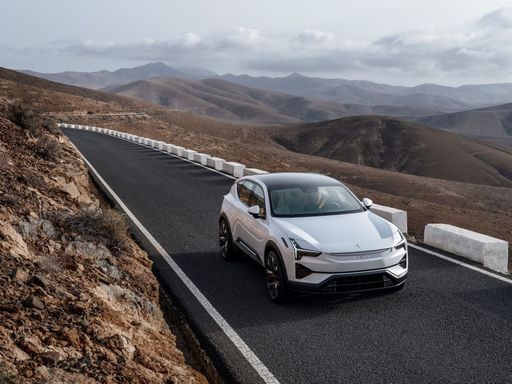
Polestar 3
Volvo EX90
Polestar 3
Costs and Consumption
View detailed analysis
View detailed analysis
Engine and Performance
View detailed analysis
View detailed analysis
Dimensions and Body
View detailed analysis
View detailed analysis
Volvo EX90
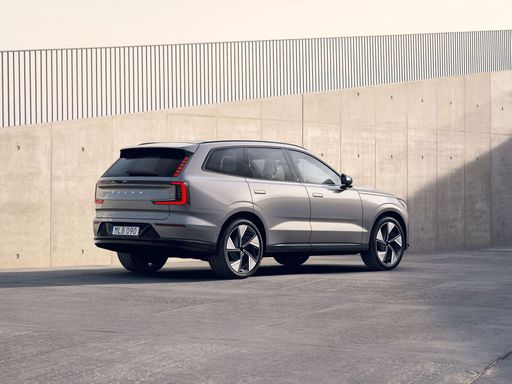
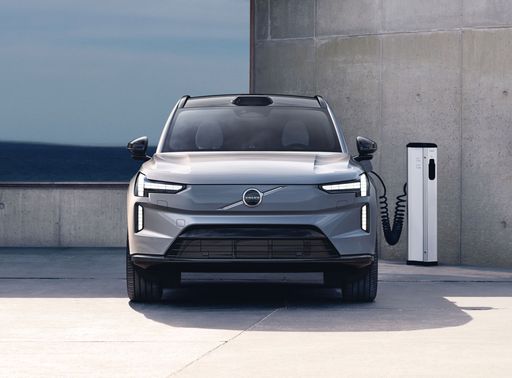
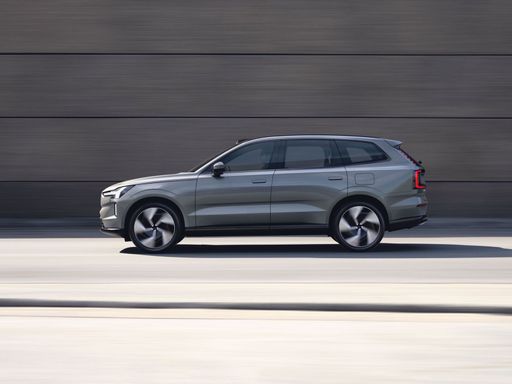
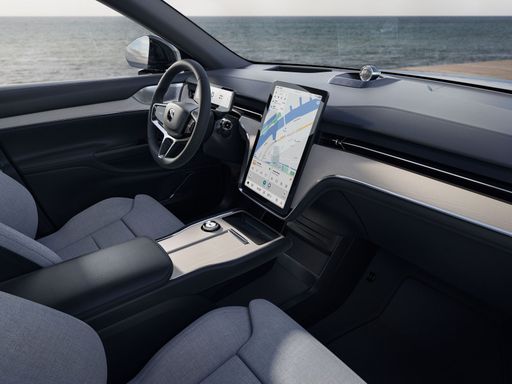
The Volvo EX90 feels like a Scandinavian fortress on wheels, combining serene luxury with smart safety features that make everyday driving remarkably calm and confident. It dresses cutting-edge electric technology in understated elegance, so buyers who want peace of mind without shouting about it will find it hard to resist.
details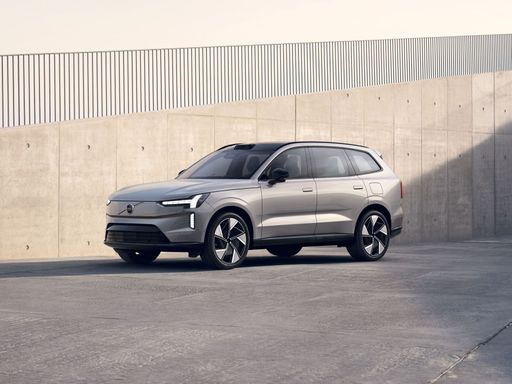
Polestar 3
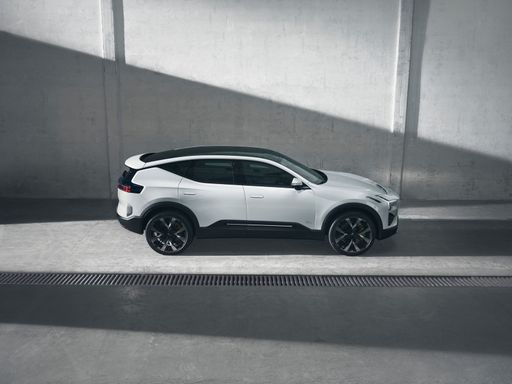
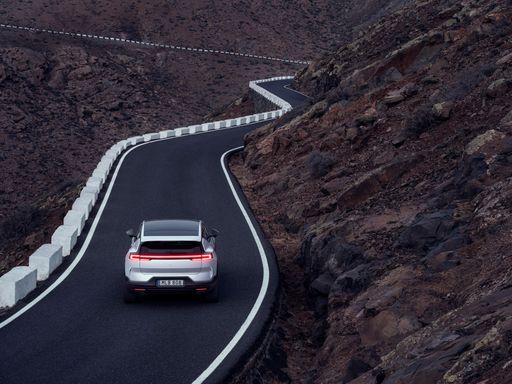
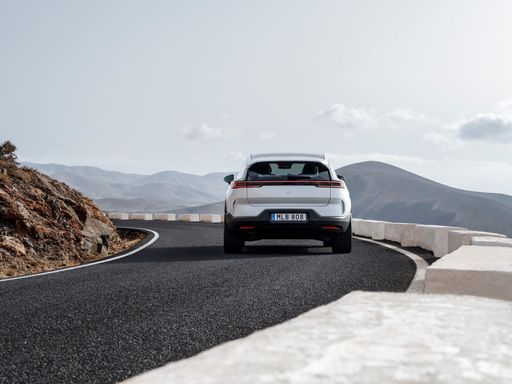
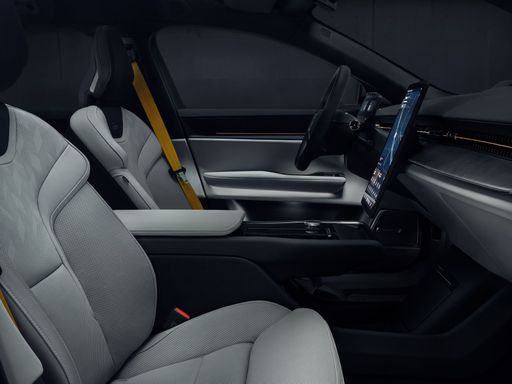
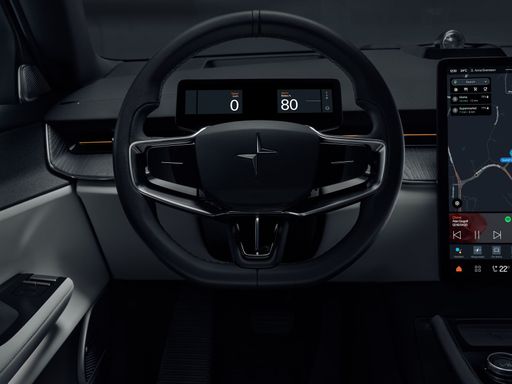
Polestar 3 arrives as a Scandinavian-styled electric SUV that marries minimalist design with a statuesque presence, looking smarter than most in the car park. Inside, the cabin feels airy and thoughtful, with tech and driving manners that lean toward composed comfort rather than outright drama — perfect for buyers who want electric prestige without shouting about it.
details
Volvo EX90
Polestar 3
Costs and Consumption |
|
|---|---|
|
Price
72,200 - 91,700 £
|
Price
67,600 - 91,600 £
|
|
Consumption L/100km
-
|
Consumption L/100km
-
|
|
Consumption kWh/100km
17.8 - 19.3 kWh/100km
|
Consumption kWh/100km
17.7 - 20.5 kWh/100km
|
|
Electric Range
570 - 620 km
|
Electric Range
601 - 647 km
|
|
Battery Capacity
-
|
Battery Capacity
-
|
|
co2
0 g/km
|
co2
0 g/km
|
|
Fuel tank capacity
-
|
Fuel tank capacity
-
|
Dimensions and Body |
|
|---|---|
|
Body Type
SUV
|
Body Type
SUV
|
|
Seats
6 - 7
|
Seats
5
|
|
Doors
-
|
Doors
-
|
|
Curb weight
2,555 - 2,765 kg
|
Curb weight
2,315 - 2,525 kg
|
|
Trunk capacity
-
|
Trunk capacity
484 L
|
|
Length
-
|
Length
-
|
|
Width
1,964 mm
|
Width
1,935 mm
|
|
Height
-
|
Height
-
|
|
Max trunk capacity
-
|
Max trunk capacity
-
|
|
Payload
545 - 605 kg
|
Payload
605 - 645 kg
|
Engine and Performance |
|
|---|---|
|
Engine Type
Electric
|
Engine Type
Electric
|
|
Transmission
Automatic
|
Transmission
Automatic
|
|
Transmission Detail
Reduction Gearbox
|
Transmission Detail
Reduction Gearbox
|
|
Drive Type
Rear-Wheel Drive, All-Wheel Drive
|
Drive Type
Rear-Wheel Drive, All-Wheel Drive
|
|
Power HP
333 - 680 HP
|
Power HP
333 - 680 HP
|
|
Acceleration 0-100km/h
4.2 - 6.8 s
|
Acceleration 0-100km/h
3.9 - 6.5 s
|
|
Max Speed
-
|
Max Speed
-
|
|
Torque
480 - 870 Nm
|
Torque
480 - 870 Nm
|
|
Number of Cylinders
-
|
Number of Cylinders
-
|
|
Power kW
245 - 500 kW
|
Power kW
245 - 500 kW
|
|
Engine capacity
-
|
Engine capacity
-
|
General |
|
|---|---|
|
Model Year
2,025 - 2,026
|
Model Year
2026
|
|
CO2 Efficiency Class
A
|
CO2 Efficiency Class
A
|
|
Brand
Volvo
|
Brand
Polestar
|
DriveDuel uses data analysis and artificial intelligence to evaluate vehicle data and create content. Content is regularly reviewed and improved.
The displayed prices are estimates based on German list prices, adjusted to the respective country’s VAT. Country-specific registration taxes are not included. This information is not legally binding.