VS

Volvo S60 vs VW Arteon - Differences and prices compared

Compare performance (455 HP vs 320 HP), boot space and price (42500 £ vs 43300 £ ) at a glance. Find out which car is the better choice for you – Volvo S60 or VW Arteon?

S60

Volvo S60 vs. VW Arteon: A Comprehensive Comparison

The automotive landscape is filled with choices, and in the executive sedan class, the Volvo S60 and VW Arteon are two compelling options that not only stand out in terms of design but also boast impressive innovations and performance technologies. This article dives deep into a comparative analysis of these sleek sedans, focusing on technical specifications, innovations, and what each car brings to the table for the discerning driver.
Arteon

Design and Dimensions

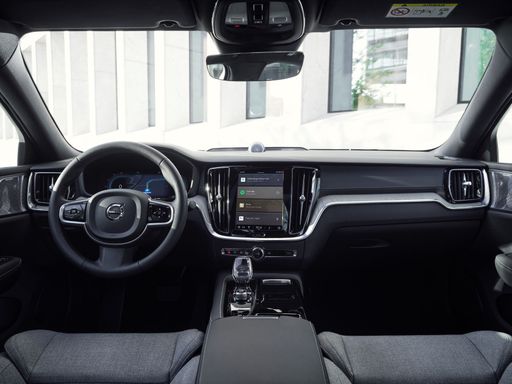
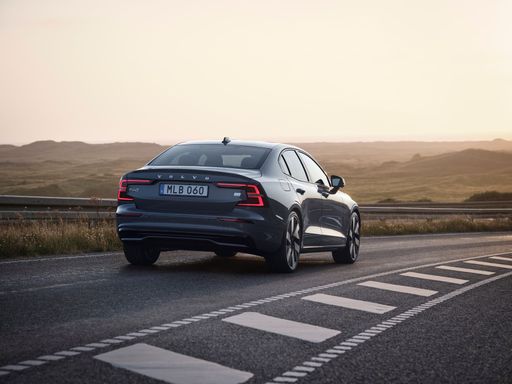
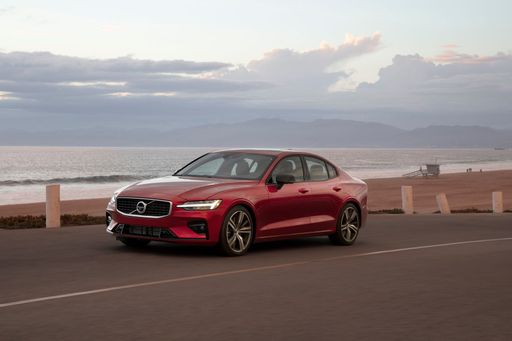
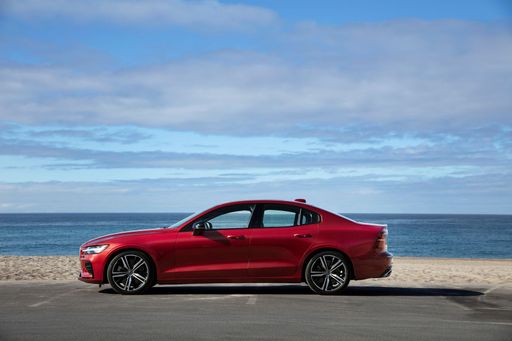
When it comes to design, both the Volvo S60 and VW Arteon present a distinct aesthetic that appeals to different tastes. The Volvo S60, measuring 4778 mm in length, 1850 mm in width, and 1431 mm in height, showcases a classic yet modern sedan silhouette with clean lines and a spacious cabin. It is available with a trunk capacity of 427 liters, providing ample luggage space for weekend getaways.

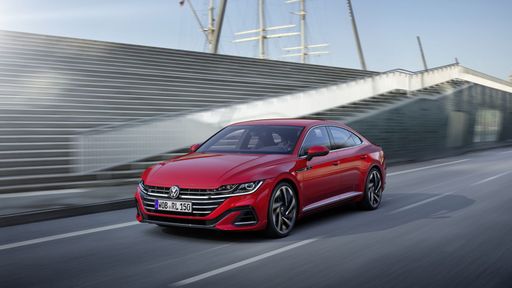
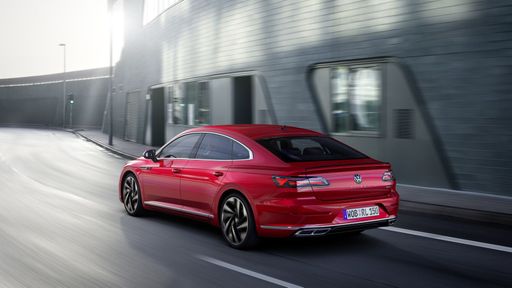
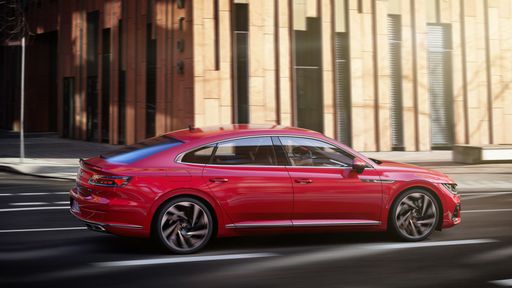
In contrast, the VW Arteon takes a different approach with its wagon-like design, measuring 4866 mm long, 1871 mm wide, and 1451 mm high. Its elegant shape not only captures attention but also offers a larger trunk capacity of 590 liters, making it an excellent choice for those requiring more utility.

S60

Engine Options and Performance

The powertrain options play a significant role in the driving experience, and here, both models offer diverse engine configurations. The Volvo S60 features a petrol mild-hybrid, plug-in hybrid, and varying horsepower ratings from 197 HP to an impressive 455 HP. Coupled with automatic transmission and a choice between front-wheel and all-wheel drive, the S60 promises smooth acceleration and performance, with a 0-100 km/h time ranging from 4.6 seconds to 7.9 seconds depending on the variant.

On the other hand, the VW Arteon, available with both diesel and petrol engines, presents power output options from 150 HP to a robust 320 HP. Its dual-clutch automatic transmission enhances driving dynamics, enabling faster gear changes and a more engaged driving experience. The acceleration capabilities vary from 4.9 to 9.4 seconds, depending on the engine choice and configuration.

Arteon

Efficiency and Consumption

Fuel efficiency is crucial for many buyers, and this is where the Volvo S60 shines thanks to its hybrid options. The mild-hybrid variants consume between 6.1 to 7.1 liters per 100 km, with a remarkable electric range of up to 94 km for the plug-in models. This further reduces carbon emissions, placing the S60 in a favorable CO2 efficiency class ranging from E to B.

Volkswagen’s Arteon, while slightly less fuel-efficient, still delivers respectable consumption figures. With fuel consumption that varies from 5.1 to 8.6 liters per 100 km, it is also tailored for those who prioritize efficiency. Its CO2 emissions range from 133 to 195 g/km, resulting in an efficiency class from D to G.

S60

Technology and Innovations

In terms of technology, the Volvo S60 is equipped with the latest safety and infotainment features. With its intuitive Sensus system, drivers are treated to seamless connectivity, voice control, and tailor-made driving experiences. It also comes with advanced driver assistance systems, including adaptive cruise control and lane-keeping assist, ensuring a safer journey.

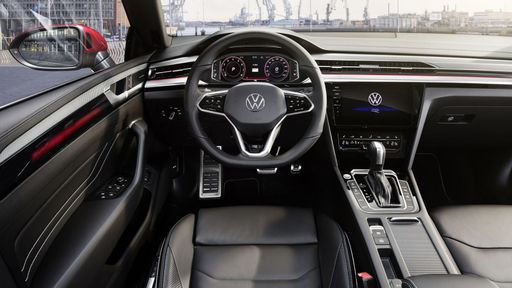
Volkswagen does not lag in this department either, as the Arteon offers the comprehensive VW Digital Cockpit, a customizable digital instrument cluster that enhances the driving experience. The connectivity options include a host of infotainment widgets, smartphone integration, and various driving modes that allow the driver to adapt the performance characteristics to their liking.

Arteon

Conclusion: Choosing Your Ideal Executive Sedan

The decision between the Volvo S60 and VW Arteon ultimately comes down to individual preferences and needs. The S60 excels in hybrid efficiency and advanced safety technologies, making it a great choice for eco-conscious drivers. On the other hand, the VW Arteon's elegant design and spaciousness cater to those prioritizing utility and style.

In a highly competitive segment, both vehicles raise the bar in their respective manners, each offering innovations that align with the evolving demands of modern drivers. Whether you lean towards the Swedish craftsmanship of the Volvo S60 or the sporty elegance of the VW Arteon, you're sure to find satisfaction behind the wheel.

Volvo S60

VW Arteon

5 (1 Reviews)
rate

Here’s where it gets real: The technical differences in detail

S60

Costs and Efficiency:

When it comes to price and running costs, the biggest differences usually appear. This is often where you see which car fits your budget better in the long run.

Volvo S60 has a slight advantage in terms of price – it starts at 42500 £ , while the VW Arteon costs 43300 £ . That’s a price difference of around 767 £.

Fuel consumption also shows a difference: Volvo S60 manages with 0.70 L and is therefore convincingly more efficient than the VW Arteon with 5.10 L. The difference is about 4.40 L per 100 km.

Arteon

Engine and Performance:

Power, torque and acceleration say a lot about how a car feels on the road. This is where you see which model delivers more driving dynamics.

When it comes to engine power, the Volvo S60 has a clearly perceptible edge – offering 455 HP compared to 320 HP. That’s roughly 135 HP more horsepower.

In acceleration from 0 to 100 km/h, the Volvo S60 is barely noticeable quicker – completing the sprint in 4.60 s, while the VW Arteon takes 4.90 s. That’s about 0.30 s faster.

In terms of top speed, the VW Arteon performs noticeable better – reaching 250 km/h, while the Volvo S60 tops out at 180 km/h. The difference is around 70 km/h.

There’s also a difference in torque: Volvo S60 pulls significantly stronger with 709 Nm compared to 420 Nm. That’s about 289 Nm difference.

Space and Everyday Use:

Beyond pure performance, interior space and usability matter most in daily life. This is where you see which car is more practical and versatile.

Both vehicles offer seating for 5 people.

In curb weight, VW Arteon is minimal lighter – 1607 kg compared to 1715 kg. The difference is around 108 kg.

In terms of boot space, the VW Arteon offers noticeable more room – 590 L compared to 427 L. That’s a difference of about 163 L.

When it comes to payload, VW Arteon to a small extent takes the win – 569 kg compared to 475 kg. That’s a difference of about 94 kg.

Who wins the race in the data check?

The Volvo S60 sits well ahead of its rival in the objective data comparison.
This result only shows which model scores more points on paper – not which of the two cars feels right for you.

Volvo S60
VW Arteon

Costs and Consumption

View detailed analysis

Engine and Performance

View detailed analysis

Dimensions and Body

View detailed analysis
from about £42,500
S60

Volvo S60

  • Engine Type : Petrol MHEV, Plugin Hybrid
  • Transmission : Automatic
  • Drive Type : Front-Wheel Drive, All-Wheel Drive
  • Power HP : 197 - 455 HP
  • Consumption L/100km : 0.7 - 7.1 L
  • Electric Range : 94 km

Volvo S60

The Volvo S60 wears Scandinavian understatement like a tailored suit, pairing a serene cabin with composed handling that makes the daily commute feel unexpectedly civilized. For buyers after executive looks, rock‑solid safety and practical versatility — with a dash of discreet luxury — it's a persuasive pick that doesn't need to shout for attention.

details

VW Arteon

5 (1 Reviews)
rate

The VW Arteon cuts a fastback silhouette that manages to look more expensive than it is, with a cabin that feels calm, roomy and smartly finished. It blends relaxed long distance comfort with a touch of sporting poise, making it a clever choice for buyers who want grand touring polish without shouting for attention.

details
Volvo S60
VW Arteon

Costs and Consumption

Price
42500 - 65100 £
Price
43300 - 60800 £
Consumption L/100km
0.7 - 7.1 L
Consumption L/100km
5.1 - 8.6 L
Consumption kWh/100km
-
Consumption kWh/100km
-
Electric Range
94 km
Electric Range
-
Battery Capacity
14.70 kWh
Battery Capacity
-
co2
16 - 161 g/km
co2
133 - 195 g/km
Fuel tank capacity
60 L
Fuel tank capacity
66 L

Dimensions and Body

Body Type
Sedan
Body Type
Estate
Seats
5
Seats
5
Doors
4
Doors
5
Curb weight
1715 - 2039 kg
Curb weight
1607 - 1773 kg
Trunk capacity
390 - 427 L
Trunk capacity
590 L
Length
4778 mm
Length
4866 mm
Width
1850 mm
Width
1871 mm
Height
1431 mm
Height
1434 - 1451 mm
Max trunk capacity
-
Max trunk capacity
1632 L
Payload
461 - 475 kg
Payload
467 - 569 kg

Engine and Performance

Engine Type
Petrol MHEV, Plugin Hybrid
Engine Type
Diesel, Petrol
Transmission
Automatic
Transmission
Automatic
Transmission Detail
Automatic Gearbox
Transmission Detail
Dual-Clutch Automatic
Drive Type
Front-Wheel Drive, All-Wheel Drive
Drive Type
Front-Wheel Drive, All-Wheel Drive
Power HP
197 - 455 HP
Power HP
150 - 320 HP
Acceleration 0-100km/h
4.6 - 7.9 s
Acceleration 0-100km/h
4.9 - 9.4 s
Max Speed
180 km/h
Max Speed
216 - 250 km/h
Torque
300 - 709 Nm
Torque
320 - 420 Nm
Number of Cylinders
4
Number of Cylinders
4
Power kW
145 - 335 kW
Power kW
110 - 235 kW
Engine capacity
1969 cm3
Engine capacity
1968 - 1984 cm3

General

Model Year
2022 - 2024
Model Year
2024
CO2 Efficiency Class
E, F, B
CO2 Efficiency Class
D, E, F, G
Brand
Volvo
Brand
VW
Is the Volvo S60 offered with different drivetrains?

Available configurations include Front-Wheel Drive or All-Wheel Drive.

The prices shown are estimates based on German list prices, adjusted for local VAT. Local registration taxes (e.g. NoVA, BPM or CO2 malus) are not included. This information is not legally binding.