VS

Volvo V60 vs Kia Ceed comparison

Compare performance (455 HP vs 140 HP), boot space and price (41,600 £ vs 23,500 £ ) at a glance. Find out which car is the better choice for you – Volvo V60 or Kia Ceed?

Volvo V60 vs Kia Ceed: Key differences

Volvo V60

5 (1 Reviews)
rate
  • considerably more power
  • significantly more efficient
  • considerably quicker 0–100 km/h

Kia Ceed

  • significantly cheaper
  • markedly lighter

All details on performance, efficiency, range and trunk space can be found in the technical comparison below – including user reviews for both models.

V60

Unpacking the Contenders: Kia Ceed vs. Volvo V60

The world of hatchbacks and wagons offers a plethora of choices, each vying for the attention of potential drivers with unique specifications and benefits. Let's take a closer look at two popular models: the Kia Ceed and the Volvo V60. Both vehicles bring distinct features to the table, appealing to different facets of driving pleasure and practicality.
Ceed

Design and Dimensions

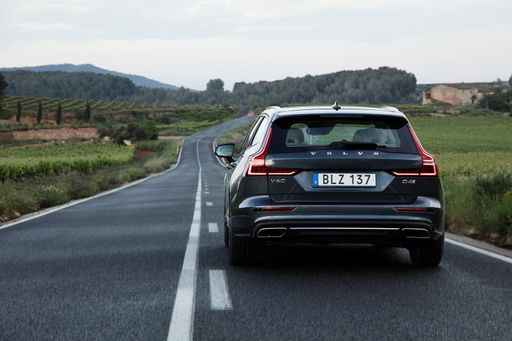
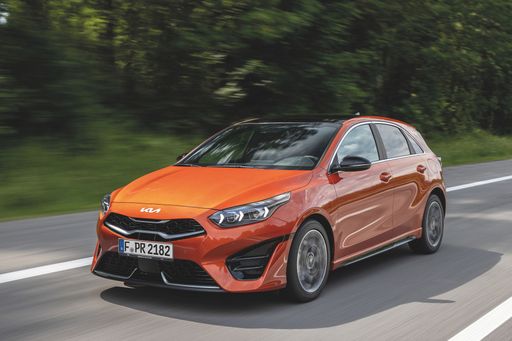
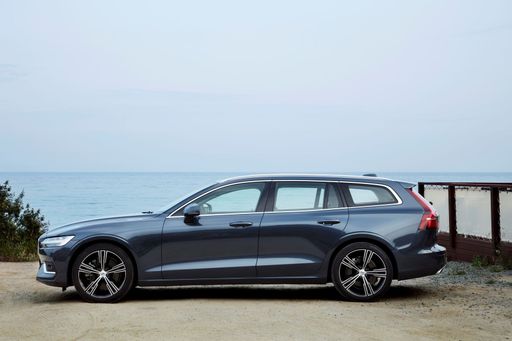
The Kia Ceed, a compact hatchback, stands out with its sleek lines and practical dimensions. Measuring 4315-4325 mm in length, 1800 mm in width, and up to 1447 mm in height, it reflects an ideal urban car, balancing comfort and maneuverability. On the other hand, the Volvo V60, a midsize wagon, boasts a stronger presence on the road with dimensions of 4778-4787 mm in length, 1850 mm in width, and up to 1499 mm in height. Its wagon body style suggests versatility for both city and highway cruising.

V60

Engine Options and Performance

The Kia Ceed provides a nod to variety with its range of engine types including Petrol MHEV and traditional Petrol engines, delivering a power spectrum of 100-140 HP. With 0-100 km/h acceleration times spanning 9.5 to 13.2 seconds, it caters to both efficiency seekers and those looking for moderate performance. The Ceed’s dual-clutch automatic or manual gearbox option enhances driver engagement.

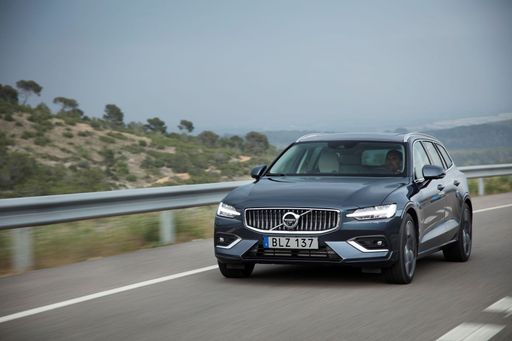
The Volvo V60, meanwhile, encapsulates power and efficiency with its array of Petrol MHEV, Plugin Hybrid, and Diesel MHEV engines. Delivering up to an impressive 455 HP and with some models achieving 0-100 km/h in just 4.6 seconds, it caters to performance enthusiasts. With a dual-clutch automatic transmission and the availability of an all-wheel drive system, the V60 matches power with assurance.

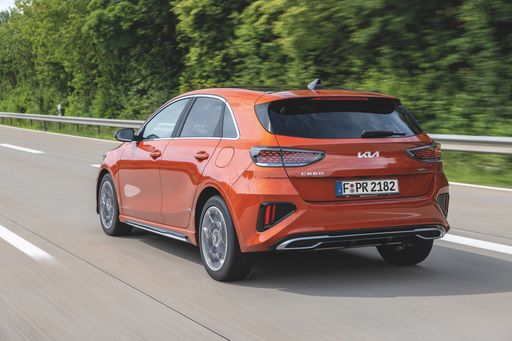
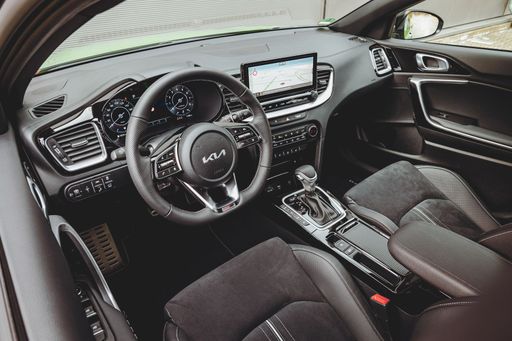
Ceed

Fuel Efficiency and Environment

In terms of fuel consumption, the Kia Ceed offers an economic drive with figures ranging from 6.0 to 6.4 L/100km. It represents a viable option for cost-conscious drivers. The vehicle’s CO2 emissions hover around 137-146 g/km, placing it in the E efficiency class—a competitive figure for its segment.

The Volvo V60, especially in its plugin hybrid variant, presents an environmentally friendly option with an electric range of up to 92 km and a combined fuel consumption as low as 0.7 L/100km. This outstanding efficiency, combined with CO2 emissions from just 17 g/km, showcases the V60's green credentials.

V60

Space and Practicality

Inside the Kia Ceed, drivers benefit from a trunk capacity ranging between 357-395 liters, offering ample space for everyday travel needs. Accommodating up to five passengers, it maintains balance between passenger comfort and load capacity.

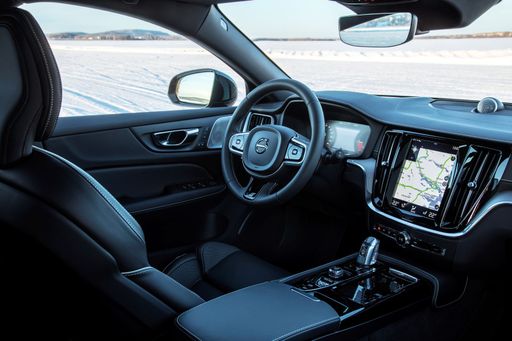
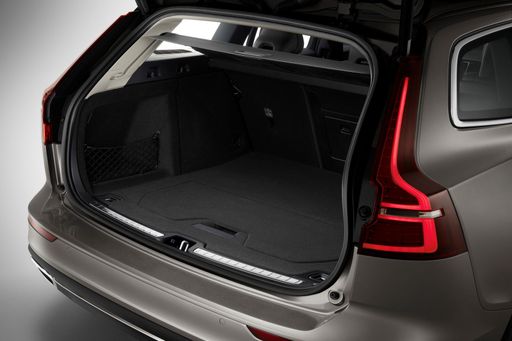
The Volvo V60, with its roomier trunk capacity of 519 liters, clearly positions itself as a practical wagon. Beyond just space, this vehicle also ensures comfort for all five occupants with an uncompromised passenger experience.

Ceed

Conclusion: A Choice of Priorities

Deciding between the Kia Ceed and the Volvo V60 ultimately hinges on personal preferences and priorities. The Ceed appeals with its urban-friendly size and efficiency, ideal for city drivers looking for reliability and economy. Meanwhile, the V60 strikes a chord with those seeking performance, sustainability, and the additional space of a wagon. Each vehicle stands robustly in its respective category, offering distinctive qualities for discerning drivers.

Here’s where it gets real: The technical differences in detail

V60

Costs and Efficiency:

Price and efficiency are key factors when choosing a car – and this is often where the real differences emerge.

Kia Ceed is significantly cheaper – starting at 23,500 £ , while the Volvo V60 costs 41,600 £ . That’s a price difference of around 18,171 £.

Fuel consumption also shows a difference: the Volvo V60 uses 2.4 L/100km and is significantly more efficient than the Kia Ceed with 6 L/100km. The difference is about 3.6 L/100km.

Ceed

Engine and Performance:

Power, torque and acceleration are the classic benchmarks for car enthusiasts – and here, some clear differences start to show.

When it comes to engine power, the Volvo V60 offers considerably more power – delivering 455 HP compared to 140 HP. That’s roughly 315 HP more horsepower.

When accelerating from 0 to 100 km/h, the Volvo V60 is considerably quicker – completing the sprint in 4.6 s, while the Kia Ceed takes 9.5 s. That’s about 4.9 s quicker.

There’s also a difference in torque: the Volvo V60 delivers significantly more torque with 709 Nm compared to 253 Nm. That’s about 456 Nm more.

V60

Space and Everyday Use:

Beyond pure performance, interior space and usability matter most in daily life. This is where you see which car is more practical and versatile.

Both vehicles offer seating for 5 people.

In terms of curb weight, Kia Ceed is markedly lighter – 1,298 kg compared to 1,734 kg. The difference is around 436 kg.

When it comes to payload, the Volvo V60 carries marginally more – 506 kg compared to 490 kg. That’s a difference of about 16 kg.

Who wins the race in the data check?

The Volvo V60 holds a decisive overall lead in the objective data comparison.
This result only shows which model scores more points on paper – not which of the two cars feels right for you.

from £41,600
V60

Volvo V60

  • Engine Type : Petrol MHEV, Plugin Hybrid
  • Transmission : Automatic
  • Drive Type : Front-Wheel Drive, All-Wheel Drive
  • Power HP : 197 - 455 HP
  • Consumption L/100km : 2.4 - 6.2 L/100km
  • Electric Range : 93 km
Volvo V60
Kia Ceed

Costs and Consumption

View detailed analysis

Engine and Performance

View detailed analysis

Dimensions and Body

View detailed analysis

Volvo V60

The Volvo V60 blends elegant Scandinavian design with a practical estate layout, making it a composed and sensible choice for buyers who want style without sacrifice. Inside, a serene cabin, clever safety features and a supple ride turn daily commutes and weekend getaways into effortless, grown-up motoring.

details

Kia Ceed

The Kia Ceed is a sensible, stylish hatchback that gives buyers more than they'd expect for the money, blending practical space with crisp, modern looks. It drives with measured confidence and comes loaded with user-friendly kit, so you can enjoy daily life behind the wheel without breaking into a sweat.

details
Volvo V60
Kia Ceed

Costs and Consumption

Price
41,600 - 65,000 £
Price
23,500 - 26,300 £
Consumption L/100km
2.4 - 6.2 L/100km
Consumption L/100km
6 - 6.4 L/100km
Consumption kWh/100km
-
Consumption kWh/100km
-
Electric Range
93 km
Electric Range
-
Battery Capacity
-
Battery Capacity
-
co2
54 - 140 g/km
co2
137 - 146 g/km
Fuel tank capacity
60 L
Fuel tank capacity
-

Dimensions and Body

Body Type
Estate
Body Type
Hatchback
Seats
5
Seats
5
Doors
5
Doors
-
Curb weight
1,734 - 2,064 kg
Curb weight
1,298 - 1,372 kg
Trunk capacity
519 L
Trunk capacity
-
Length
4,778 mm
Length
-
Width
1,850 mm
Width
1,800 mm
Height
1,432 mm
Height
-
Max trunk capacity
1,431 L
Max trunk capacity
-
Payload
466 - 506 kg
Payload
478 - 490 kg

Engine and Performance

Engine Type
Petrol MHEV, Plugin Hybrid
Engine Type
Petrol, Petrol MHEV
Transmission
Automatic
Transmission
Manuel, Automatic
Transmission Detail
Dual-Clutch Automatic, Automatic Gearbox
Transmission Detail
Manual Gearbox, Dual-Clutch Automatic
Drive Type
Front-Wheel Drive, All-Wheel Drive
Drive Type
Front-Wheel Drive
Power HP
197 - 455 HP
Power HP
100 - 140 HP
Acceleration 0-100km/h
4.6 - 7.6 s
Acceleration 0-100km/h
9.5 - 13.2 s
Max Speed
180 km/h
Max Speed
-
Torque
300 - 709 Nm
Torque
172 - 253 Nm
Number of Cylinders
4
Number of Cylinders
3 - 4
Power kW
145 - 335 kW
Power kW
74 - 103 kW
Engine capacity
1,969 cm3
Engine capacity
998 - 1,482 cm3

General

Model Year
2,024 - 2,025
Model Year
2,024
CO2 Efficiency Class
E, B
CO2 Efficiency Class
E
Brand
Volvo
Brand
Kia
DriveDuel uses data analysis and artificial intelligence to evaluate vehicle data and create content. Content is regularly reviewed and improved. The displayed prices are estimates based on German list prices, adjusted to the respective country’s VAT. Country-specific registration taxes are not included. This information is not legally binding.