VS

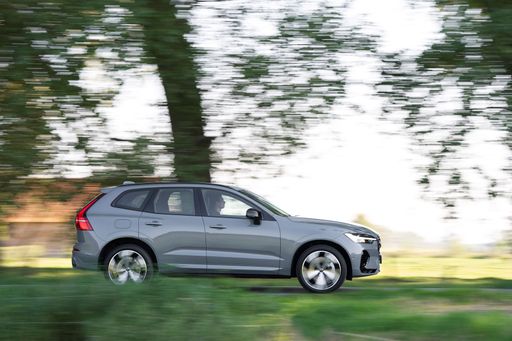
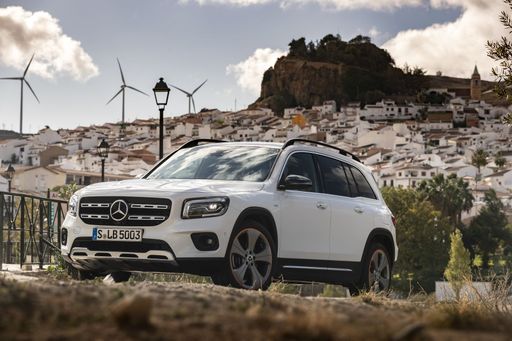
Volvo XC60 vs Mercedes GLB comparison

Compare performance (455 HP vs 354 HP), boot space and price (49,200 £ vs 50,600 £ ) at a glance. Find out which car is the better choice for you – Volvo XC60 or Mercedes GLB?

Volvo XC60 vs Mercedes GLB: Key differences

Volvo XC60

4.8 (6 Reviews)
rate
  • barely cheaper
  • markedly more power
  • somewhat quicker 0–100 km/h
  • slightly lighter

Mercedes GLB

3.2 (3 Reviews)
rate
  • clearly more electric range
  • moderately more trunk space

All details on performance, efficiency, range and trunk space can be found in the technical comparison below – including user reviews for both models.

XC60

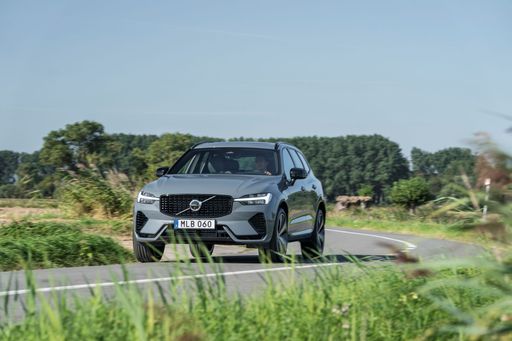
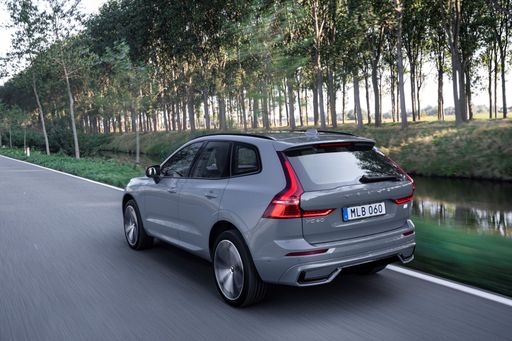
When it comes to premium SUVs, the Mercedes GLB and the Volvo XC60 stand out as two compelling choices in 2024, each offering a unique blend of technology, performance, and design. In this comparison, we’ll delve into the technical specifications, innovations, and driving experiences of both models to help you make an informed decision.
GLB

Design and Dimensions

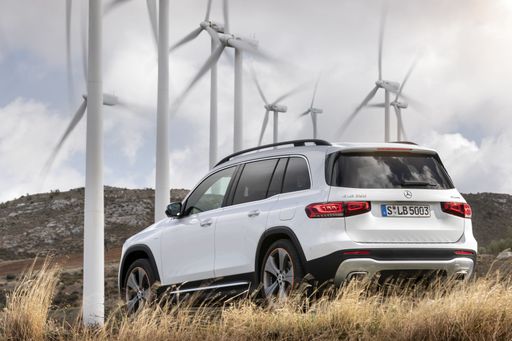
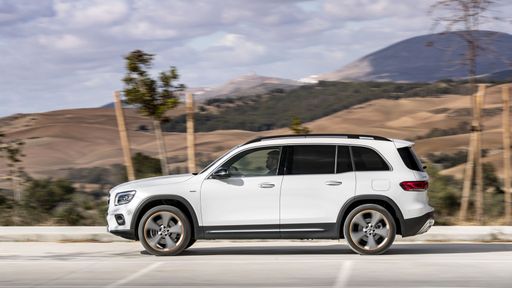
The Mercedes GLB flaunts a classic SUV silhouette with modern touches. Measuring 4634 mm long, 1834 mm wide, and standing at 1692 mm in height, it exudes a robust presence. The XC60, on the other hand, measures 4688 mm long and 1902 mm wide, making it slightly larger and offering a more athletic stance with a height of 1658 mm. Both vehicles feature five doors and seating for five, emphasizing practicality.

XC60

Performance and Powertrains

Under the hood, the Mercedes GLB provides a versatile range of engine options. It comes in petrol and diesel variants, with power outputs ranging from 116 HP to a grunty 320 HP. The acceleration from 0 to 100 km/h is impressive, with top variants clocking in at a swift 5.5 seconds. The availability of both Front-Wheel Drive and All-Wheel Drive configurations enhances its versatility.

In contrast, the Volvo XC60 takes performance up a notch with its hybrid engines. With petrol MHEV and plug-in hybrid options, power ranges from 250 HP to a staggering 455 HP in the performance-focused variants. The XC60's rapid acceleration of 4.9 seconds (in the most potent variant) positions it as a fierce competitor. Furthermore, the All-Wheel Drive system is standard across all versions, ensuring superior traction and handling.

GLB

Fuel Efficiency and Emissions

When considering fuel economy, the Mercedes GLB offers competitive consumption figures, averaging between 5.6 to 9 L/100km, depending on the engine variant. Its CO2 emissions range from 146 to 204 g/km, placing it in efficiency classes F to E.

The Volvo XC60 shines in this department, especially with its plug-in hybrid configurations, showing an astonishing consumption figure of just 0.9 L/100km and an electric range of up to 80 km with a battery capacity of 14.7 kWh. Its CO2 emissions are remarkably low for a vehicle of its size, ranging from 22 g/km in the hybrid versions to 174 g/km for the traditional petrol variant, earning a solid efficiency rating of B.

XC60

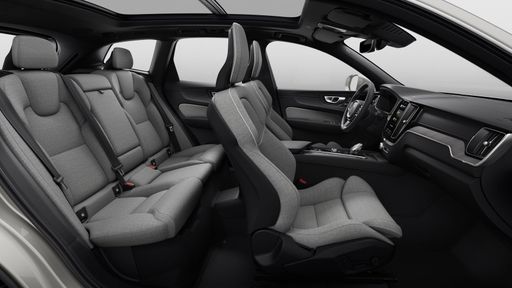
Interior Technology and Comfort

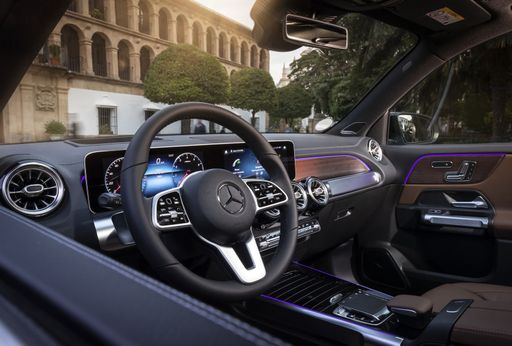
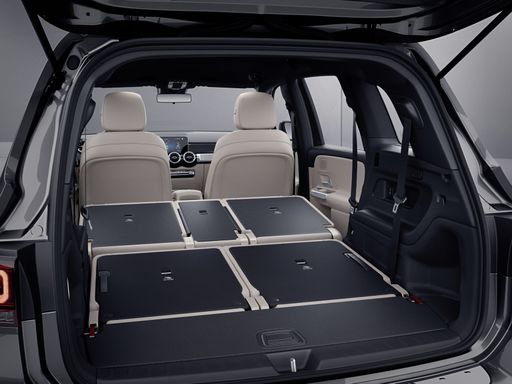
Inside the GLB, the cabin is equipped with the latest technology, including the MBUX infotainment system, which is highly interactive and user-friendly. The spacious interior is marked by quality materials and a modern aesthetic, providing an upscale feel. With a trunk capacity of up to 570 liters, it stands out for practicality.

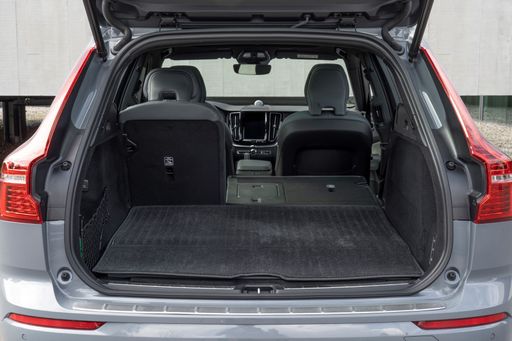
The Volvo XC60 doesn’t fall short in technology either. It features the brand’s Sensus infotainment system, seamlessly integrating with smartphones and offering intuitive controls. Although its trunk capacity is slightly less at 483 liters, the XC60 compensates with premium finishes and an ergonomic layout that enhances passenger comfort, making long drives a pleasure.

GLB

Safety Innovations

Both SUVs are equipped with advanced safety features, reinforcing the brands’ commitments to safety. The Mercedes GLB offers features like active brake assist and lane-keeping assist, ensuring a safe driving experience. Meanwhile, the Volvo XC60 takes safety to the next level with its renowned Pilot Assist feature, which combines adaptive cruise control with lane guidance, making highway driving effortless.

XC60

Conclusion: Which SUV Reigns Supreme?

Deciding between the Mercedes GLB and the Volvo XC60 ultimately depends on your personal preferences. The GLB impresses with its versatile engine range and practicality, making it ideal for families. Meanwhile, the XC60 excels in performance, cutting-edge hybrid technology, and safety features, catering to those who prioritize eco-friendliness and advanced driver assistance.

Whether you opt for sophistication in the GLB or technological prowess in the XC60, both models promise exceptional experiences on the road.

Here’s where it gets real: The technical differences in detail

XC60

Costs and Efficiency:

Price and efficiency are often the first things buyers look at. Here it becomes clear which model has the long-term edge – whether at the pump, the plug, or in purchase price.

Volvo XC60 is barely cheaper – starting at 49,200 £ , while the Mercedes GLB costs 50,600 £ . That’s a price difference of around 1,421 £.

As for electric range, the Mercedes GLB offers clearly more range – reaching up to 631 km, about 549 km more than the Volvo XC60.

GLB

Engine and Performance:

Power, torque and acceleration are the classic benchmarks for car enthusiasts – and here, some clear differences start to show.

When it comes to engine power, the Volvo XC60 offers markedly more power – delivering 455 HP compared to 354 HP. That’s roughly 101 HP more horsepower.

When accelerating from 0 to 100 km/h, the Volvo XC60 is somewhat quicker – completing the sprint in 4.9 s, while the Mercedes GLB takes 5.5 s. That’s about 0.6 s quicker.

There’s also a difference in torque: the Volvo XC60 delivers markedly more torque with 709 Nm compared to 515 Nm. That’s about 194 Nm more.

XC60

Space and Everyday Use:

Beyond pure performance, interior space and usability matter most in daily life. This is where you see which car is more practical and versatile.

Both vehicles offer seating for 5 people.

In terms of curb weight, Volvo XC60 is slightly lighter – 1,900 kg compared to 2,200 kg. The difference is around 300 kg.

Looking at boot space, the Mercedes GLB offers moderately more boot space – 540 L compared to 483 L. That’s a difference of about 57 L.

When it comes to payload, the Volvo XC60 carries marginally more – 550 kg compared to 500 kg. That’s a difference of about 50 kg.

Who wins the race in the data check?

The Mercedes GLB is far ahead overall in the objective data comparison.
This result only shows which model scores more points on paper – not which of the two cars feels right for you.

from £50,600
GLB

Mercedes GLB

  • Engine Type : Electric
  • Transmission : Automatic
  • Drive Type : Rear-Wheel Drive, All-Wheel Drive
  • Power HP : 272 - 354 HP
  • Consumption kWh/100km : 15.8 - 15.9 kWh/100km
  • Electric Range : 614 - 631 km
Volvo XC60
Mercedes GLB

Costs and Consumption

View detailed analysis

Engine and Performance

View detailed analysis

Dimensions and Body

View detailed analysis

Volvo XC60

The Volvo XC60 blends Scandinavian calm with confident presence, offering a cabin that feels plush without shouting for attention. It’s a smart pick for buyers after a composed ride, clever practicality and thoughtful safety touches — it even makes running the family shuttle feel almost serene, which is a small miracle.

details

Mercedes GLB

The Mercedes GLB is a practical compact SUV that mixes boxy, family-friendly space with premium German polish, making it an appealing choice for buyers who want usefulness without pretension. It drives with a confident, composed feel and somehow manages to look both rugged and refined — the grown-up SUV that still likes to have fun.

details
Volvo XC60
Mercedes GLB

Costs and Consumption

Price
49,200 - 75,100 £
Price
50,600 - 62,400 £
Consumption L/100km
2.8 - 7.5 L/100km
Consumption L/100km
-
Consumption kWh/100km
-
Consumption kWh/100km
15.8 - 15.9 kWh/100km
Electric Range
74 - 82 km
Electric Range
614 - 631 km
Battery Capacity
-
Battery Capacity
-
co2
64 - 169 g/km
co2
0 g/km
Fuel tank capacity
71 L
Fuel tank capacity
-

Dimensions and Body

Body Type
SUV
Body Type
SUV
Seats
5
Seats
5
Doors
5
Doors
-
Curb weight
1,900 - 2,150 kg
Curb weight
2,200 - 2,280 kg
Trunk capacity
468 - 483 L
Trunk capacity
540 L
Length
4,708 mm
Length
-
Width
1,902 mm
Width
1,861 mm
Height
1,655 mm
Height
-
Max trunk capacity
1,543 L
Max trunk capacity
-
Payload
510 - 550 kg
Payload
500 kg

Engine and Performance

Engine Type
Petrol MHEV, Plugin Hybrid
Engine Type
Electric
Transmission
Automatic
Transmission
Automatic
Transmission Detail
Automatic Gearbox
Transmission Detail
Reduction Gearbox
Drive Type
All-Wheel Drive
Drive Type
Rear-Wheel Drive, All-Wheel Drive
Power HP
250 - 455 HP
Power HP
272 - 354 HP
Acceleration 0-100km/h
4.9 - 6.9 s
Acceleration 0-100km/h
5.5 - 7.4 s
Max Speed
180 km/h
Max Speed
-
Torque
350 - 709 Nm
Torque
335 - 515 Nm
Number of Cylinders
4
Number of Cylinders
-
Power kW
184 - 335 kW
Power kW
200 - 260 kW
Engine capacity
1,969 cm3
Engine capacity
-

General

Model Year
2,025
Model Year
2,026
CO2 Efficiency Class
F, B
CO2 Efficiency Class
A
Brand
Volvo
Brand
Mercedes-Benz
DriveDuel uses data analysis and artificial intelligence to evaluate vehicle data and create content. Content is regularly reviewed and improved. The displayed prices are estimates based on German list prices, adjusted to the respective country’s VAT. Country-specific registration taxes are not included. This information is not legally binding.