VS

VW ID.Polo vs Hyundai Inster comparison

Compare performance (226 HP vs 115 HP), boot space and price (21,400 £ vs 20,900 £ ) at a glance. Find out which car is the better choice for you – VW ID.Polo or Hyundai Inster?

VW ID.Polo vs Hyundai Inster: Key differences

VW ID.Polo

4.6 (1 Reviews)
rate
  • considerably more power
  • marginally more efficient
  • somewhat more electric range
  • clearly quicker 0–100 km/h
  • markedly more trunk space
details

Hyundai Inster

4.5 (3 Reviews)
rate
  • barely cheaper
  • slightly lighter
details

All details on performance, efficiency, range and trunk space can be found in the technical comparison below – including user reviews for both models.

By Achim Sedelmaier

ID.Polo

Hyundai Inster VS VW ID.Polo: a concise introduction

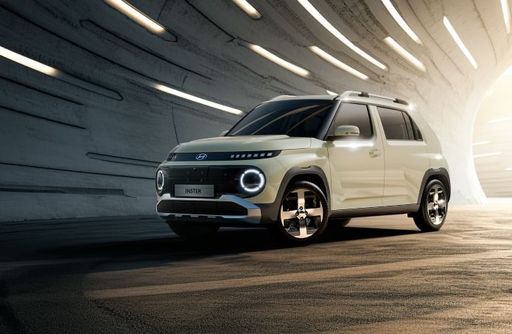
Hyundai Inster VS VW ID.Polo frames a clash between a clever, city‑focused small SUV and a compact VW that prioritises calm, usable space. The Hyundai Inster arrives with urban tricks—flexible seat layouts, efficient energy use and a loaded assist package—while the VW ID.Polo leans on a roomy boot, quieter cruising and a more traditionally finished cabin. In everyday terms the Inster feels like a nimble tool for tight streets and short hops, the ID.Polo like a composed small car that swallows luggage and miles without fuss. This comparison looks beyond specs to the real trade‑offs you’ll feel day‑to‑day: agility and gadgetry versus space and serenity.
Inster

Character and driving feel

The Hyundai Inster drives with a city‑first personality: light steering, brisk around town and eager to tuck into tight parking spots, but you immediately notice its limits once speeds climb. The VW ID.Polo instead communicates maturity—heavier, more planted steering and a sense of reserve that makes motorway cruising less stressful. Where the Inster feels lively and slightly nervous in bends, the ID.Polo trades that sparkle for composure and confidence at speed. Choosing between them is about preference: do you want a chirpy urban companion (Inster) or a steadier, more assured compact (ID.Polo)?

ID.Polo

Comfort and long‑distance behavior

On short trips the Hyundai Inster surprises with a comfortable, city‑tuned ride and seats that suit stop‑start life, but sustained high‑speed runs reveal wind noise and a feeling that the car is working harder. The VW ID.Polo is the opposite: it soaks up longer journeys with a quieter cabin and steadier suspension tune that reduces fatigue on motorways. If you spend a lot of time on A‑roads or commutes with extended motorway sections, the ID.Polo’s calmer demeanor makes a measurable difference. The Inster remains pleasant for daily use, yet it’s clearly optimised for urban duty rather than long uninterrupted runs.

Inster

Practicality, cabin feel and usability

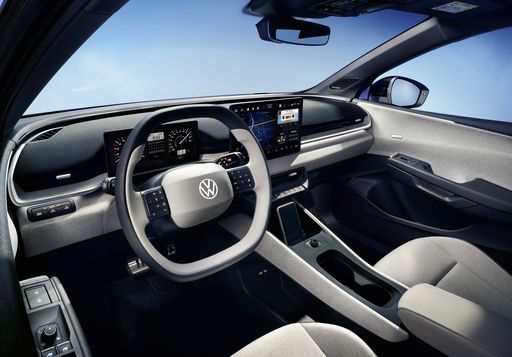
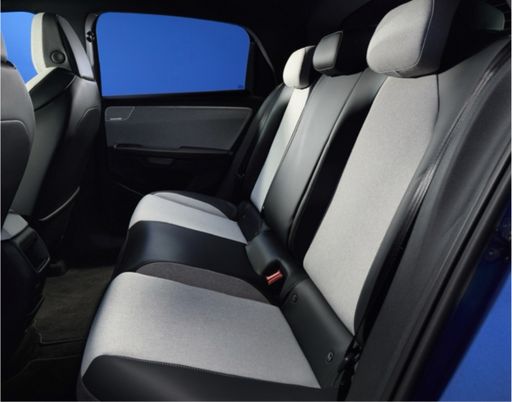
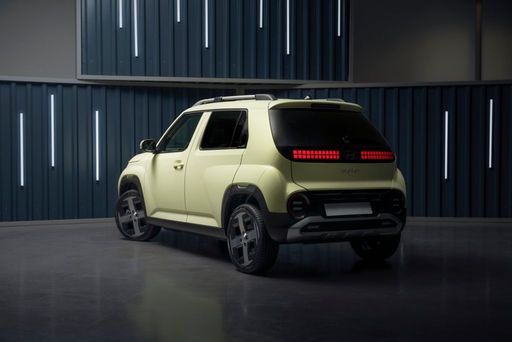
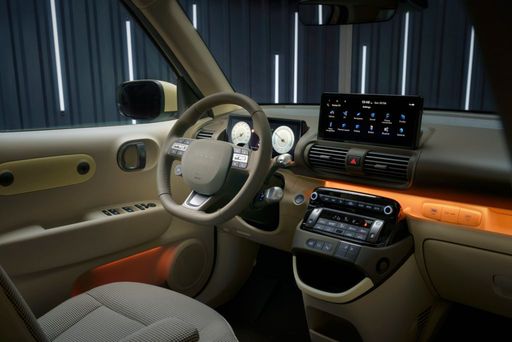
The Hyundai Inster packs clever interior tricks—sliding rear seats and fold‑flat front seats that let you rearrange space for gear or odd loads—giving it a chameleon‑like practicality for city lifestyles. The VW ID.Polo counters with a far more conventional package: a true five‑seat layout, superior rear room and a much larger boot that’s easier to live with for shopping trips or weekend bags. Materially the ID.Polo feels a step up: softer surfaces, clearer physical controls and a cockpit that ages well. So the Inster wins on configurable utility and clever features, while the ID.Polo wins on everyday usability and perceived quality.

ID.Polo

City friendliness and daily usability

In town the Hyundai Inster’s compact footprint, easy manoeuvrability and low running costs make it an ideal urban shuttle and second‑car candidate; its efficiency and assistive tech reduce range anxiety for regular short hops. The VW ID.Polo is still very city‑capable, but its bigger luggage area and better rear visibility tilt it toward buyers who need practical flexibility without sacrificing calmness. Day‑to‑day, the Inster feels more gadget‑forward and slightly more fun to dart around in, whereas the ID.Polo rewards routine with simple, logical controls and more cargo confidence. Your daily checklist — parking, carrying groceries, child seats or occasional long drives — will decide which set of compromises makes sense.

Inster

Buyer fit: who should choose which car?

If your life is dominated by tight streets, short commutes, and you prize efficiency plus flexible seat arrangements, the Hyundai Inster will fit like a glove and save you fuss in the city. If you need true five‑seat practicality, a large, usable boot and a quieter, more settled companion for longer runs, the VW ID.Polo is the more natural choice. Both cars suit different routines: pick the Inster for urban agility and clever features, pick the ID.Polo for space, perceived quality and long‑distance calm. The technical comparison that follows will unpack the figures behind these everyday impressions so you can match them to your priorities.

Here’s where it gets real: The technical differences in detail

ID.Polo

Costs and Efficiency:

Looking at overall running costs, both models reveal some interesting differences in everyday economy.

Hyundai Inster is barely cheaper – starting at 20,900 £ , while the VW ID.Polo costs 21,400 £ . That’s a price difference of around 510 £.

In terms of energy consumption, the VW ID.Polo is marginally more efficient: consuming 13.3 kWh/100km compared to 14.3 kWh/100km for the Hyundai Inster. That’s a difference of about 1 kWh/100km.

As for electric range, the VW ID.Polo offers somewhat more range – reaching up to 454 km, about 84 km more than the Hyundai Inster.

Inster

Engine and Performance:

Under the bonnet, it becomes clear which model is tuned for sportiness and which one takes the lead when you hit the accelerator.

When it comes to engine power, the VW ID.Polo offers considerably more power – delivering 226 HP compared to 115 HP. That’s roughly 111 HP more horsepower.

When accelerating from 0 to 100 km/h, the VW ID.Polo is clearly quicker – completing the sprint in 6.8 s, while the Hyundai Inster takes 10.6 s. That’s about 3.8 s quicker.

There’s also a difference in torque: the VW ID.Polo delivers substantially more torque with 290 Nm compared to 147 Nm. That’s about 143 Nm more.

ID.Polo

Space and Everyday Use:

Whether family car or daily driver – which one offers more room, flexibility and comfort?

Seats: VW ID.Polo offers more seats – 5 vs 4.

In terms of curb weight, Hyundai Inster is slightly lighter – 1,380 kg compared to 1,568 kg. The difference is around 188 kg.

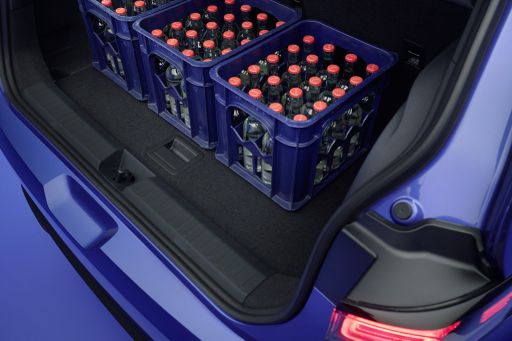
Looking at boot space, the VW ID.Polo offers markedly more boot space – 441 L compared to 280 L. That’s a difference of about 161 L.

When it comes to payload, the VW ID.Polo carries a bit more – 444 kg compared to 357 kg. That’s a difference of about 87 kg.

Who wins the race in the data check?

The VW ID.Polo stands well ahead of its rival in the objective data comparison.
This result only shows which model scores more points on paper – not which of the two cars feels right for you.

from £21,400
ID.Polo

VW ID.Polo

  • Engine Type Electric
  • Transmission Automatic
  • Drive Type Front-Wheel Drive
  • Power HP 116 - 226 HP
  • Consumption kWh/100km 13.3 - 14.4 kWh/100km
  • Electric Range 424 - 454 km
VW ID.Polo
Hyundai Inster

Costs and Consumption

View detailed analysis

Engine and Performance

View detailed analysis

Dimensions and Body

View detailed analysis

VW ID.Polo

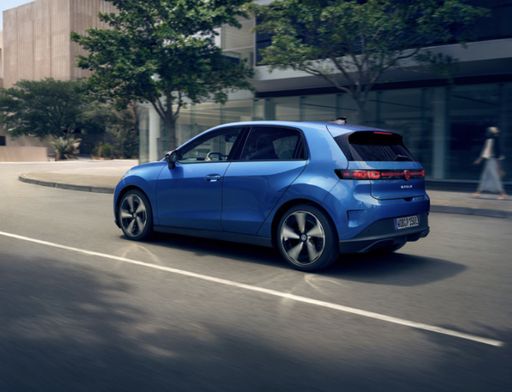
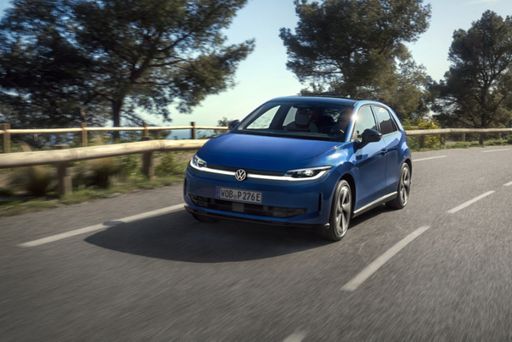
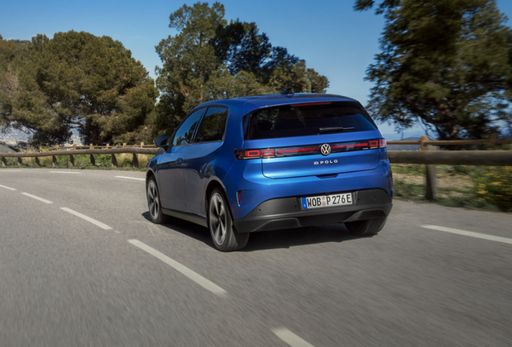
The VW ID.Polo brings classic Polo sensibility to the EV age with a calm, refined ride, an unusually large boot, and refreshingly simple controls with real buttons. It favors easygoing efficiency and family-friendly practicality over playful handling or high-speed autobahn pace, and the smaller-battery versions ask for a bit more planning on long trips.

details

Hyundai Inster

The Inster has quickly captured the attention of automotive enthusiasts with its striking design and dynamic performance. This model seamlessly blends advanced technology with comfort, making it an ideal choice for both daily commutes and adventurous road trips. With its spacious interior and innovative features, the Inster promises an exhilarating driving experience that doesn’t compromise on practicality.

details
VW ID.Polo
Hyundai Inster

Costs and Consumption

Price
21,400 - 36,000 £
Price
20,900 - 26,200 £
Consumption L/100km
-
Consumption L/100km
-
Consumption kWh/100km
13.3 - 14.4 kWh/100km
Consumption kWh/100km
14.3 - 15.1 kWh/100km
Electric Range
424 - 454 km
Electric Range
327 - 370 km
Battery Capacity
-
Battery Capacity
-
co2
0 g/km
co2
0 g/km
Fuel tank capacity
-
Fuel tank capacity
-

Dimensions and Body

Body Type
Hatchback
Body Type
SUV
Seats
5
Seats
4
Doors
-
Doors
-
Curb weight
1,568 - 1,635 kg
Curb weight
1,380 - 1,433 kg
Trunk capacity
441 L
Trunk capacity
238 - 280 L
Length
-
Length
-
Width
1,816 mm
Width
1,610 mm
Height
-
Height
-
Max trunk capacity
-
Max trunk capacity
-
Payload
444 kg
Payload
317 - 357 kg

Engine and Performance

Engine Type
Electric
Engine Type
Electric
Transmission
Automatic
Transmission
Automatic
Transmission Detail
Reduction Gearbox
Transmission Detail
Reduction Gearbox
Drive Type
Front-Wheel Drive
Drive Type
Front-Wheel Drive
Power HP
116 - 226 HP
Power HP
97 - 115 HP
Acceleration 0-100km/h
6.8 - 7.1 s
Acceleration 0-100km/h
10.6 - 11.7 s
Max Speed
-
Max Speed
-
Torque
290 Nm
Torque
147 Nm
Number of Cylinders
-
Number of Cylinders
-
Power kW
85 - 166 kW
Power kW
71 - 85 kW
Engine capacity
-
Engine capacity
-

General

Model Year
2026
Model Year
2025
CO2 Efficiency Class
A
CO2 Efficiency Class
A
Brand
VW
Brand
Hyundai
DriveDuel uses data analysis and artificial intelligence to evaluate vehicle data and create content. Content is regularly reviewed and improved. The displayed prices are estimates based on German list prices, adjusted to the respective country’s VAT. Country-specific registration taxes are not included. This information is not legally binding.