VS

VW T-Cross vs Citroen C3 Aircross comparison

Compare performance (150 HP vs 145 HP), boot space and price (21,400 £ vs 16,400 £ ) at a glance. Find out which car is the better choice for you – VW T-Cross or Citroen C3 Aircross?

VW T-Cross vs Citroen C3 Aircross: Key differences

VW T-Cross

3.9 (6 Reviews)
rate
  • marginally more power
  • clearly quicker 0–100 km/h
  • barely lighter
details

Citroen C3 Aircross

4.4 (2 Reviews)
rate
  • clearly cheaper
  • only slightly more efficient
  • very slightly more trunk space
details

All details on performance, efficiency, range and trunk space can be found in the technical comparison below – including user reviews for both models.

By Achim Sedelmaier

T-Cross

Citroen C3 Aircross VS VW T-Cross: quick take

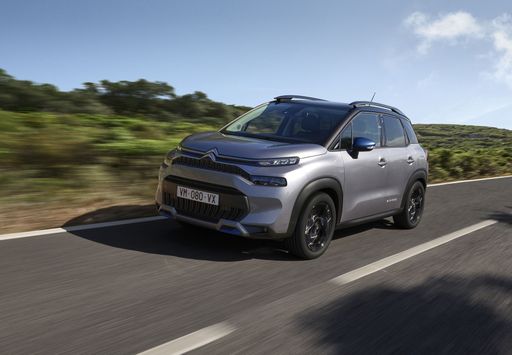
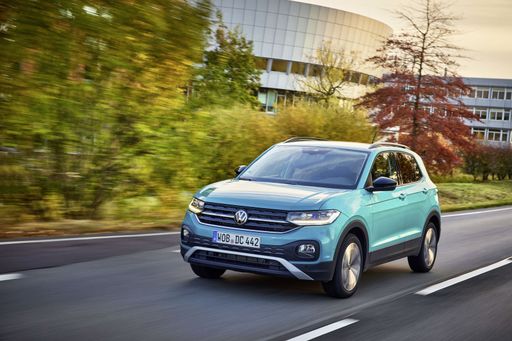
Citroen C3 Aircross and VW T-Cross sit in the same small-SUV class but play very different roles for buyers. The Citroen aims squarely at space and comfort for a sensible price, while the VW trades on refinement, interior polish and clever seat packaging at a higher cost. Saying which is “better” misses the point: this is a matchup of priorities — budget and rear-seat generosity versus perceived quality and flexibility. Read on to see which car matches your daily needs rather than which one wins on paper.
C3 Aircross

Character and driving feel

The Citroen C3 Aircross feels deliberately relaxed: soft suspension, light steering and a calm personality that favors comfort over engagement. The VW T-Cross drives in a more neutral, composed way and communicates a little more via its chassis, so it feels steadier when you push the pace or carry passengers. If you want a car that masks potholes and makes slow, stop-start urban trips effortless, the Citroen’s damping and easy manners win out. If you prefer a firmer, more assured on-road presence and quicker responses, the T-Cross will feel more confident behind the wheel.

T-Cross

Comfort and long-distance behavior

For everyday commuting and family runs the Citroen C3 Aircross delivers very comfy seats and a suspension that soaks up urban imperfections, which makes it kinder on backs and nerves over long days. The VW T-Cross, while comfortable, leans toward a firmer setup with better seat support and higher perceived build quality that helps on long motorway stints and when you want the car to feel more planted. Noise is the trade-off: the Citroen’s softer ride comes with a bit more wind and tyre rumble at higher speeds, whereas the T-Cross can sound slightly louder but rewards with a more settled demeanor. If your miles are mixed motorway and A-road runs, the T-Cross’s composure feels more confidence-inspiring; if most of your time is urban or short family trips, the Citroen’s comfort-focused approach will be kinder every day.

C3 Aircross

Cabin feel and usability

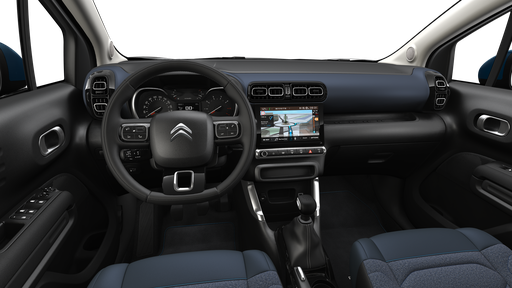
The VW T-Cross shows clearer improvements in material quality and fit after its update: surfaces feel firmer, the digital instruments are well integrated, and the overall cabin reads as more grown-up. The Citroen C3 Aircross keeps things simple and practical with lots of physical controls and a straightforward layout, which some buyers will appreciate for day-to-day usability but others will see as cheaper. Both are easy to live with, but the T-Cross gives a stronger impression of value once you accept a higher asking price; the C3 Aircross gives you space and function first, finish second. If tactile refinement and a tidy dashboard matter to you, the T-Cross will please; if tactile simplicity and low hassle are your priorities, the Citroen fits better.

T-Cross

Practicality and family usability

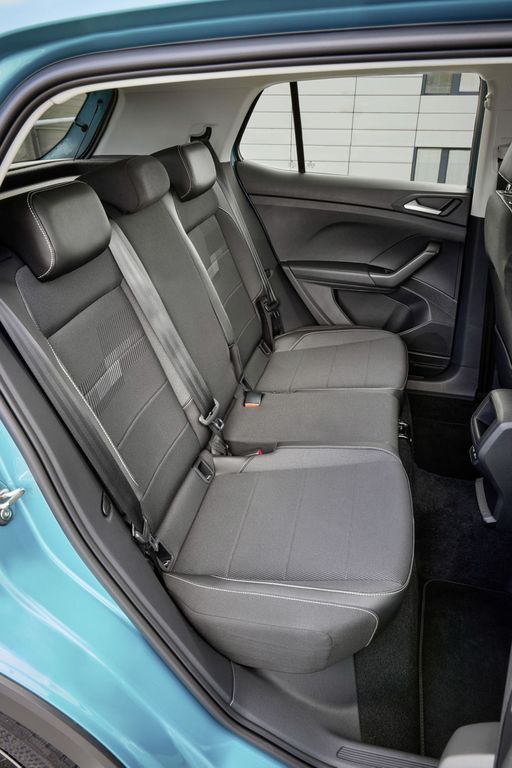
Practical differences are where choices become personal: the Citroen C3 Aircross offers very generous rear head- and legroom as a five-seater and even the option of a cramped third row for kids in a pinch, which is rare at this size and price. The VW T-Cross counters with a genuinely flexible interior — a sliding rear bench and a fold-flat front passenger make it easier to tailor loadspace for bikes, furniture or taller items. Cargo usability tilts in the T-Cross’s favor if you need variable loading lengths and a low, neat boot floor; the Citroen wins if outright rear passenger room and simple family ergonomics are top of the list. Choose the C3 Aircross for passenger comfort and occasional extra seats; choose the T-Cross for modular cargo flexibility and smarter load solutions.

C3 Aircross

Who should buy which car?

If you are price-conscious, often ferry family members, and value cushioned daily comfort, the Citroen C3 Aircross is the pragmatic pick that trades surface polish for usable space and a softer ride. If you prize a more refined cabin, flexible seating geometry and a composed, predictable road manner — and you’re prepared to pay more for those virtues — the VW T-Cross will suit you better. Both cars answer different buyer questions rather than competing on a single axis, so your decision should come down to whether you want maximum usable space and comfort (C3 Aircross) or a tidier, more versatile interior with a higher-quality feel (T-Cross). The technical comparison that follows will make those trade-offs measurable, but these are the everyday differences that will shape ownership.

Here’s where it gets real: The technical differences in detail

T-Cross

Costs and Efficiency:

Price and efficiency are often the first things buyers look at. Here it becomes clear which model has the long-term edge – whether at the pump, the plug, or in purchase price.

Citroen C3 Aircross is clearly cheaper – starting at 16,400 £ , while the VW T-Cross costs 21,400 £ . That’s a price difference of around 4,946 £.

Fuel consumption also shows a difference: the Citroen C3 Aircross uses 5.3 L/100km and is only slightly more efficient than the VW T-Cross with 5.4 L/100km. The difference is about 0.1 L/100km.

C3 Aircross

Engine and Performance:

Power, torque and acceleration say a lot about how a car feels on the road. This is where you see which model delivers more driving dynamics.

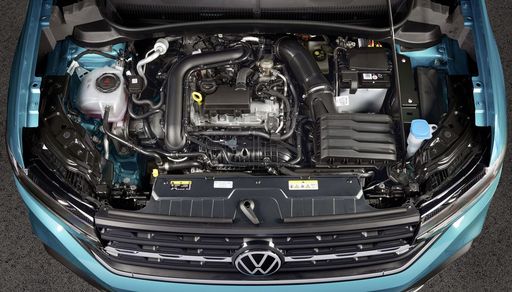
When it comes to engine power, the VW T-Cross offers marginally more power – delivering 150 HP compared to 145 HP. That’s roughly 5 HP more horsepower.

When accelerating from 0 to 100 km/h, the VW T-Cross is clearly quicker – completing the sprint in 8.4 s, while the Citroen C3 Aircross takes 12.3 s. That’s about 3.9 s quicker.

There’s also a difference in torque: the VW T-Cross delivers very slightly more torque with 250 Nm compared to 230 Nm. That’s about 20 Nm more.

T-Cross

Space and Everyday Use:

Beyond pure performance, interior space and usability matter most in daily life. This is where you see which car is more practical and versatile.

Both vehicles offer seating for 5 people.

In terms of curb weight, VW T-Cross is barely lighter – 1,267 kg compared to 1,312 kg. The difference is around 45 kg.

Looking at boot space, the Citroen C3 Aircross offers very slightly more boot space – 460 L compared to 455 L. That’s a difference of about 5 L.

When it comes to payload, the VW T-Cross carries barely more – 480 kg compared to 462 kg. That’s a difference of about 18 kg.

Who wins the race in the data check?

The Citroen C3 Aircross is slightly ahead in the objective data comparison.
This result only shows which model scores more points on paper – not which of the two cars feels right for you.

from £16,400
C3 Aircross

Citroen C3 Aircross

  • Engine Type Electric, Petrol, Petrol MHEV
  • Transmission Automatic, Manuel
  • Drive Type Front-Wheel Drive
  • Power HP 101 - 145 HP
  • Consumption L/100km 5.3 - 5.9 L/100km
  • Consumption kWh/100km 16.1 - 18.1 kWh/100km
  • Electric Range 307 - 400 km
VW T-Cross
Citroen C3 Aircross

Costs and Consumption

View detailed analysis

Engine and Performance

View detailed analysis

Dimensions and Body

View detailed analysis

VW T-Cross

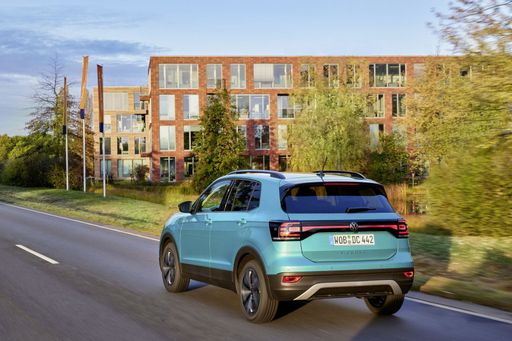
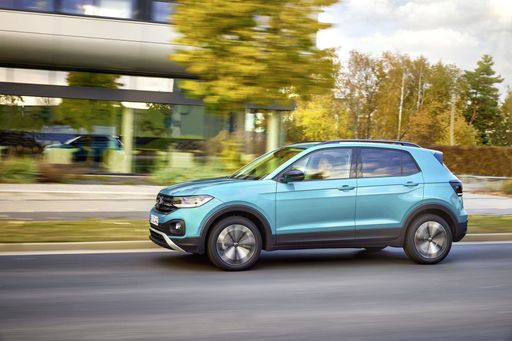
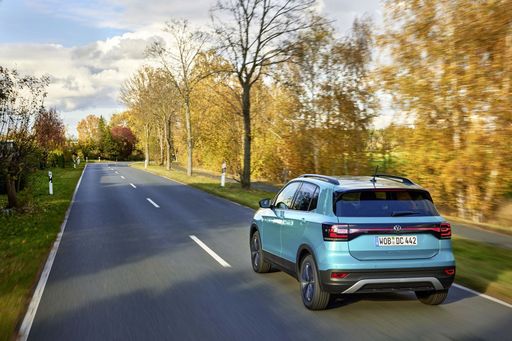
The VW T-Cross is a small, city-friendly crossover that blends practical packaging with easygoing driving manners and a high seating position for good visibility. It’s a sensible, comfortable choice for buyers who want the convenience and style of an SUV without big compromises.

details

Citroen C3 Aircross

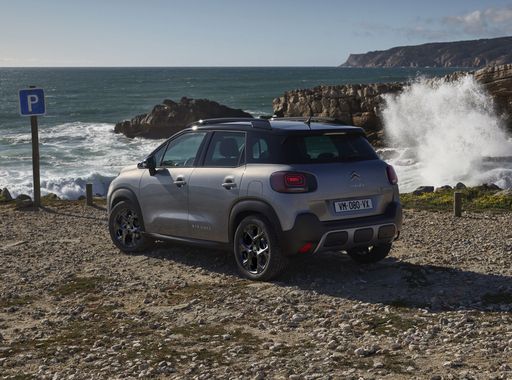
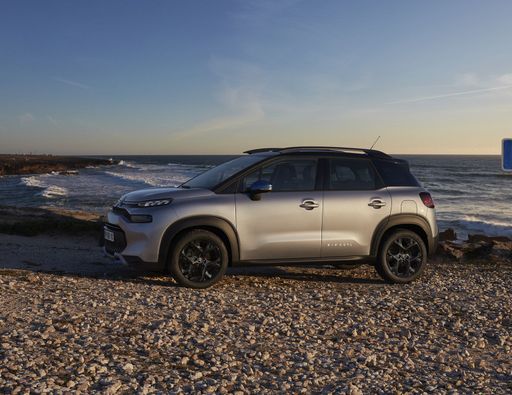
The Citroën C3 Aircross is a compact crossover that stands out with its quirky, friendly styling and a tall, airy cabin that prioritizes comfort. It suits buyers who value flexible interior space, good visibility and easy urban driving over sporty performance.

details
VW T-Cross
Citroen C3 Aircross

Costs and Consumption

Price
21,400 - 32,000 £
Price
16,400 - 29,000 £
Consumption L/100km
5.4 - 6 L/100km
Consumption L/100km
5.3 - 5.9 L/100km
Consumption kWh/100km
-
Consumption kWh/100km
16.1 - 18.1 kWh/100km
Electric Range
-
Electric Range
307 - 400 km
Battery Capacity
-
Battery Capacity
-
co2
124 - 136 g/km
co2
0 - 134 g/km
Fuel tank capacity
-
Fuel tank capacity
-

Dimensions and Body

Body Type
SUV
Body Type
SUV
Seats
5
Seats
5
Doors
-
Doors
-
Curb weight
1,267 - 1,338 kg
Curb weight
1,312 - 1,608 kg
Trunk capacity
455 L
Trunk capacity
460 L
Length
-
Length
-
Width
1,784 mm
Width
1,795 mm
Height
-
Height
-
Max trunk capacity
-
Max trunk capacity
-
Payload
463 - 480 kg
Payload
407 - 462 kg

Engine and Performance

Engine Type
Petrol
Engine Type
Electric, Petrol, Petrol MHEV
Transmission
Manuel, Automatic
Transmission
Automatic, Manuel
Transmission Detail
Manual Gearbox, Dual-Clutch Automatic
Transmission Detail
Reduction Gearbox, Manual Gearbox, Dual-Clutch Automatic
Drive Type
Front-Wheel Drive
Drive Type
Front-Wheel Drive
Power HP
95 - 150 HP
Power HP
101 - 145 HP
Acceleration 0-100km/h
8.4 - 11.3 s
Acceleration 0-100km/h
12.3 - 13 s
Max Speed
-
Max Speed
-
Torque
175 - 250 Nm
Torque
125 - 230 Nm
Number of Cylinders
3 - 4
Number of Cylinders
3
Power kW
70 - 110 kW
Power kW
74 - 107 kW
Engine capacity
999 - 1,498 cm3
Engine capacity
1,199 cm3

General

Model Year
2,024 - 2,025
Model Year
2,024 - 2,026
CO2 Efficiency Class
D, E
CO2 Efficiency Class
A, D
Brand
VW
Brand
Citroen
DriveDuel uses data analysis and artificial intelligence to evaluate vehicle data and create content. Content is regularly reviewed and improved. The displayed prices are estimates based on German list prices, adjusted to the respective country’s VAT. Country-specific registration taxes are not included. This information is not legally binding.