VS

VW T-Cross vs VW Taigo comparison

Compare performance (150 HP vs 150 HP), boot space and price (21,400 £ vs 19,900 £ ) at a glance. Find out which car is the better choice for you – VW T-Cross or VW Taigo?

VW T-Cross vs VW Taigo: Key differences

VW T-Cross

3.9 (4 Reviews)
rate
  • very slightly more trunk space
details

VW Taigo

4.9 (3 Reviews)
rate
  • marginally cheaper
  • only slightly more efficient
  • very slightly quicker 0–100 km/h
  • marginally lighter
details

All details on performance, efficiency, range and trunk space can be found in the technical comparison below – including user reviews for both models.

By Achim Sedelmaier

T-Cross

Head-to-head: VW T-Cross and VW Taigo comparison

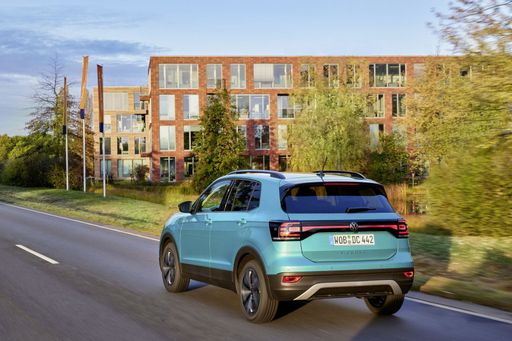
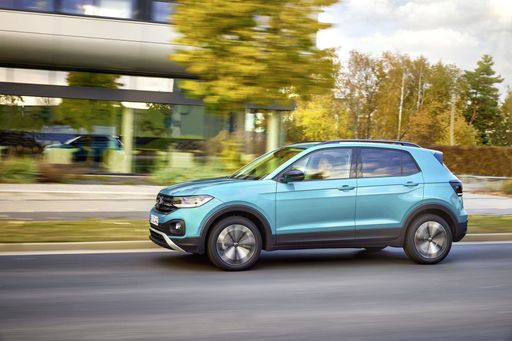
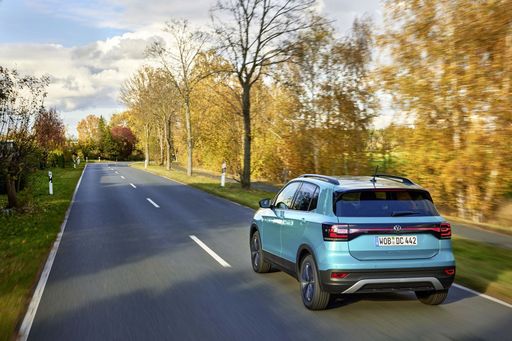
The VW T-Cross and VW Taigo go head-to-head in this direct compact crossover comparison — think boxy practicality versus coupe-style flair parked side by side. This VW T-Cross VS VW Taigo showdown maps what changes when Volkswagen stretches the same small-SUV recipe into two very different personalities. We’ll cut through spec sheets to show how those personality shifts matter in everyday life, from school runs to motorway miles. Read on for a buyer-focused take before you dive into the equipment lists and figures below.
Taigo

Personality clash: sensible versus style

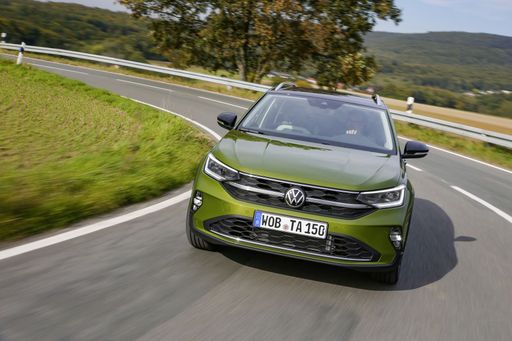
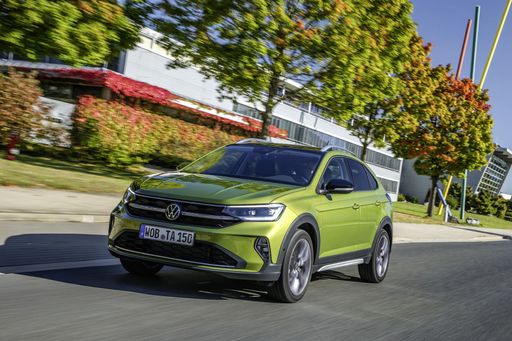
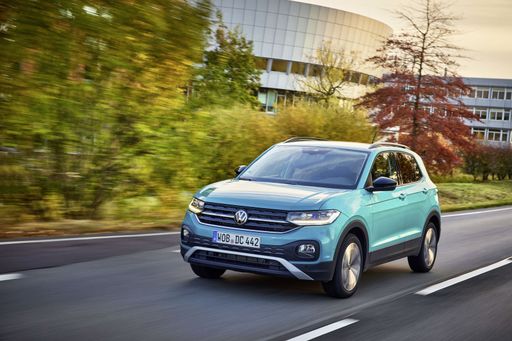
On the road the VW T-Cross feels pragmatic and sensible while the VW Taigo trades some of that upright modesty for a sleeker, sportier silhouette. The T-Cross wears its compact-SUV credentials loud and proud — upright stance, easy sightlines, very “I want utility” — whereas the Taigo wants to be noticed with its sweeping roofline and sharper graphics. That difference is about attitude more than equipment: one aims to blend in and serve, the other aims to be seen and enjoyed. Drive either hard enough and you’ll find the Taigo teases a touch more agility, while the T-Cross settles into composed, unshowy confidence.

T-Cross

Daily life: who lives with it best?

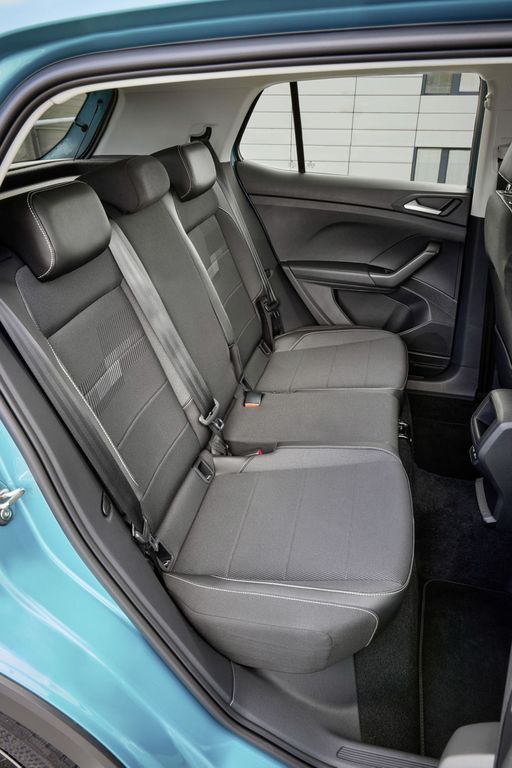
For everyday life the VW T-Cross leans practical — rear space, a user-friendly boot and sensible ergonomics make it easier to live with for a family or frequent luggage hauls. The VW Taigo sacrifices a sliver of that day-to-day generosity for a more coupe-like profile, so rear headroom and load shaping feel slightly tighter, but it rewards with a more engaging posture in town. City dwellers will appreciate the Taigo’s sharper looks and nimble feel, while longer runs and holiday packing favour the T-Cross’s more utilitarian approach. Both are comfortable enough for commutes, but the differences become obvious when kids, bikes or weekend bags join the trip.

Taigo

Buying it for image or reason?

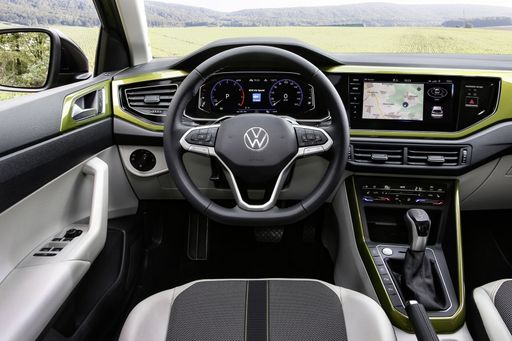
If you’re buying on image the VW Taigo is the one that lets you make a small but unmistakable statement — it looks younger, trendier and slightly more premium at first glance. In contrast the VW T-Cross justifies itself with common-sense virtues: predictable space, straightforward controls and a sense that it will do the job for years without fuss. Materials and cabin presentation in the Taigo tend to feel curated for effect, whereas the T-Cross focuses on robustness and easy-to-use practicality. Neither choice is about flash alone; they just wear their intentions differently, so your choice tells a story about how you want to be seen and how you actually live.

T-Cross

Who should choose the VW T-Cross?

Pick the VW T-Cross if your checklist starts with usable space, fuss-free ergonomics and a calm, forgiving drive that doesn’t demand constant attention. It’s the natural home for commuters who value predictable ride manners and families who need sensible storage and easy access. Owners who prefer practicality over personality will appreciate how the T-Cross makes smart compromises feel effortless every day. If safety, resale and a no-nonsense ownership experience matter more than headline-grabbing style, the T-Cross answers that brief quietly and effectively.

Taigo

Who should choose the VW Taigo (and when the T-Cross still wins)

Choose the VW Taigo if you want a compact crossover that reads aspirational in the driveway — it’s for drivers who care about looks, a sharper on-road vibe and the social signal a coupe-style roof sends. Style-focused buyers and those who enjoy a slightly more engaging steering feel will find the Taigo’s personality rewarding day-to-day. That said, if practical space or rear-seat friendliness is top of mind, the VW T-Cross remains the steadier, more accommodating alternative. Both cars have clear roles, so flip to the technical delta next to see how small differences on paper line up with the impressions you just read.

Here’s where it gets real: The technical differences in detail

T-Cross

Costs and Efficiency:

When it comes to price and running costs, the biggest differences usually appear. This is often where you see which car fits your budget better in the long run.

VW Taigo is marginally cheaper – starting at 19,900 £ , while the VW T-Cross costs 21,400 £ . That’s a price difference of around 1,474 £.

Fuel consumption also shows a difference: the VW Taigo uses 5.3 L/100km and is only slightly more efficient than the VW T-Cross with 5.4 L/100km. The difference is about 0.1 L/100km.

Taigo

Engine and Performance:

Power, torque and acceleration are the classic benchmarks for car enthusiasts – and here, some clear differences start to show.

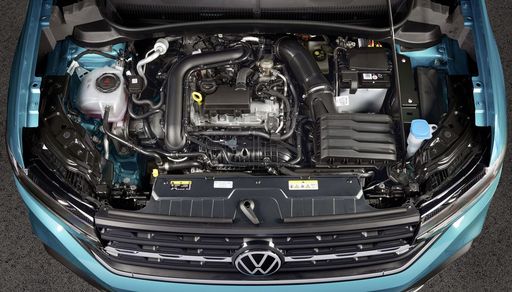
Both models deliver identical power – 150 HP each.

When accelerating from 0 to 100 km/h, the VW Taigo is very slightly quicker – completing the sprint in 8.2 s, while the VW T-Cross takes 8.4 s. That’s about 0.2 s quicker.

Both models offer the same torque – 250 Nm.

T-Cross

Space and Everyday Use:

Whether family car or daily driver – which one offers more room, flexibility and comfort?

Both vehicles offer seating for 5 people.

In terms of curb weight, VW Taigo is marginally lighter – 1,229 kg compared to 1,267 kg. The difference is around 38 kg.

Looking at boot space, the VW T-Cross offers very slightly more boot space – 455 L compared to 440 L. That’s a difference of about 15 L.

When it comes to payload, the VW T-Cross carries only slightly more – 480 kg compared to 457 kg. That’s a difference of about 23 kg.

Who wins the race in the data check?

The VW Taigo has only a minor advantage in the objective data comparison.
This result only shows which model scores more points on paper – not which of the two cars feels right for you.

from £19,900
Taigo

VW Taigo

  • Engine Type : Petrol
  • Transmission : Manuel, Automatic
  • Drive Type : Front-Wheel Drive
  • Power HP : 95 - 150 HP
  • Consumption L/100km : 5.3 - 5.8 L/100km
VW T-Cross
VW Taigo

Costs and Consumption

View detailed analysis

Engine and Performance

View detailed analysis

Dimensions and Body

View detailed analysis

VW T-Cross

The VW T-Cross is a small, city-friendly crossover that blends practical packaging with easygoing driving manners and a high seating position for good visibility. It’s a sensible, comfortable choice for buyers who want the convenience and style of an SUV without big compromises.

details

VW Taigo

The VW Taigo blends a coupe-like roofline with crossover practicality, giving it a stylish presence on the road while remaining easy to live with for everyday driving. It delivers a comfortable ride, intuitive tech and smart use of space, making it a good choice if you want SUV looks without the bulk of a larger vehicle.

details
VW T-Cross
VW Taigo

Costs and Consumption

Price
21,400 - 32,000 £
Price
19,900 - 31,800 £
Consumption L/100km
5.4 - 6 L/100km
Consumption L/100km
5.3 - 5.8 L/100km
Consumption kWh/100km
-
Consumption kWh/100km
-
Electric Range
-
Electric Range
-
Battery Capacity
-
Battery Capacity
-
co2
124 - 136 g/km
co2
120 - 132 g/km
Fuel tank capacity
-
Fuel tank capacity
-

Dimensions and Body

Body Type
SUV
Body Type
SUV
Seats
5
Seats
5
Doors
-
Doors
-
Curb weight
1,267 - 1,338 kg
Curb weight
1,229 - 1,302 kg
Trunk capacity
455 L
Trunk capacity
440 L
Length
-
Length
-
Width
1,784 mm
Width
1,757 mm
Height
-
Height
-
Max trunk capacity
-
Max trunk capacity
-
Payload
463 - 480 kg
Payload
448 - 457 kg

Engine and Performance

Engine Type
Petrol
Engine Type
Petrol
Transmission
Manuel, Automatic
Transmission
Manuel, Automatic
Transmission Detail
Manual Gearbox, Dual-Clutch Automatic
Transmission Detail
Manual Gearbox, Dual-Clutch Automatic
Drive Type
Front-Wheel Drive
Drive Type
Front-Wheel Drive
Power HP
95 - 150 HP
Power HP
95 - 150 HP
Acceleration 0-100km/h
8.4 - 11.3 s
Acceleration 0-100km/h
8.2 - 11.1 s
Max Speed
-
Max Speed
-
Torque
175 - 250 Nm
Torque
175 - 250 Nm
Number of Cylinders
3 - 4
Number of Cylinders
3 - 4
Power kW
70 - 110 kW
Power kW
70 - 110 kW
Engine capacity
999 - 1,498 cm3
Engine capacity
999 - 1,498 cm3

General

Model Year
2,024 - 2,025
Model Year
2,024 - 2,025
CO2 Efficiency Class
D, E
CO2 Efficiency Class
D
Brand
VW
Brand
VW
DriveDuel uses data analysis and artificial intelligence to evaluate vehicle data and create content. Content is regularly reviewed and improved. The displayed prices are estimates based on German list prices, adjusted to the respective country’s VAT. Country-specific registration taxes are not included. This information is not legally binding.