VS

ZEEKR X vs ZEEKR 7GT comparison

Compare performance (496 HP vs 646 HP), boot space and price (32,600 £ vs 41,100 £ ) at a glance. Find out which car is the better choice for you – ZEEKR X or ZEEKR 7GT?

ZEEKR X vs ZEEKR 7GT: Key differences

ZEEKR X

  • markedly cheaper
  • clearly lighter
details

ZEEKR 7GT

4.6 (2 Reviews)
rate
  • markedly more power
  • marginally more efficient
  • clearly more electric range
  • somewhat quicker 0–100 km/h
  • somewhat more trunk space
details

All details on performance, efficiency, range and trunk space can be found in the technical comparison below – including user reviews for both models.

By Achim Sedelmaier

X

Head-to-head: ZEEKR X and ZEEKR 7GT in one glance

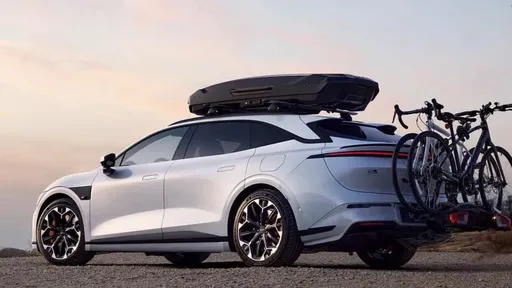
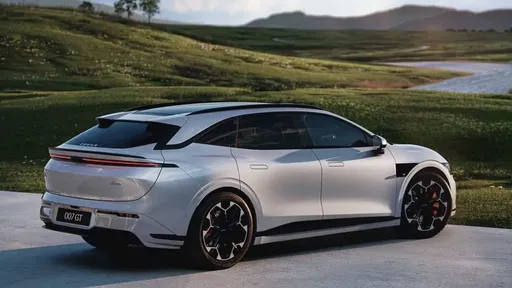
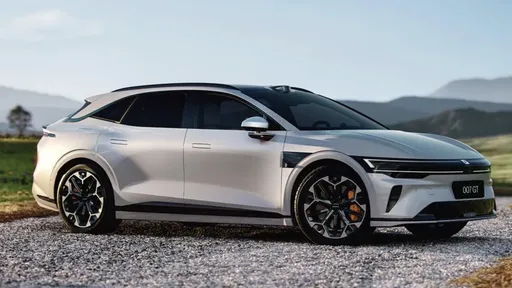
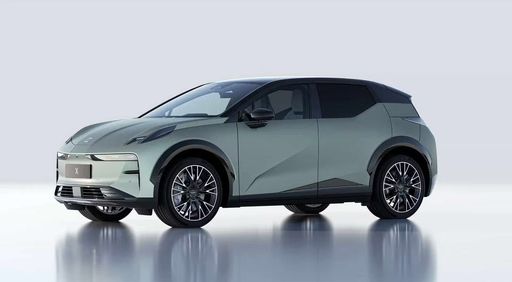
The ZEEKR X and ZEEKR 7GT arrive from the same brand with very different missions: one is a compact, tech-forward SUV and the other a long-distance oriented shooting brake. In a ZEEKR X VS ZEEKR 7GT comparison the split is clear — one trades urban agility and gadget-rich value for a smaller footprint, the other swaps that city friendliness for rear-seat space, loading practicality and long-range convenience. Buyers will notice the X’s lower entry price and abundant standard kit immediately, while the 7GT signals GT ambition with bigger batteries, faster high-power charging and a more estate-like cargo area. This page walks through how those choices matter in everyday use, not just on a spec sheet.
7GT

Character and driving: nimble SUV versus composed grand tourer

The ZEEKR X feels like a city-born athlete: light-footed off the line, easy to place in traffic and biased toward a comfortable, forgiving ride around town. By contrast the ZEEKR 7GT drives with grand-tourer intent — heavier, more composed at speed and built to swallow motorway miles without fuss. That extra heft and power in the 7GT gives it a more planted, stable demeanor on long runs, but it costs a bit of that zip and urban agility you get in the X. Choose the X if you prioritise traffic manoeuvrability and brisk in-town responses; pick the 7GT if high-speed steadiness and long-haul confidence come first.

Comfort and long-distance behavior: short trips vs sustained cruising

For day-to-day commuting and shorter runs the ZEEKR X rewards with a soft city-biased suspension, supportive front seats and a cabin tuned for immediacy rather than endurance. The ZEEKR 7GT, however, is the better companion for long distances: its rear seating is more generous, the estate layout reduces luggage stress and the charging tech dramatically shortens travel stops. That means fewer mid-trip interruptions in the 7GT and a more relaxed rhythm over extended journeys, while the X can feel constrained if you routinely carry adults or lots of bags. If your calendar includes frequent motorway runs or family road trips, the 7GT’s configuration simply makes life easier.

Practicality and usability: how the shapes change real life

The difference between a compact SUV and a shooting brake shows up in everyday chores: the ZEEKR X is easier to park, its cabin is airy and gadgets are close at hand, but the cargo opening is narrower and the boot less forgiving for bulky items. The ZEEKR 7GT’s estate roofline and near-flat load floor make loading a stroller, suitcases or DIY gear straightforward, and its frunk plus faster DC charging shift how you plan trips. That said, the X’s 22-kW AC charging is a genuine advantage for overnight top-ups at home or at work where AC power is available. In short, city dwellers with tight spaces will find the X more convenient; families and frequent travellers will appreciate the 7GT’s day-to-day utility.

Cabin feel, tech and perceived quality: gadgetry versus classical premium

Both cabins aim high, but the moods differ: the ZEEKR X comes across as gadget-rich and slightly playful — HUD, branded audio and a tech-heavy screen stack create a modern, energetic cabin vibe. The ZEEKR 7GT prefers a calmer, more mature presentation with cleaner lines, tactile materials and an interior that reads more like a premium estate. Software behaviour is a real differentiator in the X: reviewers note occasional infotainment hiccups and overzealous alerts that can annoy daily users, whereas the 7GT’s UX in European spec appears to be tuned toward a quieter, less intrusive experience. Buyers looking for a tech showcase will like the X’s features; those who equate material calm and polish with quality will lean toward the 7GT.

Who each car suits best: pick by use, not by badge

If your life is urban-to-suburban, you value a lower entry price, lots of standard tech and easy overnight charging, the ZEEKR X maps neatly onto that routine and keeps running costs and parking headaches down. If instead your priority is rear-seat comfort, flexible luggage space, minimal charging stops on long trips and a more traditional premium estate experience, the ZEEKR 7GT is designed for that role even if it carries a bit more weight and a higher price. Both cars bring strong interiors and clear strengths, so your decision should hinge on whether you need a compact, gadget-forward city SUV or a long-range, family-friendly shooting brake — the technical comparison that follows will help you match those needs to the exact figures.

Here’s where it gets real: The technical differences in detail

X

Costs and Efficiency:

Price and efficiency are often the first things buyers look at. Here it becomes clear which model has the long-term edge – whether at the pump, the plug, or in purchase price.

ZEEKR X is markedly cheaper – starting at 32,600 £ , while the ZEEKR 7GT costs 41,100 £ . That’s a price difference of around 8,572 £.

In terms of energy consumption, the ZEEKR 7GT is marginally more efficient: consuming 16.6 kWh/100km compared to 17.4 kWh/100km for the ZEEKR X. That’s a difference of about 0.8 kWh/100km.

As for electric range, the ZEEKR 7GT offers clearly more range – reaching up to 655 km, about 240 km more than the ZEEKR X.

7GT

Engine and Performance:

Under the bonnet, it becomes clear which model is tuned for sportiness and which one takes the lead when you hit the accelerator.

When it comes to engine power, the ZEEKR 7GT offers markedly more power – delivering 646 HP compared to 496 HP. That’s roughly 150 HP more horsepower.

When accelerating from 0 to 100 km/h, the ZEEKR 7GT is somewhat quicker – completing the sprint in 3.3 s, while the ZEEKR X takes 3.7 s. That’s about 0.4 s quicker.

There’s also a difference in torque: the ZEEKR 7GT delivers somewhat more torque with 710 Nm compared to 573 Nm. That’s about 137 Nm more.

Space and Everyday Use:

Whether family car or daily driver – which one offers more room, flexibility and comfort?

Both vehicles offer seating for 5 people.

In terms of curb weight, ZEEKR X is clearly lighter – 1,855 kg compared to 2,265 kg. The difference is around 410 kg.

Looking at boot space, the ZEEKR 7GT offers somewhat more boot space – 456 L compared to 404 L. That’s a difference of about 52 L.

Who wins the race in the data check?

The ZEEKR 7GT stands well ahead of its rival in the objective data comparison.
This result only shows which model scores more points on paper – not which of the two cars feels right for you.

from £41,100
7GT

ZEEKR 7GT

  • Engine Type Electric
  • Transmission Automatic
  • Drive Type Rear-Wheel Drive, All-Wheel Drive
  • Power HP 421 - 646 HP
  • Consumption kWh/100km 16.6 - 19.8 kWh/100km
  • Electric Range 519 - 655 km
ZEEKR X
ZEEKR 7GT

Costs and Consumption

View detailed analysis

Engine and Performance

View detailed analysis

Dimensions and Body

View detailed analysis

ZEEKR X

The Zeekr X feels like a pocket rocket for city life, delivering brisk performance and nimble handling wrapped in a surprisingly premium little package. Inside it offers smart tech and refined materials that make daily driving feel more like a small luxury escape, all while keeping a tasteful, understated presence.

details

ZEEKR 7GT

The Zeekr 7 GT stakes its claim as a smartly styled, quietly confident grand tourer that mixes comfort with a sporty edge to keep daily drives interesting. Inside it feels more grown-up EV than gadget toy, offering a polished cabin and driver-focused flair that will appeal to buyers who want presence without pretension.

details
ZEEKR X
ZEEKR 7GT

Costs and Consumption

Price
32,600 - 41,100 £
Price
41,100 - 51,000 £
Consumption L/100km
-
Consumption L/100km
-
Consumption kWh/100km
17.4 - 18.1 kWh/100km
Consumption kWh/100km
16.6 - 19.8 kWh/100km
Electric Range
330 - 415 km
Electric Range
519 - 655 km
Battery Capacity
-
Battery Capacity
-
co2
0 g/km
co2
0 g/km
Fuel tank capacity
-
Fuel tank capacity
-

Dimensions and Body

Body Type
SUV
Body Type
Estate
Seats
5
Seats
5
Doors
-
Doors
-
Curb weight
1,855 - 1,960 kg
Curb weight
2,265 - 2,405 kg
Trunk capacity
404 L
Trunk capacity
456 L
Length
-
Length
-
Width
1,836 mm
Width
1,910 mm
Height
-
Height
-
Max trunk capacity
-
Max trunk capacity
-
Payload
460 - 555 kg
Payload
-

Engine and Performance

Engine Type
Electric
Engine Type
Electric
Transmission
Automatic
Transmission
Automatic
Transmission Detail
Reduction Gearbox
Transmission Detail
Reduction Gearbox
Drive Type
Rear-Wheel Drive, All-Wheel Drive
Drive Type
Rear-Wheel Drive, All-Wheel Drive
Power HP
272 - 496 HP
Power HP
421 - 646 HP
Acceleration 0-100km/h
3.7 - 5.9 s
Acceleration 0-100km/h
3.3 - 5.3 s
Max Speed
-
Max Speed
-
Torque
343 - 573 Nm
Torque
440 - 710 Nm
Number of Cylinders
-
Number of Cylinders
-
Power kW
200 - 365 kW
Power kW
310 - 475 kW
Engine capacity
-
Engine capacity
-

General

Model Year
2026
Model Year
2026
CO2 Efficiency Class
A
CO2 Efficiency Class
A
Brand
ZEEKR
Brand
ZEEKR
DriveDuel uses data analysis and artificial intelligence to evaluate vehicle data and create content. Content is regularly reviewed and improved. The displayed prices are estimates based on German list prices, adjusted to the respective country’s VAT. Country-specific registration taxes are not included. This information is not legally binding.