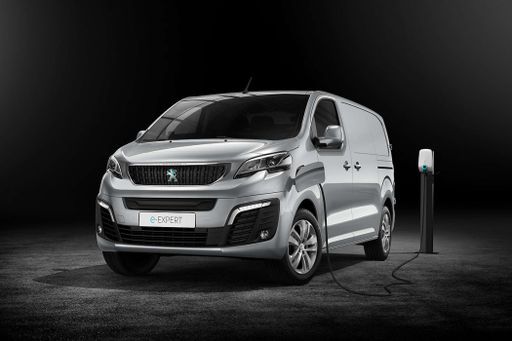
Citroen Jumpy Bus Bus, starting at 37900 £

The Citroen Jumpy Bus Bus impresses with 136 HP 352 km and an attractive starting price of 37900 £ . Here are all the details at a glance.

from about £37,900
default

Citroen Jumpy Bus

  • Engine Type : Electric
  • Transmission : Automatic
  • Drive Type : Front-Wheel Drive
  • Power HP : 136 HP
  • Consumption kWh/100km : 24.1 - 24.4 kWh
  • Electric Range : 221 - 352 km

First impressions: tall, practical, and unmistakably Citroën

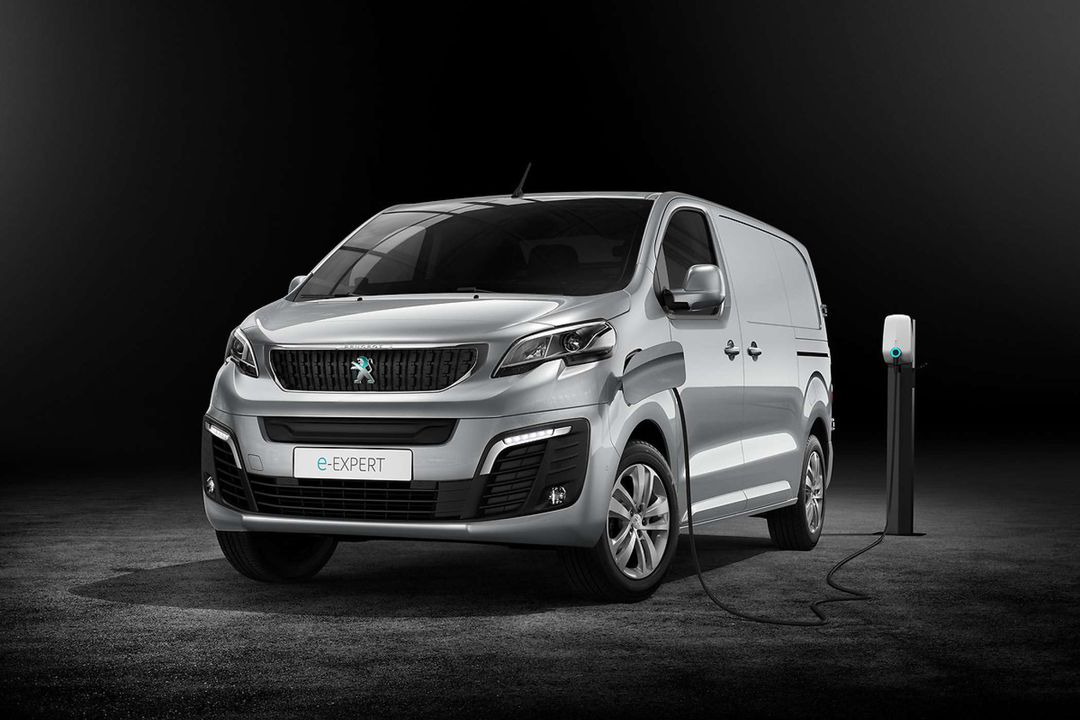
The Jumpy Bus blends Citroën’s softened van styling with bus-like presence, wearing a high roof and large glass areas that make it look purposeful rather than flashy. Dimensions come in two lengths — roughly 4.98 m and 5.33 m — and heights around 1.90–1.94 m, so it commands space in the car park and feels roomy on approach. Design cues are functional: sliding doors, big mirrors and a blunt nose that prioritises visibility and pedestrian safety over sportiness.
Cabin experience: simple, resilient and user-friendly

The interior favours durability and logic over luxury, with materials chosen to withstand passenger traffic and daily wear; plastics are hard but well-assembled and surfaces are easy to clean. Seating is configured for nine and the bench layouts are straightforward to fold or remove, while storage pockets and cup holders are thoughtfully placed for shuttle or work use. Controls are uncomplicated and the driving position is high, which improves visibility and reduces the fatigue of long runs.

How much can it carry? Space that actually works

The Jumpy Bus is built for people and luggage: seating for 9 is standard and cargo volumes vary widely, with quoted boot capacities stretching into the 3,000–4,500 litre range depending on layout and seat removal. Payloads are healthy for a people‑carrier—roughly 850–982 kg—so the van can take a full passenger load plus bags or tools without being overloaded. Tall passengers benefit from the generous roof height and the wide sliding doors make boarding kids, luggage or crates an easy task in everyday operation.

On the move: steady, confident and engineered for comfort

Power comes from a single electric motor putting out 136 HP (100 kW) and 260 Nm to the front wheels, with a top speed limited to about 130 km/h; acceleration is competent for urban merges and overtakes but never sporty. The Jumpy Bus’s cured suspension and substantial curb weights (around 2,018–2,240 kg) prioritise ride comfort over agility, so body roll is present but isolated from passengers. Regenerative braking smooths city driving and the front‑wheel drive layout keeps the handling predictable, which matters when carrying nine people or a mixed load.

Energy use and real-world range: pick the battery to match the job

Energy consumption hovers around 24.1–24.4 kWh/100 km on the official figures, and Citroën offers 50 kWh and 75 kWh battery options that translate roughly to WLTP ranges from about 220 km up to 352 km, depending on length and specification. In practical terms the smaller pack suits urban shuttle duties and short intercity hops, while the 75 kWh option gives more breathing room for longer runs or fully loaded trips — though high-speed motorway cruising and a full passenger load will cut the range noticeably. Charging speed specifics vary by trim and infrastructure, so route planning remains important for commercial operators and fleet buyers.

Tech and safety: functional kit for busy operators

The Jumpy Bus comes with the kind of driver aids expected in 2024 light‑commercial EVs: a central touchscreen with smartphone mirroring, parking aids and camera options, plus lane-keeping and cruise control systems available to ease long shifts. The layout keeps information clear and uncluttered so drivers can focus on passengers rather than fiddling with menus. Safety and convenience features are aimed at the professional market, prioritising reliability and ease of use over flashy extras.

Who should consider the Jumpy Bus?

This is a pragmatic choice for shuttle operators, hotels, schools and large families who need a zero‑emission people mover with real load capacity and low running costs in everyday use. Choose the 50 kWh variants if most journeys are inner-city or shorter commuter trips; opt for the 75 kWh versions for longer intercity duties or routes with fewer charging opportunities. The Jumpy Bus won’t win awards for sportiness, but it delivers sensible space, an easy driving experience and the versatility that small fleets and operators demand.

Costs and Consumption

Price
37900 - 43900 £
Consumption L/100km
-
Consumption kWh/100km
24.1 - 24.4 kWh
Electric Range
221 - 352 km
Battery Capacity
-
co2
0 g/km
Fuel tank capacity
-

Dimensions and Body

Body Type
Bus
Seats
9
Doors
4
Curb weight
2018 - 2240 kg
Trunk capacity
3061 - 3497 L
Length
4983 - 5333 mm
Width
1920 mm
Height
1895 - 1935 mm
Max trunk capacity
3968 - 4554 L
Payload
850 - 982 kg

Engine and Performance

Engine Type
Electric
Transmission
Automatic
Transmission Detail
Reduction Gearbox
Drive Type
Front-Wheel Drive
Power HP
136 HP
Acceleration 0-100km/h
-
Max Speed
130 km/h
Torque
260 Nm
Number of Cylinders
-
Power kW
100 kW
Engine capacity
-

General

Model Year
2024
CO2 Efficiency Class
A
Brand
Citroen
What drivetrain options does the Citroen Jumpy Bus have?

Available configurations include Front-Wheel Drive.

The prices shown are estimates based on German list prices, adjusted for local VAT. Local registration taxes (e.g. NoVA, BPM or CO2 malus) are not included. This information is not legally binding.