Hyundai i20 Hatchback, starting at 18600 £

4 (1 Reviews)
rate

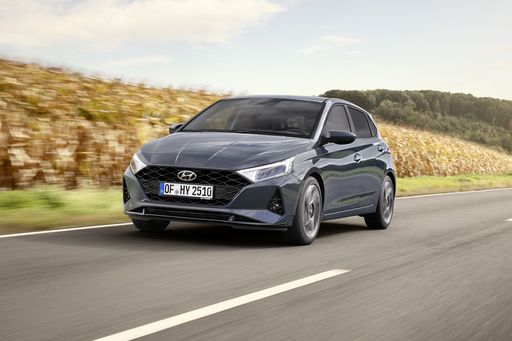
The Hyundai i20 Hatchback impresses with 90 HP and an attractive starting price of 18600 £ . Here are all the details at a glance.

from about £18,600
i20

Hyundai i20

  • Engine Type : Petrol
  • Transmission : Manuel, Automatic
  • Drive Type : Front-Wheel Drive
  • Power HP : 90 HP
  • Consumption L/100km : 5.70 L

Design & Presence

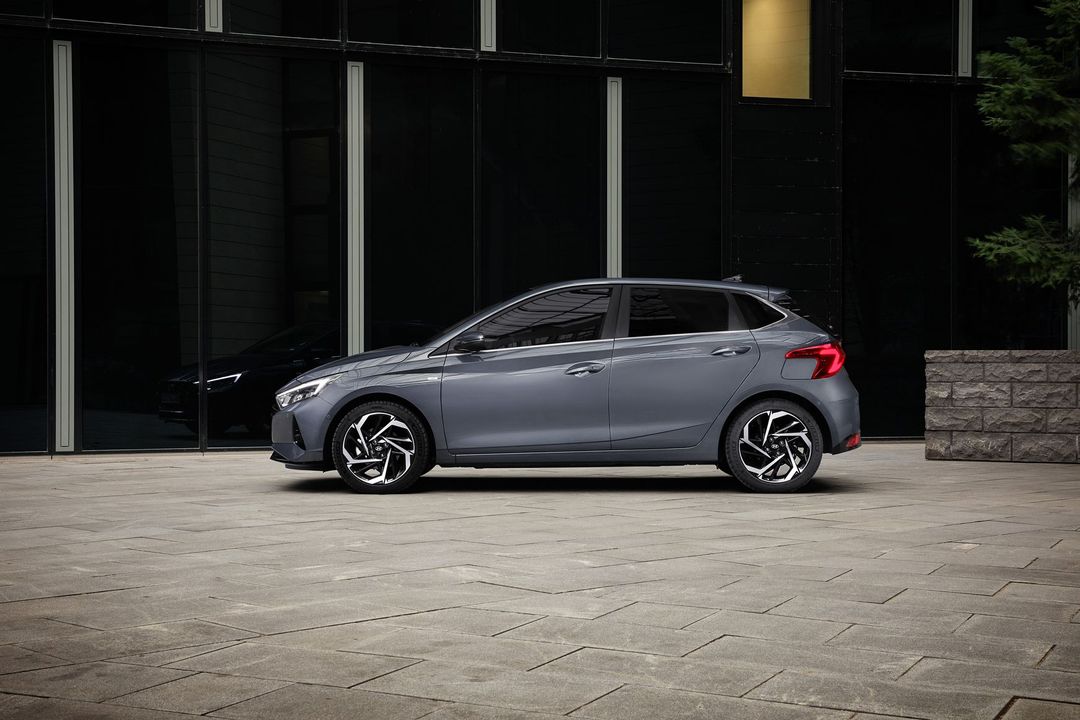
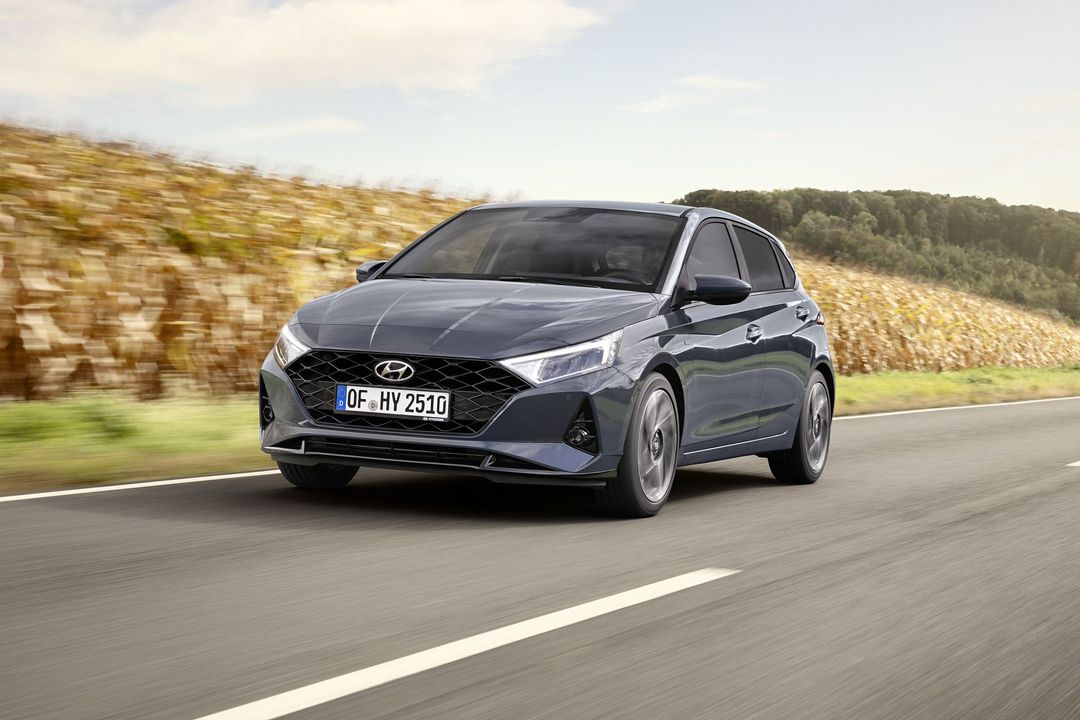
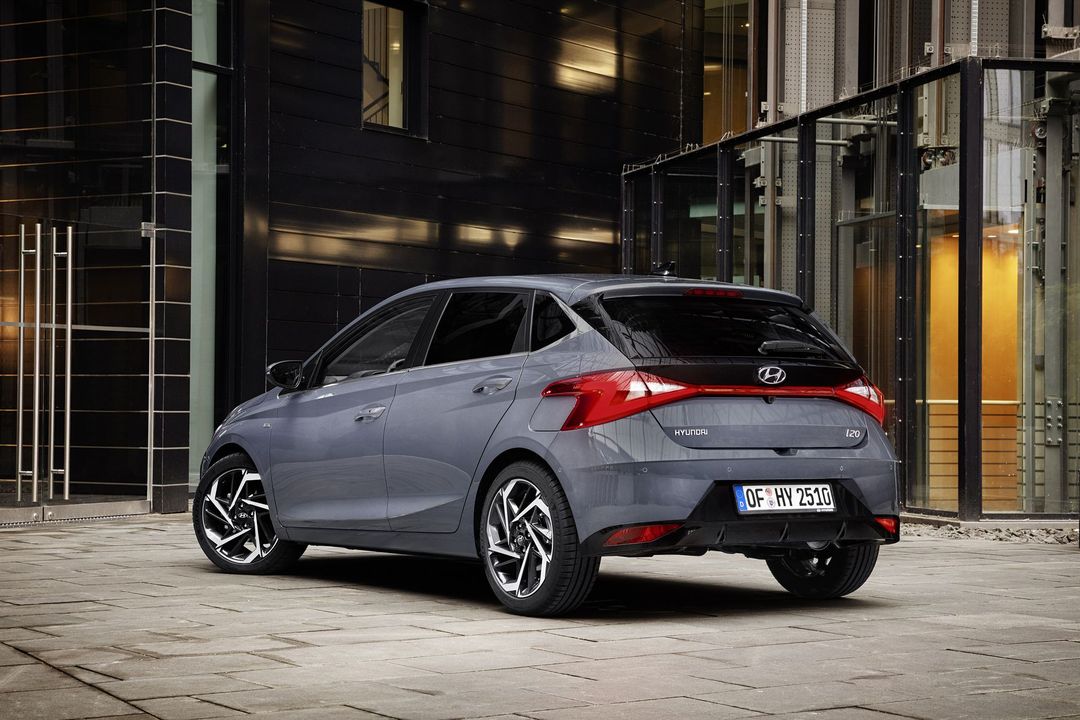
The Hyundai i20 wears sharper lines than its predecessor, with a neatly sculpted bonnet and a compact, confident stance that suits city streets and supermarket car parks equally well. At about 4.07 m long and 1.78 m wide it looks sporty without being shouty, and the short overhangs make it feel smaller than it actually is when manoeuvring. The styling mixes practical hatchback proportions with a few premium touches so it stands out in a crowded small-car class. Overall, it projects the kind of modern, slightly cheeky personality buyers want from a small family hatch.
Interior & Usability

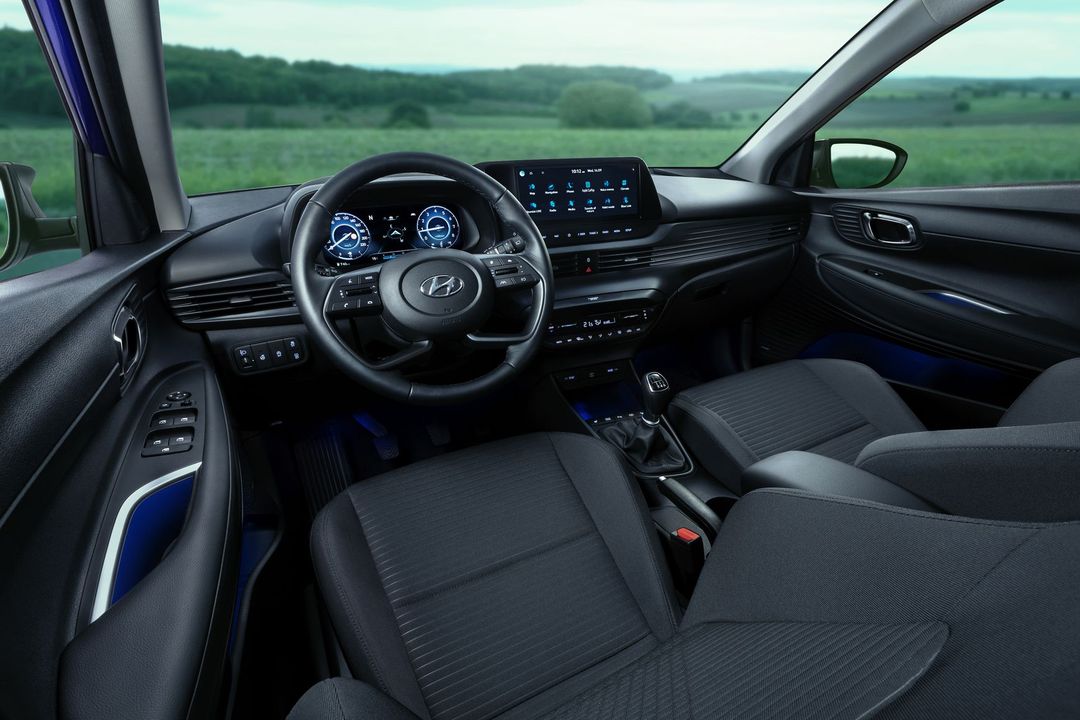
The cabin blends practical ergonomics with materials that punch above the class—soft surfaces where hands land and durable plastics elsewhere—so daily wear will be discreet. Controls are logical and visible, with an infotainment area that supports smartphone mirroring and clear climate controls that are easy to use without fuss. Visibility is good up front and the driving position suits taller drivers thanks to a sensible seat range of adjustment. Small storage cubbies, a 40-litre fuel tank and sensible switchgear keep day-to-day life simple and functional.

Space & Everyday Practicality

Boot space measures a useful 352 litres with the rear seats up and expands to a maximum of 1,165 litres with seats folded, which is plenty for weekly grocery runs, a pushchair or weekend luggage for two. Five seats are standard, and rear legroom and headroom are competitive for the class, accommodating school bags and booster seats without gymnastics. Payloads around 450–472 kg mean the i20 handles heavier loads without feeling strained. Clever details like split-folding rear seats and flat load floor options make loading awkward items straightforward.

Driving & Handling

The i20’s driving character is urbane rather than athletic: steering is light and precise for city manoeuvres, the suspension soaks up broken surfaces with composure, and the chassis rewards confident cornering without being nervous. The current range includes small turbo 1.0 T-GDI units making about 100 hp and a naturally aspirated 79 hp 1.2 engine, available with manual or dual-clutch automatic gearboxes, delivering 0–100 km/h times in the region of 11–13.7 seconds depending on spec. On short trips the 100 hp turbo feels brisk enough for overtakes and motorway merging, while the 79 hp engine is best suited to relaxed urban use. Overall, the i20 balances comfort and composure — ideal for everyday commuting with the odd sporty moment.

Efficiency, Consumption & Range

Official combined consumption figures sit around 5.2–5.3 L/100 km, with CO2 around 119–121 g/km, which translates to low running costs in mixed driving. With a 40-litre tank that equates to a theoretical combined range near 700–750 km, though real-world urban use will be a bit higher per 100 km. Expect mid-to-high single-digit consumption in town and the quoted figures or slightly better on steady A-road runs. For buyers focused on economy, the smaller engines and light curb weights keep fuel bills competitive versus larger alternatives.

Assistance & Infotainment

The i20 comes with a modern suite of driver aids aimed at safety and convenience, including autonomous emergency braking, lane-keeping assistance and adaptive cruise options on higher trims, which make motorway driving less tiring. Infotainment supports smartphone integration for Apple CarPlay and Android Auto and the interface is responsive enough for everyday use, with clear menus and easy pairing. Parking sensors and a reversing camera are available and useful in tight urban spaces, while connected services add useful real-time information on navigation in higher-spec cars. The tech package is practical rather than flashy, prioritising usability over gimmicks.

Who is it for?

The Hyundai i20 is targeted at city dwellers, small families and first-time buyers who want a compact hatch that feels grown-up in finish and functionality without breaking the bank. It offers sensible space, good fuel economy and enough performance from the 100 hp turbo for most drivers, while lower-powered versions suit purely urban use and budget-focused buyers. Practicality, low running costs and a reassuring equipment list make it a strong contender in the supermini segment. Those wanting maximum performance or luxury should look elsewhere, but for everyday use the i20 is a smart, well-rounded choice.

Costs and Consumption

Price
18600 - 24000 £
Consumption L/100km
5.70 L
Consumption kWh/100km
-
Electric Range
-
Battery Capacity
-
co2
128 - 129 g/km
Fuel tank capacity
-

Dimensions and Body

Body Type
Hatchback
Seats
5
Doors
-
Curb weight
1145 - 1170 kg
Trunk capacity
352 L
Length
-
Width
1775 mm
Height
-
Max trunk capacity
-
Payload
455 - 465 kg

Engine and Performance

Engine Type
Petrol
Transmission
Manuel, Automatic
Transmission Detail
Manual Gearbox, Dual-Clutch Automatic
Drive Type
Front-Wheel Drive
Power HP
90 HP
Acceleration 0-100km/h
11.5 - 12.8 s
Max Speed
-
Torque
172 Nm
Number of Cylinders
3
Power kW
66 kW
Engine capacity
998 cm3

General

Model Year
2025
CO2 Efficiency Class
D
Brand
Hyundai
What drivetrain options does the Hyundai i20 have?

The Hyundai i20 is offered with Front-Wheel Drive.

The prices shown are estimates based on German list prices, adjusted for local VAT. Local registration taxes (e.g. NoVA, BPM or CO2 malus) are not included. This information is not legally binding.