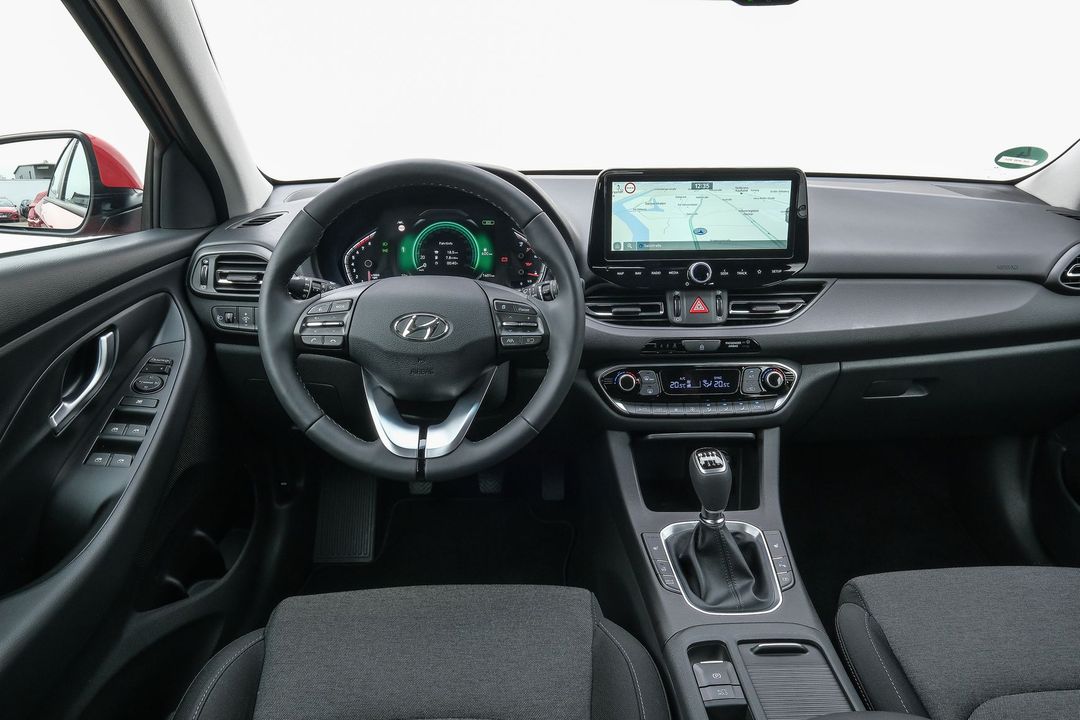
Hyundai i30 Wagon Estate, starting at 24800 £

4.3 (2 Reviews)
rate

The Hyundai i30 Wagon Estate impresses with 140 HP and an attractive starting price of 24800 £ . Here are all the details at a glance.

from about £24,800
i30 Wagon

Hyundai i30 Wagon

  • Engine Type : Petrol, Petrol MHEV
  • Transmission : Manuel, Automatic
  • Drive Type : Front-Wheel Drive
  • Power HP : 100 - 140 HP
  • Consumption L/100km : 5.7 - 6 L

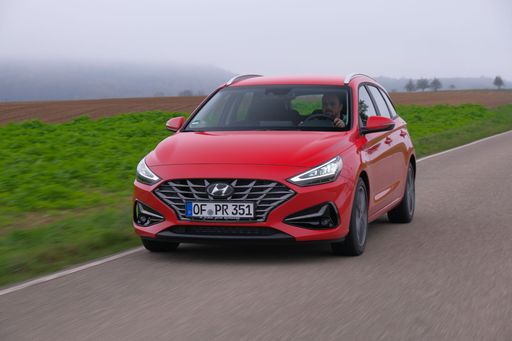
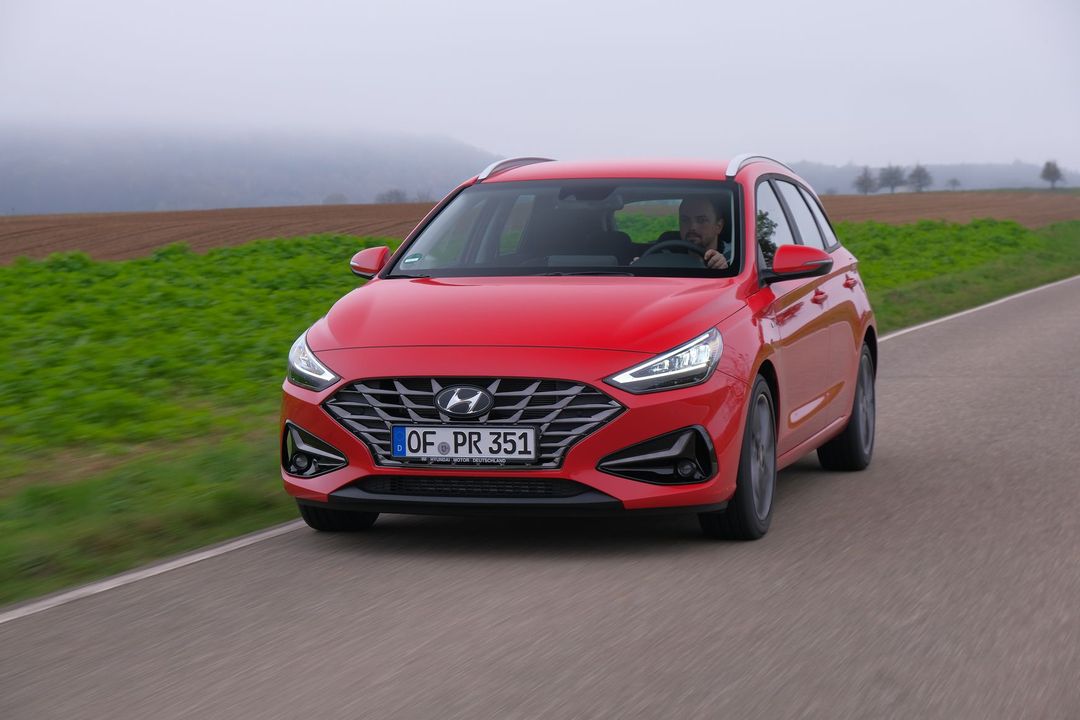
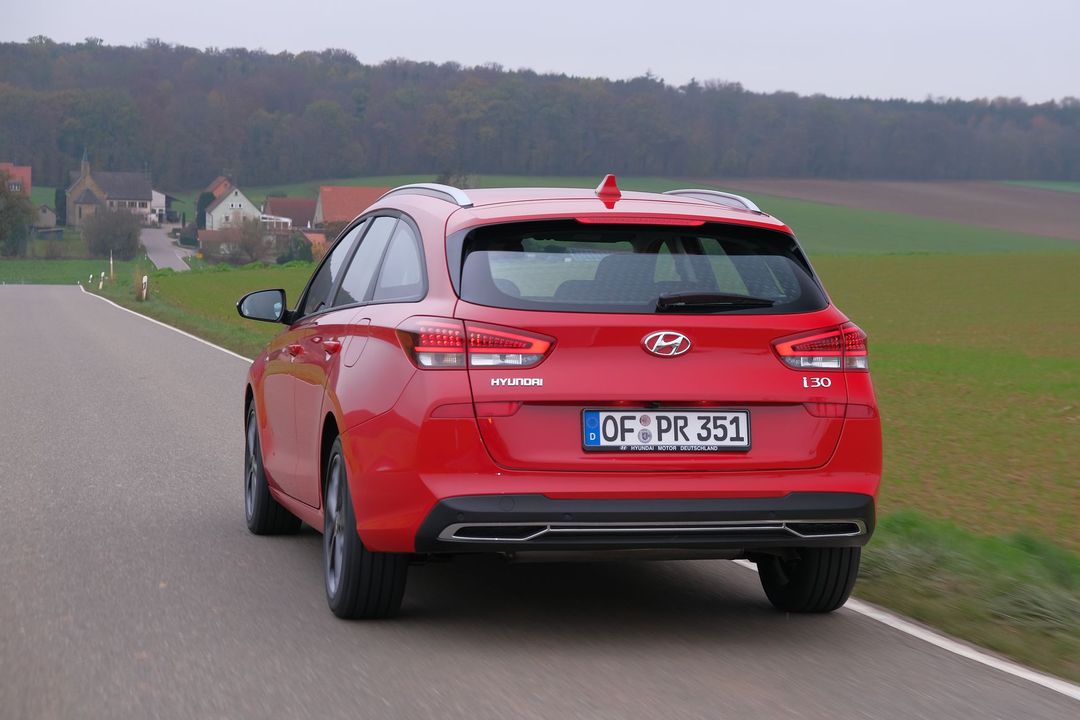
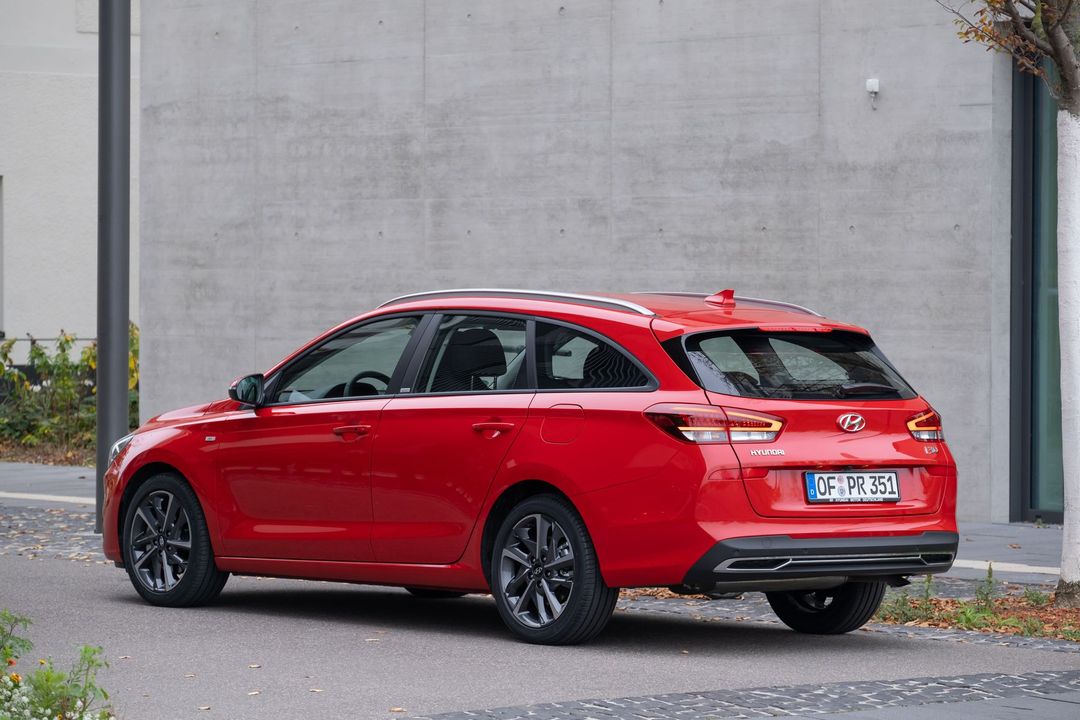
< h2 >Street Cred and Wagon Charm < p >The < strong >Hyundai i30 Wagon wears its practicality with a tidy, modern face rather than shouty SUV bulk, and the long roofline keeps proportions neat at 4,585 mm overall length. Clean creases, a purposeful grille and sharp lighting give it a grown-up presence that reads more premium than its price tag suggests. At 1,795 mm wide the car feels stable on the road without looking oversized in town. The silhouette is classic estate — discreet, useful and less ostentatious than many crossovers. < h2 >Cabin Feel: Simple, Well-Pitched, Useful < p >Inside the i30 Wagon the layout is familiar Hyundai: logical controls, comfortable seats and generally good fit-and-finish for the class, with soft-touch surfaces where it counts and sensible plastics elsewhere. The seating position is relaxed and supportive for longer drives, and the dash design keeps distractions to a minimum while offering a clear view of the instruments. Infotainment and climate controls sit within easy reach and the interior avoids gimmicks in favour of everyday usability. Five seats are standard and the cabin feels roomy enough for adults without feeling cavernous. < h2 >Boot Space That Does the Heavy Lifting < p >Boot capacity is a practical headline figure at 602 litres with the rear seats up and expands to a maximum of 1,650 litres when folded, so weekly shopping, a pushchair or weekend kit are all handled without drama. The 50-litre fuel tank and decent payload allowance (up to around 524 kg on some versions) make it a sensible family car for longer trips and errands. The low loading lip and square tailgate aperture make loading bulky items straightforward. Overall the i30 Wagon delivers the kind of flexible luggage space families expect from an estate without resorting to roofboxes for most chores. < h2 >On the Road: Calm and Predictable < p >Engine choices cover a punchy 140 hp 1.5 T-GDI 48V mild-hybrid and a more modest 100 hp 1.0 T-GDI, both front-wheel drive with manual or dual-clutch automatic options, so buyers can prioritise economy or a bit more pep. Acceleration ranges from about 13.3 seconds for the 100 hp variant to roughly 9.8–9.9 seconds for the 140 hp mild-hybrid, which makes the stronger engine noticeably more relaxed on motorways and overtakes. Ride quality favours comfort over razor-sharp handling, with composed body control and steering that’s light at low speeds for town driving yet communicative enough on B-roads. The overall character is engineered for predictable, unflustered daily use rather than sporty thrills. < h2 >Fuel Numbers That Make Sense < p >Official consumption figures sit in the mid-five litres per 100 km window — roughly 5.7–6.0 L/100 km depending on engine and gearbox — which translates into a theoretical mixed-range of about 830–880 km from the 50-litre tank. In everyday mixed driving expect slightly higher real-world usage, particularly with heavier loads or spirited motorway runs, but the mild-hybrid 1.5 version helps blunt city stop-start penalties. CO2 emissions cluster around the low-130s g/km, putting the wagon into sensible tax and running-cost territory for most buyers. Overall the i30 Wagon aims to balance fuel economy with usable performance rather than chase headline economy figures. < h2 >Tech and Aids That Keep Things Simple < p >The i30 Wagon offers a contemporary complement of driver aids and infotainment typical for the segment, including adaptive cruise control, lane-keeping assistance and parking sensors or camera options that simplify everyday motoring. Infotainment supports smartphone mirroring and is presented on a clear touchscreen layout with optional larger displays and digital instrument clusters on higher trims. The assistance systems are calibrated for convenience rather than semi-autonomous theatrics, improving comfort on long runs and in traffic. Safety equipment levels and interface quality make it an easy family choice without a steep learning curve. < h2 >Who Should Buy One? < p >This wagon suits buyers who want the practicality of an estate — 602 litres of luggage space and a max 1,650 litres — without stepping up to an SUV’s height or fuel penalty, so families, weekenders and commuters will find it especially appealing. The 100 hp 1.0 petrol is a sensible pick for city-focused drivers and those prioritising low purchase cost, while the 140 hp 1.5 mild-hybrid is the better all-rounder for motorway flexibility and smoother overtakes. With tidy looks, solid interior quality and straightforward technology the i30 Wagon is a pragmatic, well-rounded choice for buyers who value function, comfort and conservative running costs.

Costs and Consumption

Price
24800 - 30100 £
Consumption L/100km
5.7 - 6 L
Consumption kWh/100km
-
Electric Range
-
Battery Capacity
-
co2
130 - 136 g/km
Fuel tank capacity
50 L

Dimensions and Body

Body Type
Estate
Seats
5
Doors
5
Curb weight
1316 - 1461 kg
Trunk capacity
602 L
Length
4585 mm
Width
1795 mm
Height
1475 mm
Max trunk capacity
1650 L
Payload
439 - 524 kg

Engine and Performance

Engine Type
Petrol, Petrol MHEV
Transmission
Manuel, Automatic
Transmission Detail
Manual Gearbox, Dual-Clutch Automatic
Drive Type
Front-Wheel Drive
Power HP
100 - 140 HP
Acceleration 0-100km/h
9.8 - 13.3 s
Max Speed
178 - 197 km/h
Torque
172 - 253 Nm
Number of Cylinders
3 - 4
Power kW
74 - 103 kW
Engine capacity
998 - 1482 cm3

General

Model Year
2024
CO2 Efficiency Class
D, E
Brand
Hyundai
What drivetrain options does the Hyundai i30 Wagon have?

Available configurations include Front-Wheel Drive.

The prices shown are estimates based on German list prices, adjusted for local VAT. Local registration taxes (e.g. NoVA, BPM or CO2 malus) are not included. This information is not legally binding.