Jeep Avenger SUV, starting at 22,500 £

4.1 (9 Reviews)
rate

The Jeep Avenger mixes rugged styling with a compact, city‑friendly footprint that makes it easy to maneuver while keeping Jeep’s adventurous character. Inside it offers a practical, modern cabin with sensible tech and comfort aimed at everyday driving and light weekend getaways.

Reviews & community

All real reviews and experiences about the Jeep Avenger in one place.

To community

Technical data, trims & prices

All technical data, dimensions and equipment details of this model at a glance.

To technical data

Alternative car models

Discover similar models and possible alternatives to this vehicle.

To alternatives

from £22,500
Avenger

Jeep Avenger

  • Engine Type Petrol MHEV, Electric, Petrol
  • Transmission Automatic, Manuel
  • Drive Type Front-Wheel Drive, All-Wheel Drive
  • Power HP 100 - 156 HP
  • Consumption L/100km 4.9 - 5.7 L/100km
  • Consumption kWh/100km 15.5 kWh/100km
  • Electric Range 400 km

Urban Armor, Jeep Attitude

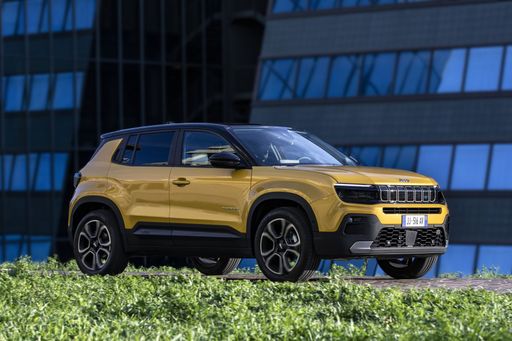
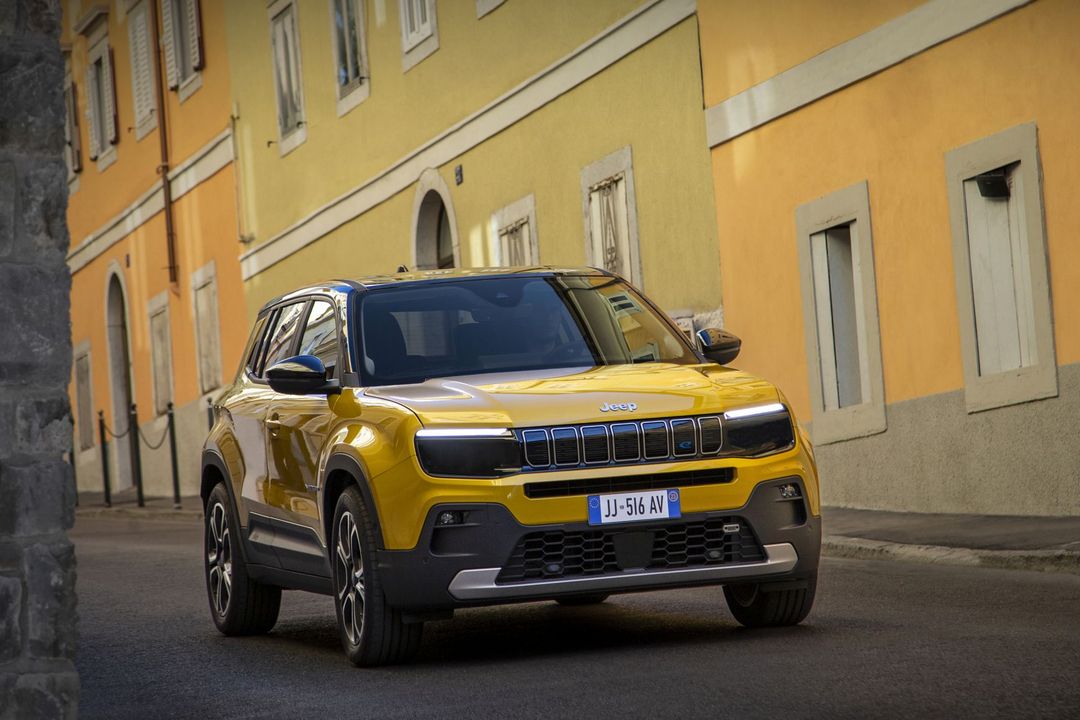
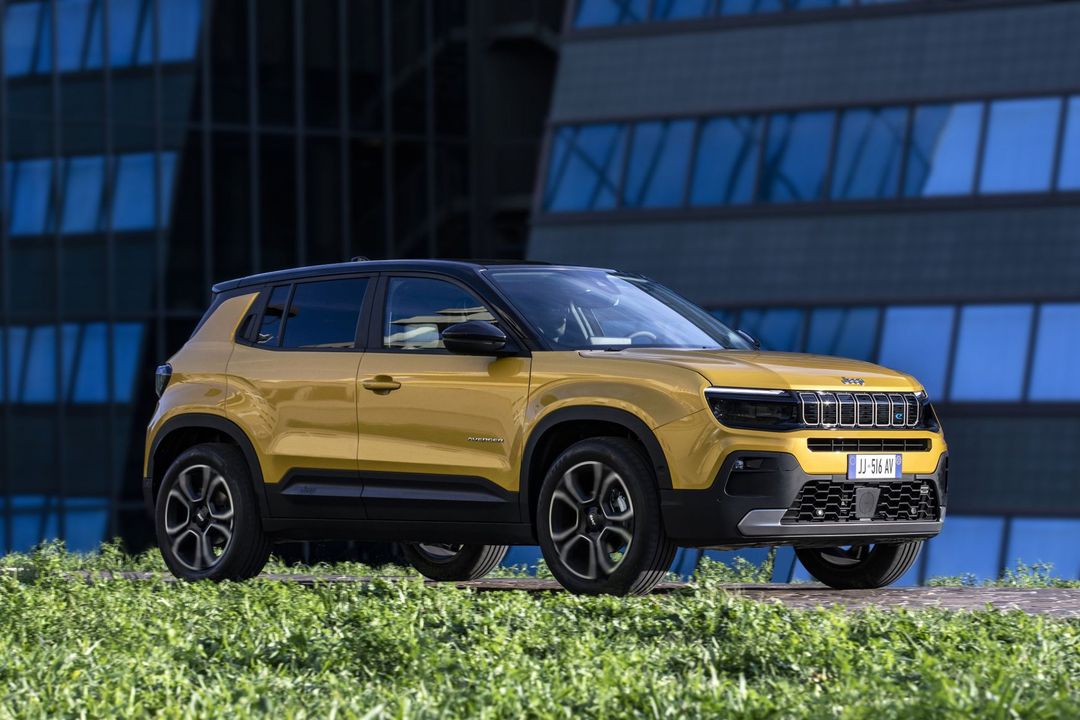
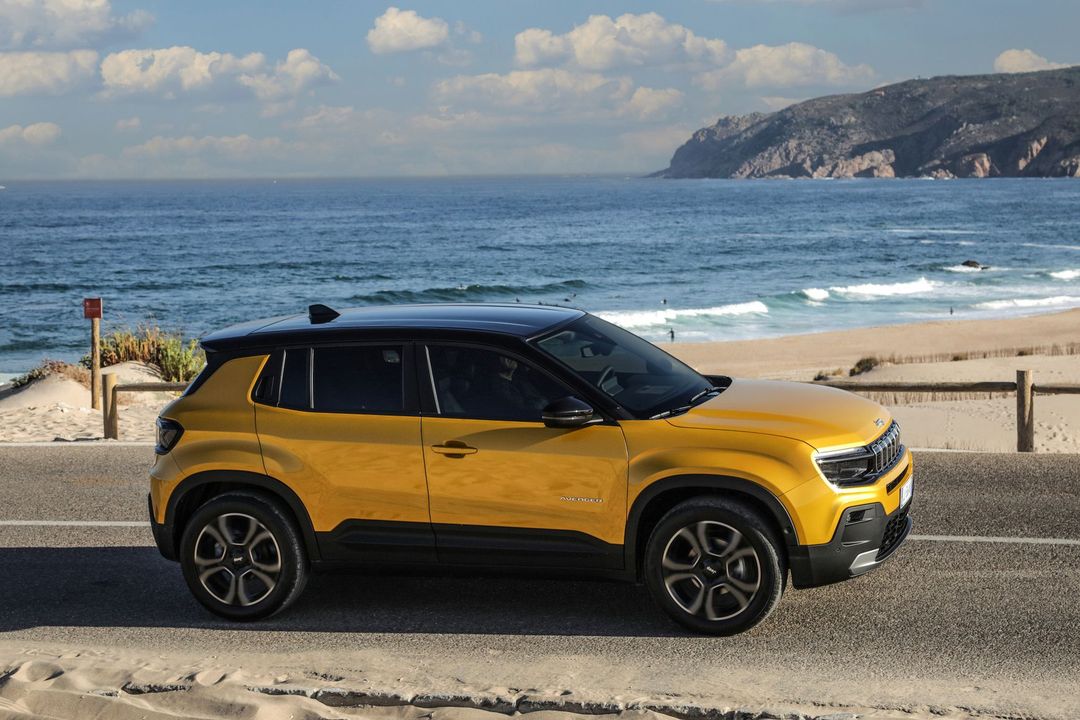
The Jeep Avenger wears classic Jeep cues on a city‑friendly scale, with a chunky grille, squared arches and protective cladding that shrugs off parking scuffs. It looks purposeful without pretending to be a rock crawler, and the upright bonnet makes it easy to place in tight streets. Short overhangs and tidy proportions help it fit into small spaces that flummox larger crossovers. It is a confident, characterful design that stands out in a sea of rounded B‑SUVs. If you want a bit of adventure vibe with everyday practicality, this hits the brief.
Small Footprint, Big Practical Ideas

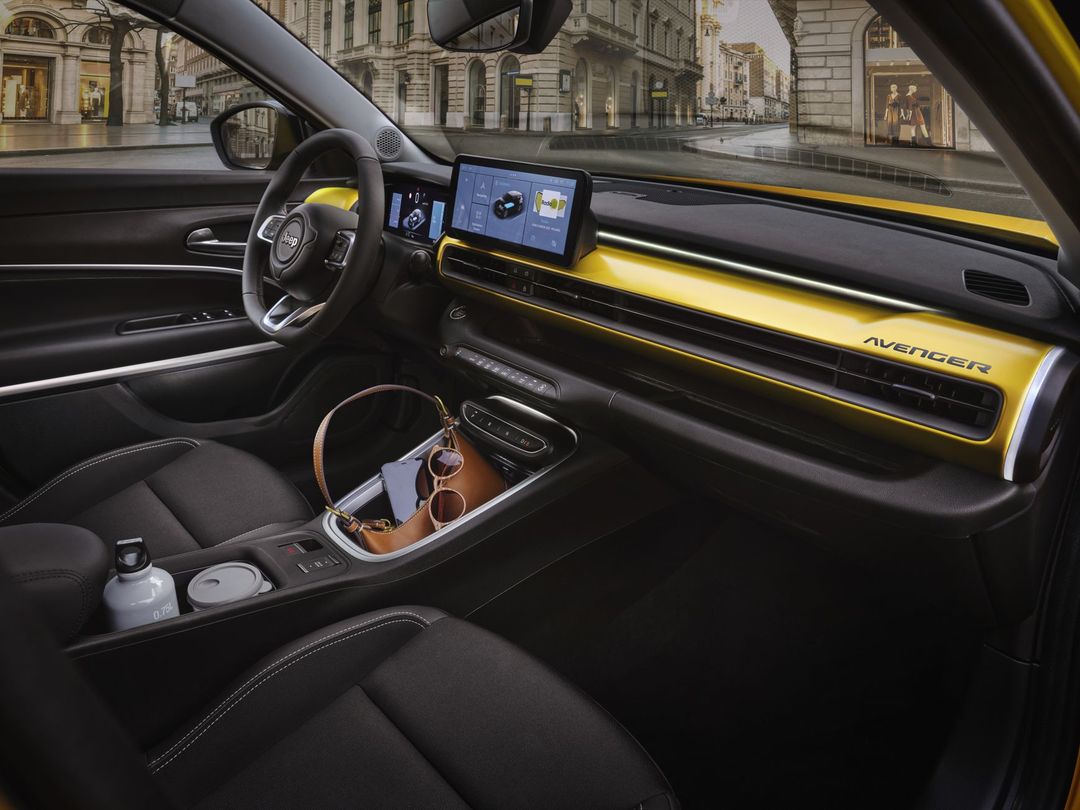
Inside, the Avenger focuses on simple use and stress‑free commuting rather than luxury. You get clear instruments, physical climate buttons and generous front storage, including a long shelf across the dash for phones and odds and ends. Material quality is solid but functional, with noticeable hard plastics, especially in the rear, which keeps durability high but dents the premium feel. The touchscreen is straightforward to navigate and supports Apple CarPlay/Android Auto, though some cars show occasional lag. Up front, space and visibility are excellent, and the high seating position inspires confidence in busy traffic.

Back‑Seat Reality Check

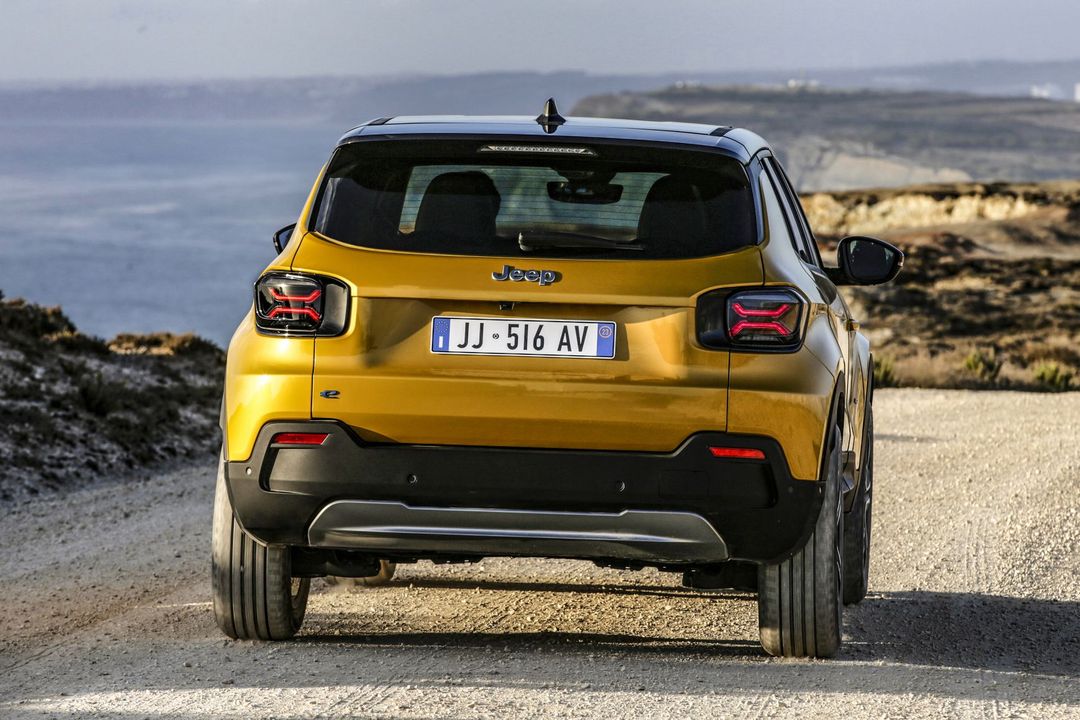
The second row is usable for kids or shorter adults, but knee and legroom are tight for taller passengers, and three across is best kept to short trips. The boot is practical in shape with a wide, square opening and, depending on trim, a height‑adjustable floor for a flatter load lip. Capacity sits at 355–380 liters depending on version, which is fine for a weekly shop or a couple of cabin bags but trails the roomiest rivals. Isofix points front and rear help family duty, yet the cabin’s overall width and rear headroom limit long‑distance comfort for five. Visibility is great forward; broader C‑pillars mean you’ll appreciate the standard parking sensors and camera when reversing.

Calm Over Speed: The Way It Drives

The Avenger is tuned for comfort, gliding over speed bumps and cracked city asphalt with a gentle, well‑damped ride. Light steering makes it exceptionally easy to thread through traffic and slot into parking spaces, and the tight turning circle (about 10–10.5 meters) is genuinely handy. Through bends it stays predictable rather than playful, with some body movement that suits its relaxed brief. Motorway stability is secure, though wind noise can rise at higher speeds compared with the class best. It is an easy car to live with, prioritizing smooth progress over sportiness.

Pick Your Propulsion

The lineup covers a 1.2‑liter turbo petrol with 100 hp and a manual gearbox, a 110‑hp 1.2 mild-hybrid with a dual‑clutch automatic, and a 156‑hp electric version. Performance is adequate across the board, with 0–100 km/h ranging from about 10.6 seconds (100‑hp manual) to roughly 9.0 seconds (EV), the latter helped by 260 Nm of instant torque. The petrols drive the front wheels and offer simple, affordable commuting; the hybrid adds low‑speed electric assistance for smoother pull‑away and lower urban consumption. Official fuel use sits around 5.7 L/100 km for the 100‑hp manual and about 4.9 L/100 km for the 110‑hp hybrid, translating to frugal real‑world city running if you drive gently. All versions are front‑wheel drive, which keeps weight and complexity in check while suiting the Avenger’s urban focus.

Real‑World Efficiency & Range

The electric Avenger claims a WLTP electric range of up to 400 km and 15.5 kWh/100 km, with real‑world mixed driving typically landing around 300–360 km depending on temperature, speed and wheels. On the motorway the range drops faster, and the EV is limited to 150 km/h, so frequent high‑speed runs are not its forte. DC charging peaks at up to around 100 kW, meaning a 20–80% top‑up can take roughly 25–30 minutes in good conditions, while the 11 kW AC onboard charger suits home or workplace wallboxes. Petrol drivers can expect low‑to‑mid 5s L/100 km on gentle mixed routes, rising in heavy city or fast motorway use. In day‑to‑day terms, the EV excels in city and regional commutes, while the petrols keep fueling simple for longer trips or limited charging access.

Buttons, Bytes and Blind Spots

The 10.25‑inch touchscreen is cleanly laid out and pairs easily with smartphones, and the presence of real buttons for climate takes the edge off screen dependence. Some testers report sluggish responses and a few odd control placements, and EV drivers may find the D/B recuperation toggle less ergonomic than rivals. Driver‑assistance coverage is competitive on paper, with adaptive cruise and lane support available, but tuning can feel inconsistent from test to test. Safety rating is a talking point: Euro NCAP awarded three stars in 2024, citing shortcomings in some AEB and assistance scenarios. A thorough test drive with your typical routes and features is wise to confirm you like the interface and assistance behavior.

Who Should Choose It?

This is a strong match for city‑first drivers who want the style and stance of a Jeep in a compact, easy‑to‑park package. The EV suits cost‑conscious commuters with reliable home or workplace charging, while the petrol and hybrid options keep costs predictable for mixed use. Families with small children will manage fine, but those needing generous rear space or frequent five‑up travel may want to look at larger options. Safety‑focused buyers should note the 2024 three‑star result, and heavy motorway users may prefer alternatives with higher cruising refinement and speed. For most urban and suburban routines, the Avenger delivers a relaxed drive, useful tech and distinctive character in the B-SUV class.

Costs and Consumption

Price
22,500 - 36,800 £
Consumption L/100km
4.9 - 5.7 L/100km
Consumption kWh/100km
15.5 kWh/100km
Electric Range
400 km
Battery Capacity
-
co2
0 - 129 g/km
Fuel tank capacity
-

Dimensions and Body

Body Type
SUV
Seats
5
Doors
-
Curb weight
1,180 - 1,520 kg
Trunk capacity
325 - 380 L
Length
-
Width
1,776 mm
Height
-
Max trunk capacity
-
Payload
490 - 502 kg

Engine and Performance

Engine Type
Petrol MHEV, Electric, Petrol
Transmission
Automatic, Manuel
Transmission Detail
Dual-Clutch Automatic, Reduction Gearbox, Manual Gearbox
Drive Type
Front-Wheel Drive, All-Wheel Drive
Power HP
100 - 156 HP
Acceleration 0-100km/h
9 - 10.6 s
Max Speed
-
Torque
205 - 260 Nm
Number of Cylinders
3
Power kW
74 - 115 kW
Engine capacity
1,199 cm3

General

Model Year
2026
CO2 Efficiency Class
C, A, D
Brand
Jeep
Is the Jeep Avenger offered with different drivetrains?

The Jeep Avenger is offered with Front-Wheel Drive or All-Wheel Drive.

DriveDuel uses data analysis and artificial intelligence to evaluate vehicle data and create content. Content is regularly reviewed and improved. The displayed prices are estimates based on German list prices, adjusted to the respective country’s VAT. Country-specific registration taxes are not included. This information is not legally binding.