Lexus RZ alternatives & comparisons

Here you can find alternatives to the Lexus RZ, based on existing comparison pages and popular model matchups. We currently show 6 suitable models as a starting point for your buying decision.

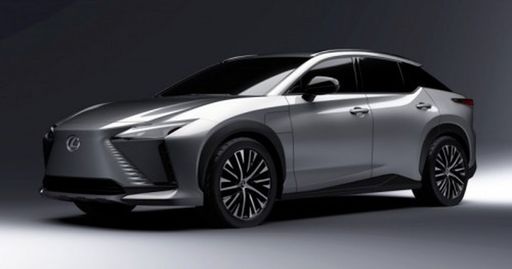
Lexus RZ

Alternative models

These models are frequently compared with the Lexus RZ and are good next research steps.

from £42,800
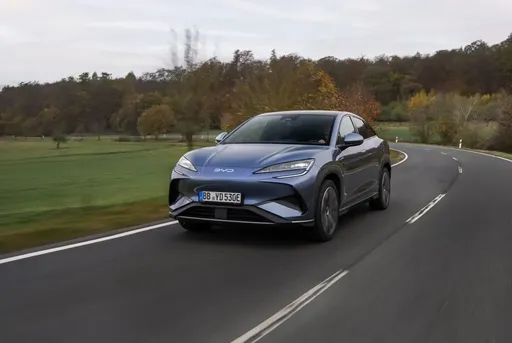
Sealion 7

BYD Sealion 7

  • Engine Type Electric
  • Transmission Automatic
  • Drive Type Rear-Wheel Drive, All-Wheel Drive
  • Power HP 313 - 530 HP
  • Consumption kWh/100km 19.9 - 21.9 kWh/100km
  • Electric Range 456 - 502 km

BYD Sealion 7 as a suitable alternative to Lexus RZ

Comparing the Lexus RZ and the BYD Sealion 7 pits a premium, tech-forward luxury EV against an aggressively priced, feature-packed newcomer that challenges value and range expectations. I’ll walk you through the key differences in driving character, efficiency, interior quality and ownership costs so you can pick the right electric for your priorities.

The BYD Sealion 7 is a sleek electric wagon that blends sporty styling with surprising practicality, making it a compelling choice for drivers who want something different from the usual hatchback or SUV. Its refined interior and composed road manners give it an upscale feel, while clever packaging keeps it versatile for daily use.

Quick data check: BYD Sealion 7

  • markedly more efficient
  • a bit more electric range
  • very slightly quicker 0–100 km/h
  • slightly lighter
  • barely more trunk space
  • slightly cheaper
  • visibly more power
from £36,000
C-HR+

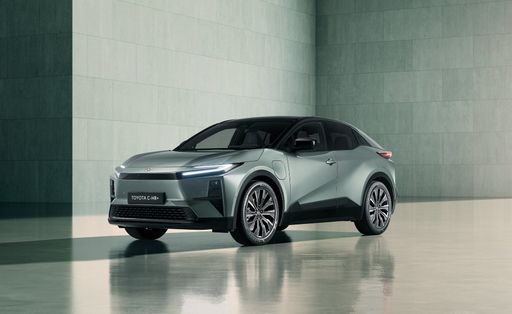
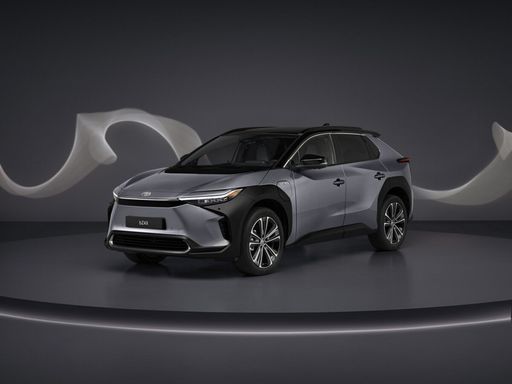
Toyota C-HR+

  • Engine Type Electric
  • Transmission Automatic
  • Drive Type Front-Wheel Drive, All-Wheel Drive
  • Power HP 167 - 343 HP
  • Consumption kWh/100km 13.4 - 15.5 kWh/100km
  • Electric Range 458 - 607 km

Toyota C-HR+ as a suitable alternative to Lexus RZ

The Lexus RZ and Toyota C‑HR+ go head-to-head in a neat showdown of plush electric luxury versus quirky, efficient practicality — one aims for serene, tech-laden refinement, the other hustles value with style. Deciding between them comes down to taste and wallet: do you crave silent sophistication or clever economy with a personality?

The Toyota C‑HR is a distinctive crossover that pairs bold, coupe‑like styling with a comfortable, composed ride suited to daily city and suburban driving. It appeals to buyers who value standout design, practical cabin packaging and a refined, easy‑to‑use experience rather than outright performance or rugged off‑road ability.

Quick data check: Toyota C-HR+

  • somewhat more power
  • a bit quicker 0–100 km/h
  • markedly more trunk space
  • noticeably cheaper
  • barely more efficient
  • barely more electric range
  • moderately lighter
from £45,400
7X

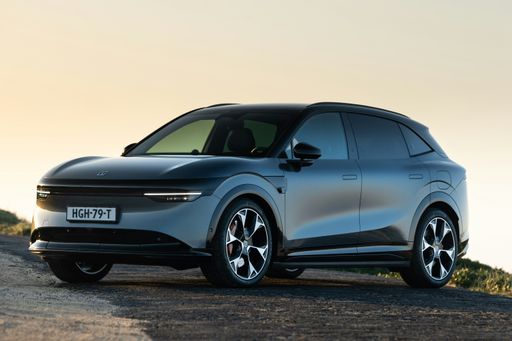
ZEEKR 7X

  • Engine Type Electric
  • Transmission Automatic
  • Drive Type Rear-Wheel Drive, All-Wheel Drive
  • Power HP 421 - 646 HP
  • Consumption kWh/100km 17.7 - 19.9 kWh/100km
  • Electric Range 480 - 615 km

ZEEKR 7X as a suitable alternative to Lexus RZ

Lexus RZ vs ZEEKR 7X — two very different approaches to electric SUVs: the RZ is Lexus’s luxury, comfort-first entry into the midsize EV market, while the ZEEKR 7X is aimed at value-conscious buyers who need maximum space and tech for a family-sized package. Below I compare the two on the things that matter to real buyers so you can decide which fits you best. Quick summary - Lexus RZ: Premium, refined, quiet, and focused on comfort, materials and a reassuring dealer/service network. Best if you prioritise luxury, interior quality and brand-backed ownership experience. - ZEEKR 7X: Roomy, family-focused and tech-forward with strong value for money and flexible seating. Best if you need seven seats, lots of usable space and cutting-edge infotainment/features at a lower price. Space and practicality - ZEEKR 7X: Designed for families — expect genuine three-row seating, flexible second-row arrangements and large cargo capacity when the rear seats are folded. Practical details (cupholders, storage nooks, ISOFIX points) tend to be plentiful. - Lexus RZ: Two-row layout with roomy front and rear seats, but no seven-seat option. Cabin packaging emphasizes passenger comfort and luxury finishes rather than maximum cubic meters. Comfort and refinement - Lexus RZ: Strong advantage here — quiet cabin insulation, plush seats, premium materials and a suspension tuned for composed, comfortable cruising. Fit and finish typically superior, with a luxury feel in daily use. - ZEEKR 7X: Comfort is good but less plush than Lexus; materials and finish have improved a lot for recent Chinese premium EVs, but the overall feel is more practical than indulgent. Performance and driving - Lexus RZ: Tuned for composed, predictable handling and a smooth power delivery. Expect refined steering, suspension calibrated for comfort, and advanced driver aids that emphasize a relaxed experience. - ZEEKR 7X: Driving character will depend on powertrain choice, but generally focuses on usable everyday performance — brisk acceleration for highway merging and city driving, and heavier emphasis on straight-line oomph rather than luxury isolation. Range, charging and efficiency - ZEEKR 7X: Likely to offer larger battery options and fast-charging capability that give excellent range per dollar. Zeekr models typically push charging speeds and range figures aggressively for their segment. - Lexus RZ: Offering competitive range for its class but prioritises refinement over maximum efficiency. Charging performance is solid, and integration with Toyota/Lexus dealer networks can make charging/service logistics easier in some markets. Tech, infotainment and ADAS - ZEEKR 7X: Very tech-forward — large screens, connected services, frequent OTA updates and modern user interfaces aimed at younger buyers. Expect advanced infotainment features and flexible cabin tech. - Lexus RZ: Tech is high-quality and intuitive, with well-integrated driver-assist systems and a focus on safety and reliability. Lexus often emphasises a conservative, polished UX rather than flashy features. Ownership, aftersales and resale - Lexus RZ: Strong point — established dealer network, known reliability and resale values typical of Lexus/Toyota. Service experience and warranty support often feel more reassuring to buyers used to traditional marques. - ZEEKR 7X: Newer brand; warranty terms can be very generous and included services competitive, but long-term resale values and widespread dealer/service networks may be less predictable depending on your market. Price and value - ZEEKR 7X: Positioned to offer more space and kit for the money; likely to undercut the RZ on price while matching or exceeding spec in areas like battery size and tech. - Lexus RZ: Higher headline price reflecting badge premium, materials, refinement and dealer support. Value comes from the premium experience rather than raw spec per dollar. Who should choose which? - Choose the Lexus RZ if you value a quiet, luxurious cabin, top-tier build quality, traditional dealer support and a refined driving experience — and you don’t need seven seats. - Choose the ZEEKR 7X if you need genuine family-sized space (three rows), want more tech and range for your money, and are comfortable with a newer brand in exchange for strong value and feature count. What to do next - Test-drive both back-to-back with your typical family load and routes (highway, city, any long-range trips). Check real-world range with the trim/battery you’d buy. Confirm local pricing, incentives, warranty cover and dealer/service availability. If seven seats matter to you, verify adult legroom in row three and cargo with seats up. If you tell me which features matter most (range, seven seats, price ceiling, local service network), I can recommend the best trims to consider and specific trade-offs to watch for.

The Zeekr 7X blends sleek, coupe-like styling with a roomy, premium cabin, giving it a confident presence on the road. It pairs refined handling with advanced tech and driver aids, making it an appealing choice for buyers who want electric performance without sacrificing comfort.


Quick data check: ZEEKR 7X

  • clearly more efficient
  • visibly lighter
  • barely cheaper
  • clearly more power
  • very slightly more electric range
  • somewhat quicker 0–100 km/h
  • only slightly more trunk space
from £38,600
EV6

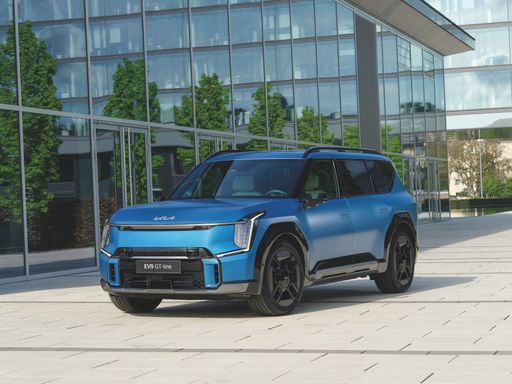
Kia EV6

  • Engine Type Electric
  • Transmission Automatic
  • Drive Type Rear-Wheel Drive, All-Wheel Drive
  • Power HP 170 - 609 HP
  • Consumption kWh/100km 15.9 - 20.9 kWh/100km
  • Electric Range 428 - 582 km

Kia EV6 as a suitable alternative to Lexus RZ

In the burgeoning electric vehicle sector, the Kia EV6 and Lexus RZ present compelling options for eco-conscious drivers. The EV6 stands out with its futuristic design and impressive range, making it a top contender for those seeking both efficiency and style. Meanwhile, the Lexus RZ offers a more luxurious feel, emphasizing comfort and advanced technology, catering to drivers who prioritize a premium driving experience.

The Kia EV6 looks like it sprinted off a concept stage, its bold, futuristic lines wrapping a surprisingly spacious and grown-up cabin. On the road it delivers crisp, immediate thrust and composed handling, with enough everyday practicality and slick tech to make ditching petrol feel like an upgrade rather than a compromise.

Quick data check: Kia EV6

  • barely more efficient
  • marginally more trunk space
  • visibly cheaper
  • noticeably more power
  • very slightly more electric range
  • noticeably quicker 0–100 km/h
  • marginally lighter
from £54,300
iX3

BMW iX3

  • Engine Type Electric
  • Transmission Automatic
  • Drive Type All-Wheel Drive, Rear-Wheel Drive
  • Power HP 320 - 469 HP
  • Consumption kWh/100km 14.6 - 15.1 kWh/100km
  • Electric Range 635 - 805 km

BMW iX3 as a suitable alternative to Lexus RZ

BMW iX3 vs Lexus RZ — two compact electric SUVs that take very different approaches: the iX3 leans on BMW’s driving DNA and efficiency, while the RZ prioritises cabin refinement, comfort and a distinctly Lexus ownership experience. Below I’ll compare the key areas you’ll notice day-to-day and tell you which car suits which buyer. Quick verdict - BMW iX3: Better if you want a more driver-focused EV with efficient packaging and sharper handling, plus competitive charging speeds. - Lexus RZ: Better if you want a quiet, comfortable, well-built interior, a more relaxed drive and Lexus’ reputation for attention to finish and ownership experience. Price and ownership - Pricing: Expect the iX3 to sit slightly lower or close to the RZ depending on market and trim. Lexus often positions the RZ at a premium for its perceived luxury and equipment. - Running costs: Both are EVs so fuel and maintenance costs are lower than ICE cars; Lexus historically holds value well and has a strong dealer/service reputation. BMW offers broad charging partnerships in many markets and typically competitive servicing packages for EVs. Performance and driving experience - iX3: Rear-wheel-drive bias (in many markets) gives a more engaging, balanced feel. Brisk mid-range acceleration and lighter steering make it feel closer to a conventional sporty SUV. Suspension is tuned for a mix of comfort and agility. - RZ: Tends to emphasise smoothness and composure. Many RZ variants feature dual motors/AWD for strong real-world traction and confident launch; steering and suspension tuning lean toward comfort and isolation rather than sharp handling. Lexus’ optional steer-by-wire system (market-dependent) changes steering character compared with a conventional system — try it before you buy. Range and charging - Battery and range: Both use batteries sized for competitive short-to-medium-range use (typically mid-200s miles WLTP/EPA equivalent varies by market and driving style). If absolute maximum range per charge is your priority, compare the specific advertised usable battery and official range for the exact trims/markets you’re considering. - Charging: Both support DC fast charging; BMW historically offers high peak charging capability and efficient thermal management, which helps on long trips. Lexus offers respectable charging but peak rates and real-world sustained speeds can be slightly lower than the best from BMW. Check manufacturer specs for the exact kW figures in your market. Interior, comfort and build quality - iX3: Interior is BMW-modern with driver-focused ergonomics, quality materials and a layout similar to the X3 but with EV touches. Expect good front-seat support and a practical, well-laid-out cockpit. - RZ: Lexus places a premium on materials, noise insulation and seat comfort — the RZ shines for quietness and a calm cabin atmosphere. Build and finish tend to be exceptional; infotainment and controls are improving but check the layout and ease-of-use for you. Practicality and cargo - Both sit in the compact SUV segment with usable rear seats and cargo areas. The iX3’s packaging is efficient and familiar; the RZ may sacrifice a little rear headroom or cargo space depending on drivetrain layout and battery packaging, so measure what you need (strollers, bikes, luggage) if cargo is critical. Technology and safety - Infotainment: BMW’s systems are mature, fast and well-integrated with digital driver displays. Lexus systems are improving and offer strong safety suites, but some users find menu logic or responsiveness less intuitive than BMW’s. - Driver aids: Both come with advanced driver assistance features and strong safety equipment; Lexus often includes many active safety features as standard, while BMW offers a wide menu of driver assist options. Reliability and ownership experience - Lexus: Strong reputation for reliability, build quality and a premium customer experience; dealer service tends to be consistent. - BMW: Good EV-specific aftersales in many regions; BMW’s experience with EVs is solid but dealer experiences can vary more by region. Pros and cons (short) - BMW iX3 - Pros: More engaging drive, efficient, good charging performance, practical layout. - Cons: Less of the “luxury cocoon” feel than Lexus; can be pricier once options chosen. - Lexus RZ - Pros: Superb cabin quietness and materials, comfortable ride, strong dealership/ownership experience. - Cons: Less engaging driving dynamics, slightly lower real-world charging or range in some conditions, some infotainment quirks. Who should buy which - Choose the BMW iX3 if: you want a more dynamic driving experience, better on-paper efficiency and faster charging, and you value a more conventional BMW driving feel. - Choose the Lexus RZ if: cabin comfort, quietness, premium finish and a relaxed, refined drive are your top priorities, and you value Lexus’ reputation for reliability and service. What to test-drive / inspect - iX3: pay attention to steering feel, mid-range acceleration, how the car charges at public DC chargers, and seat comfort on longer runs. - RZ: check cabin quietness at different speeds, comfort on rough roads, how the optional steer-by-wire feels (if fitted), and real-world charging speeds. For both: test one-pedal regen levels and the ease of pairing/using the infotainment system. Final pick guidance - If you want a more engaging, efficient EV with sharper handling, go iX3. If you prioritise a serene, premium cabin and a plush ownership experience, go RZ. If you’re undecided, test-drive both back-to-back on mixed roads (city, highway, twisting roads) and pay special attention to real-world range and charging behaviour for the journeys you’ll actually do. If you tell me which market you’re buying in and what range/price budget you have, I can narrow trims, expected ranges and give a market-specific recommendation.

The BMW iX3 is an electric SUV that delivers the composed, premium driving experience BMW buyers expect. With a calm, refined cabin and practical everyday usability, it’s a strong choice for those who want electric motoring without giving up luxury and comfort.

Quick data check: BMW iX3

  • slightly cheaper
  • slightly quicker 0–100 km/h
  • somewhat lighter
  • a bit more power
  • barely more efficient
  • visibly more electric range
from £42,300
iX1

BMW iX1

  • Engine Type Electric
  • Transmission Automatic
  • Drive Type Front-Wheel Drive, All-Wheel Drive
  • Power HP 204 - 313 HP
  • Consumption kWh/100km 14.3 - 15.7 kWh/100km
  • Electric Range 466 - 514 km

Quick data check: BMW iX1

  • noticeably more power
  • marginally more electric range
  • noticeably quicker 0–100 km/h
  • only slightly more trunk space
  • a bit cheaper
  • very slightly more efficient
  • marginally lighter
DriveDuel uses data analysis and artificial intelligence to evaluate vehicle data and create content. Content is regularly reviewed and improved. The displayed prices are estimates based on German list prices, adjusted to the respective country’s VAT. Country-specific registration taxes are not included. This information is not legally binding.