VS

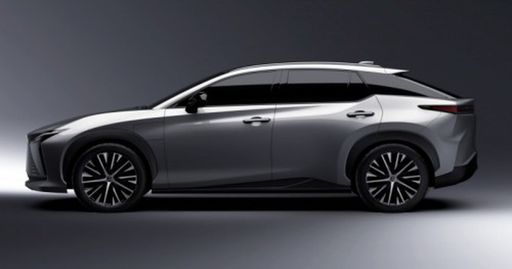
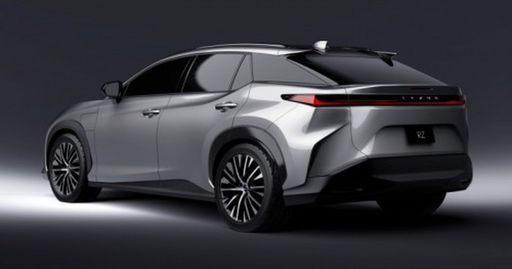
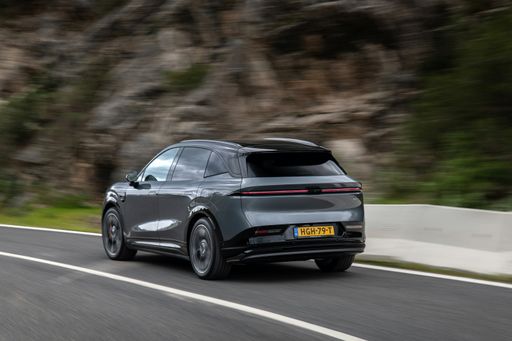
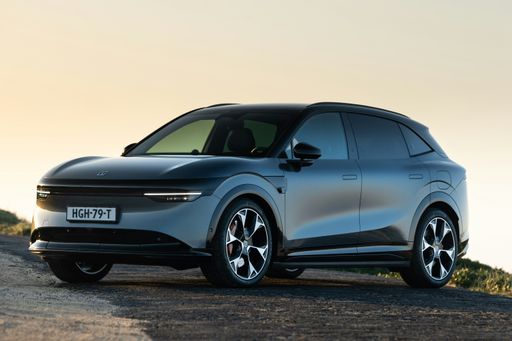
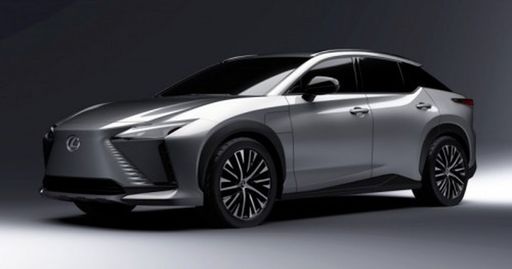
Lexus RZ vs ZEEKR 7X comparison

Compare performance (408 HP vs 646 HP), boot space and price (48,900 £ vs 45,400 £ ) at a glance. Find out which car is the better choice for you – Lexus RZ or ZEEKR 7X?

Lexus RZ vs ZEEKR 7X: Key differences

Lexus RZ

4.8 (2 Reviews)
rate
  • clearly more efficient
  • visibly lighter
details

ZEEKR 7X

4.7 (10 Reviews)
rate
  • barely cheaper
  • clearly more power
  • very slightly more electric range
  • somewhat quicker 0–100 km/h
  • only slightly more trunk space
details

All details on performance, efficiency, range and trunk space can be found in the technical comparison below – including user reviews for both models.

By Achim Sedelmaier

RZ

Lexus RZ vs ZEEKR 7X — quiet premium versus rapid‑charging practicality

The Lexus RZ and the ZEEKR 7X make very different cases for what a modern electric SUV should be: the Lexus leans into a hushed, premium experience while the Zeekr emphasizes space, charging speed and outright value. In everyday terms that means the Lexus feels like a calm hotel suite on wheels, and the Zeekr like a roomy, well‑equipped utility player that gets you back on the road faster. Both appeal to family buyers and long‑distance drivers, but they sell different promises — serenity versus minimal downtime. Reading this comparison should make it clear which promise matches how you plan to use the car most of the time.
7X

Character and driving feel

The Lexus RZ drives with a composed, unhurried character: precise balance and a refined damping bias make it feel secure rather than sporty. The ZEEKR 7X, by contrast, delivers stronger shove and a more energetic on‑demand feel, so overtakes and motorway accelerations happen with less drama. That extra performance in the ZEEKR comes with weight and a softer focus on razor‑sharp handling, so drivers seeking agility will still prefer the Lexus’ predictable composure. Choose the RZ if you prize serenity and tasteful manners; opt for the 7X if you want more immediate power and a livelier presence on fast roads.

RZ

Comfort and long‑distance behavior

On long runs the Lexus RZ stands out for exceptional interior quiet, comfortable seating and a calm cruising demeanor that reduces fatigue over hours of motorway driving. The ZEEKR 7X counters with generous rear space, optional air suspension and extremely short charging stops that cut total travel time on long trips — a very practical trade‑off for people who actually measure trip time, not just silence. Both cars ride comfortably, but the RZ’s noise insulation and premium seat tuning reward those who value a tranquil cabin above all else. If your trips are long and your priority is uninterrupted calm, the Lexus leans in; if you define long‑distance performance by fewer and shorter stops, the Zeekr will feel smarter in use.

7X

Practicality and day‑to‑day usability

Practical differences become obvious in daily life: the ZEEKR 7X offers a slightly more usable boot area, a flat loading floor and family‑friendly rear access that make packing and child seats easier, and it can be equipped for towing heavier loads. The Lexus RZ delivers good passenger space and a tidy boot, but higher load sills and the absence of a frunk make some loading tasks more fiddly. On the tech side both cars have quirks — Lexus’ assist systems can be overcautious and its route planning is conservative, while the Zeekr’s software can show localization glitches and some controls live buried in menus. For frequent cargo or towing work the 7X is the more practical pick; for fuss‑free daily refinement the RZ’s straightforwardness wins points.

RZ

Cabin feel and perceived quality

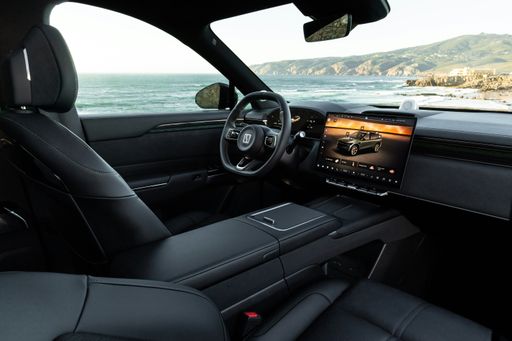
The Lexus RZ projects traditional premium with soft‑touch surfaces, careful stitching and a cabin ambience designed to soothe — tactile details consistently feel a notch above. The ZEEKR 7X, however, punches well above what you might expect for the money: materials and finishes give a modern, Scandinavian‑tinged impression and the layout is family‑friendly without feeling cheap. Where they diverge is in the human–machine interaction: Lexus keeps a restrained, tactile focus but buries some functions in the main screen and emits frequent warning chimes that break the calm, whereas the Zeekr is more tech‑forward but sometimes less polished in touchpoints like translations and back‑end software. If perceived luxury and craftsmanship are central, the RZ will satisfy more; if you want a modern cabin that feels new and roomy for less money, the 7X is persuasive.

7X

Who each car really fits — buyer cues before the technical details

If you prize a serene, high‑quality cabin and a relaxed, refined driving experience, the Lexus RZ is the better fit — think buyers who want a premium, low‑stress daily and a reassuring dealer experience. If your priorities are generous rear space, rapid charging that shortens road‑trip stops, stronger straight‑line performance and better nominal value, the ZEEKR 7X maps to that list perfectly. Neither choice is universally superior; the trade‑off is calm luxury (RZ) versus pragmatic, rapid‑turnaround usability and space (7X). Below we dive into the technical comparison so you can match those everyday impressions to the performance, charging and range details that will tip the balance for your driving profile.

Here’s where it gets real: The technical differences in detail

RZ

Costs and Efficiency:

Price and efficiency are often the first things buyers look at. Here it becomes clear which model has the long-term edge – whether at the pump, the plug, or in purchase price.

ZEEKR 7X is barely cheaper – starting at 45,400 £ , while the Lexus RZ costs 48,900 £ . That’s a price difference of around 3,522 £.

In terms of energy consumption, the Lexus RZ is clearly more efficient: consuming 14.7 kWh/100km compared to 17.7 kWh/100km for the ZEEKR 7X. That’s a difference of about 3 kWh/100km.

As for electric range, the ZEEKR 7X offers very slightly more range – reaching up to 615 km, about 56 km more than the Lexus RZ.

7X

Engine and Performance:

Power, torque and acceleration say a lot about how a car feels on the road. This is where you see which model delivers more driving dynamics.

When it comes to engine power, the ZEEKR 7X offers clearly more power – delivering 646 HP compared to 408 HP. That’s roughly 238 HP more horsepower.

When accelerating from 0 to 100 km/h, the ZEEKR 7X is somewhat quicker – completing the sprint in 3.8 s, while the Lexus RZ takes 4.4 s. That’s about 0.6 s quicker.

There’s also a difference in torque: the ZEEKR 7X delivers markedly more torque with 710 Nm compared to 538 Nm. That’s about 172 Nm more.

RZ

Space and Everyday Use:

Beyond pure performance, interior space and usability matter most in daily life. This is where you see which car is more practical and versatile.

Both vehicles offer seating for 5 people.

In terms of curb weight, Lexus RZ is visibly lighter – 1,995 kg compared to 2,395 kg. The difference is around 400 kg.

Looking at boot space, the ZEEKR 7X offers only slightly more boot space – 539 L compared to 522 L. That’s a difference of about 17 L.

When it comes to payload, the Lexus RZ carries slightly more – 540 kg compared to 485 kg. That’s a difference of about 55 kg.

Who wins the race in the data check?

The ZEEKR 7X holds a decisive overall lead in the objective data comparison.
This result only shows which model scores more points on paper – not which of the two cars feels right for you.

from £45,400
7X

ZEEKR 7X

  • Engine Type Electric
  • Transmission Automatic
  • Drive Type Rear-Wheel Drive, All-Wheel Drive
  • Power HP 421 - 646 HP
  • Consumption kWh/100km 17.7 - 19.9 kWh/100km
  • Electric Range 480 - 615 km
Lexus RZ
ZEEKR 7X

Costs and Consumption

View detailed analysis

Engine and Performance

View detailed analysis

Dimensions and Body

View detailed analysis

Lexus RZ

The Lexus RZ brings Lexus' trademark quiet luxury to the electric SUV world, wrapping poised handling and a plush, well-crafted cabin in a calm, composed package. It won't shout about raw figures — instead it trades headline numbers for smooth power delivery, fuss-free tech and an effortless refinement that will suit buyers who want electric convenience without losing the luxury experience.

details

ZEEKR 7X

The Zeekr 7X blends sleek, coupe-like styling with a roomy, premium cabin, giving it a confident presence on the road. It pairs refined handling with advanced tech and driver aids, making it an appealing choice for buyers who want electric performance without sacrificing comfort.

details
Lexus RZ
ZEEKR 7X

Costs and Consumption

Price
48,900 - 67,500 £
Price
45,400 - 54,000 £
Consumption L/100km
-
Consumption L/100km
-
Consumption kWh/100km
14.7 - 18.1 kWh/100km
Consumption kWh/100km
17.7 - 19.9 kWh/100km
Electric Range
457 - 559 km
Electric Range
480 - 615 km
Battery Capacity
-
Battery Capacity
-
co2
0 g/km
co2
0 g/km
Fuel tank capacity
-
Fuel tank capacity
-

Dimensions and Body

Body Type
SUV
Body Type
SUV
Seats
5
Seats
5
Doors
-
Doors
5
Curb weight
1,995 - 2,135 kg
Curb weight
2,395 - 2,535 kg
Trunk capacity
522 L
Trunk capacity
539 L
Length
-
Length
4,787 mm
Width
1,895 mm
Width
1,930 mm
Height
-
Height
1,650 mm
Max trunk capacity
-
Max trunk capacity
-
Payload
505 - 540 kg
Payload
455 - 485 kg

Engine and Performance

Engine Type
Electric
Engine Type
Electric
Transmission
Automatic
Transmission
Automatic
Transmission Detail
Reduction Gearbox
Transmission Detail
Reduction Gearbox
Drive Type
Front-Wheel Drive, All-Wheel Drive
Drive Type
Rear-Wheel Drive, All-Wheel Drive
Power HP
227 - 408 HP
Power HP
421 - 646 HP
Acceleration 0-100km/h
4.4 - 7.5 s
Acceleration 0-100km/h
3.8 - 6 s
Max Speed
-
Max Speed
210 km/h
Torque
269 - 538 Nm
Torque
440 - 710 Nm
Number of Cylinders
-
Number of Cylinders
-
Power kW
167 - 300 kW
Power kW
310 - 475 kW
Engine capacity
-
Engine capacity
-

General

Model Year
2025
Model Year
2025
CO2 Efficiency Class
A
CO2 Efficiency Class
A
Brand
Lexus
Brand
ZEEKR
DriveDuel uses data analysis and artificial intelligence to evaluate vehicle data and create content. Content is regularly reviewed and improved. The displayed prices are estimates based on German list prices, adjusted to the respective country’s VAT. Country-specific registration taxes are not included. This information is not legally binding.