Mercedes EQB alternatives & comparisons

Here you can find alternatives to the Mercedes EQB, based on existing comparison pages and popular model matchups. We currently show 6 suitable models as a starting point for your buying decision.

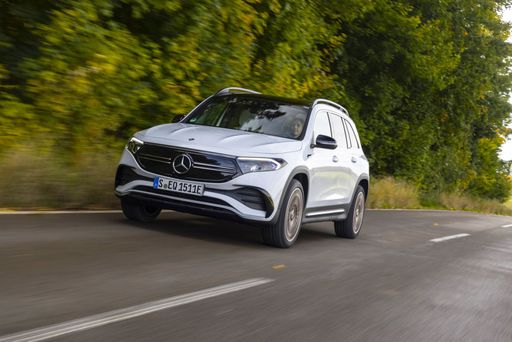
Mercedes EQB

Alternative models

These models are frequently compared with the Mercedes EQB and are good next research steps.

from £43,200
GLB

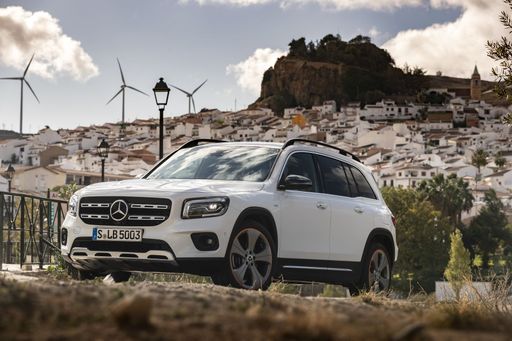
Mercedes GLB

  • Engine Type Electric, Full Hybrid
  • Transmission Automatic
  • Drive Type Rear-Wheel Drive, All-Wheel Drive
  • Power HP 156 - 354 HP
  • Consumption L/100km 5.7 - 6.1 L/100km
  • Consumption kWh/100km 15.4 - 15.9 kWh/100km
  • Electric Range 431 - 631 km

Mercedes GLB as a suitable alternative to Mercedes EQB

The Mercedes EQB and Mercedes GLB target the same compact‑SUV buyers but take very different routes: the EQB is the all‑electric choice while the GLB relies on conventional petrol/diesel and mild‑hybrid engines. This quick comparison looks at driving character, interior practicality, range and running costs to help you decide which suits your daily needs.

The Mercedes GLB is a compact luxury SUV that blends smart packaging with a polished, composed driving experience. Its flexible interior and premium feel make it a sensible pick for buyers who want Mercedes comfort and practicality in a smaller footprint.
Quick data check: Mercedes GLB

  • barely cheaper
  • somewhat more power
  • a bit more electric range
  • a bit quicker 0–100 km/h
  • moderately lighter
  • only slightly more trunk space
from £39,300
#5

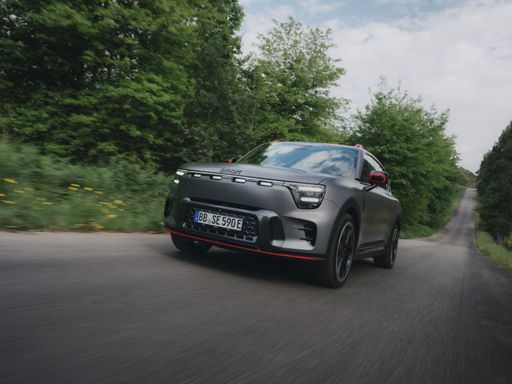
smart #5

  • Engine Type Electric
  • Transmission Automatic
  • Drive Type Rear-Wheel Drive, All-Wheel Drive
  • Power HP 340 - 646 HP
  • Consumption kWh/100km 18.4 - 19.9 kWh/100km
  • Electric Range 465 - 590 km

smart #5 as a suitable alternative to Mercedes EQB

Choosing between the Mercedes EQB and the Smart #5 means weighing Mercedes’ compact, family-focused electric SUV with upscale finishes and flexible seating against the Smart #5’s punchy, urban-oriented electric crossover that emphasizes value, efficiency and distinctive styling. This comparison will focus on driving feel, interior space, technology, range and running costs so you can pick the car that best matches your priorities.

The Smart #5 continues to build on the brand's legacy of compact and efficient urban vehicles, now infused with a more modern and stylish design. Its sleek appearance is complemented by a spacious interior, offering comfort without compromising its compact nature. This model is ideal for city dwellers seeking a blend of innovation, practicality, and style in their daily drives.

Quick data check: smart #5

  • slightly cheaper
  • clearly more power
  • only slightly more electric range
  • substantially quicker 0–100 km/h
  • clearly more trunk space
from £45,900
EQA

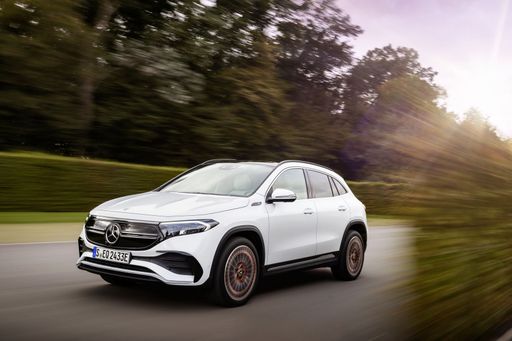
Mercedes EQA

  • Engine Type Electric
  • Transmission Automatic
  • Drive Type All-Wheel Drive
  • Power HP 228 HP
  • Consumption kWh/100km 16.9 kWh/100km
  • Electric Range 476 km

Mercedes EQA as a suitable alternative to Mercedes EQB

In the battle of electric luxury, the Mercedes EQA and EQB showcase the brand's commitment to sustainable performance. While the EQA offers a sleek, compact design ideal for urban environments, the EQB’s spacious interior and added versatility make it a compelling choice for families. Both models deliver impressive range and cutting-edge technology, solidifying Mercedes' position in the electric vehicle market.

The Mercedes EQA slips into the electric crossover ranks with the brand’s familiar luxury polish, offering a quiet, fuss-free drive that feels perfectly at home in the city or on a country escape. Inside it’s neatly finished and tech-forward, projecting grown-up refinement even if it plays things a bit safe for anyone chasing outright excitement.

from £54,300
iX3

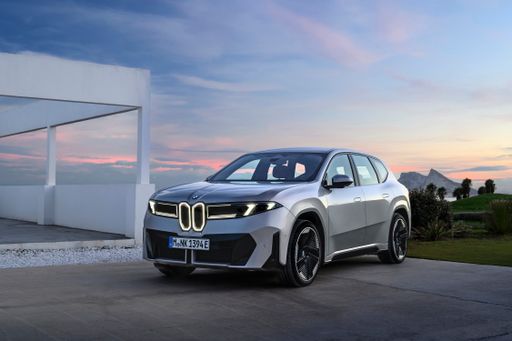
BMW iX3

  • Engine Type Electric
  • Transmission Automatic
  • Drive Type All-Wheel Drive, Rear-Wheel Drive
  • Power HP 320 - 469 HP
  • Consumption kWh/100km 14.6 - 15.1 kWh/100km
  • Electric Range 635 - 805 km

BMW iX3 as a suitable alternative to Mercedes EQB

In the competitive electric SUV market, the BMW iX3 and Mercedes EQB stand out with their unique blend of performance and luxury. The iX3 offers a sporty driving experience with its dynamic handling and responsive electric powertrain, while the EQB impresses with its spacious interior and advanced technology features, making it a strong contender for families. Ultimately, the choice between these two vehicles boils down to personal preference, as both embody the pinnacle of German engineering and innovation.

The BMW iX3 is an electric SUV that delivers the composed, premium driving experience BMW buyers expect. With a calm, refined cabin and practical everyday usability, it’s a strong choice for those who want electric motoring without giving up luxury and comfort.

Quick data check: BMW iX3

  • visibly more power
  • only slightly more efficient
  • clearly more electric range
  • markedly quicker 0–100 km/h
from £34,300
Model Y

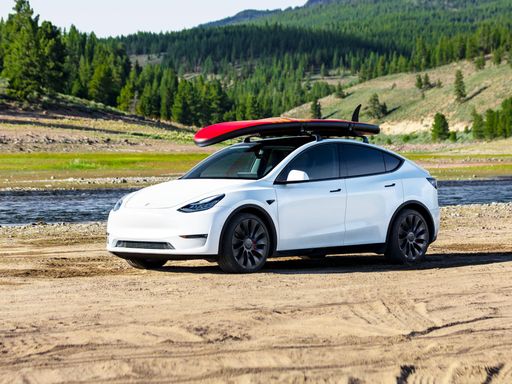
Tesla Model Y

  • Engine Type Electric
  • Transmission Automatic
  • Drive Type All-Wheel Drive, Rear-Wheel Drive
  • Power HP 299 - 460 HP
  • Consumption kWh/100km 13.1 - 16.2 kWh/100km
  • Electric Range 534 - 622 km

Tesla Model Y as a suitable alternative to Mercedes EQB

In the battle of electric SUVs, the Mercedes EQB and Tesla Model Y stand out with their distinct approaches to performance and luxury. While the EQB offers a more traditional luxury feel with its upscale interior and advanced driver-assistance features, the Model Y impresses with its cutting-edge technology and impressive range. Ultimately, the choice between the two will depend on whether buyers prioritize a premium driving experience or pioneering electric performance.

The Tesla Model Y is a compact electric SUV that pairs practical interior space with a minimalist, tech-forward cabin that feels modern and airy. Its confident electric performance and suite of driver-assist features make everyday driving effortless, and regular software updates help the car stay fresh over time.

Quick data check: Tesla Model Y

  • noticeably cheaper
  • visibly more power
  • a bit more efficient
  • slightly more electric range
  • substantially quicker 0–100 km/h
  • very slightly lighter
  • significantly more trunk space
from £39,300
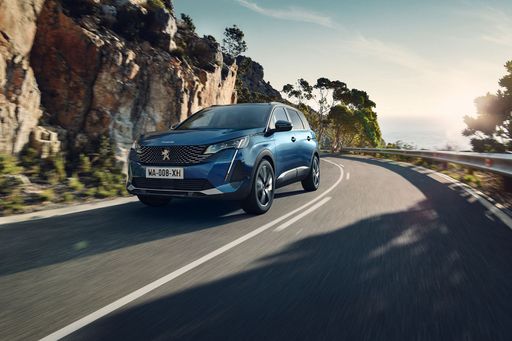
5008

Peugeot 5008

  • Engine Type Electric, Petrol MHEV, Plug-in Hybrid
  • Transmission Automatic
  • Drive Type Front-Wheel Drive, All-Wheel Drive
  • Power HP 145 - 325 HP
  • Consumption L/100km 2.7 - 5.6 L/100km
  • Consumption kWh/100km 17.8 - 18.1 kWh/100km
  • Electric Range 78 - 669 km

Peugeot 5008 as a suitable alternative to Mercedes EQB

In the competitive SUV market, the Mercedes EQB and Peugeot 5008 offer distinct approaches to family transportation. While the EQB impresses with its cutting-edge electric technology and luxurious interior, the Peugeot 5008 stands out with its spaciousness and versatile seating options. Ultimately, the choice between the two will depend on whether buyers prioritize eco-friendly innovation or practicality and space for their family adventures.

The Peugeot 5008 blends Peugeot's sharp design with the space and versatility families actually need, wrapping clever packaging and a premium-feeling cabin in a crisp, SUV-like silhouette. It drives with more poise than you'd expect from a people carrier, serves up practical touches and flexible seating for everyday chaos, and still looks good when parked outside the school gates.

Quick data check: Peugeot 5008

  • moderately cheaper
  • a bit more power
  • markedly more electric range
  • markedly lighter
DriveDuel uses data analysis and artificial intelligence to evaluate vehicle data and create content. Content is regularly reviewed and improved. The displayed prices are estimates based on German list prices, adjusted to the respective country’s VAT. Country-specific registration taxes are not included. This information is not legally binding.