Mercedes C-Class Facelift 2026: The Star Becomes Visible Again

The Mercedes C-Class is getting its major 2026 facelift – and this time, it’s immediately noticeable. With a new star design, increased digital intelligence, gasoline and diesel engines, and a plug-in hybrid option, Mercedes is making its mid-range model more visible, modern, and self-assured. But is that enough to stay exciting against the pressure of electric cars, the SUV trend, and strong premium rivals?

Mercedes C-Class Facelift 2026: The Star Becomes Visible Again

The Mercedes C-Class is getting its most significant update since the launch of the current generation. After about five years of production, Mercedes is making noticeable enhancements to its mid-range model: a new design, refreshed engines, a more modern infotainment system, and an interior that embraces digital technology more than ever before. The updated Mercedes C-Class will be available for order starting August 18, 2026. In Germany, the sedan will start as the C 200 at 48,844 euros including VAT. In other European markets, prices may vary depending on taxes, standard equipment, and national model policies.

This is not a facelift that wants to hide. Mercedes is giving the C-Class exactly what it sometimes lacked recently: more visible presence. The C-Class has always been the sensible premium car for people who don't need a big show. Now it appears more confident, wider, brighter. And yes, the Mercedes star plays a bigger role than ever before.
Why This Facelift is More Important Than It Initially Appears

The C-Class reaches an exciting juncture in 2026. On one hand, it continues as a classic business and family mid-size model from Mercedes, offering gasoline, diesel, and plug-in hybrid options. On the other, the market is becoming increasingly electric, digital, and fiercely competitive. That is exactly why Mercedes had to do more than just tweak a few details.

The facelift is an enhancement with strategic significance. The C-Class is meant to appear more modern without alienating its loyal customers. It aims to become more digital while preserving the familiar Mercedes character. Visually, it should align more closely with the larger models without trying to become a mini S-Class.

Mercedes chooses a clear path: no revolution, but a noticeable refinement. More lighting, more software, more comfort, more brand impact. This could indeed be the deciding factor for many buyers.

Design: The C-Class Gets a More Distinct Look

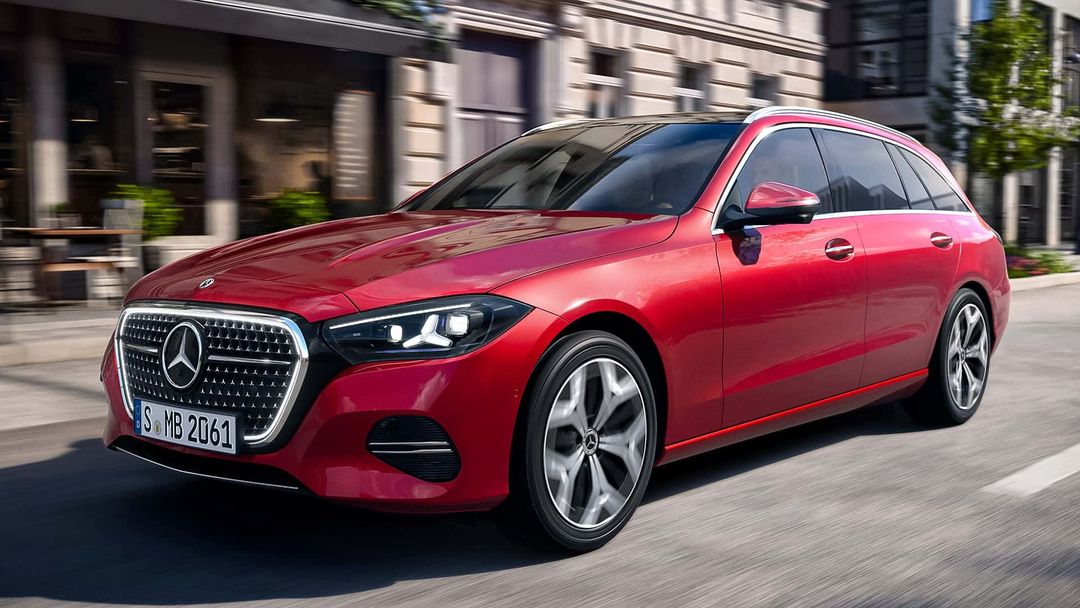
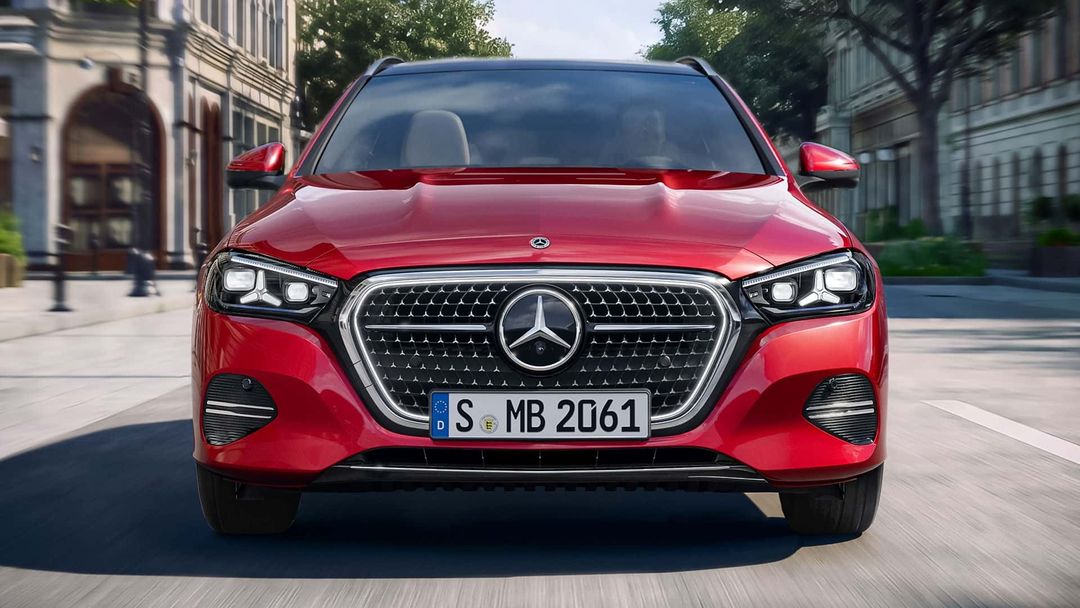
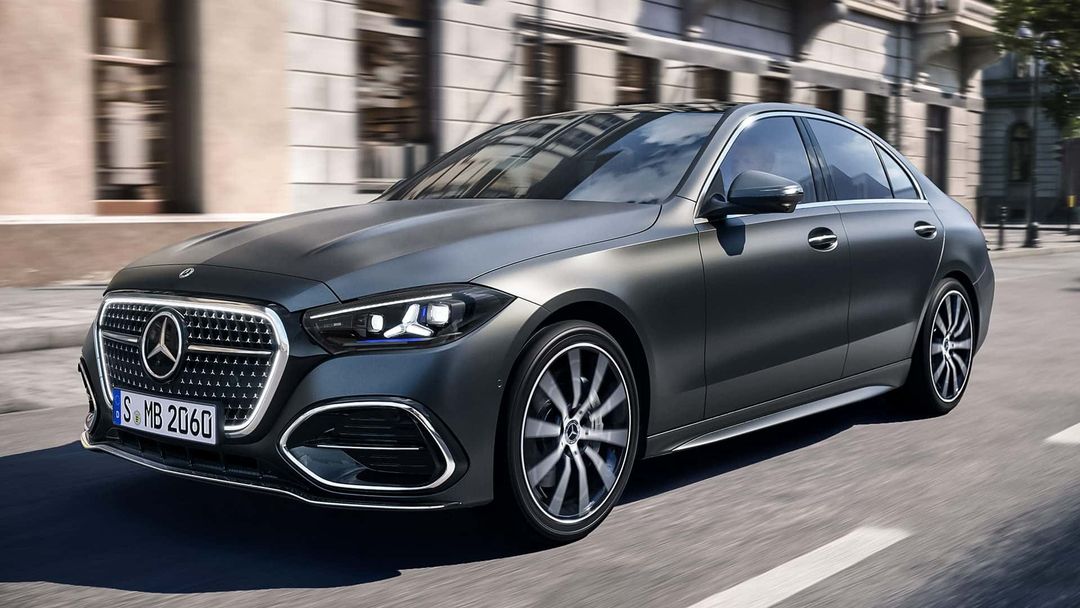
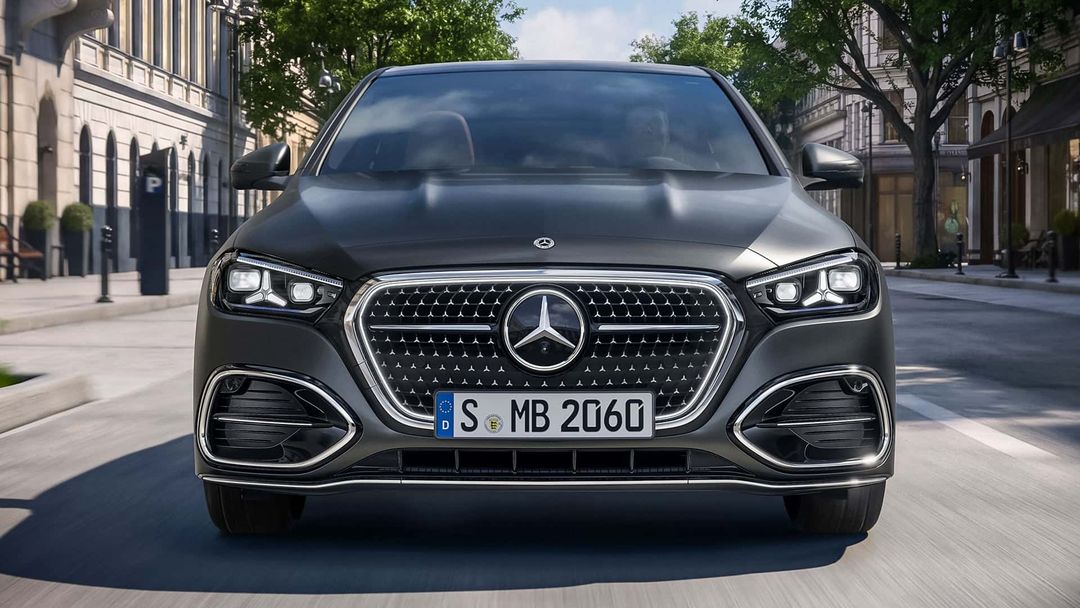
The updated model is instantly recognizable from the front. The grille stands out more, has a stronger presence, and features a mesh of small Mercedes stars. Depending on the trim, the overall look is further enhanced by shiny details, chrome accents, and a more distinctive light signature. As a result, the C-Class looks less restrained than before.

The new star-shaped lighting signature is particularly striking. What Mercedes has already emphasized more in larger models is now also being incorporated into the C-Class. The star is no longer just the logo on the hood or in the grille, but becomes a recognizable design element.

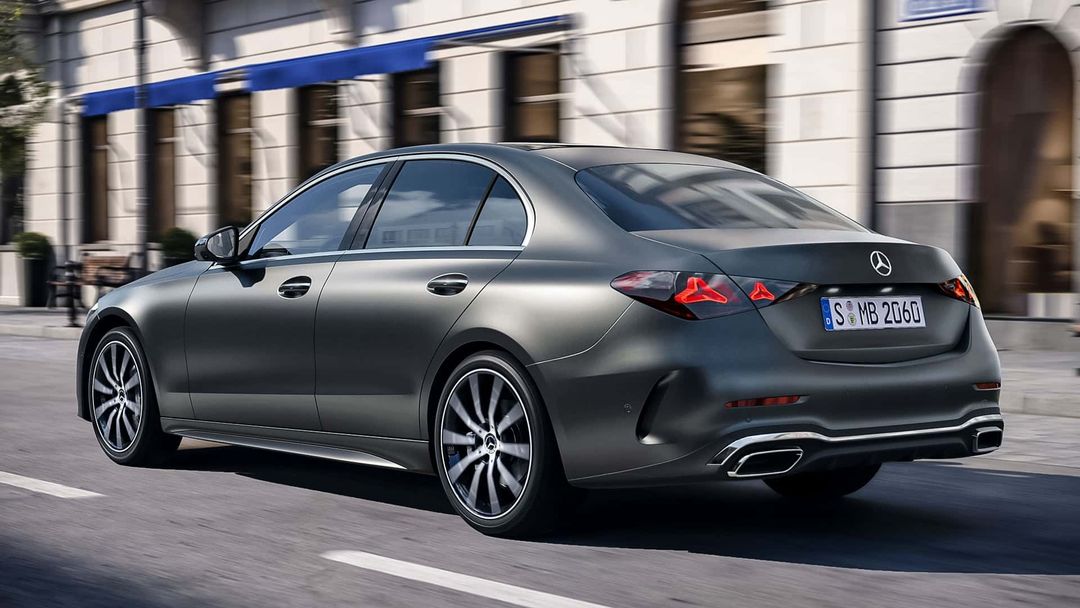
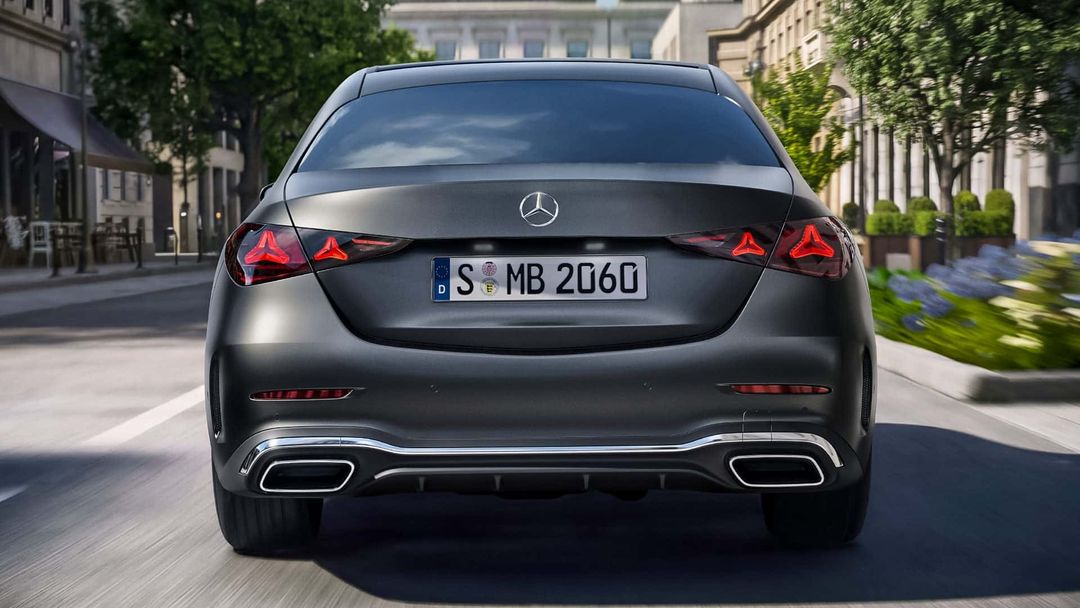
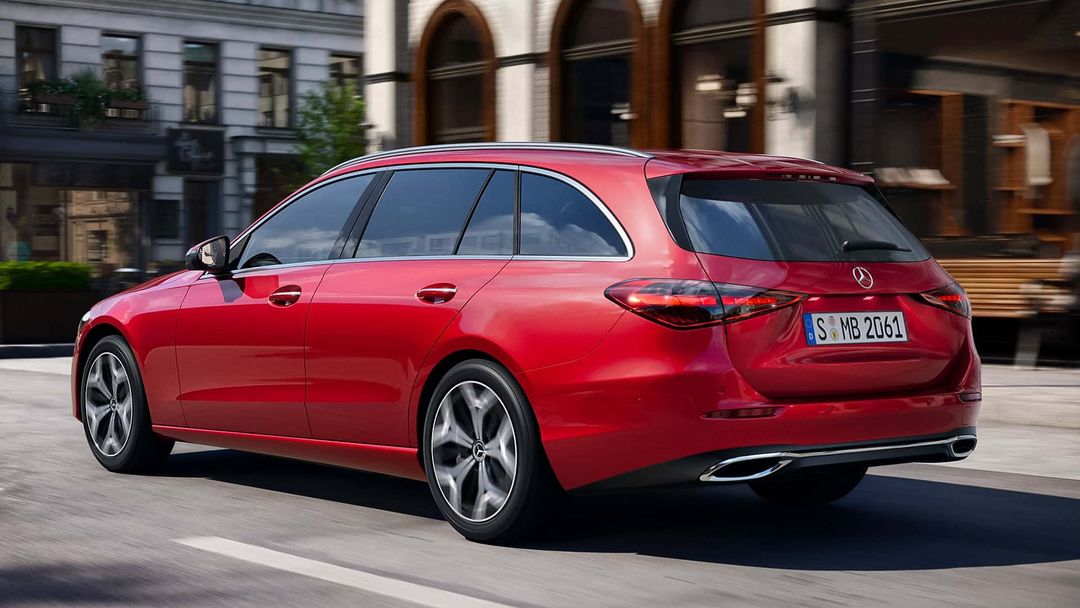
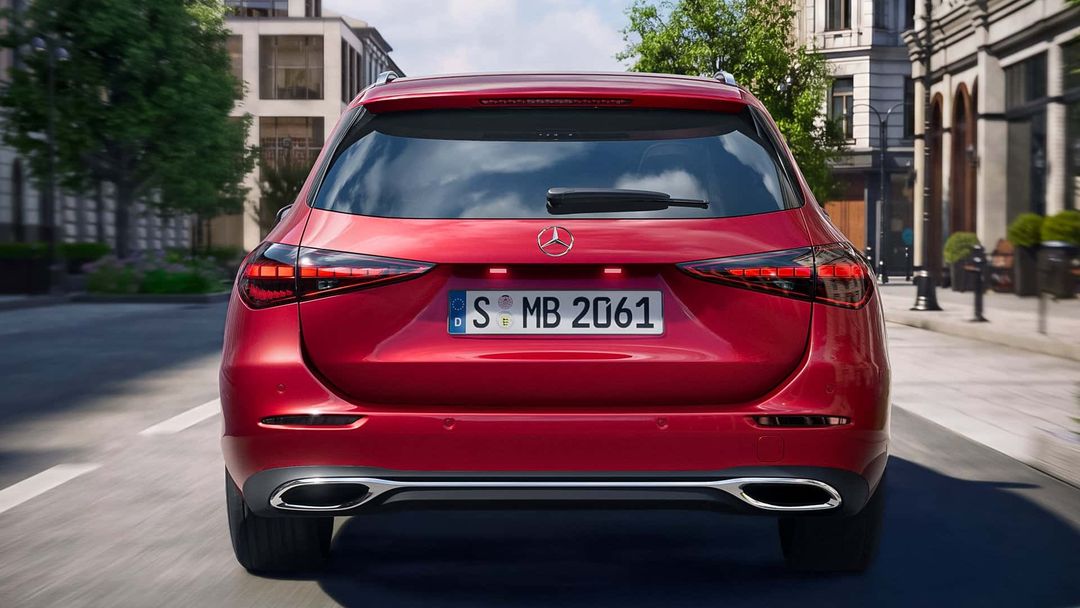
For the sedan, this motif continues at the rear as well. The taillights also have a star-shaped signature. The wagon looks a bit more subdued at the rear but benefits just as much from the sharper front and overall more premium appearance. Why Mercedes doesn't use the same effect for both body types remains somewhat debatable.

Additionally, there are new exterior colors, new wheel designs, and the AMG Line Plus equipment option. This enhances the AMG Line with more sporty design elements and aims to give the C-Class a noticeably more dynamic presence. It's not always subtle, but that's the point: this C-Class wants to be seen more.

Interior: Familiar Design, New Digital Thinking

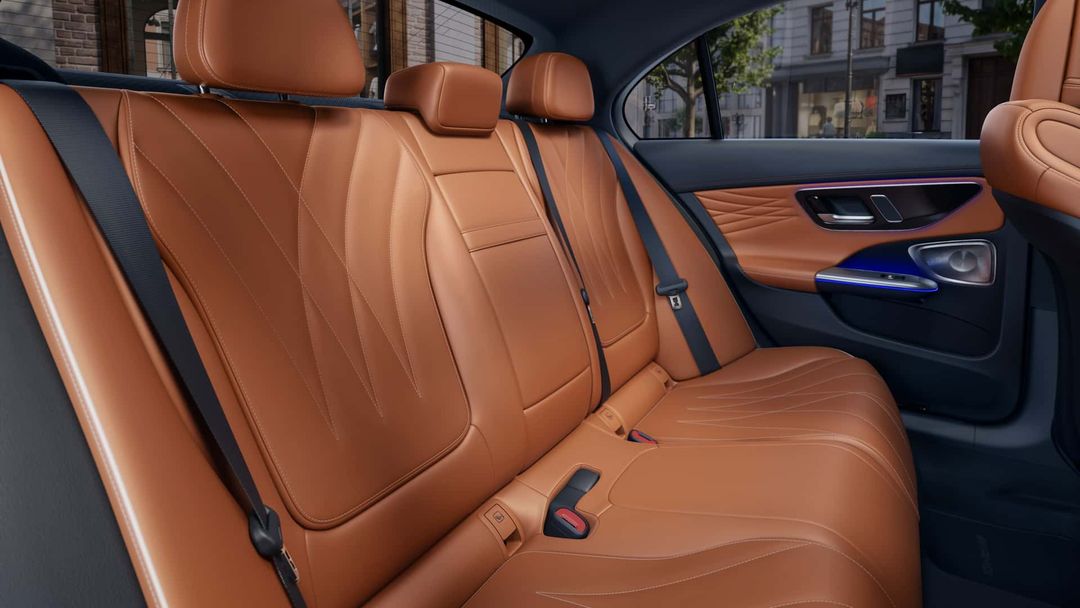
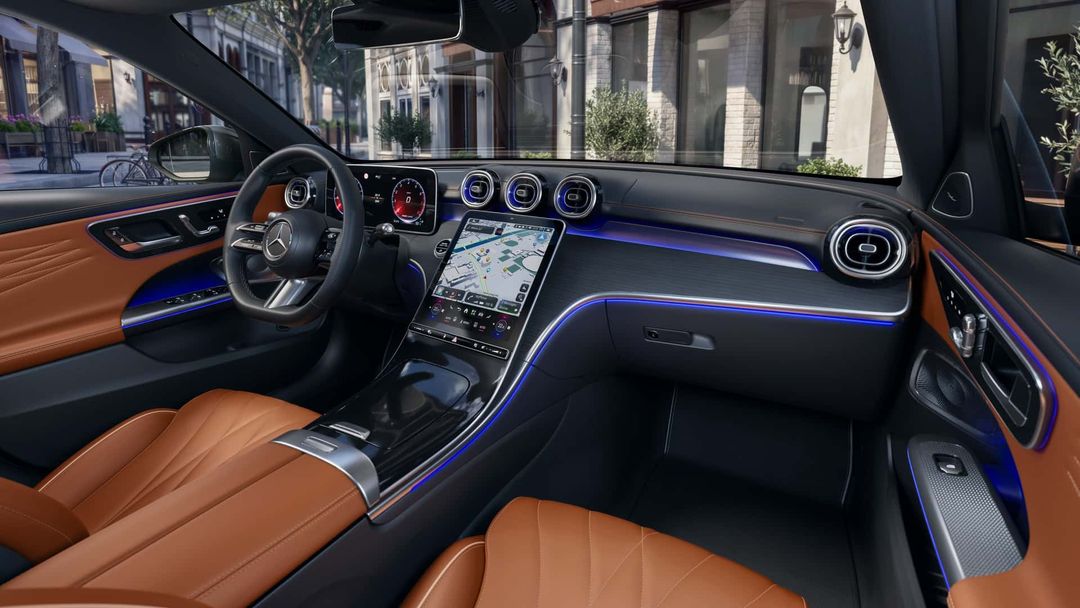
Inside, Mercedes takes a more cautious approach. The basic design remains familiar: a digital dashboard behind the steering wheel, a large vertical screen in the center console, and a cockpit clearly oriented towards the driver. Anyone familiar with the current C-Class will feel right at home.

The real innovation lies less in the form and more in the software. The facelift features the latest generation of the Mercedes-Benz Operating System. This makes the infotainment more connected, updateable, and intelligent. Over-the-air updates will keep features current, while various AI services aim to make voice operation more natural and versatile.

The central screen still measures 30.2 centimeters or 11.9 inches. The digital dashboard measures 12.3 inches. Mercedes hasn't just installed larger displays, but has worked on operation, display, and digital intelligence. This is more important in everyday life than just screen size.

The steering wheel has also been redesigned. Mercedes places more importance on operable elements that are easier to reach intuitively while driving. This is a small but important correction. Being premium doesn’t mean every function has to disappear into a smooth touchpad. Frequent drivers particularly want to control volume, cruise control, and menus without constantly taking their eyes off the road.

AI in Cars: The C-Class Wants to Think Ahead, Not Just React

With the new infotainment system, artificial intelligence is becoming more prominent in the C-Class. Mercedes is integrating various systems and services to handle voice commands, search queries, navigation, and everyday questions more naturally. The car is designed to understand real language better, not just rigid commands.

This could be a real advancement for daily use. Those searching for a destination, asking a question, changing music, or needing route information while driving should have to navigate through fewer menus. The C-Class becomes more digital, but not necessarily more complicated. That is what makes the difference.

The big question, however, is: Will this technology be truly helpful in everyday life, or just impressive on paper? Mercedes must prove that AI in cars doesn't turn into a gimmick but actually reduces stress. If successful, the C-Class gains a clear advantage over traditional operating methods.

Engines: Mercedes Sticks to a Broad Range of Options

Under the hood, the C-Class remains intentionally versatile. Customers can still choose between gasoline engines, diesels, and plug-in hybrids. All traditional combustion engines are mild hybrids and are offered with either rear-wheel drive or all-wheel drive, depending on the version. Power output for the gasoline and diesel variants ranges from 163 to 258 horsepower.

This variety is important because the C-Class appeals to very different buyers across Europe. In some markets, diesels remain attractive for frequent drivers. In other countries, gasoline engines or plug-in hybrids play a more significant role. With the facelift, Mercedes avoids making the mistake of reducing the C-Class to a single drive logic.

Diesel remains particularly appealing for long-distance drivers. Those who regularly drive on highways, accumulate high annual mileage, or are looking for an efficient company car will continue to look closely at this option. On the other hand, the gasoline engine remains the obvious choice for buyers who want to drive a classic C-Class but do not have an extremely high mileage.

Plug-in Hybrid: Powerful, Usable with Electricity, but Not Ideal for Everyone

Plug-in hybrids enhance the lineup with an electric motor that delivers 100 kW or 136 horsepower. In its most powerful version, the system output rises to as much as 395 horsepower. This makes the C-Class not only more efficient in city and commuting traffic, but also significantly more powerful.

The battery is just under 20 kWh in size and can be charged at up to 55 kW with a fast charger. For a plug-in hybrid, that’s decent, but not groundbreaking. Ultimately, the peak value is less important than whether the owner charges regularly. Only then does a plug-in hybrid really show its strength.

Those who can charge at home or at work and drive many short or medium distances daily might find the plug-in hybrid to be the most exciting C-Class. Many everyday trips can be done electrically, while a combustion engine is still available for long distances.

On the other hand, those who rarely charge are essentially buying a heavier and more complex car. In such cases, a diesel or gasoline engine might be a better choice. This clearly shows: the new C-Class does not have a single perfect drive system. It offers various solutions for different life situations.

Station Wagon: The Underrated Sensible Star

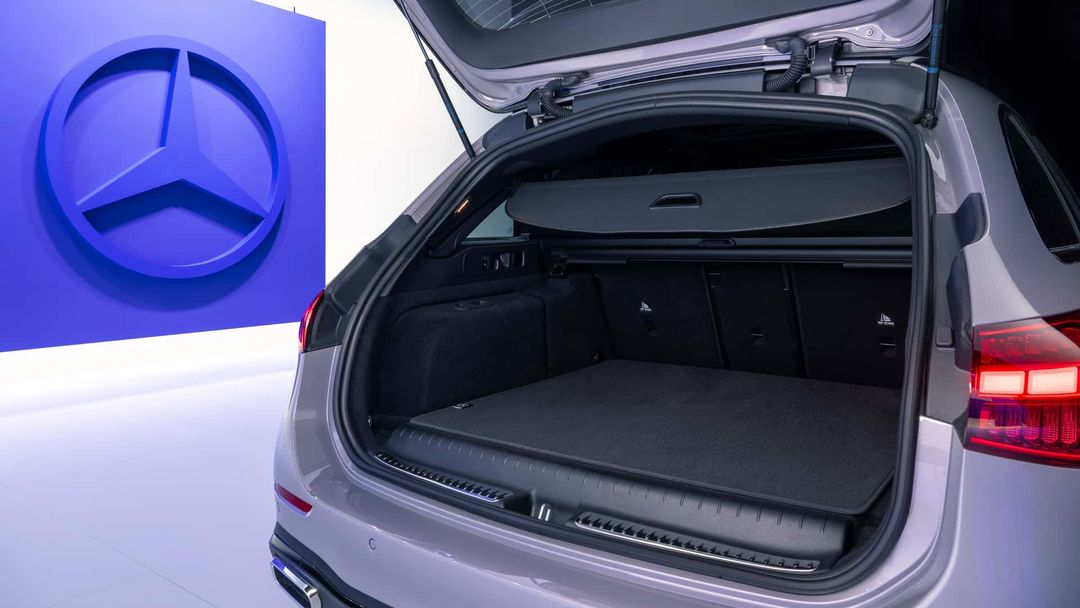
Even after the facelift, the C-Class is still available as a sedan and a station wagon. For many European buyers, the wagon might remain the more practical and perhaps even more appealing option. It combines the classic Mercedes look with significantly more everyday utility.

The cargo volume starts at least 490 liters. With the rear seats folded down, the storage space expands to up to 1,510 liters. The rear bench can be split in a 40:20:40 ratio, allowing for more flexibility in carrying long items and passengers.

This is where the station wagon remains strong. It's not an SUV, but it doesn’t need to be. It has a lower profile, looks more elegant, and still offers ample space for family, vacations, work, and daily life. Those who regularly transport luggage but don't want a high profile will continue to find the C-Class station wagon one of the most classic Mercedes solutions.

Driving Comfort: The C-Class Must Be Especially Confident

A C-Class doesn't have to impress loudly. It needs to feel calm, stable, and high-quality. That's why the invisible improvements are often more important than the visual changes. Mercedes has further developed the suspension, insulation, and assistance systems to enhance the impression of comfort.

Especially on longer journeys, it's important how relaxed a car remains. Wind noise, ride comfort, seating position, steering stability, and assistance systems determine whether you exit after three hours of driving feeling tired or relaxed. The facelift aims to improve exactly this area.

This keeps the C-Class true to its role. It doesn’t aim to be a relentlessly sporty car but rather a confident premium all-rounder. Those who seek maximum hardness, maximum directness, and maximum drama will be happier elsewhere. However, those who appreciate tranquility, quality, and long-distance comfort are likely to find themselves at home in the C-Class.

Assistance Systems: More Ease in Daily Life

Mercedes has enhanced their assistance systems. Depending on the configuration, the C-Class uses numerous cameras, radar, and ultrasonic sensors to assist the driver in traffic, on the highway, and when parking. This includes classic functions like lane guidance, distance maintenance, brake support, and parking assistance.

It's important not only what is technically possible but also how natural it feels. Good assistance systems don't stand out by constantly intervening. They make driving smoother, reduce stress, and support where people really want relief in their daily life.

This is a central point for the C-Class. It is often driven by people who are on the road a lot. In commuter traffic, on the highway, when commuting, or on long journeys, every function that saves concentration and provides safety counts.

Price: The German Entry Price is Just a Guideline for Europe

The German starting price of 48,844 euros, including VAT, makes it clear: The C-Class remains a true premium product. The net price is 41,045 euros. These figures refer to Germany and cannot be directly transferred to other European markets.

In Europe, prices can vary significantly depending on the country. National taxes, VAT rates, standard equipment packages, import costs, incentives, engine-related charges, and equipment packages influence the actual base price. For international readers, the German price is mainly a reference point.

The crucial point remains: The C-Class is not positioned cheaply. Those who choose larger engines, all-wheel drive, AMG Line Plus, additional assistance systems, comfort packages, or the Plug-in Hybrid will end up paying considerably more. Mercedes is not offering a budget option here but a promise of premium experience.

Who is the Mercedes C-Class Facelift For?

The updated C-Class is particularly suited for buyers who are looking for a classic premium car but do not want to miss out on modern technology. It is interesting for people who value comfort, brand impact, long-distance capability, and a wide range of engine choices.

If you do the math sensibly, the C 200 might be the most practical entry option. If you drive a lot, the diesel remains appealing. If you can charge regularly, the Plug-in Hybrid might be the most modern and versatile solution. And if your car primarily needs to be practical, the station wagon model is hard to ignore.

The C-Class does not force anyone in one direction. That is its strength. It can be a business sedan, family station wagon, long-distance vehicle, commuter plug-in hybrid, or a comfortable everyday Mercedes. Not everything at once for everyone, but quite a lot for many.

Conclusion: Not a New Start, but a Much Stronger Performance

The 2026 Mercedes C-Class Facelift is not a revolution, but a smart upgrade. Externally, the star is more visible, internally, the software is more modern, and in terms of engines, Mercedes remains versatile. The result is a C-Class that feels familiar yet appears fresher, more digital, and more confident.

The facelift doesn't transform the C-Class into an entirely new car. But it gives it more character. It seems less like the unremarkable middle of the Mercedes lineup and more like a standalone premium vehicle with a distinct attitude. This could help it in the European market.

Those looking for a modern Mercedes but not ready to go fully electric will find in the updated C-Class a very classic yet visibly modernized option. It doesn't redefine the future of the car. But it shows that a premium combustion engine car can still make a lot of sense in 2026, provided it is comfortable, digital, and confident enough.