Europe Reaches a Turning Point: Why Electric Cars Will Take Off Suddenly in 2026

Tesla is growing again, Chinese manufacturers are making their move, and electric cars are reaching new records. But the real winner of the year 2026 surprises many experts.

Europe Reaches a Turning Point: Why Electric Cars Will Take Off Suddenly in 2026

Europe Suddenly Buys Cars Differently

The most exciting development on Europe's roads isn't tied to a specific logo. It's also not from a single manufacturer. What is emerging in 2026 is much larger: millions of European car buyers are currently changing their buying behavior.

While the overall car market is only growing moderately, electric cars are experiencing double-digit growth in many European countries. Germany, France, the United Kingdom, Spain, and Italy report strong increases. In the European Union, pure electric cars now make up almost 20 percent of the market share. In some countries, the share is already significantly higher.

The real news, therefore, isn't that electric cars are growing. The real news is that they have become a normal buying decision for many people.
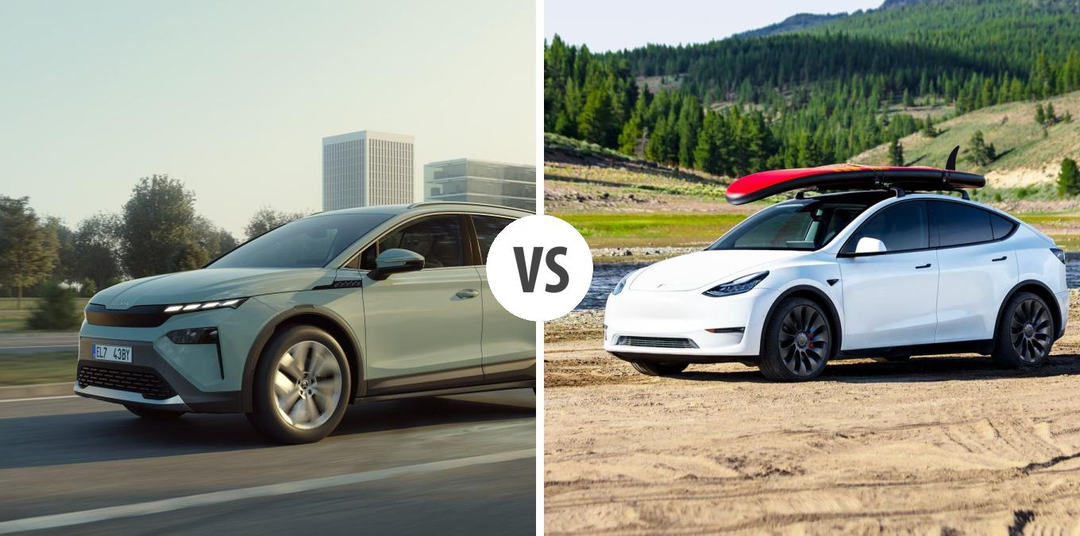
The European Car Market Experiences a Quiet Shift of Power

For years, discussions about electric mobility dominated. Topics like range, charging times, infrastructure, and incentives were the headlines. However, now the discussion seems to be changing.

More and more buyers are not asking if they should buy an electric car. They are comparing specific models with one another. This is often a sign that a technology has reached the mass market.

When choosing between two electric cars, the fundamental decision has already been made.

A Skoda Becomes a Symbol of a New Era

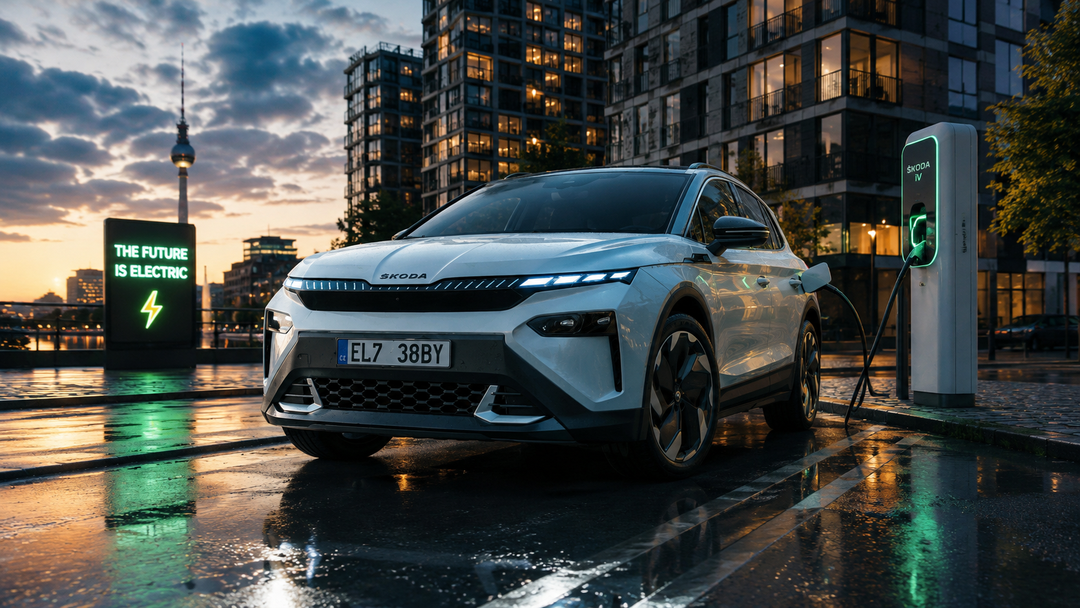
It's particularly noteworthy which vehicle is currently drawing attention. The Skoda Elroq is becoming one of the most successful electric cars in Europe by 2026. In several markets, it is already among the best-selling electric vehicles. Industry analyses even regard it as one of the most important new electric models of the year.

Why is this so interesting?

Because the Elroq is not an extreme car. It's not about maximum acceleration, spectacular design, or futuristic experiments. It represents something else.

It represents the normalization of the electric car.

Families, commuters, and everyday drivers are increasingly seeking vehicles that easily integrate into their lives. This is exactly where the market seems to be growing.

Tesla remains important – but Europe is becoming more diverse

Tesla is experiencing a significant recovery in many European countries by 2026. France, Spain, Portugal, Sweden, and other markets report strong growth in registrations. The Model Y also remains one of the most important electric cars in Europe. 

At the same time, the competition is changing.

Volkswagen, Skoda, Renault, Kia, Volvo, BYD, and other manufacturers are gaining market share. This leads to a situation that buyers haven’t had for a long time: real choice.

The European electric car market is becoming more diverse, not dominated.

China is no longer a minor issue

Another trend is becoming increasingly visible in 2026. Chinese manufacturers are gaining significant importance in Europe. Brands like BYD, MG, or Chery are increasing their presence and gaining market shares in numerous countries. 

For European buyers, this means more competition. For established manufacturers, it means more pressure.

And for the market as a whole, it means that price, technology, and features are more hotly contested than ever before.

IMG_3701

Perhaps this is the biggest change of the year 2026.

For years, the central question was whether electric cars were truly a viable alternative. Today, the discussion is shifting.

More and more often, it's about entirely different questions:

Skoda Elroq or Tesla Model Y?

BYD or Volkswagen?

Kia EV3 or Renault Scenic E-Tech?

These are no longer questions about the future. These are purchasing decisions made every day across Europe.

Europe reaches a turning point

Current registration numbers show a pattern across many countries. Electric cars are growing faster than the overall market. New models are establishing themselves. New manufacturers are winning buyers. And more and more people see electric drive as a standard option.

The transformation is no longer happening at some point in the future.

It is happening now.

Perhaps a few years from now, we'll look back at 2026 and realize this was the year Europe stopped discussing electromobility – and started embracing it as a matter of course.