Why Many People Don't Buy an Electric Car – Even Though It Would Be Perfect for Them

Electric cars are booming in Europe. However, a discussion on Reddit reveals that the biggest hurdle is often not range or technology. It's trust, everyday usability, and the fear of making the wrong decision.

Why Many People Don't Buy an Electric Car – Even Though It Would Be Perfect for Them

The Biggest Challenge for Electric Cars is Not the Range

Electric cars are becoming increasingly popular in Europe. Registration numbers are rising, new models are hitting the market, and for many people, the question is no longer whether an electric car can fundamentally work.

However, a discussion on Reddit clearly shows: there is still a large gap between interest and the decision to buy.

Many people don't fundamentally reject electric cars. They hesitate, even though an electric car would actually fit well into their daily lives.

"An Electric Car Would Be Perfect for Me"

One user highlighted the issue perfectly:

"I'd love an EV. It would be perfect for my use case."

This sentence is intriguing. It doesn't sound like rejection. It sounds like someone who has long understood that an electric car would be sensible.

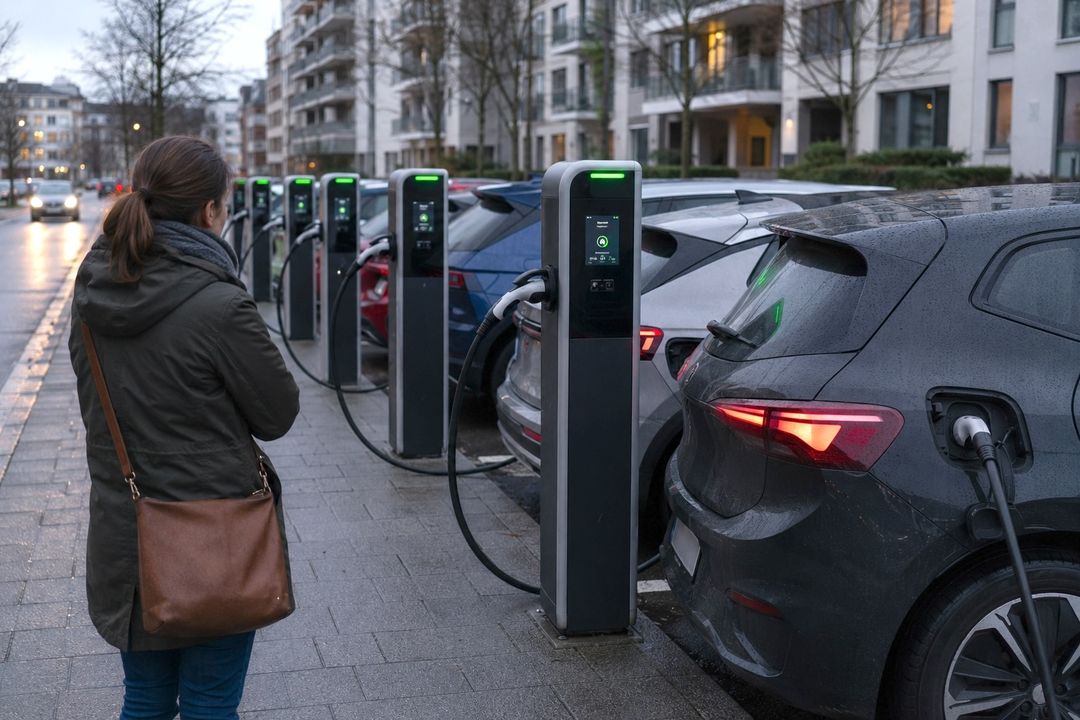
The catch: The user lives in an apartment, has no fixed parking spot, and no personal charging option.

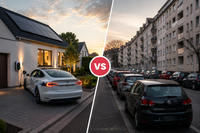
For people with their own driveway, an electric car is often convenient and cost-effective. For people without a private charging spot, it can become complicated.
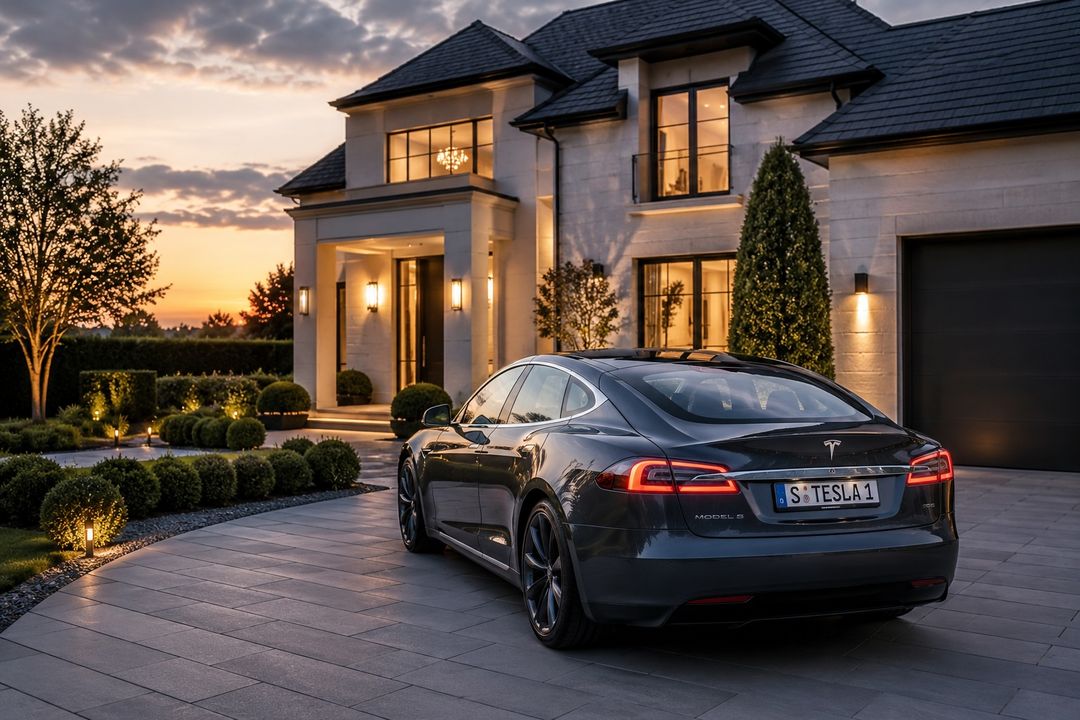
haus-einfahrt-tesla

The Issue Often Isn't the Car, But Everyday Life

Many discussions do not focus on performance, design, or range. They focus on simple everyday questions.

  • Where do I charge?
  • What happens if the charging station is occupied?
  • How expensive is public charging?
  • How do I plan longer trips?

A user essentially wrote that millions of people live in apartments or townhouses and do not have easy access to private charging.

This is exactly where it will be decided if electric mobility truly becomes suitable for the masses.

The Fear of the Unusual Case

Another comment described a typical family situation. In daily life, usually only 15 to 30 miles are driven. An electric car with over 200 miles of range would be completely sufficient.

Yet still, new counterarguments arose:

  • What about a long drive to London?
  • What if all fast chargers are full?
  • What if a charging station is broken?

Many people do not buy their car for normal everyday life, but for the worst-case scenario.

This is psychologically understandable. A car should provide security. No one wants to feel like they've made the wrong decision while on the road.

Depreciation Worries Many Buyers

Another topic came up several times: depreciation.

Some users reported young electric cars losing significant value in a short time. For used car buyers, this can be attractive. For new car buyers, it's a warning sign.

Anyone spending a lot of money on a new car doesn't want to feel like they're facing a huge loss after two years.

Even if the market can stabilize, this concern is currently a real hurdle to buying.

Electric Cars Are Often Rationally Sensible – But Not Always Emotionally Secure

Many arguments in favor of electric cars are rationally strong: lower operating costs, less maintenance, pleasant driving, quieter engine, and good everyday usability.

But buying a car is never just mathematics.

People don't just buy the vehicle with the best stats. They buy the car they feel secure with.

And that's exactly where combustion engines still have an advantage: They are known, familiar, and predictable.

The Market Is Ahead of Trust from Many Buyers

The exciting insight from the discussion is not that many people are against electric cars.

The more intriguing insight is:

Many people see the advantages, but they still don't fully trust the system.

They doubt not only the car. They doubt the charging infrastructure, electricity prices, resale value, battery costs, and everyday usability without their own wallbox.

Our Conclusion: The Future Is Decided Not Only by the Battery

Electric cars need more than just greater range and faster charging times.

  • They need more trust.
  • Trust in infrastructure.
  • Trust in stable costs.
  • Trust in the used car market.
  • And trust that an electric car works not just on paper, but in one’s own life.

The biggest hurdle for electric cars by 2026 is no longer the technology. It's whether the switch feels secure enough for people.