VS

Audi A3 Sportback vs Peugeot Partner comparison

Compare performance (400 HP vs 136 HP), boot space and price (27,000 £ vs 26,100 £ ) at a glance. Find out which car is the better choice for you – Audi A3 Sportback or Peugeot Partner?

Audi A3 Sportback vs Peugeot Partner: Key differences

Audi A3 Sportback

4.1 (2 Reviews)
rate
  • significantly more power
  • clearly more efficient
  • significantly quicker 0–100 km/h
  • barely lighter
details

Peugeot Partner

  • marginally cheaper
  • considerably more electric range
details

By Achim Sedelmaier

A3 Sportback

A3 Sportback vs. Peugeot Socio: The Hatchback vs. Cargo Van Showdown

In today's automotive market, choosing between a sophisticated hatchback and a functional cargo van can be daunting. The Audi A3 Sportback and the Peugeot Socio present two contrasting yet compelling vehicle options, each with its unique features. Let's dive into the technical aspects and innovations offered by these two models to see how they stack up against each other.
Partner

Design and Body Type

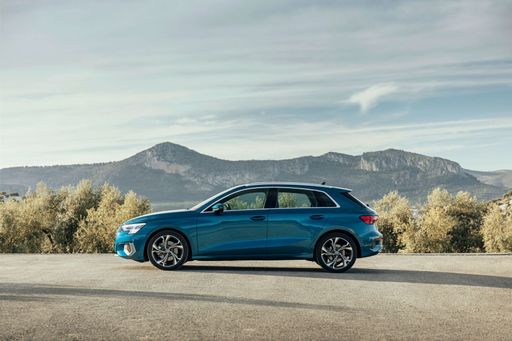
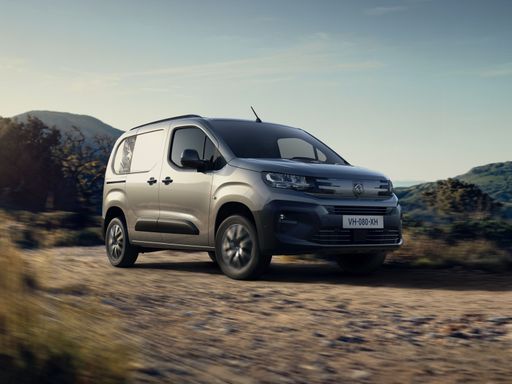
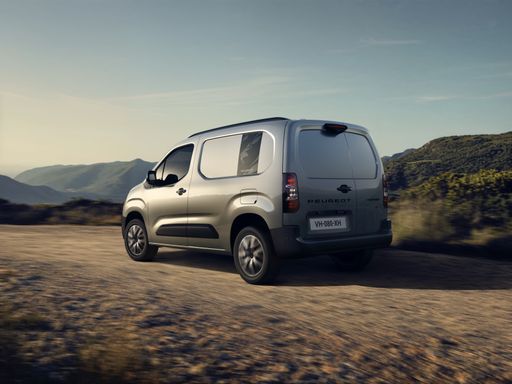
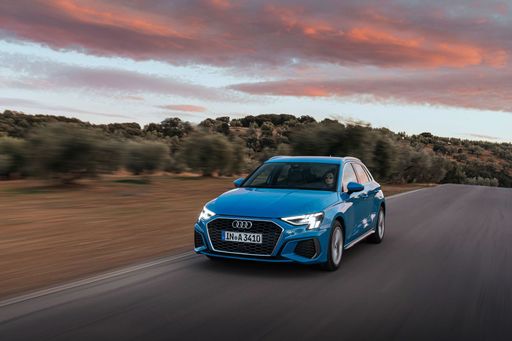
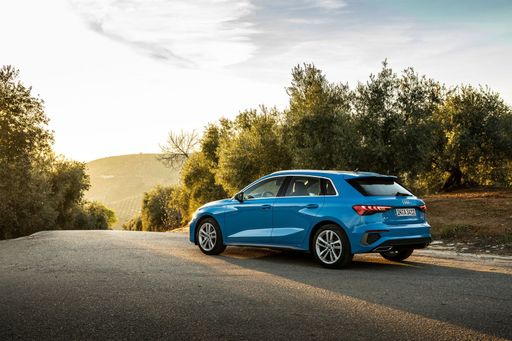
The Audi A3 Sportback is a refined hatchback, known for its sleek and modern design. Its dimensions, with a length of up to 4381 mm, width of 1851 mm, and height of 1418 mm, offer a compact yet spacious environment perfect for city driving or weekend getaways. In comparison, the Peugeot Socio is a versatile cargo van, designed for practicality. With a length of 4751 mm and a taller stance at 1812 mm, it maximizes utility space and is ideal for those needing ample cargo capacity, boasting a vast trunk capacity of 1800 liters.

A3 Sportback

Engine and Performance

The A3 Sportback provides a variety of engine choices, including petrol, petrol MHEV, diesel, and a plug-in hybrid. Power output varies significantly, ranging from 116 to 400 HP, allowing drivers to pick performance levels that match their priorities, be it efficiency or power. The hybrid option further enhances its appeal with an electric range of up to 143 km.

The Peugeot Socio, on the other hand, comes with electric, diesel, and petrol engines, offering power outputs between 102 and 136 HP. Although it doesn't quite match the Sportback in raw power, its electric variant offers an impressive 354 km range, emphasizing eco-friendliness and cost-efficiency.

Partner

Transmission and Drive Type

The A3 Sportback excels with options for both manual and dual-clutch automatic transmissions, aligning with Audi's reputation for driving excellence. It also offers the flexibility of front-wheel and all-wheel drive options, catering to diverse driving conditions and preferences.

The Socio sticks to a more straightforward approach with manual and automatic gearboxes, maintaining front-wheel drive across its models. This supports its role as a reliable everyday transporter rather than a contender for sporty driving dynamics.

A3 Sportback

Interior and Seating

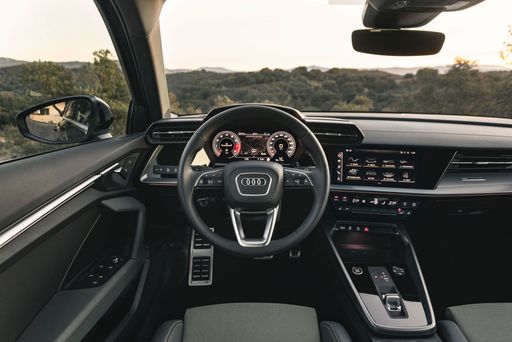
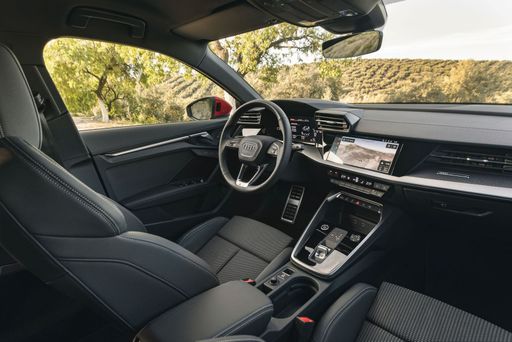
Inside the A3 Sportback, you'll find a well-appointed cabin, equipped to seat five comfortably. It strikes a balance between luxury and technology, featuring cutting-edge infotainment systems and high-quality materials that elevate the driving experience.

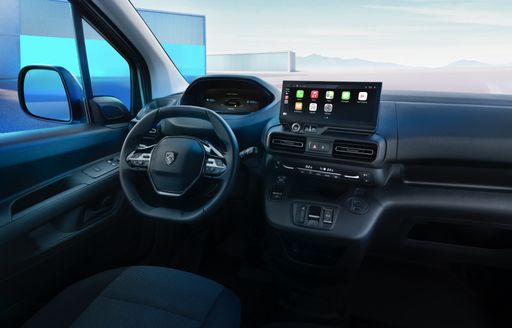
Conversely, the Peugeot Socio offers configurations for either two or five seats, providing flexibility depending on cargo needs. It may lack the luxuries of the A3 but compensates with sheer functionality and user-friendly controls suited for commercial use or family transport.

Partner

Efficiency and Environmental Impact

The A3 Sportback's hybrid model shines with an efficiency of 0.3 L/100 km, making it a standout choice among eco-conscious consumers. Furthermore, its CO2 emissions class ranges from B to D, showcasing a commitment to reducing environmental impact.

The Socio features an admirable electric-consuming rate of 17.4 kWh/100km, and diesel options with CO2 levels reaching as low as 136 g/km. Its ecological footprint is reduced further with the zero-emission electric variant, appealing to those looking to minimize their environmental impact.

A3 Sportback

Conclusion

The Audi A3 Sportback and Peugeot Socio cater to distinct market needs. The A3 Sportback appeals to those seeking a blend of performance, luxury, and efficiency with a modern hatchback style. Meanwhile, the Peugeot Socio stands out for individuals or businesses needing space, reliability, and an eco-friendly footprint in a cargo van. Each vehicle represents a strategic choice, dependent on the specific requirements of the buyer.

Here’s where it gets real: The technical differences in detail

A3 Sportback

Costs and Efficiency:

When it comes to price and running costs, the biggest differences usually appear. This is often where you see which car fits your budget better in the long run.

Peugeot Partner is marginally cheaper – starting at 26,100 £ , while the Audi A3 Sportback costs 27,000 £ . That’s a price difference of around 888 £.

Fuel consumption also shows a difference: the Audi A3 Sportback uses 1.1 L/100km and is clearly more efficient than the Peugeot Partner with 5.2 L/100km. The difference is about 4.1 L/100km.

As for electric range, the Peugeot Partner offers considerably more range – reaching up to 354 km, about 213 km more than the Audi A3 Sportback.

Partner

Engine and Performance:

Power, torque and acceleration say a lot about how a car feels on the road. This is where you see which model delivers more driving dynamics.

When it comes to engine power, the Audi A3 Sportback offers significantly more power – delivering 400 HP compared to 136 HP. That’s roughly 264 HP more horsepower.

When accelerating from 0 to 100 km/h, the Audi A3 Sportback is significantly quicker – completing the sprint in 3.8 s, while the Peugeot Partner takes 11.2 s. That’s about 7.4 s quicker.

There’s also a difference in torque: the Audi A3 Sportback delivers visibly more torque with 500 Nm compared to 300 Nm. That’s about 200 Nm more.

A3 Sportback

Space and Everyday Use:

Beyond pure performance, interior space and usability matter most in daily life. This is where you see which car is more practical and versatile.

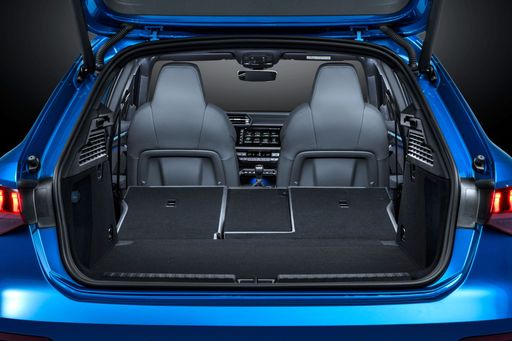
Seats: Audi A3 Sportback offers more seats – 5 vs 3.

In terms of curb weight, Audi A3 Sportback is barely lighter – 1,345 kg compared to 1,371 kg. The difference is around 26 kg.

When it comes to payload, the Peugeot Partner carries markedly more – 781 kg compared to 485 kg. That’s a difference of about 296 kg.

Who wins the race in the data check?

The Audi A3 Sportback is clearly superior overall in the objective data comparison.
This result only shows which model scores more points on paper – not which of the two cars feels right for you.

from £27,000
A3 Sportback

Audi A3 Sportback

  • Engine Type Petrol, Petrol MHEV, Diesel, Plugin Hybrid
  • Transmission Manuel, Automatic
  • Drive Type Front-Wheel Drive, All-Wheel Drive
  • Power HP 116 - 400 HP
  • Consumption L/100km 1.1 - 9.3 L/100km
  • Electric Range 134 - 141 km
Audi A3 Sportback
Peugeot Partner

Costs and Consumption

View detailed analysis

Engine and Performance

View detailed analysis

Dimensions and Body

View detailed analysis

Audi A3 Sportback

The Audi A3 Sportback wraps premium materials and crisp German design into a practical hatchback package that makes daily driving feel smart rather than showy. It’s nimble in the city, composed on longer trips, and carries just enough swagger to satisfy buyers who want quality without shouting about it.

details

Peugeot Partner

The Peugeot Partner is a no-nonsense workhorse that doubles as a surprisingly comfy family mover, combining clever storage solutions with an easy-to-live-in cabin. It won’t win any beauty contests, but for small businesses and active families it’s practical, economical and utterly reliable when the day gets busy.

details
Audi A3 Sportback
Peugeot Partner

Costs and Consumption

Price
27,000 - 92,900 £
Price
26,100 - 33,500 £
Consumption L/100km
1.1 - 9.3 L/100km
Consumption L/100km
5.2 - 5.4 L/100km
Consumption kWh/100km
-
Consumption kWh/100km
17.4 kWh/100km
Electric Range
134 - 141 km
Electric Range
354 km
Battery Capacity
-
Battery Capacity
-
co2
25 - 211 g/km
co2
0 - 143 g/km
Fuel tank capacity
-
Fuel tank capacity
-

Dimensions and Body

Body Type
Hatchback
Body Type
Cargo Van
Seats
5
Seats
3
Doors
-
Doors
-
Curb weight
1,345 - 1,685 kg
Curb weight
1,371 - 1,674 kg
Trunk capacity
280 - 380 L
Trunk capacity
-
Length
-
Length
-
Width
1,816 - 1,851 mm
Width
1,848 mm
Height
-
Height
-
Max trunk capacity
-
Max trunk capacity
-
Payload
410 - 485 kg
Payload
645 - 781 kg

Engine and Performance

Engine Type
Petrol, Petrol MHEV, Diesel, Plugin Hybrid
Engine Type
Electric, Diesel
Transmission
Manuel, Automatic
Transmission
Automatic, Manuel
Transmission Detail
Manual Gearbox, Dual-Clutch Automatic
Transmission Detail
Reduction Gearbox, Manual Gearbox, Automatic Gearbox
Drive Type
Front-Wheel Drive, All-Wheel Drive
Drive Type
Front-Wheel Drive
Power HP
116 - 400 HP
Power HP
102 - 136 HP
Acceleration 0-100km/h
3.8 - 10.1 s
Acceleration 0-100km/h
11.2 s
Max Speed
-
Max Speed
-
Torque
220 - 500 Nm
Torque
250 - 300 Nm
Number of Cylinders
4 - 5
Number of Cylinders
4
Power kW
85 - 294 kW
Power kW
75 - 100 kW
Engine capacity
1,498 - 2,480 cm3
Engine capacity
1,499 cm3

General

Model Year
2,025 - 2,026
Model Year
2025
CO2 Efficiency Class
D, F, E, G, B
CO2 Efficiency Class
A, E
Brand
Audi
Brand
Peugeot
DriveDuel uses data analysis and artificial intelligence to evaluate vehicle data and create content. Content is regularly reviewed and improved. The displayed prices are estimates based on German list prices, adjusted to the respective country’s VAT. Country-specific registration taxes are not included. This information is not legally binding.