VS

Audi A4 Avant vs BMW X3 comparison

Compare performance (470 HP vs 398 HP), boot space and price (37,200 £ vs 51,700 £ ) at a glance. Find out which car is the better choice for you – Audi A4 Avant or BMW X3?

Audi A4 Avant vs BMW X3: Key differences

Audi A4 Avant

5 (1 Reviews)
rate
  • noticeably cheaper
  • slightly more power
  • noticeably quicker 0–100 km/h
  • clearly lighter
details

BMW X3

4.6 (1 Reviews)
rate
  • significantly more efficient
  • moderately more trunk space
details

By Achim Sedelmaier

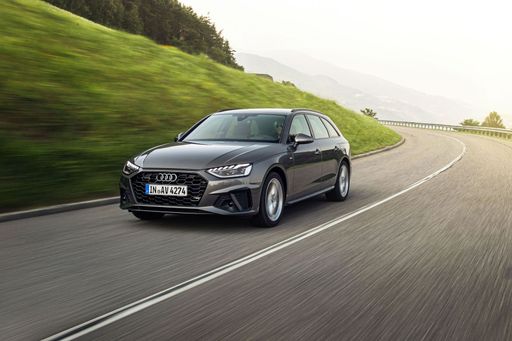
A4 Avant

The automotive landscape is continually evolving, with brands like Audi and BMW leading the charge in luxury and performance. In this comparative analysis, we take a closer look at the Audi A4 Avant and the BMW X3, two titans of their respective classes: the wagon segment and the SUV category. Both vehicles present remarkable technical innovations and exquisite designs, appealing to different customer needs.
X3

Styling and Design

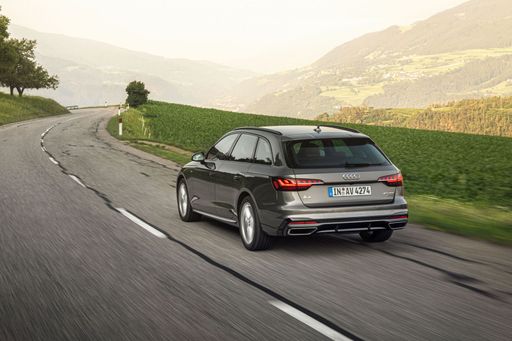
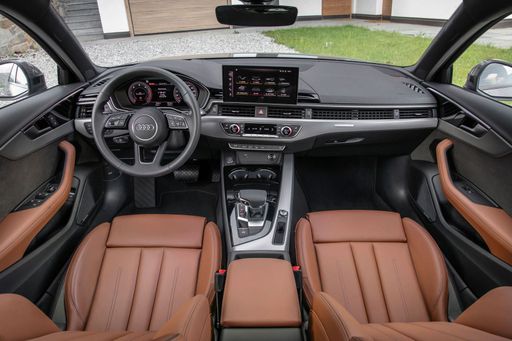
The Audi A4 Avant embodies a sleek, aerodynamic aesthetic typical of Audi's design philosophy. Its wagon body type offers practicality without sacrificing elegance, with clean lines and a distinctive Singleframe grille. The spacious interior, coupled with high-quality materials, creates a luxurious environment for passengers.

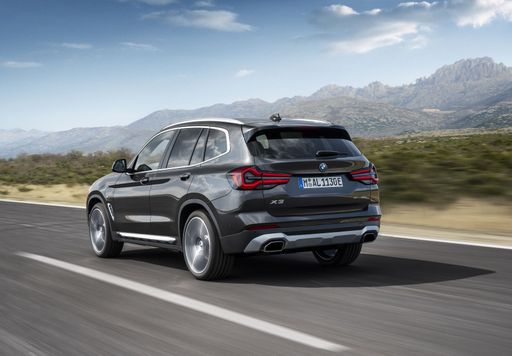
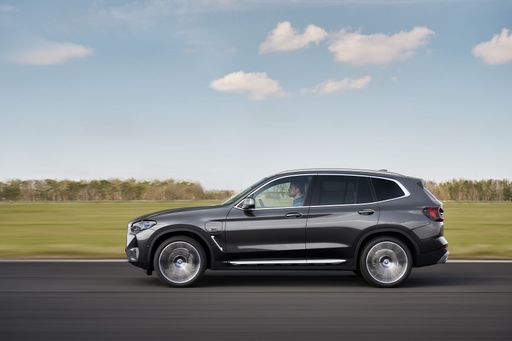
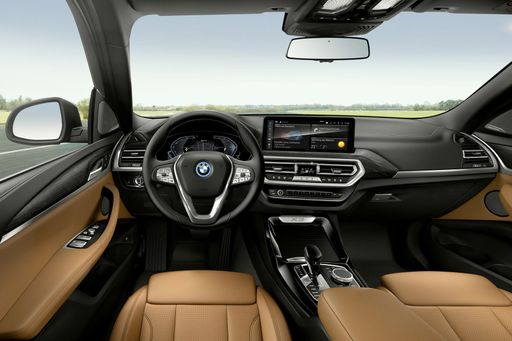
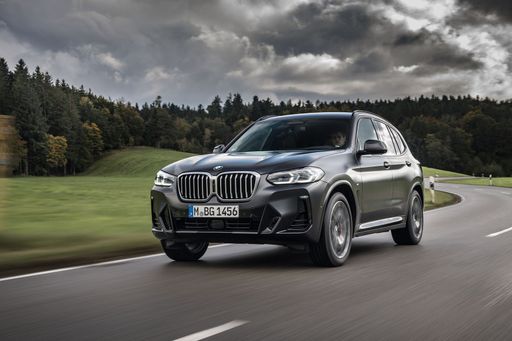
In contrast, the BMW X3 presents a robust and muscular profile characteristic of SUVs. Its elevated stance and defined body contours provide a commanding road presence. The X3’s interior combines functionality with luxurious elements, featuring BMW's trademark driver-focused layout and advanced technology integrations.

A4 Avant

Engine Specifications and Performance

The Audi A4 Avant offers a selection of engines, ranging from diesel to petrol MHEVs, providing power outputs between 136 HP and a formidable 470 HP. Its duo-clutch automatic transmission ensures swift gear changes, enhancing driving dynamics. The all-wheel-drive (AWD) system provides excellent traction, making it suitable for various driving conditions.

The BMW X3 showcases a diverse engine lineup as well, with options covering petrol, diesel, and plug-in hybrid variants. Power outputs vary from 190 HP to an impressive 510 HP in the high-performance models. The X3's focus on a responsive automatic gearbox paired with its AWD system ensures agile handling and performance, even in challenging terrains.

X3

Efficiency and Fuel Consumption

When it comes to efficiency, the Audi A4 Avant stands out with fuel consumption rates ranging from 4.8 to 9.7 L/100 km, depending on the engine choice. This level of efficiency can be attributed to Audi’s commitment to integrating Mild Hybrid Electric Vehicle (MHEV) technology, ensuring cleaner driving experiences while maintaining performance.

On the other hand, the BMW X3 also offers competitive figures, with consumption as low as 0.9 L/100 km in its hybrid variant, highlighting the push towards sustainability in the SUV sector. Most models fall within a range of 6.2 to 10.8 L/100 km, emphasizing efficiency without compromising power.

A4 Avant

Innovation and Technology

Both the A4 Avant and the X3 are equipped with cutting-edge technology that enhances safety and driving experience. Audi’s MMI infotainment system offers intuitive controls, connectivity features, and a digital cockpit that displays essential driving information. Additionally, advanced driver-assistance systems (ADAS) elevate the safety levels in the A4, reassuring both drivers and passengers.

BMW's X3 counters with its iDrive system, known for its user-friendly interface and advanced navigation features. The integration of driver assistance technologies such as adaptive cruise control and lane-keeping assist adds a layer of security while on the road. The optional gesture control also showcases BMW's commitment to innovation.

X3

Practicality and Space

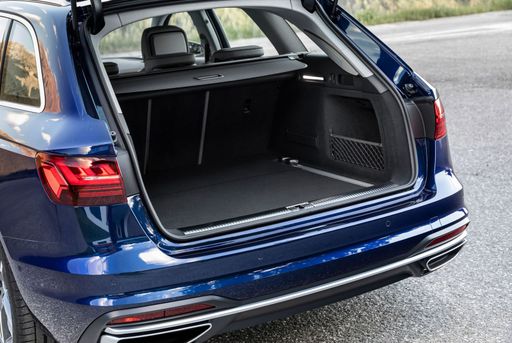
As a wagon, the Audi A4 Avant boasts a trunk capacity of 495 liters, providing ample room for luggage and groceries. Its five-seat configuration ensures comfort without sacrificing storage space. The thoughtful interior layout includes convenient storage options, enhancing everyday usability.

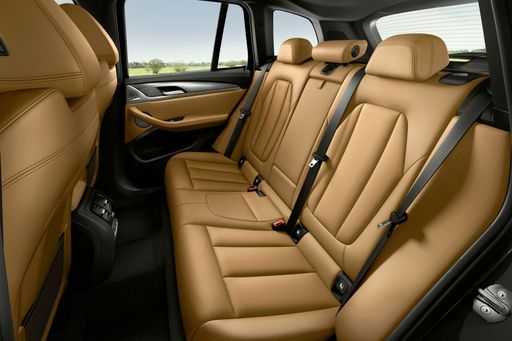
The BMW X3 excels in terms of practicality, offering a larger trunk capacity of up to 570 liters, which can be expanded with rear seats that fold flat. Designed as an SUV, the X3 naturally offers a more commanding driving position, appealing to those who prefer a higher vantage point while driving.

A4 Avant

Conclusion

In conclusion, both the Audi A4 Avant and the BMW X3 are exceptional vehicles in their own right. The Audi A4 Avant shines through with its sophisticated design, fuel efficiency, and a blend of performance and comfort. Meanwhile, the BMW X3 proves to be a versatile SUV packed with innovative technology and practical space for families or adventurers alike. The choice between the two ultimately hinges on personal preference for style, driving experience, and specific needs regarding space and efficiency.

Here’s where it gets real: The technical differences in detail

A4 Avant

Costs and Efficiency:

Price and efficiency are key factors when choosing a car – and this is often where the real differences emerge.

Audi A4 Avant is noticeably cheaper – starting at 37,200 £ , while the BMW X3 costs 51,700 £ . That’s a price difference of around 14,443 £.

Fuel consumption also shows a difference: the BMW X3 uses 2.8 L/100km and is significantly more efficient than the Audi A4 Avant with 4.8 L/100km. The difference is about 2 L/100km.

X3

Engine and Performance:

Power, torque and acceleration say a lot about how a car feels on the road. This is where you see which model delivers more driving dynamics.

When it comes to engine power, the Audi A4 Avant offers slightly more power – delivering 470 HP compared to 398 HP. That’s roughly 72 HP more horsepower.

When accelerating from 0 to 100 km/h, the Audi A4 Avant is noticeably quicker – completing the sprint in 3.7 s, while the BMW X3 takes 4.6 s. That’s about 0.9 s quicker.

There’s also a difference in torque: the BMW X3 delivers a bit more torque with 670 Nm compared to 600 Nm. That’s about 70 Nm more.

A4 Avant

Space and Everyday Use:

Beyond pure performance, interior space and usability matter most in daily life. This is where you see which car is more practical and versatile.

Both vehicles offer seating for 5 people.

In terms of curb weight, Audi A4 Avant is clearly lighter – 1,595 kg compared to 1,930 kg. The difference is around 335 kg.

Looking at boot space, the BMW X3 offers moderately more boot space – 570 L compared to 495 L. That’s a difference of about 75 L.

When it comes to payload, the BMW X3 carries barely more – 570 kg compared to 565 kg. That’s a difference of about 5 kg.

Who wins the race in the data check?

The BMW X3 holds a decisive overall lead in the objective data comparison.
This result only shows which model scores more points on paper – not which of the two cars feels right for you.

from £51,700
X3

BMW X3

  • Engine Type : Petrol MHEV, Diesel MHEV, Plugin Hybrid
  • Transmission : Automatic
  • Drive Type : All-Wheel Drive
  • Power HP : 197 - 398 HP
  • Consumption L/100km : 2.8 - 7.7 L/100km
  • Electric Range : 88 km
Audi A4 Avant
BMW X3

Costs and Consumption

View detailed analysis

Engine and Performance

View detailed analysis

Dimensions and Body

View detailed analysis

Audi A4 Avant

The Audi A4 Avant blends elegant, understated styling with practical estate versatility, making it a polished choice for drivers who want both poise and generous cargo space. Inside, the cabin feels premium and tech-forward while the composed driving manners turn routine journeys into a quietly satisfying experience—exactly the sensible indulgence buyers will appreciate.

details

BMW X3

The BMW X3 mixes Bavarian poise with everyday practicality, delivering a composed ride and a cabin that feels both premium and lived-in. It’s the sort of SUV that lets you enjoy sporty handling without sacrificing family-friendly space, so you get fun and sense in one neat package.

details
Audi A4 Avant
BMW X3

Costs and Consumption

Price
37,200 - 122,500 £
Price
51,700 - 73,000 £
Consumption L/100km
4.8 - 9.7 L/100km
Consumption L/100km
2.8 - 7.7 L/100km
Consumption kWh/100km
-
Consumption kWh/100km
-
Electric Range
-
Electric Range
88 km
Battery Capacity
-
Battery Capacity
-
co2
126 - 220 g/km
co2
64 - 175 g/km
Fuel tank capacity
40 - 58 L
Fuel tank capacity
-

Dimensions and Body

Body Type
Estate
Body Type
SUV
Seats
5
Seats
5
Doors
5
Doors
-
Curb weight
1,595 - 1,820 kg
Curb weight
1,930 - 2,140 kg
Trunk capacity
495 L
Trunk capacity
460 - 570 L
Length
4,750 - 4,782 mm
Length
-
Width
1,842 - 1,866 mm
Width
1,920 mm
Height
1,428 - 1,493 mm
Height
-
Max trunk capacity
1,495 L
Max trunk capacity
-
Payload
510 - 565 kg
Payload
570 kg

Engine and Performance

Engine Type
Diesel MHEV, Petrol MHEV, Petrol
Engine Type
Petrol MHEV, Diesel MHEV, Plugin Hybrid
Transmission
Automatic
Transmission
Automatic
Transmission Detail
Dual-Clutch Automatic, Automatic Gearbox
Transmission Detail
Automatic Gearbox
Drive Type
All-Wheel Drive, Front-Wheel Drive
Drive Type
All-Wheel Drive
Power HP
136 - 470 HP
Power HP
197 - 398 HP
Acceleration 0-100km/h
3.7 - 9.8 s
Acceleration 0-100km/h
4.6 - 7.8 s
Max Speed
210 - 300 km/h
Max Speed
-
Torque
270 - 600 Nm
Torque
330 - 670 Nm
Number of Cylinders
4 - 6
Number of Cylinders
4 - 6
Power kW
100 - 346 kW
Power kW
145 - 293 kW
Engine capacity
1,968 - 2,894 cm3
Engine capacity
1,995 - 2,998 cm3

General

Model Year
2,023 - 2,024
Model Year
2,024 - 2,025
CO2 Efficiency Class
E, F, D, G
CO2 Efficiency Class
F, E, B
Brand
Audi
Brand
BMW
DriveDuel uses data analysis and artificial intelligence to evaluate vehicle data and create content. Content is regularly reviewed and improved. The displayed prices are estimates based on German list prices, adjusted to the respective country’s VAT. Country-specific registration taxes are not included. This information is not legally binding.