@ Audi AG
@ BMW Group Press
VS

Audi A6 Avant vs BMW X3 – Which car suits you better?

Both models have their strengths – but which one suits you more?
Compare performance, efficiency, price and space directly: Audi A6 Avant or BMW X3?

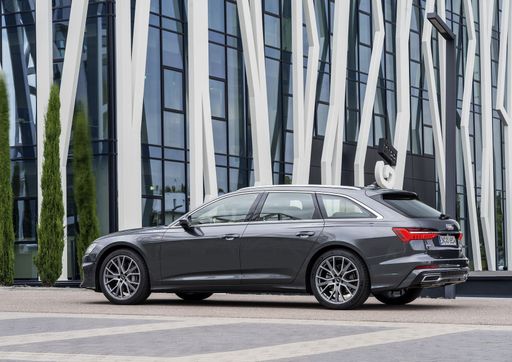
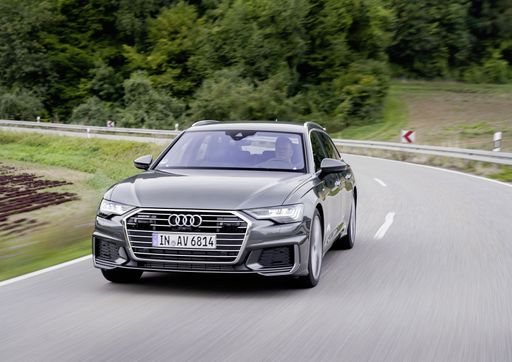
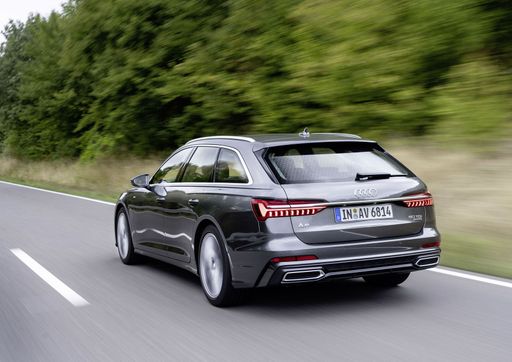
A6 Avant @ Audi AG

When it comes to luxury and performance, the Audi A6 Avant and BMW X3 are two strong contenders that appeal to a wide audience. Each vehicle brings its own unique characteristics, advanced technology, and performance specifications to the table. In this comparison, we will delve into the technical aspects, innovations, and practical features of these two vehicles.
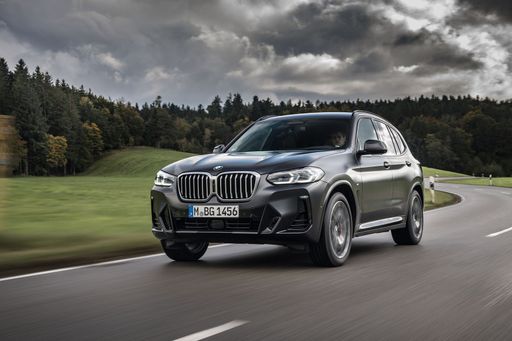
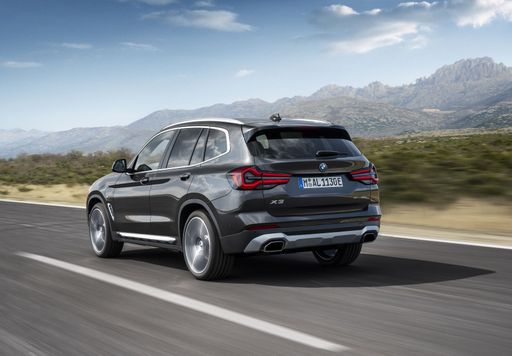
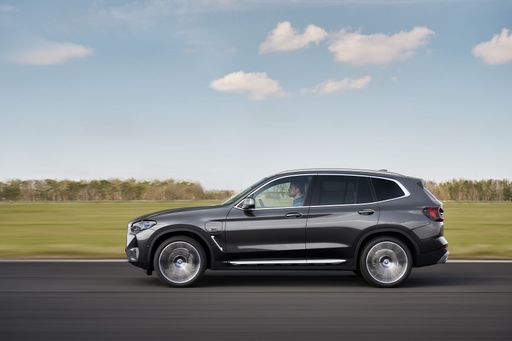
X3 @ BMW Group Press

Design and Body Style

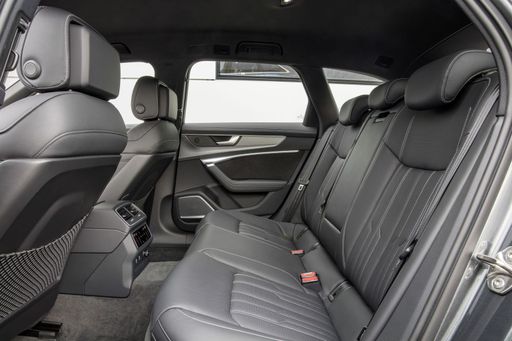
The Audi A6 Avant is a wagon that embodies elegance and practicality. With a length of approximately 4,939 mm to 4,995 mm, it boasts a sleek, aerodynamic design that enhances its performance while providing ample space for five passengers and luggage, with a trunk capacity ranging from 405 to 565 liters.

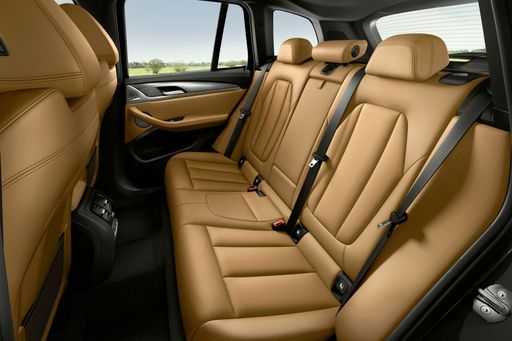
On the other hand, the BMW X3 is an SUV that offers a more rugged and robust aesthetic. Measuring between 4,708 mm and 4,755 mm in length, it also accommodates five passengers and has a trunk capacity of up to 570 liters, making it ideal for families or those needing extra storage space.

A6 Avant @ Audi AG

Performance and Engine Options

The Audi A6 Avant offers a range of engine options primarily focusing on efficiency and power. Engine choices include Diesel MHEV, Petrol MHEV, and Plugin Hybrid variants, with outputs ranging from 163 HP to a spectacular 630 HP. The A6 Avant features dual-clutch and automatic gearboxes, providing a smooth driving experience. The 0-100 km/h acceleration times vary from a quick 3.4 seconds for the high-end model to about 9.4 seconds for the lower-end options.

In comparison, the BMW X3 also offers a diverse array of engines, including Diesel MHEV, Petrol MHEV, Plugin Hybrid, and conventional petrol options, producing between 184 HP and 510 HP. The X3 features an automatic transmission and predominantly all-wheel-drive configurations, delivering impressive acceleration from 0-100 km/h as quick as 3.8 seconds for the top models.

X3 @ BMW Group Press

Fuel Efficiency and CO2 Emissions

In terms of fuel efficiency, the Audi A6 Avant holds its ground well. The consumption figures range from 5.4 liters to 12.3 liters per 100 km, demonstrating its ability to balance performance and efficiency—ideal for those who prioritize long-range travel.

The BMW X3 also produces competitive fuel consumption figures, varying from 5.8 liters to 10.8 liters per 100 km. Both vehicles show commitment to reducing carbon footprints, with CO2 emissions for the A6 ranging from 143 g/km to 280 g/km, while the X3's emissions range between 21 g/km and 246 g/km.

A6 Avant @ Audi AG

Interior and Technological Innovations

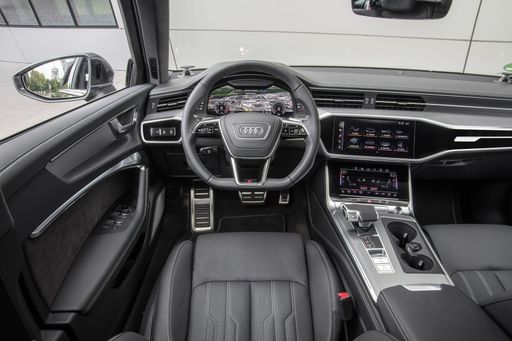
The interior of the Audi A6 Avant is designed with luxury and comfort in mind. Audi's Virtual Cockpit offers a high-resolution display for drivers, and the MMI infotainment system integrates seamless connectivity and navigation features. High-quality materials and options for ambient lighting create an inviting cabin environment.

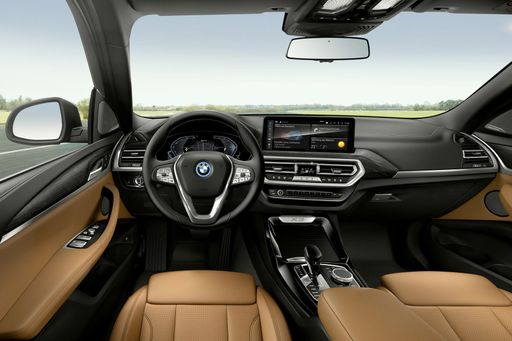
Conversely, the BMW X3 focuses on driver engagement and cutting-edge technology. The iDrive infotainment system is intuitive and offers numerous connectivity features, including a digital display and optional gesture controls. With an incredible stereo system available, the X3 ensures an enjoyable journey for everyone aboard.

X3 @ BMW Group Press

Safety Features and Driving Aids

Safety is paramount in both vehicles. The Audi A6 Avant boasts advanced safety technologies, including adaptive cruise control, lane-keeping assist, and a 360-degree camera system, ensuring confident driving in varied conditions.

The BMW X3 matches these features with its own suite of safety technologies, incorporating lane departure warning, automatic emergency braking, and a robust set of driver assistance systems designed to enhance the safety of all passengers.

A6 Avant @ Audi AG

Conclusion

Both the Audi A6 Avant and BMW X3 are remarkable vehicles that cater to different preferences. The A6 Avant excels in luxury and style, making it suitable for those prioritizing comfort and aesthetics. On the contrary, the BMW X3 provides a more rugged, versatile option with an emphasis on performance and advanced technology. Ultimately, choosing between these two driving machines will depend on individual needs, lifestyle, and preferences. Whether you opt for the elegance of the Audi A6 Avant or the sporty robustness of the BMW X3, you are guaranteed a premium driving experience.

Here’s where it gets real: The technical differences in detail

X3 @ BMW Group Press

Costs and Efficiency:

When it comes to price and running costs, the biggest differences usually appear. This is often where you see which car fits your budget better in the long run.

Audi A6 Avant has a barely noticeable advantage in terms of price – it starts at 49700 £, while the BMW X3 costs 51300 £. That’s a price difference of around 1543 £.

Fuel consumption also shows a difference: Audi A6 Avant manages with 2.30 L and is therefore clearly perceptible more efficient than the BMW X3 with 2.80 L. The difference is about 0.50 L per 100 km.

As for range, the Audi A6 Avant performs slightly better – achieving up to 101 km, about 13 km more than the BMW X3.

A6 Avant @ Audi AG

Engine and Performance:

Under the bonnet, it becomes clear which model is tuned for sportiness and which one takes the lead when you hit the accelerator.

When it comes to engine power, the BMW X3 has a hardly perceptible edge – offering 398 HP compared to 367 HP. That’s roughly 31 HP more horsepower.

In acceleration from 0 to 100 km/h, the BMW X3 is barely noticeable quicker – completing the sprint in 4.60 s, while the Audi A6 Avant takes 4.70 s. That’s about 0.10 s faster.

There’s no difference in top speed – both reach 250 km/h.

There’s also a difference in torque: BMW X3 pulls to a small extent stronger with 670 Nm compared to 550 Nm. That’s about 120 Nm difference.

X3 @ BMW Group Press

Space and Everyday Use:

Whether family car or daily driver – which one offers more room, flexibility and comfort?

Both vehicles offer seating for 5 people.

In curb weight, Audi A6 Avant is hardly perceptible lighter – 1865 kg compared to 1930 kg. The difference is around 65 kg.

In terms of boot space, the BMW X3 offers slightly more room – 570 L compared to 503 L. That’s a difference of about 67 L.

In maximum load capacity, the BMW X3 performs minimal better – up to 1700 L, which is about 166 L more than the Audi A6 Avant.

Maximum payload is identical – both can carry up to 570 kg.

Who wins the race?

The Audi A6 Avant proves to be barely ahead and therefore becomes our DriveDuel Champion!
Audi A6 Avant is the better all-rounder in this comparison.

from about £49,700
A6 Avant @ Audi AG

Audi A6 Avant

  • Engine Type : Petrol, Petrol MHEV, Diesel MHEV, Plugin Hybrid
  • Transmission : Automatic
  • Drive Type : Front-Wheel Drive, All-Wheel Drive
  • Power HP : 204 - 367 HP
  • Consumption L/100km : 2.3 - 7.5 L
  • Electric Range : 94 - 101 km

Audi A6 Avant

The Audi A6 Avant wraps executive poise and usable practicality into an impeccably finished estate that makes everyday driving feel noticeably more grown-up. It serves up a calm, composed ride and clever packaging for buyers who want space and refinement without ostentation — the sensible choice that still manages to impress.

details

BMW X3

The BMW X3 mixes Bavarian poise with everyday practicality, delivering a composed ride and a cabin that feels both premium and lived-in. It’s the sort of SUV that lets you enjoy sporty handling without sacrificing family-friendly space, so you get fun and sense in one neat package.

details
Audi A6 Avant
BMW X3
A6 Avant @ Audi AG
X3 @ BMW Group Press

Costs and Consumption

Price
49700 - 70200 £
Price
51300 - 72400 £
Consumption L/100km
2.3 - 7.5 L
Consumption L/100km
2.8 - 7.7 L
Consumption kWh/100km
-
Consumption kWh/100km
-
Electric Range
94 - 101 km
Electric Range
88 km
Battery Capacity
20.70 kWh
Battery Capacity
19.70 kWh
co2
53 - 170 g/km
co2
64 - 175 g/km
Fuel tank capacity
46 - 60 L
Fuel tank capacity
50 - 65 L

Dimensions and Body

Body Type
Estate
Body Type
SUV
Seats
5
Seats
5
Doors
5
Doors
5
Curb weight
1865 - 2240 kg
Curb weight
1930 - 2140 kg
Trunk capacity
404 - 503 L
Trunk capacity
460 - 570 L
Length
4999 mm
Length
4755 mm
Width
1875 mm
Width
1920 mm
Height
1472 mm
Height
1660 mm
Max trunk capacity
1423 - 1534 L
Max trunk capacity
1600 - 1700 L
Payload
535 - 570 kg
Payload
570 kg

Engine and Performance

Engine Type
Petrol, Petrol MHEV, Diesel MHEV, Plugin Hybrid
Engine Type
Petrol MHEV, Diesel MHEV, Plugin Hybrid
Transmission
Automatic
Transmission
Automatic
Transmission Detail
Dual-Clutch Automatic
Transmission Detail
Automatic Gearbox
Drive Type
Front-Wheel Drive, All-Wheel Drive
Drive Type
All-Wheel Drive
Power HP
204 - 367 HP
Power HP
197 - 398 HP
Acceleration 0-100km/h
4.7 - 8.3 s
Acceleration 0-100km/h
4.6 - 7.8 s
Max Speed
238 - 250 km/h
Max Speed
215 - 250 km/h
Torque
340 - 550 Nm
Torque
330 - 670 Nm
Number of Cylinders
4 - 6
Number of Cylinders
4 - 6
Power kW
150 - 270 kW
Power kW
145 - 293 kW
Engine capacity
1968 - 2995 cm3
Engine capacity
1995 - 2998 cm3

General

Model Year
2025
Model Year
2024 - 2025
CO2 Efficiency Class
F, D, E, B
CO2 Efficiency Class
F, E, B
Brand
Audi
Brand
BMW
Is the Audi A6 Avant offered with different drivetrains?

The Audi A6 Avant is available as Front-Wheel Drive or All-Wheel Drive.

The prices and data displayed are estimates based on German list prices and may vary by country. This information is not legally binding.