
 Deutschland
 France
 Nederland
 Great Britain
 Italia
 España
VS
Audi A4 Limousine VS Mercedes Vito Bus – Specs, Efficiency & Price Comparison
Which model is the better choice – the Audi A4 Limousine or the Mercedes Vito Bus? We compare performance (265 HP vs 237 HP), boot capacity (460 L vs 1390 L), efficiency (4.60 L vs 26.70 kWh6.70 L), and of course, the price (35800 £ vs 36300 £).
Find out now which car fits your needs better!
The Audi A4 Limousine (Sedan) is powered by a Diesel MHEV or Petrol MHEV engine and comes with a Automatic transmission. In comparison, the Mercedes Vito Bus (Bus) features a Diesel, Electric or Petrol engine and a Manuel or Automatic gearbox.
When it comes to boot capacity, the Audi A4 Limousine offers 460 L, while the Mercedes Vito Bus provides 1390 L – depending on what matters most to you. If you’re looking for more power, you’ll need to decide whether the 265 HP of the Audi A4 Limousine or the 237 HP of the Mercedes Vito Bus suits your needs better.
There are also differences in efficiency: 4.60 L vs 26.70 kWh6.70 L. In terms of price, the Audi A4 Limousine starts at 35800 £, while the Mercedes Vito Bus is available from 36300 £.
Compare all the key specs now and find out which model fits your lifestyle best!
Audi A4 Limousine
The Audi A4 Limousine combines elegance with performance, showcasing a sleek design that captivates at first glance. Inside, the cabin offers a luxurious atmosphere, filled with high-quality materials and cutting-edge technology to enhance the driving experience. With its responsive handling and comfortable ride, the A4 proves itself as a versatile vehicle, ideal for both daily commuting and long journeys.
details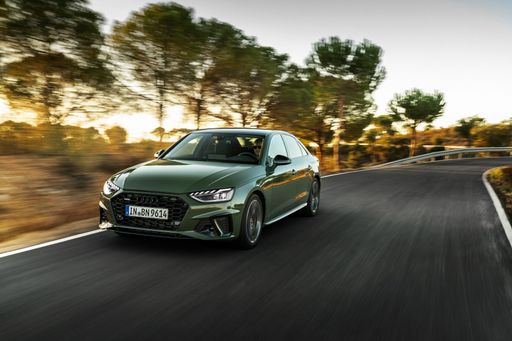 @ audi-mediacenter.com
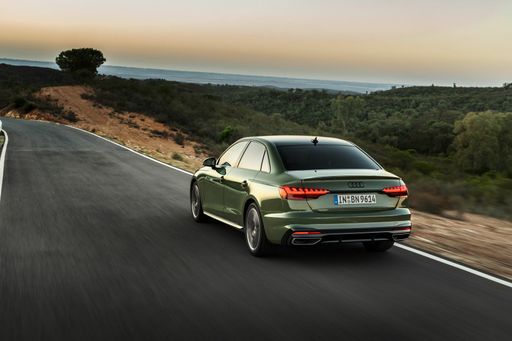 @ audi-mediacenter.com
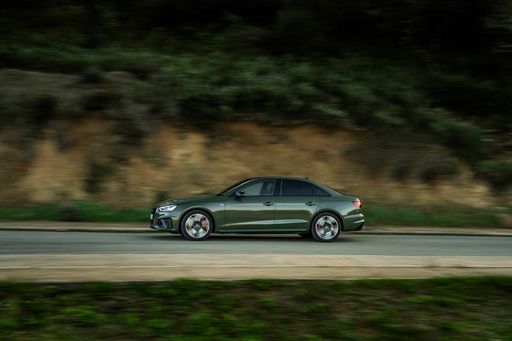 @ audi-mediacenter.com
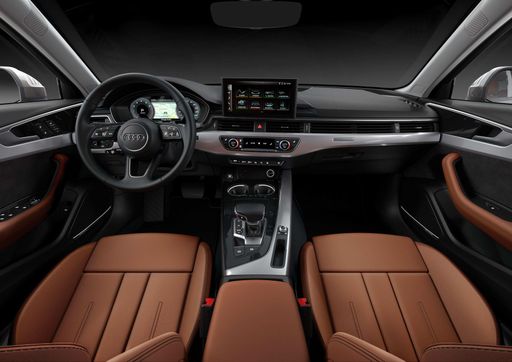 @ audi-mediacenter.com
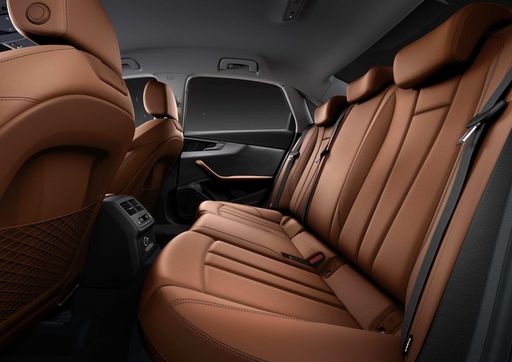 @ audi-mediacenter.com
Mercedes Vito Bus
The Mercedes-Benz Vito Bus offers a versatile solution for those in need of spacious and comfortable group transportation. Its refined interior is designed to enhance passenger comfort, making it ideal for both business and leisure travel. With a focus on safety and efficiency, it provides a reliable driving experience that aligns with the high standards expected of the Mercedes-Benz brand.
details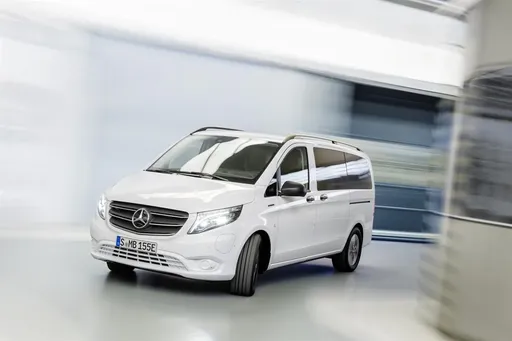
Audi A4 Limousine
Mercedes Vito Bus
|
|
|
|
|
|
Costs and Consumption |
|
|---|---|
|
Price
35800 - 46600 £
|
Price
36300 - 59000 £
|
|
Consumption L/100km
4.6 - 7.4 L
|
Consumption L/100km
6.7 - 10 L
|
|
Consumption kWh/100km
-
|
Consumption kWh/100km
26.7 - 26.9 kWh
|
|
Electric Range
-
|
Electric Range
248 - 370 km
|
|
Battery Capacity
-
|
Battery Capacity
60 - 90 kWh
|
|
co2
121 - 167 g/km
|
co2
0 - 228 g/km
|
|
Fuel tank capacity
40 - 58 L
|
Fuel tank capacity
57 - 70 L
|
Dimensions and Body |
|
|---|---|
|
Body Type
Sedan
|
Body Type
Bus
|
|
Seats
5
|
Seats
8
|
|
Doors
4
|
Doors
4
|
|
Curb weight
1545 - 1665 kg
|
Curb weight
2023 - 2739 kg
|
|
Trunk capacity
460 L
|
Trunk capacity
580 - 1390 L
|
|
Length
4762 mm
|
Length
4895 - 5370 mm
|
|
Width
1847 mm
|
Width
1928 mm
|
|
Height
1428 mm
|
Height
1890 mm
|
|
Payload
490 - 540 kg
|
Payload
726 - 1077 kg
|
Engine and Performance |
|
|---|---|
|
Engine Type
Diesel MHEV, Petrol MHEV
|
Engine Type
Diesel, Electric, Petrol
|
|
Transmission
Automatic
|
Transmission
Manuel, Automatic
|
|
Transmission Detail
Dual-Clutch Automatic
|
Transmission Detail
Schaltgetriebe, Automatikgetriebe
|
|
Drive Type
Front-Wheel Drive, All-Wheel Drive
|
Drive Type
Rear-Wheel Drive, All-Wheel Drive, Front-Wheel Drive
|
|
Power HP
136 - 265 HP
|
Power HP
136 - 237 HP
|
|
Acceleration 0-100km/h
5.5 - 9.5 s
|
Acceleration 0-100km/h
-
|
|
Max Speed
210 - 250 km/h
|
Max Speed
140 km/h
|
|
Torque
270 - 400 Nm
|
Torque
330 - 500 Nm
|
|
Number of Cylinders
4
|
Number of Cylinders
4
|
|
Power kW
100 - 195 kW
|
Power kW
100 - 174 kW
|
|
Engine capacity
1968 - 1984 cm3
|
Engine capacity
1950 - 1999 cm3
|
General |
|
|---|---|
|
Model Year
2023
|
Model Year
2024
|
|
CO2 Efficiency Class
D, E, F
|
CO2 Efficiency Class
G, A
|
|
Brand
Audi
|
Brand
Mercedes-Benz
|
Audi A4 Limousine
The Audi A4 Limousine stands as a compelling choice in the competitive luxury saloon market, blending performance, comfort, and advanced technology into an elegant package. As one of Audi's cornerstone models, the A4 has continuously evolved, integrating innovative features and efficient engineering that cater to modern driving demands.
Impressive Engine Options
Under the hood of the Audi A4 Limousine, buyers are presented with a variety of engine options that balance power and efficiency. The model range includes both Diesel and Mild-Hybrid variants, delivering power outputs from 136 to 265 PS. This extensive range accommodates various driving preferences, whether you prefer the responsive torque of a TDI diesel engine or the crisp performance of a TFSI petrol engine.
Advanced Mild-Hybrid Technology
One of the standout innovations in the A4 Limousine is its Mild-Hybrid technology. Audi has embraced this trend to enhance fuel efficiency and reduce emissions. This system utilises a 12-volt starter-generator that supports the engine during acceleration, improving performance while decreasing fuel consumption. For instance, the A4 can achieve impressive figures, with some models boasting fuel consumption as low as 4.6 L/100km, making it an attractive option for eco-conscious drivers.
Sophisticated Design and Comfort
The exterior design of the Audi A4 Limousine is unmistakably Audi, showcasing sleek lines and an athletic stance that commands attention. Inside, the cabin exudes luxury, featuring high-quality materials and a user-friendly interface. The MMI infotainment system, complete with a high-resolution display, supports seamless connectivity and provides access to navigation and entertainment options.
Performance and Driving Dynamics
When it comes to performance, the Audi A4 Limousine excels with a finely-tuned suspension system that optimises comfort while ensuring responsive handling. The availability of both front-wheel and quattro all-wheel drive options allows drivers to choose the setup that best suits their needs. This choice, alongside powerful engines that deliver rapid acceleration (with 0-100 km/h times ranging from 5.5 to 9.5 seconds), ensures a thrilling driving experience.
Safety and Driver Assistance Features
Audi prioritises safety, evident in the comprehensive suite of driver assistance systems available for the A4 Limousine. Features such as adaptive cruise control, lane departure warning, and traffic jam assist provide added confidence in various driving situations. Furthermore, the advanced airbag system and structural integrity of the vehicle enhance occupant protection in the event of a collision.
Conclusion: The Perfect Luxury Saloon
The Audi A4 Limousine embodies a perfect blend of luxury, performance, and advanced technology. With its stylish design, state-of-the-art features, and efficient powertrains, it continues to set the standard for what a modern saloon should be. Whether you're navigating city streets or cruising on the motorway, the A4 promises an enjoyable and refined driving experience.
Mercedes Vito Bus
The Mercedes Vito Bus: A Comprehensive Look at Innovation and Performance
In the automotive world, the Mercedes Vito Bus stands out as a versatile and reliable choice for those in need of a spacious and efficient mode of transport. With a reputation for engineering excellence, Mercedes-Benz has once again delivered with the latest versions of the Vito Bus. This article delves into the technical aspects, innovations, and what makes the Vito Bus a prime option in its segment.
Engine Power and Efficiency
The Mercedes Vito Bus offers a remarkable range of engine configurations, catering to both diesel and electric powertrains. The diesel models come with options ranging from 136 HP to a powerful 237 HP. The robust four-cylinder diesel engines are designed for efficiency, offering a range of fuel consumption figures from 6.7 L to 7.8 L per 100 kilometers, depending on the variant. Meanwhile, the electric eVito Tourer provides an impressive alternative with a power output of 204 HP and offers ranges of up to 371 kilometers on a single charge, making it a frontrunner in sustainable transportation solutions.
Transmission and Drivetrain Options
The Vito Bus is equipped with both manual and automatic transmission options, ensuring a drive tailored to user preferences. The 9G-TRONIC automatic gearbox is notable for its smooth transitions, enhancing the driving experience. Customers can choose between rear-wheel drive and the adaptable all-wheel drive system. The introduction of the eVito Tourer's front-wheel drive system further expands the versatility of the lineup, offering an electric alternative for urban and rural environments alike.
Interior Comfort and Practicality
The interior of the Vito Bus is designed with comfort and convenience in mind. Capable of seating up to eight passengers, the spacious cabin is ideal for family travel or business transportation. The Vito Bus offers three body lengths—kompakt, lang, and extralang—providing flexibility to accommodate different passenger and cargo requirements. The well-thought-out design ensures ample storage with trunk capacities ranging up to 1,390 liters in certain configurations.
Advanced Innovations
Mercedes-Benz has equipped the Vito Bus with a host of advanced technological features. The focus on safety is evident, with systems like Crosswind Assist and Attention Assist, ensuring greater control and alertness on the road. The eVito Tourer comes with the latest in electric vehicle technology, including efficient battery management systems that optimize range and performance.
Performance and Dynamics
The Vito Bus showcases impressive performance metrics across its variants. With a maximum torque ranging from 330 Nm to 500 Nm, the Vito Bus ensures a responsive and agile driving experience. The consistent build quality and dynamic chassis contribute to a pleasing ride, whether navigating city streets or cruising on the highway.
Conclusion
The Mercedes Vito Bus continues to be a leading choice for those looking for a reliable and performance-oriented vehicle. With its diverse range of engine options, innovative features, and versatile configurations, the Vito Bus meets the demands of both personal and professional transportation. The introduction of electric variants highlights Mercedes-Benz's commitment to sustainability without compromising on power or range. As the automotive industry continues to evolve, the Vito Bus exemplifies the blend of traditional excellence and forward-thinking innovation.
The prices and data displayed are estimates based on German list prices and may vary by country. This information is not legally binding.