VS

Audi Q4 e-tron vs Polestar 2 comparison

Compare performance (340 HP vs 476 HP), boot space and price (39,600 £ vs 42,000 £ ) at a glance. Find out which car is the better choice for you – Audi Q4 e-tron or Polestar 2?

Audi Q4 e-tron vs Polestar 2: Key differences

Audi Q4 e-tron

4.9 (2 Reviews)
rate
  • barely cheaper
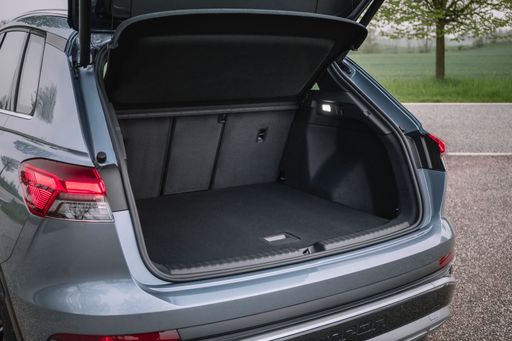
  • visibly more trunk space

Polestar 2

5 (1 Reviews)
rate
  • markedly more power
  • marginally more efficient
  • moderately more electric range
  • clearly quicker 0–100 km/h
  • marginally lighter
Q4 e-tron

The electric vehicle market is rapidly evolving, with compelling options emerging from various manufacturers. Two standout contenders are the Audi Q4 e-tron and the Polestar 2. Both vehicles offer distinctive designs, technological innovations, and impressive performance metrics. Here, we’ll delve into a detailed comparison of the Audi Q4 e-tron and Polestar 2, highlighting their technical aspects and innovations.
2

Design and Build Quality

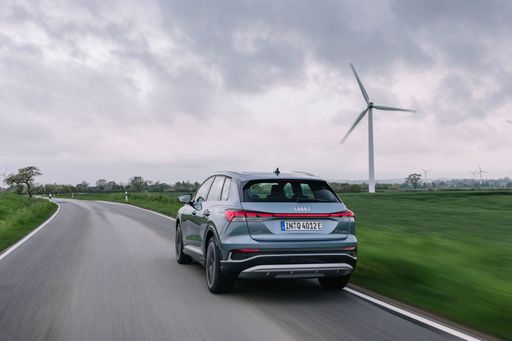
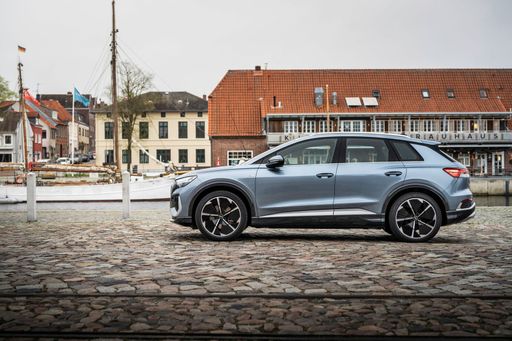
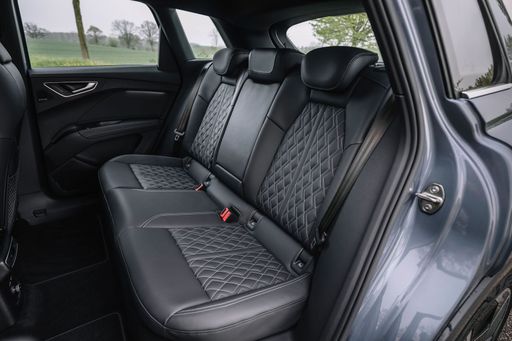
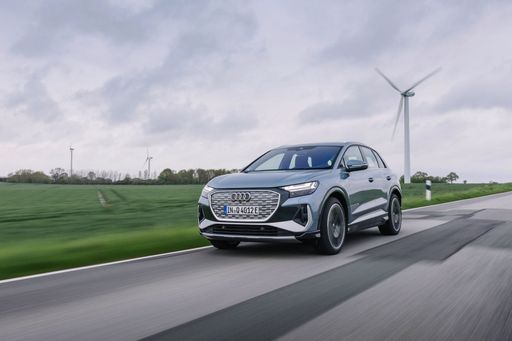
The Audi Q4 e-tron, an SUV, boasts a modern, sleek design that encapsulates Audi's signature aesthetic. Measuring 4588 mm in length, 1865 mm in width, and a height of 1632 mm, the Q4 provides an elevated driving position and a spacious interior. It features a trunk capacity of up to 535 liters, making it practical for everyday use.

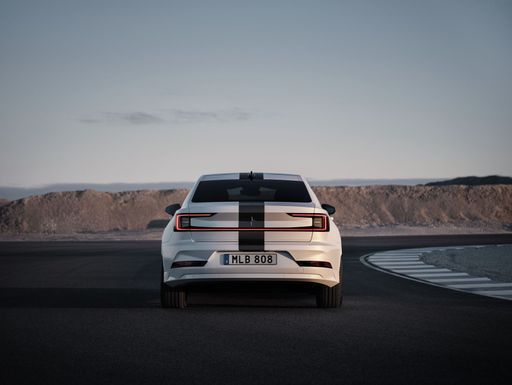
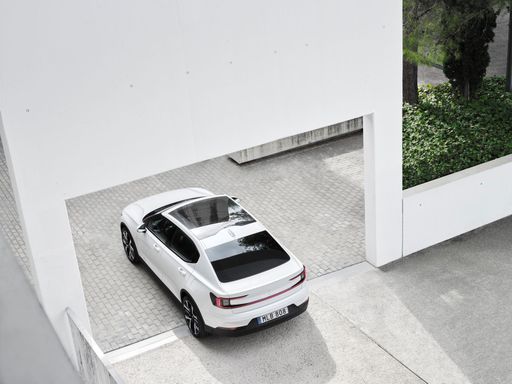
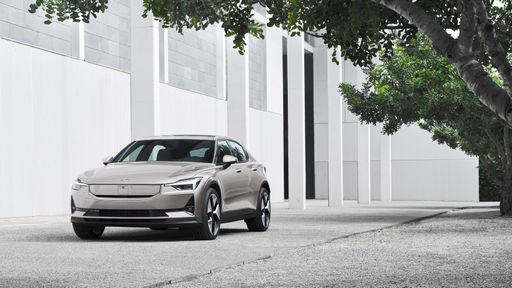
In contrast, the Polestar 2 presents a sporty hatchback design that is both aggressive and elegant. Stretching 4606 mm in length, with a width of 1859 mm and a height of 1479 mm, it offers a lower profile compared to the Q4. However, with a trunk capacity of 405 liters, it sacrifices some storage space for its athletic stance.

Q4 e-tron

Powertrains and Performance

The Audi Q4 e-tron offers a range of electric powertrains, including rear-wheel and all-wheel drive configurations. Its power output varies from 170 HP to a potent 340 HP, with torque numbers peaking at 545 Nm. The Q4's 0-100 km/h acceleration ranges from a respectable 9 seconds in the base model to an impressive 5.4 seconds in the top-end version.

On the other hand, the Polestar 2 shines with its powerful electric motors, yielding up to 476 HP in its most powerful variant. It accelerates from 0-100 km/h in just 4.2 seconds, showcasing remarkable performance. Torque figures reach up to 740 Nm, positioning the Polestar 2 as a performance-oriented alternative to the Q4.

2

Energy Efficiency and Range

When it comes to energy consumption, the Audi Q4 e-tron shows an impressive range of 351 to 554 km, depending on the variant and battery capacity of 52 kWh to 77 kWh. Its energy consumption hovers between 15.9 and 17.4 kWh/100 km, reflecting efficiency as a priority in its design.

The Polestar 2, with a single battery capacity of 78 kWh, offers an impressive electric range of 554 to 659 km and the lowest consumption figures, with a remarkable 14.7 kWh/100 km in its most efficient trim. This makes the Polestar 2 a standout in terms of long-distance potential and sustainability.

Q4 e-tron

Technological Features

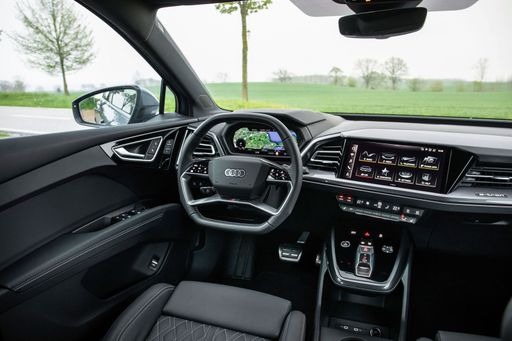
Both vehicles come equipped with cutting-edge technology to enhance the driving experience. The Audi Q4 e-tron features the MMI infotainment system with a 10.1-inch touchscreen and a fully digital instrument cluster, offering intuitive controls and connectivity options. It includes advanced driver-assistance systems that enhance safety and drive comfort.

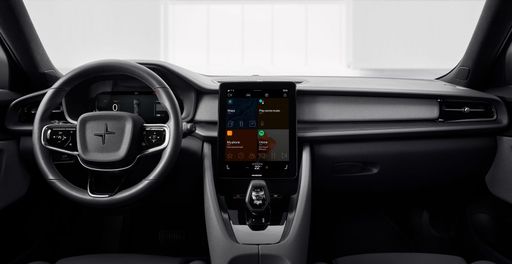
Similarly, the Polestar 2 incorporates a Google-based infotainment system, featuring a 12.3-inch touchscreen that integrates seamlessly with Google services for navigation, music, and more. Additionally, the Polestar’s focus on sustainability is evident in its use of recycled materials in the interior and advanced software updates over-the-air.

2

Conclusion: Which One to Choose?

In summary, the Audi Q4 e-tron excels with its spacious SUV design, effective use of interior space, and premium build quality, making it a practical choice for families and everyday users. Meanwhile, the Polestar 2 emphasizes performance, efficiency, and innovative technology, appealing to those who prioritize speed and cutting-edge features in their electric vehicle.

Ultimately, your choice between the Audi Q4 e-tron and the Polestar 2 should be guided by your personal priorities—be it space and comfort or performance and technological sophistication. Both vehicles represent the future of sustainable driving, and they showcase the diverse offerings in the electric vehicle market.

Here’s where it gets real: The technical differences in detail

Q4 e-tron

Costs and Efficiency:

When it comes to price and running costs, the biggest differences usually appear. This is often where you see which car fits your budget better in the long run.

Audi Q4 e-tron is barely cheaper – starting at 39,600 £ , while the Polestar 2 costs 42,000 £ . That’s a price difference of around 2,434 £.

In terms of energy consumption, the Polestar 2 is marginally more efficient: consuming 14.8 kWh/100km compared to 15.9 kWh/100km for the Audi Q4 e-tron. That’s a difference of about 1.1 kWh/100km.

As for electric range, the Polestar 2 offers moderately more range – reaching up to 659 km, about 105 km more than the Audi Q4 e-tron.

2

Engine and Performance:

Under the bonnet, it becomes clear which model is tuned for sportiness and which one takes the lead when you hit the accelerator.

When it comes to engine power, the Polestar 2 offers markedly more power – delivering 476 HP compared to 340 HP. That’s roughly 136 HP more horsepower.

When accelerating from 0 to 100 km/h, the Polestar 2 is clearly quicker – completing the sprint in 4.2 s, while the Audi Q4 e-tron takes 5.4 s. That’s about 1.2 s quicker.

Looking at top speed, the Polestar 2 is somewhat faster – reaching 205 km/h, while the Audi Q4 e-tron tops out at 180 km/h. The difference is around 25 km/h.

There’s also a difference in torque: the Polestar 2 delivers barely more torque with 740 Nm compared to 679 Nm. That’s about 61 Nm more.

Q4 e-tron

Space and Everyday Use:

Cabin size, boot volume and payload all play a role in everyday practicality. Here, comfort and flexibility make the difference.

Both vehicles offer seating for 5 people.

In terms of curb weight, Polestar 2 is marginally lighter – 2,015 kg compared to 2,035 kg. The difference is around 20 kg.

Looking at boot space, the Audi Q4 e-tron offers visibly more boot space – 535 L compared to 405 L. That’s a difference of about 130 L.

For maximum load capacity, the Audi Q4 e-tron offers clearly more capacity – up to 1,490 L, about 395 L more than the Polestar 2.

When it comes to payload, the Audi Q4 e-tron carries somewhat more – 515 kg compared to 421 kg. That’s a difference of about 94 kg.

Who wins the race in the data check?

The Polestar 2 comes out clearly ahead in the objective data comparison.
This result only shows which model scores more points on paper – not which of the two cars feels right for you.

from £42,000
2

Polestar 2

  • Engine Type : Electric
  • Transmission : Automatic
  • Drive Type : All-Wheel Drive, Rear-Wheel Drive
  • Power HP : 272 - 476 HP
  • Consumption kWh/100km : 14.8 - 16.8 kWh/100km
  • Electric Range : 554 - 659 km
Audi Q4 e-tron
Polestar 2

Costs and Consumption

View detailed analysis

Engine and Performance

View detailed analysis

Dimensions and Body

View detailed analysis

Audi Q4 e-tron

The Audi Q4 e-tron brings Audi polish into the electric crossover scene, pairing a sleek exterior with a refined, airy interior that makes everyday driving feel distinctly premium. It’s an easy-to-live-with EV that balances comfort and real-world usability with intuitive tech, making it a smart choice for buyers who want electric mobility without giving up Audi character — and yes, it still looks good in the driveway.

details

Polestar 2

The Polestar 2 is a crisp, Scandinavian-styled electric liftback that pairs minimalist luxury with a focused, driver's attitude. It feels agile and composed whether you’re commuting or heading out for the weekend, with a tech-forward cabin and enough personality to make everyday driving a bit more fun.

details
Audi Q4 e-tron
Polestar 2

Costs and Consumption

Price
39,600 - 58,800 £
Price
42,000 - 57,400 £
Consumption L/100km
-
Consumption L/100km
-
Consumption kWh/100km
15.9 - 17.4 kWh/100km
Consumption kWh/100km
14.8 - 16.8 kWh/100km
Electric Range
406 - 554 km
Electric Range
554 - 659 km
Battery Capacity
77 kWh
Battery Capacity
78 kWh
co2
0 g/km
co2
0 g/km
Fuel tank capacity
-
Fuel tank capacity
-

Dimensions and Body

Body Type
SUV
Body Type
Sedan
Seats
5
Seats
5
Doors
5
Doors
5
Curb weight
2,035 - 2,235 kg
Curb weight
2,015 - 2,188 kg
Trunk capacity
520 - 535 L
Trunk capacity
405 L
Length
4,588 mm
Length
4,606 mm
Width
1,865 mm
Width
1,859 mm
Height
1,614 - 1,632 mm
Height
1,473 - 1,479 mm
Max trunk capacity
1,460 - 1,490 L
Max trunk capacity
1,095 L
Payload
505 - 515 kg
Payload
375 - 421 kg

Engine and Performance

Engine Type
Electric
Engine Type
Electric
Transmission
Automatic
Transmission
Automatic
Transmission Detail
Reduction Gearbox
Transmission Detail
Reduction Gearbox
Drive Type
Rear-Wheel Drive, All-Wheel Drive
Drive Type
All-Wheel Drive, Rear-Wheel Drive
Power HP
204 - 340 HP
Power HP
272 - 476 HP
Acceleration 0-100km/h
5.4 - 8.1 s
Acceleration 0-100km/h
4.2 - 6.4 s
Max Speed
180 km/h
Max Speed
205 km/h
Torque
310 - 679 Nm
Torque
490 - 740 Nm
Number of Cylinders
-
Number of Cylinders
-
Power kW
150 - 250 kW
Power kW
200 - 350 kW
Engine capacity
-
Engine capacity
-

General

Model Year
2,023 - 2,025
Model Year
2,024
CO2 Efficiency Class
A
CO2 Efficiency Class
A
Brand
Audi
Brand
Polestar
DriveDuel uses data analysis and artificial intelligence to evaluate vehicle data and create content. Content is regularly reviewed and improved. The displayed prices are estimates based on German list prices, adjusted to the respective country’s VAT. Country-specific registration taxes are not included. This information is not legally binding.