VS

Audi Q6 e-tron vs BMW i5 comparison

Compare performance (490 HP vs 601 HP), boot space and price (54400 £ vs 60200 £ ) at a glance. Find out which car is the better choice for you – Audi Q6 e-tron or BMW i5?

Q6 e-tron

Electric Titans Clash: Audi Q6 e-tron vs BMW i5

As the automotive industry accelerates into the electric era, luxury manufacturers are at the forefront, presenting models that define innovation, performance, and sustainability. In this comparative review, we juxtapose two stellar entrants: the Audi Q6 e-tron and the BMW i5. Both vehicles showcase impressive specs and cutting-edge technology, but which one takes the throne in this electrifying matchup?
i5

Design and Dimensions

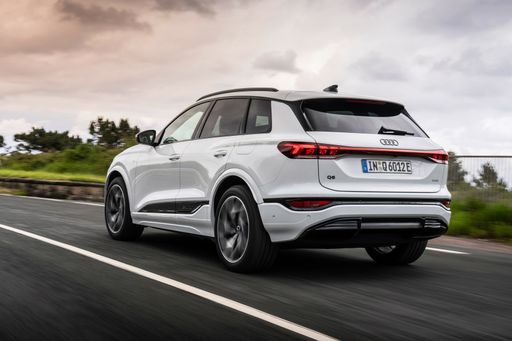
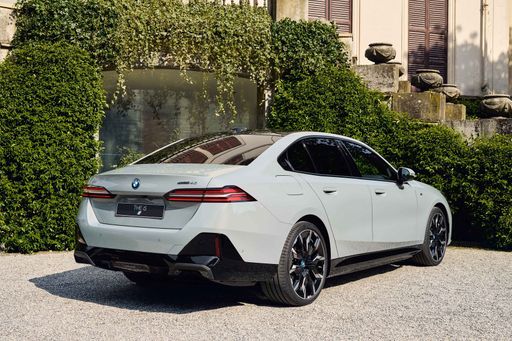
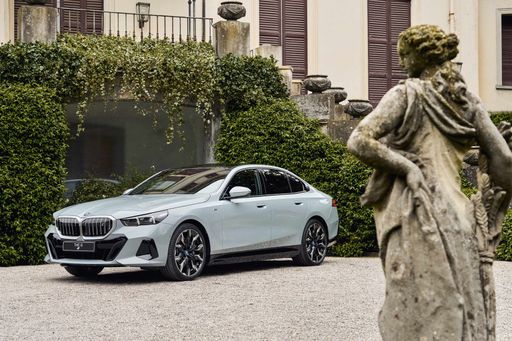
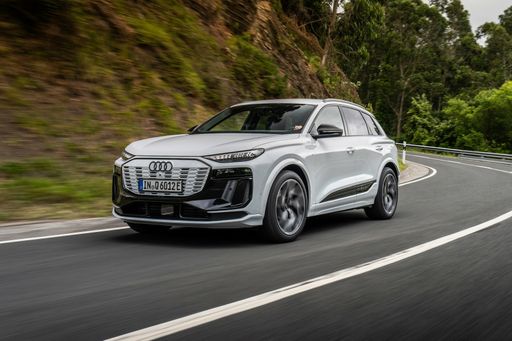
The Audi Q6 e-tron is unmistakably SUV, offering the advantage of space and a dominant road presence. Its dimensions—4771 mm in length, 1939 to 1965 mm in width, and a height of 1665 to 1685 mm—promise a roomy interior with ample ground clearance. In contrast, the BMW i5, a sleek sedan, offers an elongated silhouette with measurements of 5060 mm in length, 1900 mm in width, and stands between 1505 to 1515 mm high. The sedan's design is all about aerodynamics and elegant presence.

Q6 e-tron

Performance and Powertrain

Under the hood, the Audi Q6 e-tron covers a spectrum of power outputs ranging from 292 HP to an exhilarating 516 HP, achieved through its electric motor configurations. This SUV accelerates from 0 to 100 km/h in a swift 4.3 to 7 seconds depending on the variant, partnered with a top speed of 210 to 230 km/h. Meanwhile, the BMW i5 boasts a compelling lineup as well, with its motors delivering 340 to 601 HP. It races from 0 to 100 km/h within 3.8 to 6 seconds and reaches similar top speeds of 193 to 230 km/h, proving that sedans can keep pace with the sportier vehicles.

i5

Driving Dynamics and Efficiency

Audi’s Q6 e-tron offers both rear-wheel and all-wheel-drive configurations, providing versatility for different driving conditions. The energy consumption hovers between 15.6 to 18.9 kWh/100km, and it can travel a notable 529 to 656 km on a single charge, depending on the variant and driving conditions. The BMW i5, favors a slightly more refined consumption range of 15.9 to 18.4 kWh/100km with an electric range between 511 to 582 km. Like its rival, it provides rear and all-wheel drive options, focusing on delivering a dynamic driving experience.

Q6 e-tron

Innovative Features and Technology

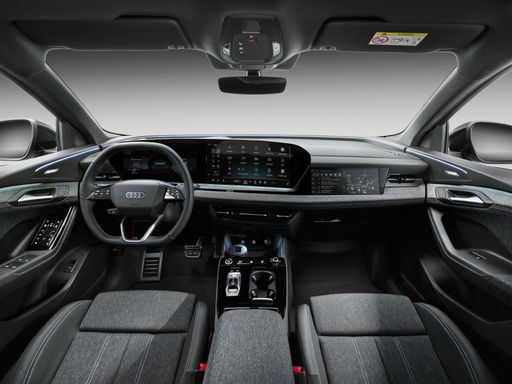
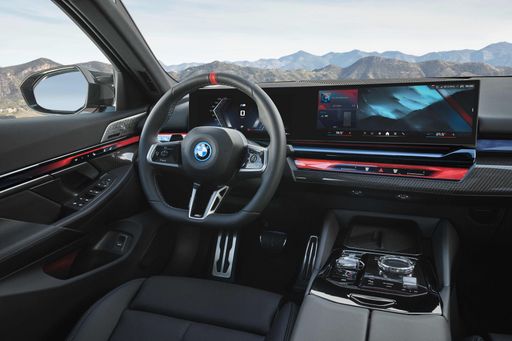
Innovation is the heartbeat of both models. Audi's Q6 e-tron integrates an advanced battery capacity of up to 94.9 kWh, maximizing range and efficiency, aligned with the brand's dedication to sustainability. The BMW i5 introduces its high-efficiency 81.2 kWh battery, meeting the demand for both power and performance. Additionally, both models come equipped with the latest infotainment systems, driver-assistance technologies, and luxurious interiors designed to provide a premium user experience.

i5

Practicality and Comfort

When it comes to space and utility, the Audi Q6 e-tron's SUV stature offers a trunk capacity ranging from 499 to 526 liters, providing flexibility for cargo-heavy lifestyles. Its larger build accommodates five passengers comfortably with a payload capacity of 540 kg. On the other hand, the BMW i5, despite being a sedan, makes practical use of its space with a 490-liter trunk capacity and holds a competitive stance with a payload capacity of 515 kg.

Verdict

Both the Audi Q6 e-tron and BMW i5 exemplify the pinnacle of electric vehicle engineering in their respective forms with zero CO2 emissions. The Q6 e-tron may appeal more to those valuing SUV utility and higher ground clearance, while the i5 might attract buyers who appreciate sedan elegance, speed, and slightly more favorable efficiency metrics.

In this battle of electric luxury, the choice ultimately resides in personal preferences for style, space, and performance. Regardless of choice, these titans pave the way for an electrified future.

Audi Q6 e-tron vs BMW i5: Key differences

Audi Q6 e-tron

4.9 (3 Reviews)
rate
  • somewhat cheaper
  • minimal more electric range
  • minimal more trunk space

BMW i5

  • to a small extent more power
  • hardly perceptible more efficient
  • a bit quicker from 0–100 km/h
  • minimal lighter

All details on performance, efficiency, range and trunk space can be found in the technical comparison below – including user reviews for both models.

Here’s where it gets real: The technical differences in detail

Costs and Efficiency:

Price and efficiency are often the first things buyers look at. Here it becomes clear which model has the long-term edge – whether at the pump, the plug, or in purchase price.

Audi Q6 e-tron has a somewhat advantage in terms of price – it starts at 54400 £ , while the BMW i5 costs 60200 £ . That’s a price difference of around 5743 £.

In terms of energy consumption, the advantage goes to the BMW i5: with 14.70 kWh per 100 km, it’s hardly perceptible more efficient than the Audi Q6 e-tron with 15.60 kWh. That’s a difference of about 0.90 kWh.

As for electric range, the Audi Q6 e-tron performs minimal better – achieving up to 656 km, about 29 km more than the BMW i5.

Engine and Performance:

Power, torque and acceleration are the classic benchmarks for car enthusiasts – and here, some clear differences start to show.

When it comes to engine power, the BMW i5 has a to a small extent edge – offering 601 HP compared to 490 HP. That’s roughly 111 HP more horsepower.

In acceleration from 0 to 100 km/h, the BMW i5 is a bit quicker – completing the sprint in 3.80 s, while the Audi Q6 e-tron takes 4.40 s. That’s about 0.60 s faster.

There’s no difference in top speed – both reach 230 km/h.

There’s also a difference in torque: Audi Q6 e-tron pulls minimal stronger with 855 Nm compared to 820 Nm. That’s about 35 Nm difference.

Space and Everyday Use:

Cabin size, boot volume and payload all play a role in everyday practicality. Here, comfort and flexibility make the difference.

Both vehicles offer seating for 5 people.

In curb weight, BMW i5 is minimal lighter – 2195 kg compared to 2200 kg. The difference is around 5 kg.

In terms of boot space, the Audi Q6 e-tron offers minimal more room – 526 L compared to 490 L. That’s a difference of about 36 L.

When it comes to payload, BMW i5 slight takes the win – 545 kg compared to 540 kg. That’s a difference of about 5 kg.

Who wins the race in the data check?

The BMW i5 sits just ahead overall in the objective data comparison.
This result only shows which model scores more points on paper – not which of the two cars feels right for you.

Audi Q6 e-tron
BMW i5

Costs and Consumption

View detailed analysis

Engine and Performance

View detailed analysis

Dimensions and Body

View detailed analysis
from about £60,200
i5

BMW i5

  • Engine Type : Electric
  • Transmission : Automatic
  • Drive Type : Rear-Wheel Drive, All-Wheel Drive
  • Power HP : 340 - 601 HP
  • Consumption kWh/100km : 14.7 - 17.1 kWh
  • Electric Range : 540 - 627 km

Audi Q6 e-tron

4.9 (3 Reviews)
rate

The Audi Q6 e-tron balances sleek, coupe-like styling with a roomy, upscale interior that feels modern without being showy. It delivers refined electric performance and smart tech that make daily driving effortless — the sort of EV that might make petrolheads grudgingly admit they fancy the future.

details

BMW i5

The BMW i5 swaps predictable executive-car manners for a confident electric vibe, marrying refined comfort with surprisingly engaging steering. It’s a practical choice that doesn’t feel dull, offering the kind of clean, premium experience that makes commuting feel like a small indulgence.

details
Audi Q6 e-tron
BMW i5

Costs and Consumption

Price
54400 - 82500 £
Price
60200 - 85300 £
Consumption L/100km
-
Consumption L/100km
-
Consumption kWh/100km
15.6 - 18.4 kWh
Consumption kWh/100km
14.7 - 17.1 kWh
Electric Range
529 - 656 km
Electric Range
540 - 627 km
Battery Capacity
75.8 - 94.9 kWh
Battery Capacity
81.20 kWh
co2
0 g/km
co2
0 g/km
Fuel tank capacity
-
Fuel tank capacity
-

Dimensions and Body

Body Type
SUV
Body Type
Sedan
Seats
5
Seats
5
Doors
5
Doors
4
Curb weight
2200 - 2425 kg
Curb weight
2195 - 2370 kg
Trunk capacity
499 - 526 L
Trunk capacity
490 L
Length
4771 mm
Length
5060 mm
Width
1939 - 1965 mm
Width
1900 mm
Height
1665 - 1685 mm
Height
1505 - 1515 mm
Max trunk capacity
1361 - 1529 L
Max trunk capacity
-
Payload
540 kg
Payload
525 - 545 kg

Engine and Performance

Engine Type
Electric
Engine Type
Electric
Transmission
Automatic
Transmission
Automatic
Transmission Detail
Reduction Gearbox
Transmission Detail
Reduction Gearbox
Drive Type
Rear-Wheel Drive, All-Wheel Drive
Drive Type
Rear-Wheel Drive, All-Wheel Drive
Power HP
252 - 490 HP
Power HP
340 - 601 HP
Acceleration 0-100km/h
4.4 - 7.6 s
Acceleration 0-100km/h
3.8 - 6 s
Max Speed
210 - 230 km/h
Max Speed
193 - 230 km/h
Torque
450 - 855 Nm
Torque
430 - 820 Nm
Number of Cylinders
-
Number of Cylinders
-
Power kW
185 - 360 kW
Power kW
250 - 442 kW
Engine capacity
-
Engine capacity
-

General

Model Year
2024 - 2025
Model Year
2023 - 2024
CO2 Efficiency Class
A
CO2 Efficiency Class
A
Brand
Audi
Brand
BMW
What drivetrain options does the Audi Q6 e-tron have?

Available configurations include Rear-Wheel Drive or All-Wheel Drive.

The prices shown are estimates based on German list prices, adjusted for local VAT. Local registration taxes (e.g. NoVA, BPM or CO2 malus) are not included. This information is not legally binding.