
 Deutschland
 France
 Nederland
 Great Britain
 Italia
 España
VS
Audi Q8 e-tron VS Ford Focus – Specs, Efficiency & Price Comparison
Which model is the better choice – the Audi Q8 e-tron or the Ford Focus? We compare performance (503 HP vs 280 HP), boot capacity (569 L vs 392 L), efficiency (19.70 kWh vs 4.90 L), and of course, the price (65100 £ vs 27500 £).
Find out now which car fits your needs better!
The Audi Q8 e-tron (SUV) is powered by a Electric engine and comes with a Automatic transmission. In comparison, the Ford Focus (Hatchback) features a Petrol MHEV, Diesel or Petrol engine and a Manuel or Automatic gearbox.
When it comes to boot capacity, the Audi Q8 e-tron offers 569 L, while the Ford Focus provides 392 L – depending on what matters most to you. If you’re looking for more power, you’ll need to decide whether the 503 HP of the Audi Q8 e-tron or the 280 HP of the Ford Focus suits your needs better.
There are also differences in efficiency: 19.70 kWh vs 4.90 L. In terms of price, the Audi Q8 e-tron starts at 65100 £, while the Ford Focus is available from 27500 £.
Compare all the key specs now and find out which model fits your lifestyle best!
Audi Q8 e-tron
The Q8 e-tron stands out with its striking design and luxurious interior, offering a seamless blend of sophistication and cutting-edge technology. This all-electric SUV not only promises an exhilarating driving experience but also emphasizes sustainability without compromising on performance. With its spacious cabin and advanced infotainment features, the Q8 e-tron is sure to appeal to those seeking both comfort and efficiency in their next vehicle.
details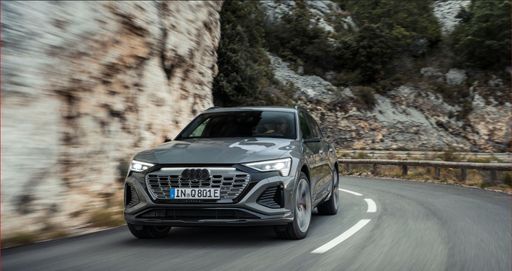 @ Audi
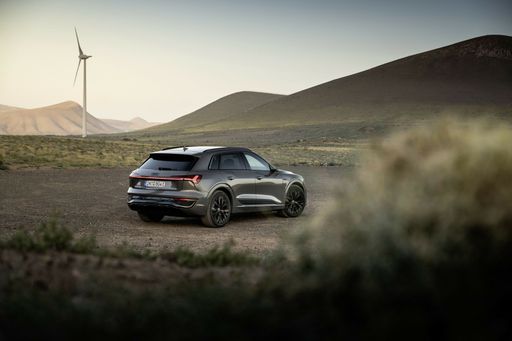 @ Audi
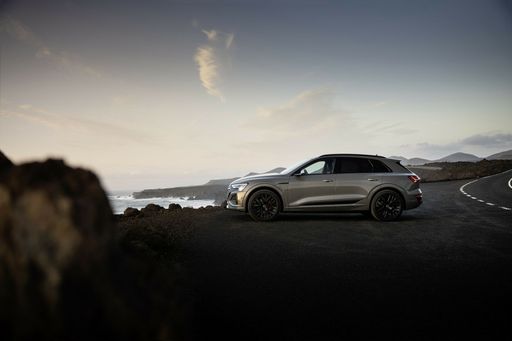 @ Audi
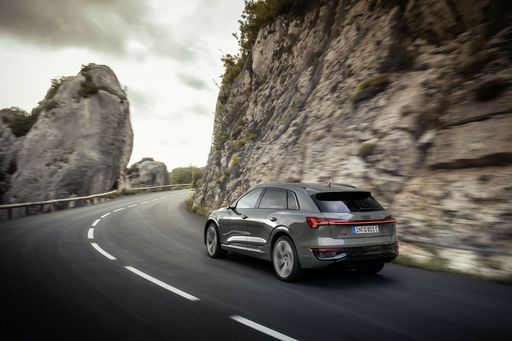 @ Audi
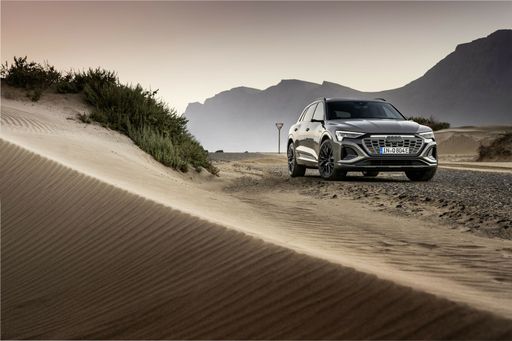 @ Audi
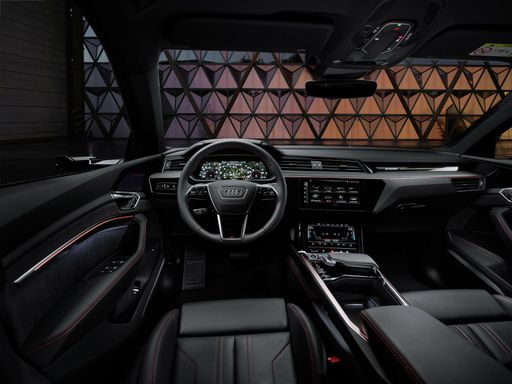 @ Audi
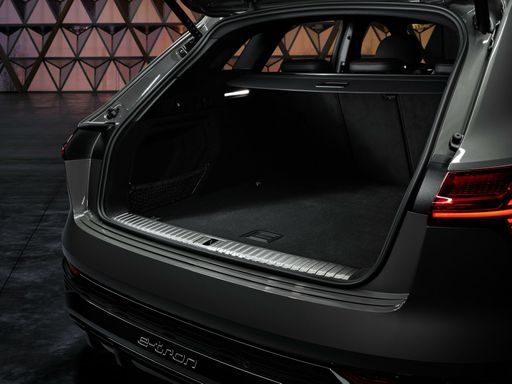 @ Audi
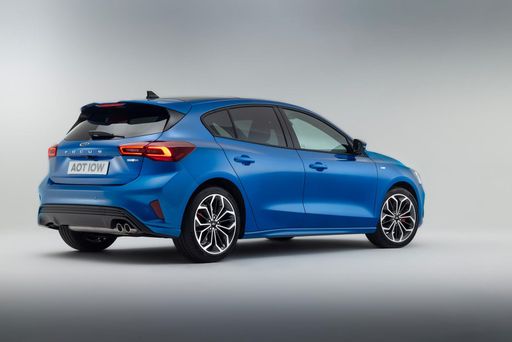
Ford Focus
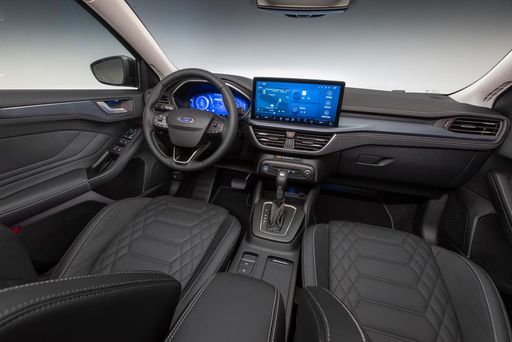
The Ford Focus is celebrated for its agile handling and stylish design, making it a popular choice among hatchback enthusiasts. Its well-crafted interior offers a comfortable driving experience with intuitive technology features. Whether navigating city streets or cruising on the motorway, the Ford Focus delivers a balanced drive with impressive efficiency.
details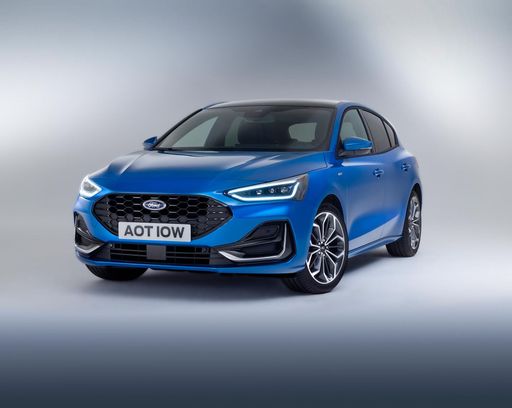 @ focus.fordpresskits.com
 @ focus.fordpresskits.com
 @ focus.fordpresskits.com
Audi Q8 e-tron
Ford Focus
|
|
|
|
|
|
Costs and Consumption |
|
|---|---|
|
Price
65100 - 102800 £
|
Price
27500 - 42700 £
|
|
Consumption L/100km
-
|
Consumption L/100km
4.9 - 8 L
|
|
Consumption kWh/100km
19.7 - 26.3 kWh
|
Consumption kWh/100km
-
|
|
Electric Range
456 - 595 km
|
Electric Range
-
|
|
Battery Capacity
89 - 106 kWh
|
Battery Capacity
-
|
|
co2
0 g/km
|
co2
117 - 183 g/km
|
|
Fuel tank capacity
-
|
Fuel tank capacity
52 L
|
Dimensions and Body |
|
|---|---|
|
Body Type
SUV
|
Body Type
Hatchback
|
|
Seats
5
|
Seats
5
|
|
Doors
5
|
Doors
5
|
|
Curb weight
2585 - 2725 kg
|
Curb weight
1330 - 1529 kg
|
|
Trunk capacity
528 - 569 L
|
Trunk capacity
392 L
|
|
Length
4915 mm
|
Length
4382 - 4397 mm
|
|
Width
1937 - 1994 mm
|
Width
1825 - 1844 mm
|
|
Height
1617 - 1683 mm
|
Height
1438 - 1482 mm
|
|
Payload
515 - 595 kg
|
Payload
495 - 560 kg
|
Engine and Performance |
|
|---|---|
|
Engine Type
Electric
|
Engine Type
Petrol MHEV, Diesel, Petrol
|
|
Transmission
Automatic
|
Transmission
Manuel, Automatic
|
|
Transmission Detail
Reduction Gearbox
|
Transmission Detail
Schaltgetriebe, Automat. Schaltgetriebe (Doppelkupplung), Automatikgetriebe
|
|
Drive Type
All-Wheel Drive
|
Drive Type
Front-Wheel Drive
|
|
Power HP
340 - 503 HP
|
Power HP
115 - 280 HP
|
|
Acceleration 0-100km/h
4.5 - 6 s
|
Acceleration 0-100km/h
5.7 - 11.8 s
|
|
Max Speed
200 - 210 km/h
|
Max Speed
186 - 250 km/h
|
|
Torque
664 - 973 Nm
|
Torque
170 - 420 Nm
|
|
Number of Cylinders
-
|
Number of Cylinders
3 - 4
|
|
Power kW
250 - 370 kW
|
Power kW
85 - 206 kW
|
|
Engine capacity
-
|
Engine capacity
999 - 2261 cm3
|
General |
|
|---|---|
|
Model Year
2023 - 2024
|
Model Year
2022 - 2024
|
|
CO2 Efficiency Class
A
|
CO2 Efficiency Class
D, G
|
|
Brand
Audi
|
Brand
Ford
|
Audi Q8 e-tron
Introducing the Audi Q8 e-tron: The Future of Electric Luxury SUVs
The Audi Q8 e-tron marks a significant step forward in the world of electric vehicles, combining luxury, performance, and cutting-edge technology. As the flagship of Audi’s electric lineup, it embodies the brand's commitment to sustainability and innovation without compromising on the high-performance standards expected from Audi vehicles.
Power and Performance: A Closer Look
The Q8 e-tron is available in several variants, each equipped with powerful electric motors. The Q8 e-tron 50 version boasts 340 horsepower, while the more powerful Q8 e-tron 55 ramps it up to 408 horsepower. For those looking for exhilarating performance, the SQ8 e-tron offers a staggering 503 horsepower, allowing acceleration from 0 to 100 km/h in just 4.5 seconds.
All models feature Audi's advanced all-wheel-drive system, ensuring optimal traction and handling in various driving conditions. With torque figures reaching up to 973 Nm, the Q8 e-tron delivers thrilling acceleration and responsiveness.
Innovative Battery Technology
At the heart of the Q8 e-tron's performance is its sophisticated battery technology. Offering battery capacities of either 89 kWh or 106 kWh, drivers can enjoy impressive electric ranges. The Q8 e-tron 55 can achieve an impressive range of up to 578 kilometers on a single charge, making it a perfect choice for both daily commuting and longer journeys.
The innovative energy management systems also ensure efficient energy consumption, with kWh/100km figures ranging from 19.7 to 26.3 across the model lineup. Moreover, with fast-charging capabilities, drivers can replenish their batteries rapidly during stops, minimizing downtime on the road.
Luxury Meets Innovation
True to Audi's reputation, the Q8 e-tron is designed with premium materials and a sleek aesthetic. The spacious interior comfortably seats five, with plush seating and high-quality finishes throughout. The SUV's cargo capacity ranges from 528 to 569 liters, depending on the model variant, providing ample space for both passengers and their belongings.
On the technological front, the Q8 e-tron is equipped with the latest infotainment systems, featuring a dual touchscreen layout that integrates navigation, media, and vehicle functions seamlessly. Audi’s Virtual Cockpit displays essential driving information directly in front of the driver, enhancing the driving experience with clear and customizable interfaces.
Safety and Driver Assistance Features
Safety is paramount in the Q8 e-tron, which is equipped with an array of advanced driver assistance systems. These systems include adaptive cruise control, lane departure warning, and blind-spot monitoring, all contributing to a safer driving experience. Audi’s commitment to innovation is reflected in the vehicle’s robust safety ratings and the integration of technologies that anticipate potential hazards.
The Eco-Friendly Choice
The Audi Q8 e-tron stands out not only for its performance and luxury but also for its eco-friendliness. With a CO2 efficiency class of A and zero direct emissions, the Q8 e-tron embodies the shift towards sustainable mobility without sacrificing the driving pleasure that Audi is known for.
Conclusion: A New Era of Driving
The Audi Q8 e-tron is more than just a vehicle; it represents a new era in automotive design and technology. With its powerful electric performance, stunning design, and innovative features, it is poised to lead the charge in the electric SUV segment. As Audi continues to push the boundaries of what is possible, the Q8 e-tron stands ready to redefine luxury driving in the electric age.
Ford Focus
A Revamped Classic: The Ford Focus
The Ford Focus has long been a staple in the compact car market, offering a blend of practicality, performance, and affordability. With the latest iterations, Ford continues to build on this reputation, introducing a series of technical enhancements and innovative features aimed at both seasoned car enthusiasts and daily commuters alike.
Innovative Powertrains and Engine Performance
The latest Ford Focus models are equipped with a variety of engine options tailored to diverse driving preferences. At the heart of the lineup are the EcoBoost Hybrid engines, which combine efficiency with performance. These mild-hybrid petrol engines are designed to deliver responsive power with a promise of reduced emissions and fuel consumption.
For those who prefer diesel, the EcoBlue engine offers a smooth and quiet ride with impressive torque and fuel economy. Meanwhile, the high-performance ST variant, powered by a robust 280 PS petrol engine, caters to drivers seeking a sporty experience.
Driving Dynamics and Comfort
One of the Ford Focus's standout features is its superior driving dynamics, balanced perfectly between comfort and agility. Whether equipped with a manual, automatic, or dual-clutch PowerShift transmission, the Focus ensures a responsive drive that adapts to both urban and highway conditions.
The vehicle's suspension system has been finely tuned to absorb road imperfections, offering a composed ride that neither sacrifices comfort nor handling precision. With front-wheel drive across the range, the Focus provides a stable and reassuring road presence.
Efficiency and Sustainability
The Ford Focus impresses with its commitment to fuel efficiency. The EcoBoost Hybrid engines deliver consumption as low as 5.2 L/100km, while the diesel variant offers an even more frugal 4.9 L/100km. These figures not only promise reduced running costs but also lower CO2 emissions, aligning with current sustainability trends.
With CO2 efficiency classes ranging from D to G, the Focus demonstrates a strategic blend of performance and environmental consideration, an important factor for environmentally conscious drivers.
Modern Design and Versatility
In terms of aesthetics, the latest Ford Focus models feature a sleek, aerodynamic silhouette complemented by modern design cues. Ranging from the sporty ST-Line to the sophisticated Titanium editions, each trim offers a distinct personality while maintaining the Focus's core design philosophy.
The Focus continues to offer practical versatility with features like a spacious 392-litre boot, making it suitable for family trips and everyday errands. The interior is smartly designed, providing ample space for five passengers and affording a comfortable, ergonomic driving position.
Technological Enhancements
Technology in the Ford Focus reflects the needs of today's connected driver. The vehicle is equipped with the latest Ford SYNC infotainment system, featuring a user-friendly interface and seamless smartphone connectivity. Driver-assist features such as adaptive cruise control, lane-keeping aid, and traffic sign recognition enhance safety and convenience.
Moreover, the Focus offers various driving modes to tailor the driving experience to different conditions, thus ensuring that drivers have both flexibility and control at their fingertips.
Conclusion: An Evolved Icon
The Ford Focus remains a dominant player in its segment, thanks to its comprehensive suite of innovative features, efficient powertrains, and dynamic styling. This model continues to evolve, providing a balanced blend of performance, economy, and technology, making it a worthy choice for those seeking a reliable yet exciting compact car.
The prices and data displayed are estimates based on German list prices and may vary by country. This information is not legally binding.